How to Tackle Pigmentation in Sunny Climates Naturally

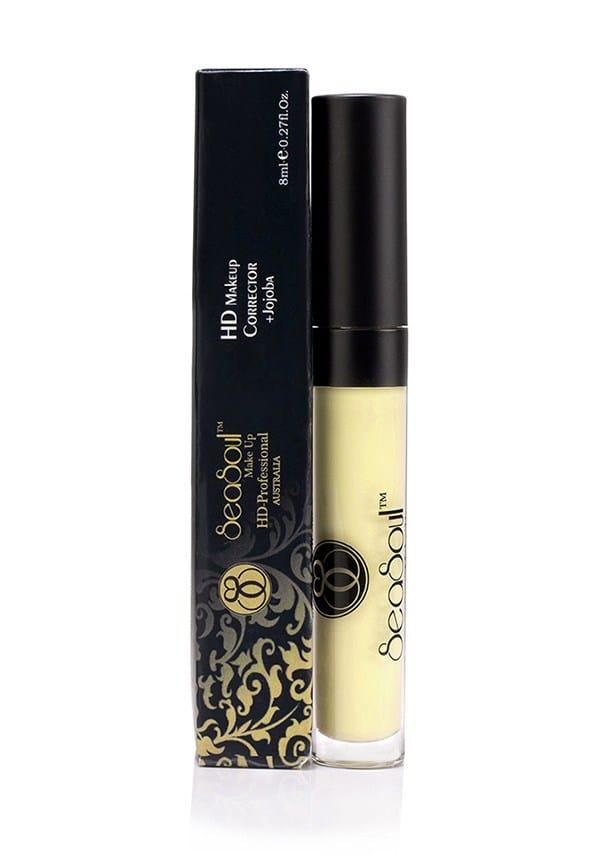
HD Corrector
Living in sunny regions brings its perks—gorgeous weather, vitamin D, and that natural glow. But let's be real, all that sunshine can also leave you with unwanted souvenirs: dark spots, uneven patches, and stubborn pigmentation that just won't budge. If you're dealing with pigmentation patches care for women in sunshine regions, you're definitely not alone. The good news? You don't need harsh chemicals or expensive treatments to get your skin back on track. Natural remedies can be just as effective, especially when you know what you're doing.
Before diving into solutions, it's worth understanding why pigmentation hits differently when you're living somewhere sunny. Your skin's basically working overtime to protect itself from UV rays, and sometimes it gets a bit too enthusiastic about producing melanin.
UV radiation in sunny climates is intense, and your skin responds by ramping up melanin production. This natural defence mechanism can go into overdrive, creating those frustrating dark patches. Heat also plays a role—it increases inflammation, which can worsen existing pigmentation and create new spots.
Common culprits include:
Direct sun exposure without proper protection
Hormonal changes amplified by heat and UV
Post-inflammatory responses from acne or skin irritation
Age-related changes that become more visible with sun damage
Sunspots are probably the most common—those small, dark patches that pop up on areas that get the most sun. Melasma tends to show up as larger, symmetrical patches, often triggered by hormones but made worse by sun exposure. Then there's post-inflammatory hyperpigmentation, which happens after your skin heals from breakouts or injuries.
The beauty of natural treatments is that they work with your skin, not against it. These methods might take a bit longer than harsh chemicals, but they're gentler and often more sustainable for long-term results.
Nature's got some serious skin brightening ingredients that can rival any lab-created formula. Vitamin C from natural sources like kakadu plum or camu camu is incredibly potent for fading dark spots. These sources often contain higher concentrations than synthetic versions and come with additional antioxidants.
Key natural brighteners include:
Kojic acid from fermented rice—gentle but effective for age spot treatment
Arbutin from bearberry extract—works by inhibiting melanin production
Licorice root extract—contains glabridin, which helps fade existing spots
Niacinamide from nutritional sources—reduces inflammation and evens skin tone
Creating your own treatments means you know exactly what's going on your skin. A simple turmeric and honey mask can work wonders—mix a pinch of turmeric with raw honey and apply to clean skin for 15 minutes. The anti-inflammatory properties help calm the skin while gently brightening.
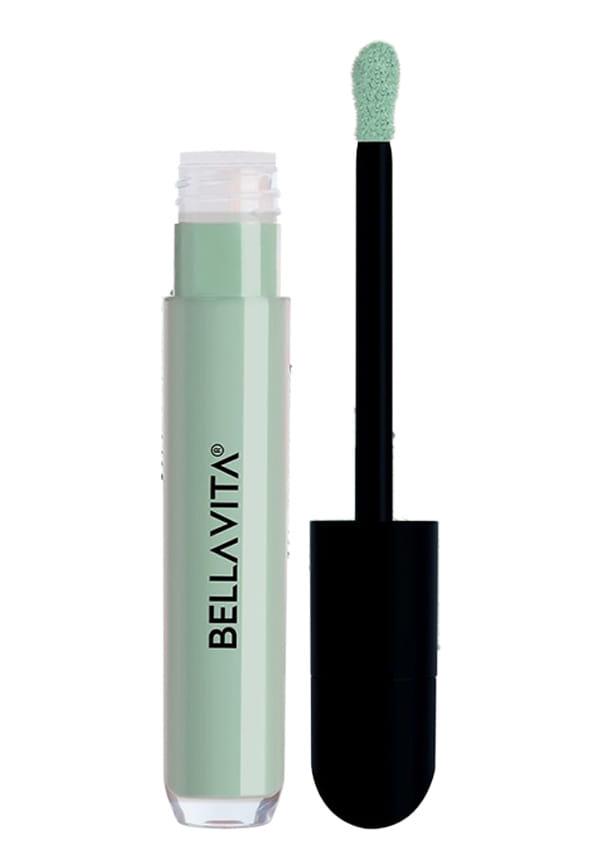
Hydmatte FX - Brightening Color Corrector
For targeted spot treatment, try mixing fresh aloe vera gel with a few drops of lemon juice. Apply directly to dark spots before bed, but always follow up with SPF during the day since citrus can increase photosensitivity.
Melasma can be particularly tricky because it's often hormonally triggered but made worse by sun exposure. The key is being consistent and patient with your approach.
In hot climates, melasma can darken much faster than in cooler areas. The combination of UV rays and heat creates the perfect storm for melanin overproduction. What might start as light patches can quickly become much more noticeable.
The good news is that natural treatments can be incredibly effective for melasma, especially when combined with proper sun protection and lifestyle adjustments.
Azelaic acid, naturally found in grains like wheat and barley, is brilliant for melasma. You can find natural sources in fermented grain extracts or look for products that use naturally-derived azelaic acid. It works by gently exfoliating and reducing melanin production.
A typical natural melasma treatment routine might include:
Morning: Vitamin C serum from natural sources + broad-spectrum SPF
Evening: Natural azelaic acid treatment or kojic acid from rice ferment
Weekly: Gentle natural exfoliation with fruit enzymes
Daily: Anti-inflammatory support with green tea or chamomile
Once damage is done, your skin needs support to heal and regenerate. Natural ingredients can provide this support without causing additional irritation or photosensitivity.
If you've caught too much sun and notice new pigmentation forming, act quickly. Cool aloe vera gel straight from the plant can help reduce inflammation and prevent damage from getting worse. Green tea compresses are also brilliant—the antioxidants help neutralise free radicals that cause ongoing damage.
For immediate relief:
Apply cool aloe vera gel every few hours
Use green tea compresses for 10-15 minutes
Avoid any harsh products or scrubbing
Increase your water intake to support healing from within

Luxe Illume Correct Créme Concealer
Repairing sun damage naturally takes time, but the results can be impressive. Focus on supporting your skin's natural renewal process with ingredients that promote healthy cell turnover and collagen production.
Rosehip oil is fantastic for this—it's rich in vitamin A and essential fatty acids that support skin regeneration. Apply a few drops to clean skin before bed, focusing on areas with pigmentation.
Prevention is always better than treatment, especially when you're dealing with intense sun exposure daily. Your routine needs to work with your climate, not against it.
In sunny climates, your morning routine is crucial. Start with a gentle vitamin C serum—this provides antioxidant protection that works alongside your SPF. Look for lightweight formulations that won't feel heavy in the heat.
Layer your protection:
Gentle cleanser to remove overnight buildup
Vitamin C serum for antioxidant protection
Lightweight, hydrating moisturiser
Broad-spectrum SPF 30 or higher
Your evening routine is when the real repair work happens. This is when you can use more active ingredients without worrying about sun sensitivity. Natural retinol alternatives like bakuchiol can help speed up cell turnover without the irritation.
A typical evening routine might include cleansing, followed by a natural brightening serum, then a nourishing oil or moisturiser to support overnight repair.
What you put in your body is just as important as what you put on your skin. Certain foods and lifestyle choices can either support or hinder your pigmentation treatment efforts.
Antioxidant-rich foods help fight the free radicals that contribute to pigmentation. Think colourful fruits and vegetables—berries, leafy greens, and orange vegetables are all brilliant choices. Foods high in vitamin C, like citrus fruits and bell peppers, support your skin's natural brightening processes.
Stay hydrated, especially in hot climates. Dehydrated skin is more prone to damage and slower to heal. Aim for at least 8 glasses of water daily, more if you're spending time outdoors.
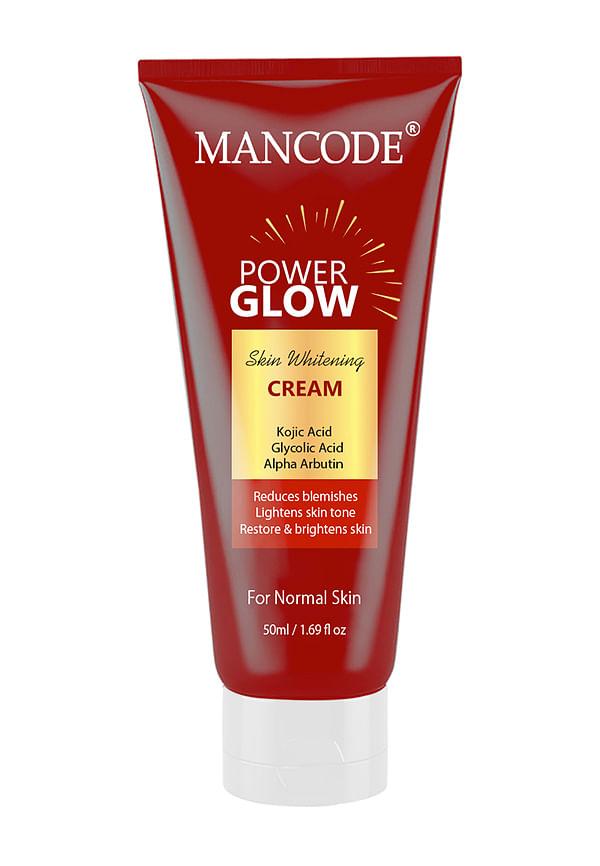
Power Glow Skin Whitening Cream Reduces Dark Spots
While SPF is non-negotiable, there are other ways to protect your skin. Seek shade during peak sun hours (usually 10 AM to 4 PM), wear wide-brimmed hats, and choose clothing with tight weaves that block UV rays.
Consider your indoor environment too—air conditioning can be drying, so use a humidifier if needed to keep your skin comfortable and healing optimally.
This is where platforms like Smytten become incredibly valuable. With over 1,500 trusted brands including skincare specialists like Cetaphil and Dot & Key, you can try different natural and gentle formulations without committing to full sizes. Getting up to 8 minis for just ₹249 means you can experiment with various approaches to find what works best for your specific pigmentation concerns.
Most people start seeing improvements within 4-6 weeks of consistent use, but significant changes typically take 8-12 weeks. Remember, natural treatments work gradually but tend to provide longer-lasting results.
Yes, but introduce them gradually. Start with one ingredient for a week, then slowly add others. Some combinations, like vitamin C and natural AHAs, work beautifully together but should be introduced carefully to avoid irritation.
Many natural ingredients are safe, but always consult your healthcare provider first. Generally, vitamin C, aloe vera, and gentle plant oils are considered safe, while some essential oils and certain acids should be avoided.
This is normal and called 'purging.' As your skin increases its turnover rate, deeper pigmentation can surface before fading. This usually happens in the first 2-4 weeks of treatment.
Absolutely! Just choose non-comedogenic products and always remove makeup thoroughly. Some tinted moisturisers with SPF can actually provide additional protection while evening out your skin tone.
Tackling pigmentation in sunny climates naturally is absolutely possible with the right approach and patience. The key is consistency, proper sun protection, and choosing ingredients that work with your skin's natural processes rather than against them. Remember, what works for your friend might not work for you, so don't be afraid to experiment with different natural approaches.
The beauty of natural treatments is that they're generally gentler and more sustainable for long-term use. While they might take a bit longer to show dramatic results, they often provide more lasting improvements without the risk of rebound pigmentation that can happen with harsh treatments.
With Smytten's extensive range of skincare options from trusted brands, you can explore different natural and gentle formulations to create your perfect pigmentation-fighting routine. The platform's trial system means you can test products before committing, making it easier to find your ideal combination of treatments. After all, why settle for maybe when you can try it all and find what truly works for your skin?
