How to Tackle Hyperpigmentation on Indian Skin: Causes & Solutions

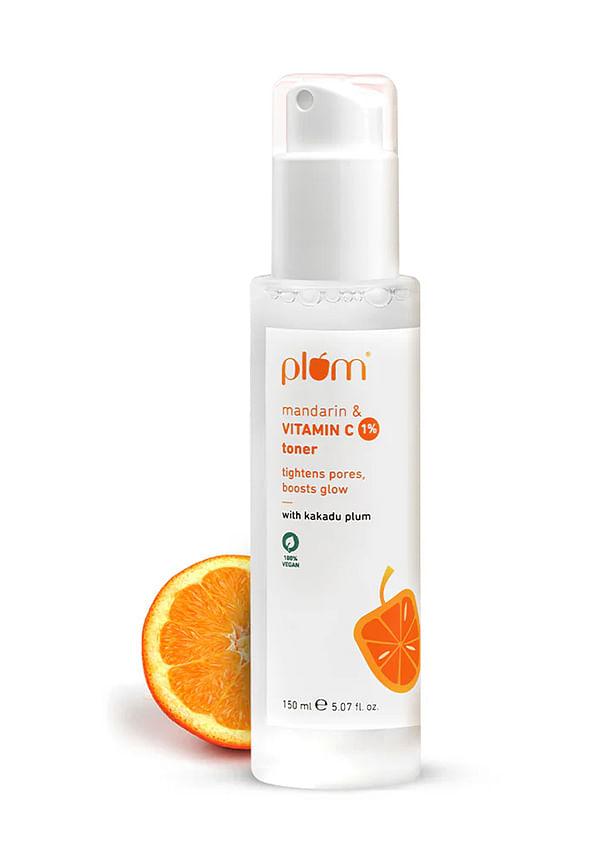
1% Vitamin C Toner with Mandarin & Kakadu | Reduces Dark Spots
First-time user, hopeful for good results
 5
5“I am seeing it for the first time, how will the product be? just don't harm the skin let's see what happens”
Fresh, Hydrating, and Glowing Effect
5“Felt fresh and hydrating. vitamin c is giving that glowing effect”
Good Product
4“good product 🙌🙌🙌❣️❣️❣️❣️❣️❣️❣️❣️❣️”
Let's be real—dealing with hyperpigmentation can feel like an uphill battle, especially when you've got Indian skin that seems to hold onto every dark spot like it's collecting memories. Whether it's those stubborn marks from last year's breakout or new patches that appeared seemingly overnight, understanding hyperpigmentation Indian skin causes is your first step towards clearer, more even-toned skin. The good news? You're definitely not alone in this journey, and there are plenty of solutions that actually work for our skin type.
Here's the thing about Indian skin—it's naturally blessed with higher melanin content, which gives us that gorgeous natural glow but also makes us more susceptible to Indian skin pigmentation issues. Our melanocytes (the cells that produce melanin) are basically overachievers, responding to even the slightest trigger by producing extra pigment.
Most of us fall into Fitzpatrick skin types III to V, which means our skin has this built-in tendency to develop post-inflammatory hyperpigmentation after any kind of trauma—be it a pimple, a scratch, or even aggressive scrubbing. It's like our skin's way of saying "I'll remember this forever" to every little incident.
The Indian subcontinent's intense UV exposure doesn't help either. With year-round sunshine and pollution levels that can trigger inflammatory responses, our skin is constantly on high alert. Add to this our genetic predisposition and certain cultural practices like frequent oil massages or traditional beauty treatments, and you've got a perfect storm for pigmentation issues.
Getting to the root of what's causing those dark spots on skin is crucial for finding the right solution. Think of it as detective work—once you know the culprit, you can tackle it head-on.
This is the biggest villain in our pigmentation story. UV rays trigger melanin production as a protective mechanism, but sometimes our skin goes overboard. Even brief exposure during peak hours can lead to lasting skin discoloration causes.
Pregnancy, birth control pills, and thyroid disorders can all trigger melasma Indian skin issues. These hormonal fluctuations basically tell your melanocytes to work overtime, especially on your face.
Every time you pick at a pimple or your skin gets irritated, it can leave behind a dark mark. This post-inflammatory hyperpigmentation is particularly common in Indian skin types.
As we age, our skin's ability to repair itself slows down, making existing pigmentation more stubborn. Pollution and stress also contribute to uneven skin tone by triggering inflammatory responses.
Not all dark spots are created equal, and knowing which type you're dealing with can help you choose the most effective hyperpigmentation treatment. Here's your guide to identifying the usual suspects.
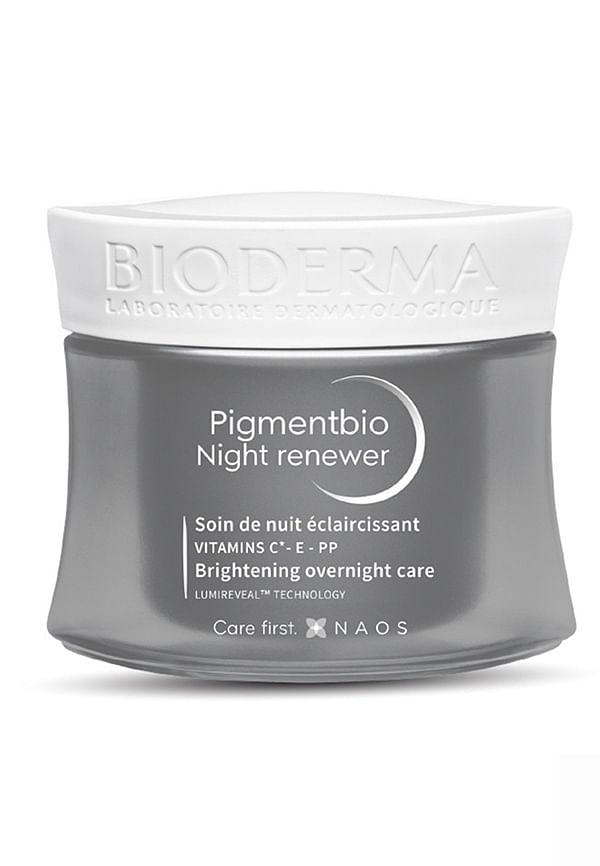
Pigmentbio Night Renewer Brightening Overnight Cream for Dark Spots, Sensitive Skin
Often called the "pregnancy mask," melasma appears as symmetrical brown patches, usually on the cheeks, forehead, and upper lip. It's particularly common in Indian women due to hormonal sensitivity.
These are the dark spots left behind after acne, cuts, or any skin injury. They can range from light brown to almost black, depending on your skin tone.
Also known as age spots, these develop from cumulative sun exposure over the years. They're usually flat, brown spots that appear on sun-exposed areas.
Certain medications can cause pigmentation changes. If you've noticed new dark spots after starting a new medication, this might be the cause.
When home remedies aren't cutting it, professional treatments can be game-changers for pigmentation removal. The key is finding a dermatologist who understands Indian skin and its unique needs.
Prescription-strength ingredients like hydroquinone, tretinoin, and kojic acid can significantly lighten dark spots. These work by either inhibiting melanin production or speeding up cell turnover.
Glycolic acid, lactic acid, and TCA peels can help remove the top layers of pigmented skin. For Indian skin, lighter peels are usually safer to avoid post-inflammatory hyperpigmentation.
Q-switched lasers and IPL therapy can target specific pigmented areas. However, these require careful consideration for darker skin tones to avoid complications.
This treatment creates tiny channels in the skin, allowing for better absorption of brightening serums while stimulating natural healing processes.
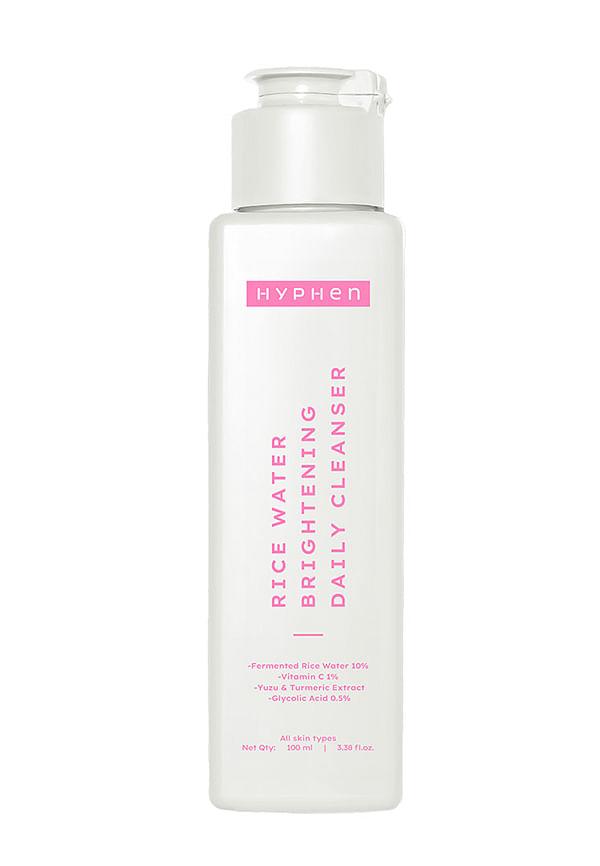
Rice Water Brightening Daily Cleanser | Brightens Skin, Reduces Dark Spots
Good Product
5“it's a good 😊 product Nice product”
Good for Normal/Combination Skin
4“it's good cleaner for normal to combination skin”
Good for Normal/Combination Skin
4“it's good cleaner for normal to combination skin”
Sometimes the best solutions are sitting right in your kitchen. These home remedies for hyperpigmentation have been trusted by generations and can be surprisingly effective when used consistently.
The curcumin in turmeric has anti-inflammatory and brightening properties. Mix it with milk for a gentle, nourishing mask that can help fade dark spots over time.
Rich in vitamin C and citric acid, lemon juice can help lighten pigmentation. Always dilute it and use sunscreen afterwards, as it can make your skin photosensitive.
Fresh aloe vera gel can help soothe inflammation and promote healing, making it perfect for preventing post-inflammatory hyperpigmentation.
This traditional ingredient gently exfoliates while providing nutrients to the skin. Mix with rose water or milk for a brightening face pack.
This form of vitamin B3 is gentle yet effective for reducing pigmentation and improving overall skin texture. It's particularly good for sensitive Indian skin.
The best approach to dealing with hyperpigmentation is preventing it in the first place. A consistent skincare for Indian skin routine can work wonders for maintaining an even complexion and preventing future dark spots.
Start with a gentle cleanser, follow with a vitamin C serum for antioxidant protection, and never skip sunscreen with at least SPF 30. This trio is your daily defence against new pigmentation.
Double cleanse to remove the day's buildup, apply a retinoid or AHA/BHA treatment (start slowly), and finish with a nourishing moisturiser. This is when your skin does most of its repair work.
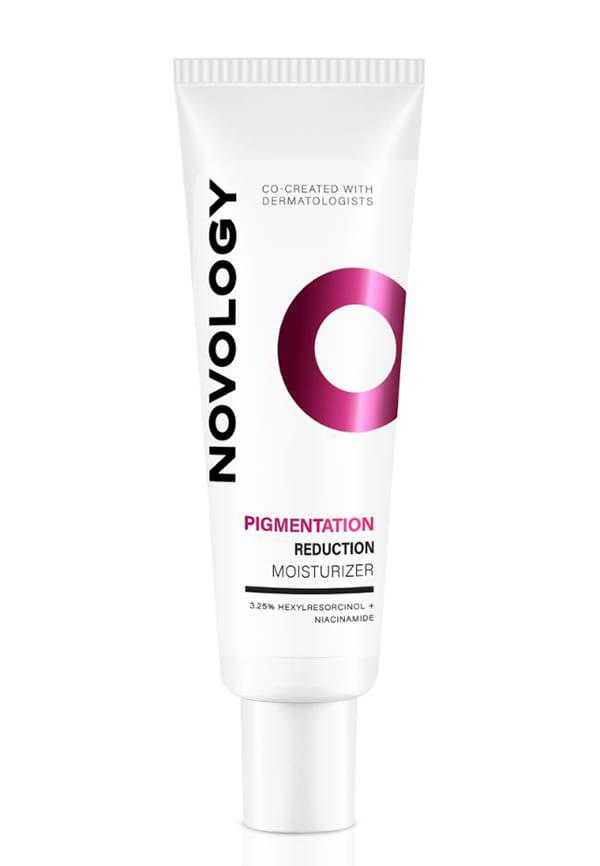
Pigmentation Moisturiser, Face Cream for Hyperpigmentation & Dark Spots
Amazing Product!
5“it really works. i tried it first time and m with love this product best brand I ever used”
Great Product, Will Buy Again
5“nice product richer base repurchase product”
Great for Oily Skin
5“Excellent product for oily skin.”
Incorporate gentle exfoliation once or twice a week with a mild scrub or enzyme mask. Brightening masks with ingredients like vitamin C or kojic acid can also help maintain results.
Indian weather can be harsh on skin. During monsoons, focus on preventing fungal issues that can lead to pigmentation. In summer, amp up the sun protection and hydration.
Finding the right products for your skin type doesn't have to break the bank or involve guesswork. Platforms like Smytten make it easier to discover what works for your unique skin needs by offering trial-sized versions of trusted brands. With over 1,500 brands including skincare favourites like Cetaphil and Dot & Key, you can test different hyperpigmentation treatments before committing to full-size purchases.
Most people start seeing improvements in 4-6 weeks with consistent treatment. However, deeper pigmentation might take 3-6 months to fade significantly. Patience is key—your skin needs time to naturally shed the pigmented cells.
While significant improvement is definitely possible, complete removal depends on the type and depth of pigmentation. Surface-level spots respond better than deeper melasma. The goal should be noticeable improvement rather than perfection.
Avoid harsh scrubs, high concentrations of acids without proper introduction, and ingredients that can cause irritation like certain essential oils. Always patch test new products and introduce them gradually.
It's best to introduce one active ingredient at a time and build tolerance. Combining too many can lead to irritation and worsen pigmentation. When in doubt, consult a dermatologist.
Hormonal fluctuations, increased sun exposure during summer, and even stress can trigger melanin production. Melasma particularly tends to worsen during pregnancy or with hormonal changes.
While diet alone won't cure hyperpigmentation, foods rich in antioxidants, vitamin C, and omega-3 fatty acids can support skin health and healing. Staying hydrated also helps maintain skin barrier function.
Tackling hyperpigmentation on Indian skin requires patience, consistency, and the right approach for your specific skin type. Remember that what works for your friend might not work for you—our skin is as individual as we are. The key is understanding your triggers, choosing appropriate treatments, and maintaining realistic expectations.
Whether you're dealing with stubborn melasma, post-acne marks, or sun damage, there are solutions available. Start with gentle, proven ingredients and gradually build your routine. Don't forget that prevention is always easier than treatment, so make sunscreen your best friend and be gentle with your skin.
The journey to clearer, more even-toned skin might take time, but with the right knowledge and products, you can definitely see improvement. And remember, exploring different treatments doesn't have to be expensive or risky—with platforms offering trial sizes of various skincare products, you can find your perfect match without the commitment. After all, why settle for maybe when you can try it all and find what truly works for your unique skin?
