How to Tackle Dry Skin: Indian Women's Guide



Pore Cleansing Hydration Regime For Dry & Sensitive Skin (Women)
Let's be real—dry skin in India is basically a year-round struggle. Between the harsh summers, unpredictable monsoons, and chilly winters, your skin's constantly trying to keep up with the weather drama. Add pollution, hard water, and our hectic lifestyles to the mix, and you've got a recipe for seriously parched skin. But here's the thing: dry skin solutions for Indian women aren't one-size-fits-all. What works for your friend in Mumbai might not cut it for you in Delhi. The good news? With the right approach combining traditional wisdom and modern skincare science, you can finally say goodbye to that tight, flaky feeling and hello to properly hydrated skin.
Your skin's basically fighting a losing battle against India's unique environmental cocktail. From the scorching heat that strips away natural oils to the sudden humidity drops that leave your skin gasping for moisture, there's always something working against your skin barrier.
India's climate is honestly brutal on skin. The low humidity levels across different regions—especially in northern states during winter—can drop your skin's moisture content faster than you can say "moisturiser." Air pollution doesn't just make your commute miserable; it actually breaks down your skin's protective barrier, making it harder to retain moisture.
Then there's the hard water situation. Most Indian cities have water that's loaded with minerals, which can leave a film on your skin and disrupt its natural pH balance. Your Indian skincare routine needs to account for these daily assaults on your skin barrier.
Sometimes the problem isn't just what's happening outside—it's what's going on inside too. Hormonal changes during periods, pregnancy, or menopause can seriously mess with your skin's oil production. Nutritional gaps, especially lack of healthy fats and vitamins, show up on your face first.
From an Ayurvedic perspective, dry skin often signals an imbalanced Vata dosha. This ancient wisdom suggests that internal dryness manifests externally, which is why dry skin remedies need to work from both inside and out.
Building a solid dry skin care routine isn't about slapping on the heaviest cream you can find. It's about layering products strategically to lock in moisture and protect your skin barrier throughout the day.
Start with a gentle, cream-based cleanser that won't strip your skin. Oil cleansers work brilliantly for dry skin, but if that feels too heavy for morning, a mild cream cleanser does the trick. Follow with a hydrating toner—rose water mixed with glycerin is a classic Indian beauty secret that actually works.
Next comes your serum game. Hyaluronic acid is your best friend here—it can hold up to 1000 times its weight in water. Layer on a good moisturiser with SPF because UV damage makes dryness worse. These skincare tips for dry skin might seem basic, but consistency is everything.
Evenings are when your skin does its heavy lifting repair work. Start with double cleansing to remove all the pollution and makeup residue. Use a gentle exfoliant 2-3 times a week—chemical exfoliants like lactic acid are gentler than physical scrubs.
This is when you bring out the big guns: treatment serums with niacinamide or ceramides, followed by a face oil. Marula, argan, or good old jojoba oil work wonders. Finish with a rich night moisturiser that'll work while you sleep.
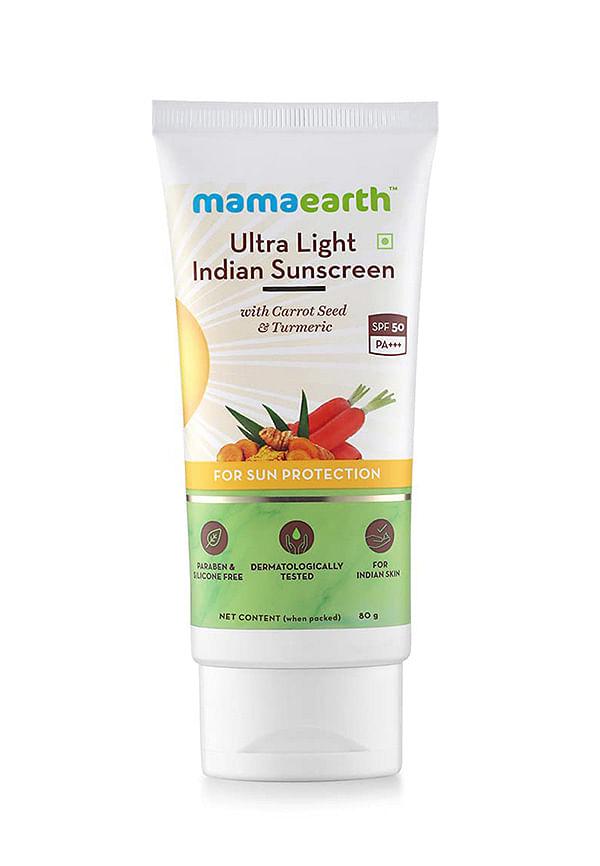
Ultra Light indian Sunscreen
Sometimes the best solutions are hiding in your kitchen or have been passed down through generations. These dry skin home remedies have stood the test of time for good reason—they actually work.
Coconut oil isn't just for cooking—it's one of the most effective natural moisturisers for skin. Warm it slightly and massage into damp skin for maximum absorption. The traditional abhyanga (oil massage) with sesame oil is another game-changer that nourishes skin from the outside in.
Try mixing almond powder with milk to create a hydrating paste that you can use as a weekly treatment. Turmeric and honey masks aren't just Instagram-worthy—they have real anti-inflammatory properties that calm irritated, dry skin.
Your kitchen is basically a skincare goldmine. Oatmeal mixed with yogurt and honey creates a gentle, hydrating mask that soothes dry patches. Aloe vera gel straight from the plant is cooling and deeply moisturising—perfect for Indian weather.
Besan (gram flour) mixed with milk makes an excellent gentle scrub that removes dead skin without over-drying. These Indian beauty secrets for skin work because they're gentle, natural, and suited to our skin types.
When you're shopping for the best face cream for dry skin, ingredient lists matter more than fancy packaging. Understanding what to look for helps you make smarter choices, whether you're trying products through trial packs or investing in full sizes.
Humectants like hyaluronic acid and glycerin pull moisture from the air into your skin. Emollients such as ceramides and squalane smooth and soften, while occlusives like dimethicone create a protective barrier to prevent water loss.
Don't overlook Indian botanicals—neem, tulsi, and manjistha have been used for centuries and offer unique benefits for Indian skin types. These ingredients work particularly well in our climate and with our skin's needs.
For cleansers, cream-based or oil-based formulas are your friends. Look for hydrating skincare products that don't foam too much—excessive foaming usually means harsh surfactants that strip your skin.
When it comes to moisturisers, you might need different formulas for day and night. Day creams should be lighter with SPF, while night creams can be richer and more nourishing. Face oils and targeted treatments like overnight masks can provide that extra boost your skin craves.
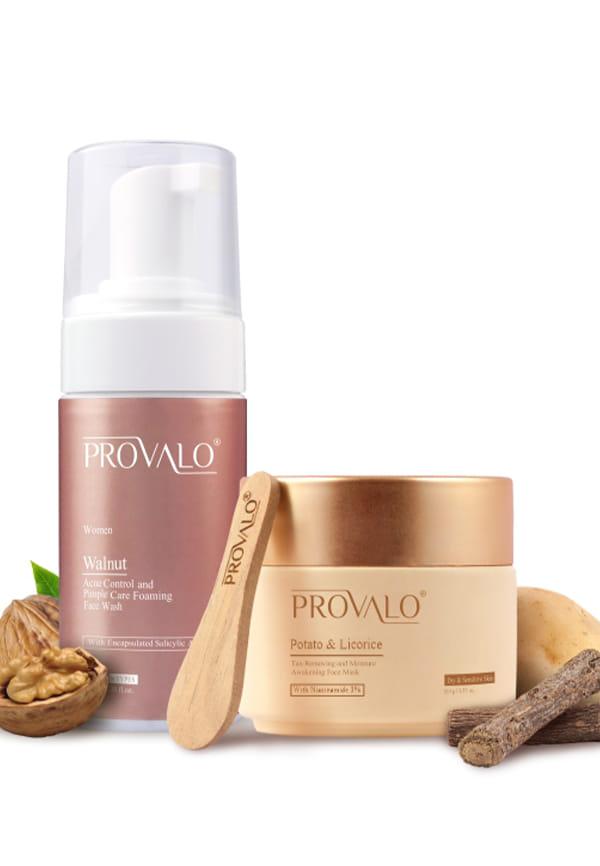
Anti-Acne and Moisture Lock Essentials Combo For Dry & Sensitive Skin (Women)
Your skincare for dry skin routine isn't just about what you put on your face—it's about how you live. Small lifestyle tweaks can make a massive difference in your skin's hydration levels.
Omega-3 fatty acids are crucial for maintaining your skin barrier. Include walnuts, flaxseeds, and fish in your diet. Seasonal fruits like mangoes, papayas, and watermelons provide vitamins and natural hydration.
Ayurvedic principles suggest eating warm, cooked foods and healthy fats to balance Vata dosha and combat internal dryness. Sometimes a supplement might help, but food sources are always better when possible.
Using a humidifier, especially during winter months, can prevent your skin from losing moisture to dry indoor air. Lukewarm water for washing is gentler than hot water, which strips natural oils.
Choose breathable fabrics like cotton that don't irritate dry skin. And never underestimate the power of good sleep and stress management—both directly impact your skin's ability to repair and retain moisture.
Sometimes your at-home routine needs backup. Professional treatments can provide deeper hydration and address stubborn dryness that won't budge with regular products.
Hydrafacials are brilliant for extremely dry skin—they infuse moisture while gently exfoliating. Some chemical peels, when done correctly, can actually help with dryness by removing the barrier of dead skin cells that prevents moisturisers from penetrating.
Traditional Ayurvedic treatments like specialised oil massages and herbal steam treatments can provide deep nourishment that's hard to achieve at home.
If over-the-counter products aren't cutting it, a dermatologist might prescribe stronger moisturisers or investigate underlying conditions. Sometimes dry skin is actually a symptom of thyroid issues, eczema, or hormonal imbalances that need medical attention.
Don't ignore persistent dryness, especially if it comes with itching, redness, or cracking. These could be signs that you need professional help rather than just a better moisturiser.
When you're exploring new products for your dry skin concerns, platforms like Smytten make it easier to find what actually works for your skin. With trial packs from trusted brands like Cetaphil and Dot & Key, you can test hydrating skincare products without committing to full sizes—perfect for finding your holy grail moisturiser without the guesswork.
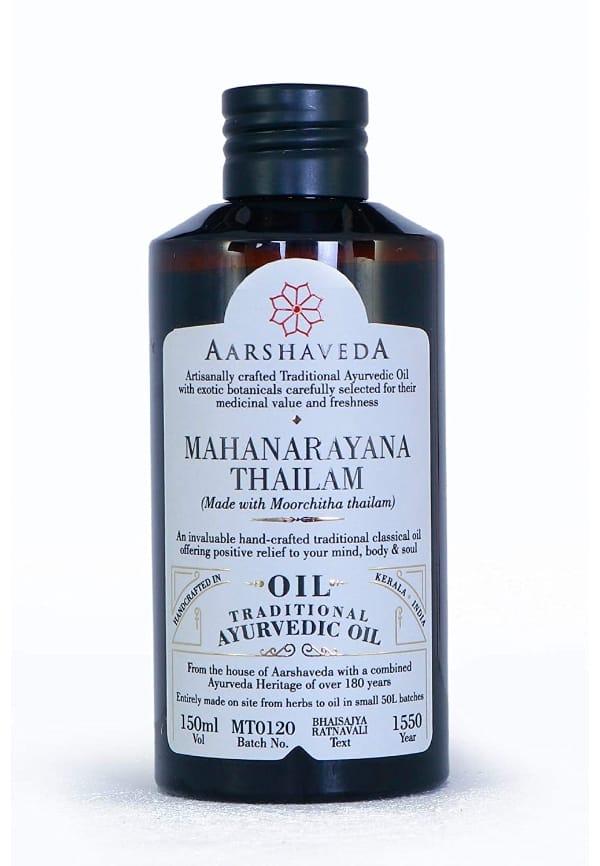
Mahanaryana Thailam
Start with gentle oil massages using coconut or sesame oil, followed by natural masks made from oatmeal, honey, and yogurt. Drink plenty of water and include healthy fats in your diet. Consistency with these dry skin home remedies is key to seeing results.
You might be using the wrong type of moisturiser for your skin's needs, or external factors like hard water and pollution could be working against you. Sometimes you need to layer products—serum, oil, then moisturiser—for better hydration.
Dry skin lacks oil production, while dehydrated skin lacks water. Dehydrated skin can feel tight but still produce oil, leading to that confusing oily-but-dry feeling. Both need different approaches in your skincare routine.
Twice daily is the minimum—morning and night. For extremely dry skin, you might need to reapply during the day, especially after washing your hands or face. Listen to your skin and adjust accordingly.
Absolutely. Foods rich in omega-3 fatty acids, vitamins A and E, and antioxidants support skin barrier function. Staying hydrated and avoiding excessive sugar and processed foods also helps maintain healthy skin moisture levels.
Steer clear of harsh sulfates, alcohol-based toners, and over-exfoliating acids. Fragrances and essential oils can also irritate already sensitive dry skin. Always patch test new products before full application.
With consistent care, you should notice some improvement within 2-4 weeks. However, significant changes in skin texture and hydration levels typically take 6-8 weeks of regular routine adherence.
Tackling dry skin as an Indian woman means understanding that your skin faces unique challenges—from climate extremes to pollution and hard water. The solution isn't just about finding the perfect moisturiser; it's about building a comprehensive approach that includes the right products, traditional remedies, and lifestyle adjustments.
Start with gentle cleansing, layer hydrating products strategically, and don't underestimate the power of traditional Indian ingredients. Whether you're trying kitchen remedies or exploring new products through trial packs, consistency is your best friend. Remember, healthy skin is a journey, not a destination—and with the right approach, you can achieve that naturally glowing, well-hydrated skin you've been dreaming of.
