How to Stop Acne Breakouts Before They Start: Natural Prevention

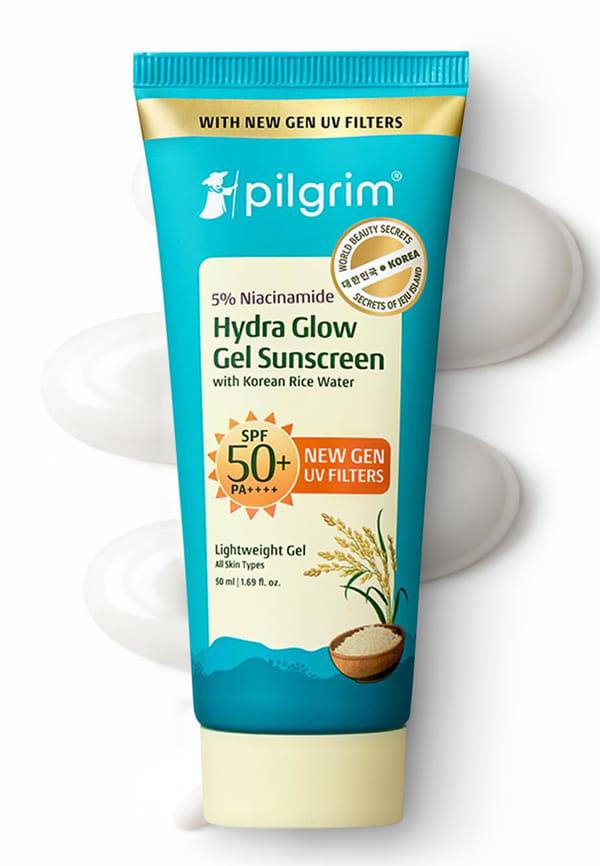
5% Niacinamide Oil-Free Super Light Gel Sunscreen SPF 50+ PA++++
Good for Oily Skin
 5
5“it's product is so good . oily skin suitable product.”
Good Use and Smell
5“good for use and a good smell.”
Good Use and Smell
5“good for use and a good smell.”
Real talk: watching a pimple form is like seeing a storm cloud gather on the horizon. You know what's coming, but by the time you spot it, the damage is already underway. The good news? Understanding how to stop acne breakouts before they start can transform your skin game completely. Prevention isn't just about slapping on products when trouble hits—it's about creating an environment where breakouts simply can't take hold. From managing oil production to reducing inflammation naturally, the right approach tackles acne at its source rather than playing catch-up. Whether you're dealing with hormonal flare-ups, stress-induced breakouts, or just want clearer skin overall, these natural prevention methods work with your skin's biology, not against it. And with platforms like Smytten offering trial-sized versions of proven skincare products, you can test what works for your unique skin without the commitment of full-size purchases.
TL;DR
Prevention beats treatment: stopping acne formation is more effective than treating existing breakouts
Daily skincare routine with gentle cleansing and non-comedogenic products creates an acne-resistant environment
Natural oil control through proper hydration and sebum regulation prevents clogged pores
Anti-inflammatory diet and stress management address internal acne triggers
Consistent lifestyle habits like clean pillowcases and avoiding pore-clogging ingredients maintain clear skin
Acne doesn't just appear overnight—it's actually a four-stage process that begins weeks before you see any visible signs. First, excess oil production combines with dead skin cells to create a plug in your pore. Then bacteria multiply in this oxygen-free environment, leading to inflammation and finally, the dreaded pimple. By the time you spot that red bump, the process has been brewing for ages.
This is precisely why learning how to stop acne breakouts before they start is so powerful. When you prevent acne naturally by addressing the root causes—excess oil, dead skin buildup, and bacterial overgrowth—you're essentially stopping the domino effect before it begins. Studies suggest substantial reduction in breakout frequency with consistent prevention strategies compared to reactive treatments alone.
Your daily skincare routine for acne prevention should feel like a gentle reset, not a harsh battle. The key is consistency and using products that support your skin's natural barrier while keeping pores clear. Think of it as creating a protective environment where acne simply can't thrive.
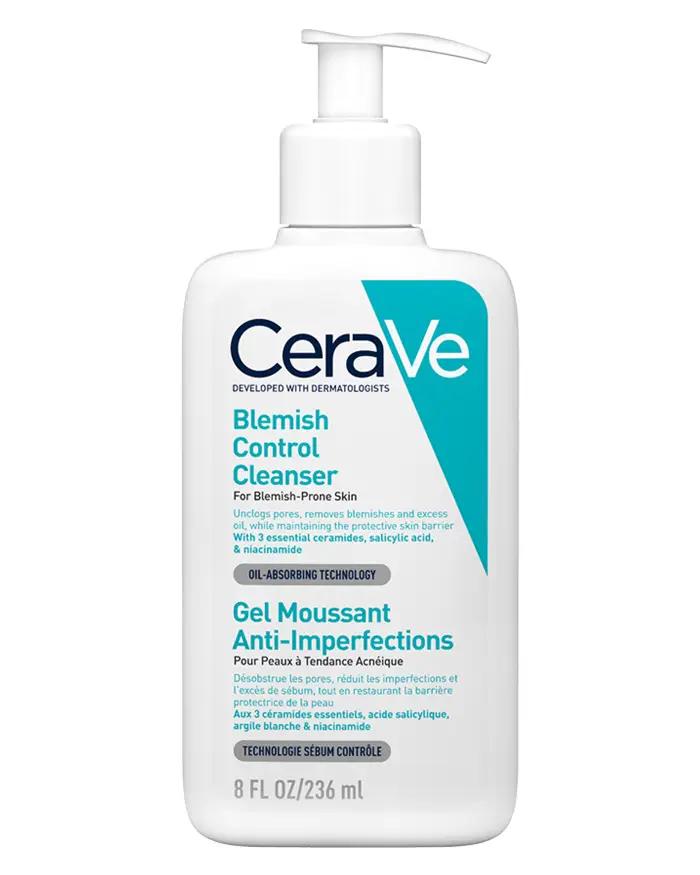
Start your day with lukewarm water and a gentle cleanser—hot water strips your skin's natural oils, triggering more oil production later. Look for cleansers with salicylic acid or niacinamide that can penetrate pores without over-drying. The CeraVe Blemish Control Cleanser combines 2% salicylic acid with ceramides to gently exfoliate while maintaining your skin barrier, making it an excellent choice for daily acne prevention without irritation. Your skin will notice the difference.
Follow with a lightweight, oil-free moisturiser—yes, even oily skin needs hydration. Dehydrated skin actually produces more oil to compensate. Finish with a broad-spectrum SPF 30 or higher. UV damage can worsen acne marks and trigger inflammation, so this step is non-negotiable for clear skin habits.
Your evening routine is where the real magic happens. Double cleansing removes makeup, sunscreen, and the day's buildup that can clog pores. Start with an oil-based cleanser (yes, oil dissolves oil effectively), then follow with your regular cleanser.
Two to three times weekly, incorporate gentle exfoliation using AHAs like glycolic acid or BHAs like salicylic acid. These pore cleansing techniques remove dead skin cells that would otherwise mix with oil to create blockages. Always follow with a hydrating serum or moisturiser to prevent over-drying.
Controlling oil production isn't about stripping your skin bare—it's about finding the sweet spot where your skin produces just enough oil to stay healthy without creating a breeding ground for acne. The secret lies in understanding that your skin is constantly trying to maintain balance.
To control oil production for skin naturally, focus on ingredients that regulate rather than eliminate sebum. Niacinamide is brilliant for this—it can reduce oil production by up to 30% without causing dryness. Clay masks once or twice weekly can absorb excess oil, but avoid daily use as this triggers rebound oil production.
Proper hydration is crucial here. When your skin is well-hydrated, it doesn't need to overproduce oil for protection. Look for lightweight, hyaluronic acid-based serums that provide moisture without heaviness.
Your hormones directly influence oil production, which is why many people notice breakouts around their menstrual cycle or during stressful periods. Supporting hormonal balance through diet can significantly impact your skin's oil levels.
Include omega-3 rich foods like walnuts and flaxseeds, which help regulate hormone production. Spearmint tea has shown promise in reducing androgen levels, which can decrease oil production. Quality sleep is equally important—poor sleep disrupts hormone balance and increases cortisol, leading to more oil production.
What you eat directly impacts your skin's inflammatory response. A healthy skin diet focuses on foods that reduce inflammation acne while avoiding triggers that can worsen breakouts. Think of your plate as a powerful tool in your acne prevention arsenal.
Antioxidant-rich foods are your skin's best friends. Berries, leafy greens, and colourful vegetables provide vitamins C and E, which help repair skin damage and reduce inflammation. Zinc-rich foods like pumpkin seeds and chickpeas support skin healing and can reduce acne severity.
Green tea deserves special mention—its polyphenols have potent anti-inflammatory properties. Drinking 2-3 cups daily or applying cooled green tea as a toner can significantly reduce skin inflammation. Turmeric, whether consumed or applied topically, contains curcumin, which helps calm inflamed skin.
High-glycemic foods like white bread, sugary snacks, and processed foods can spike insulin levels, leading to increased oil production and inflammation. This doesn't mean you can never enjoy these foods, but moderating intake can make a noticeable difference in your skin.
The dairy-acne connection is real for many people, particularly with milk and whey protein. If you suspect dairy might be triggering breakouts, try eliminating it for 4-6 weeks to see if your skin improves. Hidden inflammatory ingredients like excess iodine (found in seaweed snacks and iodised salt) can also trigger breakouts in sensitive individuals.
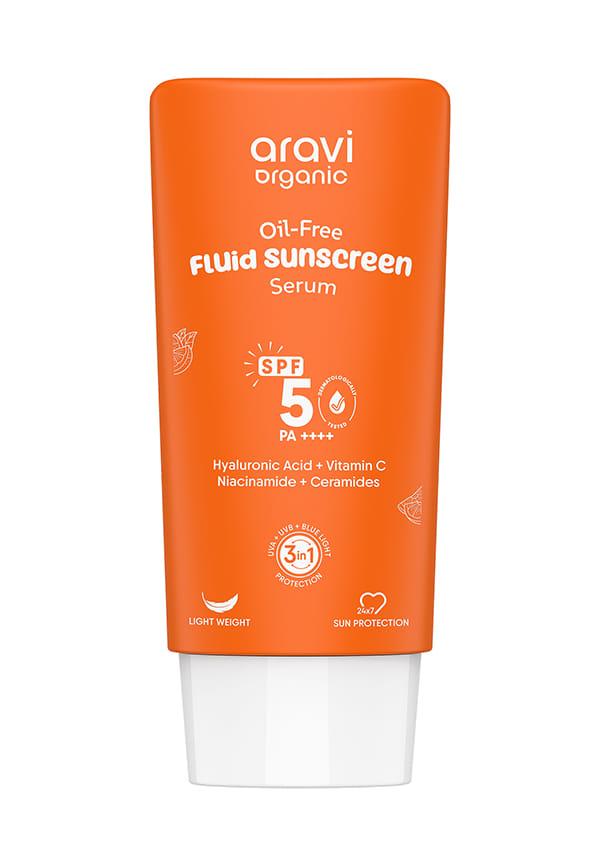
Oil-Free Fluid Sunscreen Serum SPF 50++++ with Hyaluronic Acid, Vitamin C, Niacinamide
Your daily habits play a massive role in acne prevention. From how you manage stress to the cleanliness of your pillowcase, these seemingly small factors can make or break your clear skin efforts. The beauty of lifestyle-based prevention is that it addresses acne from multiple angles simultaneously.
Stress is one of the biggest culprits behind sudden breakouts. When you're stressed, your body produces more cortisol, which increases oil production and inflammation. Managing stress for skin health isn't just about feeling better—it's about creating an internal environment where acne can't flourish.
Regular exercise helps reduce stress hormones while improving circulation, which delivers nutrients to your skin. Just remember to cleanse your face after sweating to prevent pore-clogging. Meditation, even just 10 minutes daily, can significantly reduce cortisol levels. Deep breathing exercises are particularly effective for immediate stress relief.
Your phone screen harbours more bacteria than a toilet seat—let that sink in. Cleaning your phone daily with alcohol wipes and using hands-free options when possible can prevent transferring bacteria to your face. Similarly, changing your pillowcase every 2-3 days removes oil and bacteria buildup that can clog pores while you sleep.
Hair products containing oils or silicones can migrate to your face, especially around your hairline and forehead. If you're prone to breakouts in these areas, consider using lighter hair products or keeping hair away from your face with clips or headbands.
Not all acne is created equal, and different types require slightly different prevention strategies. Understanding your specific breakout patterns helps you tailor your approach for maximum effectiveness. Whether you're dealing with hormonal cycles or sudden environmental changes, targeted prevention is key.
Hormonal breakouts typically appear along the jawline, chin, and lower cheeks, often coinciding with your menstrual cycle. To prevent these cyclical breakouts, start your prevention routine about a week before your period is due. Increase your intake of anti-inflammatory foods and consider adding evening primrose oil supplements, which can help balance hormones naturally.
Gentle exfoliation becomes even more important during this time, as hormonal fluctuations can increase dead skin cell turnover. Stick to your regular routine but pay extra attention to hydration, as hormonal changes can make skin more sensitive.
When you notice your skin starting to act up suddenly, it's usually due to a change in routine, environment, or stress levels. The key is identifying and addressing these triggers quickly. New skincare products, changes in weather, increased stress, or even a different laundry detergent can all trigger sudden breakouts.
Keep a simple skin diary noting any changes in your routine, diet, or environment alongside your skin's condition. This helps you identify patterns and avoid future triggers. When you do spot early signs of a breakout, applying a spot treatment with tea tree oil or salicylic acid can help prevent it from developing fully.
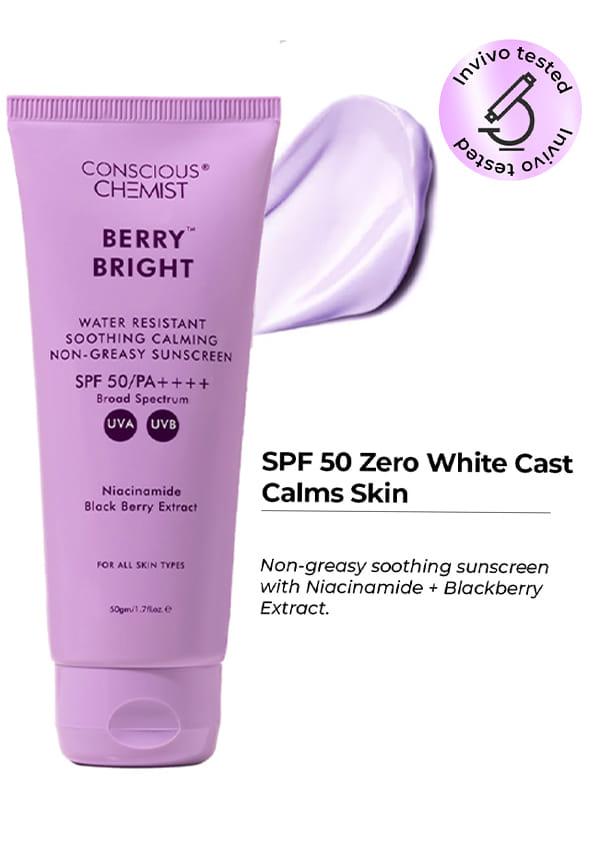
Berry Bright Niacinamide Sunscreen Spf 50 Pa++++
Great Sunscreen: Smells good, Light & Glowy
5“I love this sunscreen it's smell and texture is soo leight and make skin glowy ”
Good Product, Loved It
4“It's Good Product I loved it...”
Good Product, Loved It
4“It's Good Product I loved it...”
Focus on consistent prevention through gentle daily cleansing, oil control without over-drying, anti-inflammatory diet choices, and stress management. The key is addressing the root causes—excess oil, dead skin buildup, and bacteria—before they combine to create breakouts. Consistency with your routine is more important than using harsh products.
Tea tree oil, niacinamide, salicylic acid from willow bark, and green tea are excellent natural acne fighters. Zinc, both topically and as a supplement, helps reduce inflammation and oil production. Clay masks with bentonite or kaolin can absorb excess oil without over-drying. Always patch test new ingredients first.
Most people notice improvements in 4-6 weeks with consistent prevention methods. Your skin's natural renewal cycle is about 28 days, so give any new routine at least a month before making changes. Some people see reduced oiliness and fewer new breakouts within 2 weeks, while deeper improvements in skin texture and tone take longer.
Yes, diet plays a significant role in acne prevention for many people. High-glycemic foods and dairy can trigger breakouts in sensitive individuals, while anti-inflammatory foods like omega-3 rich fish, berries, and leafy greens can help reduce skin inflammation. However, dietary changes work best when combined with proper skincare and lifestyle habits. You can explore different skincare and wellness products through trial packs on Smytten to find what works best for your skin alongside dietary changes.
While you can't completely prevent hormonal fluctuations, you can minimise their impact on your skin through natural methods. Regular exercise, stress management, adequate sleep, and a balanced diet all help regulate hormones. Spearmint tea and omega-3 supplements may help reduce androgen levels naturally. Consistent skincare with gentle exfoliation and oil control also helps manage hormonal breakouts.
Preventing acne breakouts is far more effective than treating them after they appear. The foundation of clear skin lies in understanding that acne prevention requires a holistic approach—combining proper skincare, natural oil control, anti-inflammatory nutrition, and healthy lifestyle habits.
Your daily routine should focus on gentle cleansing, appropriate moisturising, and consistent sun protection. Natural methods to control oil production, such as using niacinamide and maintaining proper hydration, work better than harsh stripping products. Remember that what you eat and how you manage stress directly impacts your skin's inflammatory response.
Most importantly, consistency trumps intensity every time. A gentle routine followed religiously will always outperform aggressive treatments used sporadically. Give your prevention methods at least 4-6 weeks to show results, and don't be afraid to adjust your approach based on your skin's response.
Achieving clear skin through natural prevention methods is entirely possible with the right approach and patience. The key is finding products and routines that work specifically for your skin type and lifestyle. Smytten makes this discovery process both affordable and risk-free through their extensive collection of trial-sized products from trusted brands like Cetaphil, Dot & Key, WishCare, and Minimalist. With over 2,400 brands available in mini formats, you can experiment with different cleansers, treatments, and moisturisers without committing to full-size purchases. The platform's try before you buy approach means you can test various acne prevention products across 90% pin code coverage in India, ensuring you find the perfect combination for your skin. Plus, with 100% cashback on trial purchases redeemable for future orders, discovering your ideal skincare routine becomes both smart and economical. After all, why settle for guessing what might work when you can systematically try products and build a prevention routine based on real results?
