How to Start Using Retinol: A Beginner's Guide


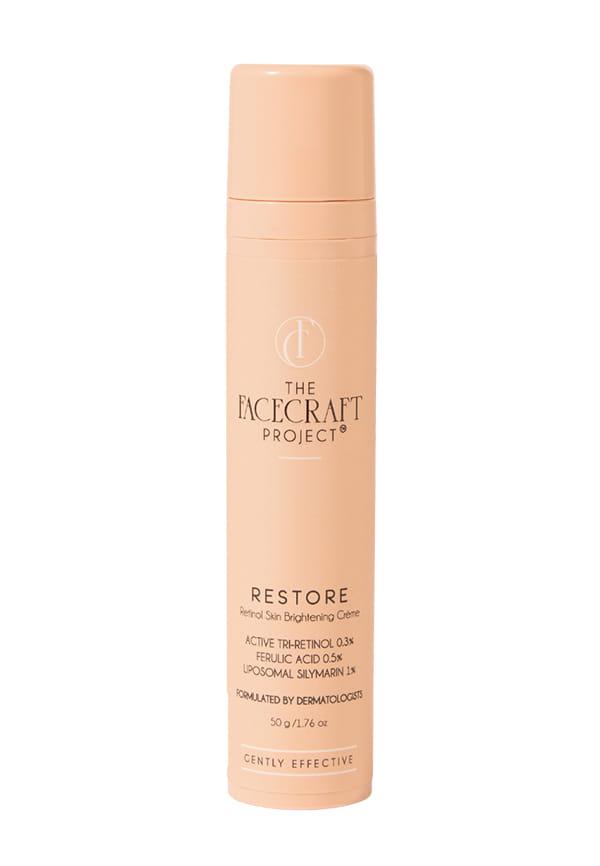
RESTORE Retinol Night Cream
Starting your retinol journey can feel a bit overwhelming, especially with all the conflicting advice floating around. One friend swears by jumping straight into daily use, while another warns you'll end up with peeling skin for weeks. Real talk—both approaches miss the mark. Retinol for beginners is all about finding that sweet spot between seeing results and keeping your skin happy. Think of it as learning to drive: you wouldn't start on the motorway, right? This guide breaks down everything you need to know to start using retinol safely, from picking your first product to building a routine that actually works for your skin.
Let's start with the basics—what is retinol, anyway? Retinol is a form of vitamin A that's become the skincare world's golden child for good reason. It's part of the retinoid family, but unlike prescription-strength options, retinol is gentler and available over the counter. Think of it as the approachable cousin of the retinoid family.
The retinol benefits are pretty impressive. It speeds up cell turnover, which means your skin sheds old, dull cells faster and reveals fresh ones underneath. This process helps with everything from fine lines and wrinkles to uneven texture and dark spots. It's also brilliant for unclogging pores, making it a solid choice for anyone dealing with breakouts.
Retinol has decades of research backing its effectiveness. Unlike trendy ingredients that come and go, retinol has consistently proven it can deliver real, visible results. It's one of the few ingredients that actually stimulates collagen production, which is why dermatologists recommend it so often.
Many people think retinol will instantly transform their skin or that more is always better. The truth? Retinol is a marathon, not a sprint. Results take time, and starting slowly is actually the smartest approach. Another myth is that retinol thins your skin—it doesn't. It actually thickens the deeper layers while helping the surface layer shed more efficiently.
Understanding how retinol works helps you set realistic expectations. At the cellular level, retinol converts to retinoic acid, which then communicates with your skin cells to speed up renewal. This process typically takes 4-6 weeks to show visible results, so patience is key.
When choosing between retinol serum and retinol cream, consider your skin type. Serums tend to be more potent and absorb faster, making them great for oily or combination skin. Creams are typically more moisturising and gentler, which works well for dry or sensitive skin types.
Week 1-2: You might notice some dryness or mild irritation as your skin adjusts. This is completely normal and usually temporary.
Week 4-6: Skin texture starts improving, and you may notice a subtle glow.
Week 8-12: Fine lines begin to soften, and overall skin tone becomes more even.
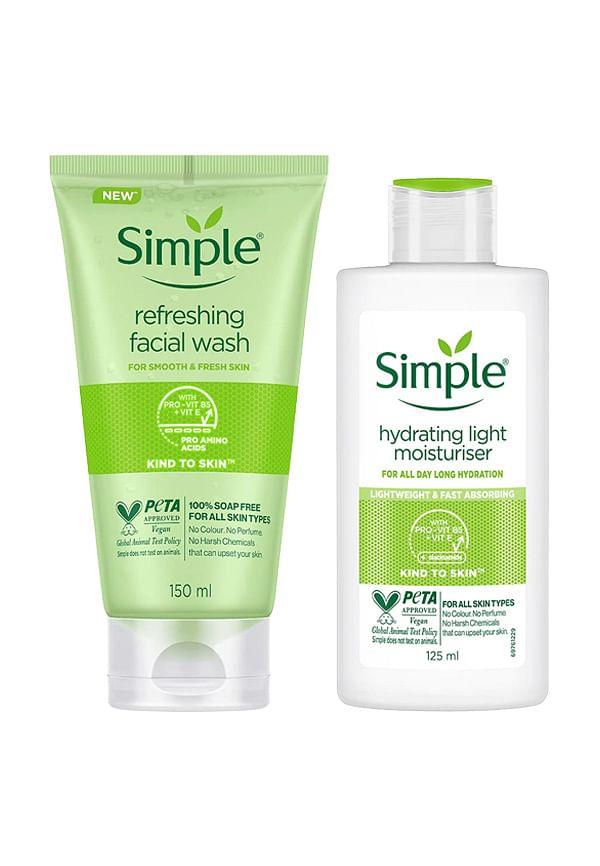
Sensitive Skin Essentials Combo
Great for Sensitive Skin
 5
5“Great product for sensitive skin”
Nice Face Wash & Moisturizer
5“nice face wash and nice moisturizer”
Nice Face Wash & Moisturizer
5“nice face wash and nice moisturizer”
Those early retinol side effects like dryness, redness, or peeling aren't signs that retinol isn't working—they're actually proof that it is. Your skin is adjusting to the increased cell turnover. The key is managing these effects, not avoiding them entirely.
Walking down the skincare aisle can feel like navigating a maze when you're looking for your first retinol product. The good news? You don't need to overthink it. For beginners, starting with a concentration between 0.25% and 0.5% is your best bet.
When deciding between retinol products, look for formulations that include soothing ingredients like hyaluronic acid, ceramides, or niacinamide. These help buffer potential irritation while your skin gets used to retinol. Avoid products with high concentrations of acids or other active ingredients—you want retinol to be the star of the show initially.
If you have oily or combination skin, a retinol serum might be your pick. They're lightweight and absorb quickly without feeling heavy. For dry or sensitive skin types, a retinol cream offers extra moisture and tends to be gentler.
You don't need to splurge on your first retinol product. Many affordable options work brilliantly for beginners. The key is finding a product with a stable formulation and the right concentration for your skin type. Platforms like Smytten make it easier to try different retinol products without committing to full sizes, which is perfect when you're still figuring out what works for your skin.
Here's where many beginners go wrong—they dive in headfirst instead of easing their skin into retinol use. The 1-2-3 rule is a simple way to build tolerance gradually. Start with once a week for the first week, twice a week for the second week, and three times a week for the third week.
Your retinol skincare routine should always happen in the evening. Retinol makes your skin more sensitive to sunlight, so nighttime application is non-negotiable. Apply retinol to clean, dry skin—wait about 20 minutes after cleansing to ensure your skin is completely dry.
Week 1: Apply retinol once, preferably on a night when you can sleep in the next day. Use a pea-sized amount for your entire face.
Week 2-3: If your skin handled the first application well, bump it up to twice a week. Space applications at least two days apart.
Week 4+: Gradually increase to three times a week, then every other night if your skin tolerates it well. Some people eventually work up to nightly use, but that's not necessary for everyone.
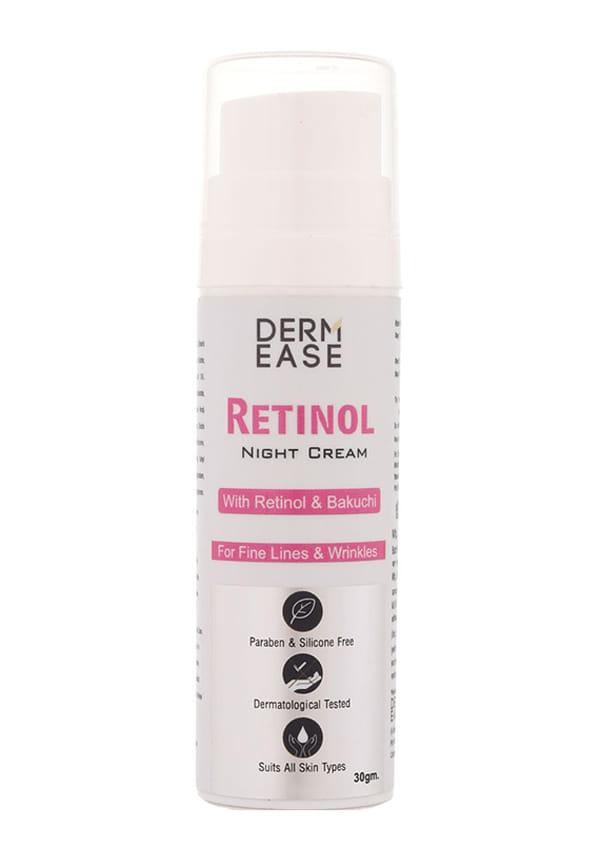
Retinol Night Cream
Nice Product
5“nice product 👌 👍 👏 😀 😎 😎”
Less is definitely more with retinol. A pea-sized amount is enough for your entire face. Apply in gentle, upward strokes, avoiding the eye area initially. Don't forget your neck—it ages too and can usually handle retinol well.
Even with careful introduction, some irritation is normal when starting retinol. The key is knowing the difference between normal adjustment and actual sensitivity that requires backing off. Mild dryness, slight redness, or occasional flaking is typical. Severe burning, persistent redness, or painful irritation means you need to slow down.
For those with retinol for sensitive skin concerns, consider starting with an even lower concentration or using retinol every third night initially. You can also try the sandwich method—apply moisturiser, then retinol, then another layer of moisturiser to buffer the effects.
Keep your routine simple when starting retinol. Stick to gentle cleansers, hydrating serums, and rich moisturisers. Ingredients like hyaluronic acid, ceramides, and peptides work beautifully alongside retinol to keep skin comfortable.
If you experience persistent irritation after two weeks, reduce frequency rather than stopping completely. Your skin might just need more time to adjust. However, if you develop a rash or severe reaction, discontinue use and consult a dermatologist.
Creating a retinol guide that works means thinking about your entire routine, not just when you apply retinol. Your morning routine becomes even more important when using retinol because sun protection is absolutely crucial.
Morning routine should include a gentle cleanser, hydrating serum, moisturiser, and broad-spectrum SPF 30 or higher. Evening routine is where retinol fits in: cleanser, wait for skin to dry, apply retinol, follow with moisturiser.
Sunscreen isn't optional when using retinol—it's essential. Retinol increases photosensitivity, making your skin more prone to sun damage. Choose a broad-spectrum SPF and reapply throughout the day if you're outdoors.
Keep it simple: cleanse, apply retinol to dry skin, wait 10-15 minutes, then moisturise. If you use other serums, apply them before retinol or on alternate nights initially.
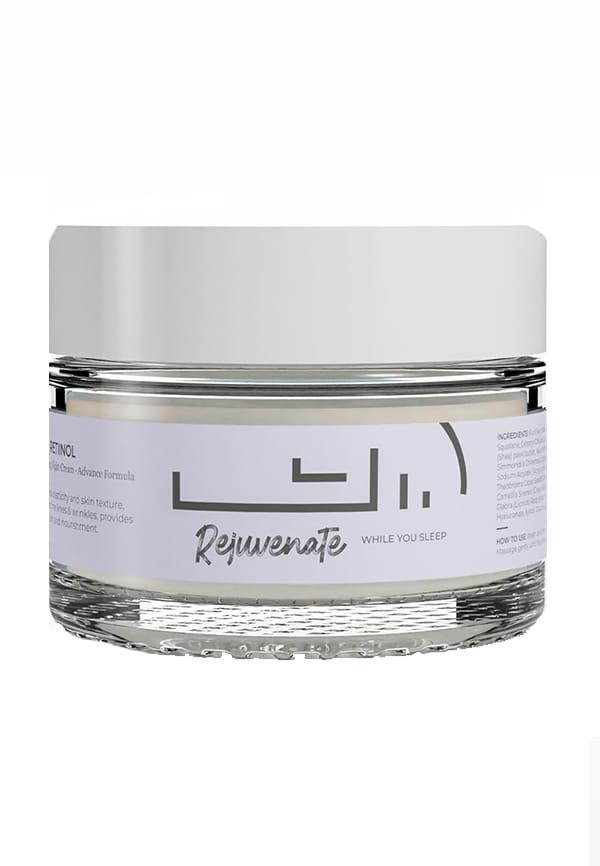
HA+Retinol Advanced Night Cream
Skip vitamin C, AHAs, and BHAs on retinol nights, especially when starting out. These combinations can increase irritation significantly. Once your skin builds tolerance, you might be able to use these ingredients on alternate nights.
Start with a 0.25% to 0.5% concentration in a gentle formulation. Look for products that include hydrating ingredients like hyaluronic acid or ceramides to minimise irritation.
The 1-2-3 rule means using retinol once a week for the first week, twice a week for the second week, and three times a week for the third week. This gradual approach helps your skin build tolerance safely.
A pea-sized amount is enough for your entire face. Using more won't give you faster results—it'll just increase the likelihood of irritation.
Yes, but start even more slowly. Consider using retinol every third night initially, or try the sandwich method by applying moisturiser before and after retinol to buffer its effects.
Most people notice improvements in skin texture within 4-6 weeks, with more significant changes in fine lines and tone appearing after 8-12 weeks of consistent use.
Reduce frequency rather than stopping completely. Use retinol every third night instead of every other night, and focus on gentle, hydrating products for the rest of your routine.
Starting your retinol journey doesn't have to be complicated or scary. The key is patience, consistency, and listening to your skin. Remember, retinol is a long-term investment in your skin's health—rushing the process usually backfires.
Finding the right retinol product for your skin type and concerns is crucial for success. Smytten makes this process easier by offering trial-sized versions of retinol products from trusted brands, so you can test different formulations without committing to full sizes. With over 1,500 brands available, you can explore various retinol options and find what works best for your skin before making a larger investment.
The beauty of starting slowly is that you're building a sustainable routine that your skin will thank you for years down the line. Whether you're dealing with early signs of ageing, uneven texture, or just want to maintain healthy skin, retinol can be a game-changer when used correctly. Take your time, be consistent, and remember—the best skincare routine is the one you'll actually stick to.
