How to Spot Early Signs of Sun Damage on Skin



Soorya Kawach Sunscreen
Your skin tells a story, and unfortunately, sun exposure writes some chapters you might not want to read. While that golden glow feels amazing in the moment, the signs of sun damage can sneak up on you years later. The thing is, by the time you notice those first age spots or fine lines, the damage has been building for ages. But here's the good news—catching these early warning signs means you can take action before things get worse. Let's dive into what to look for and how to protect your skin moving forward.
Sun damage, also known as photoaging, happens when ultraviolet (UV) radiation from the sun penetrates your skin and causes cellular damage. Think of it as your skin's way of trying to protect itself, but the defence mechanisms end up causing visible changes over time.
There are two main types of UV rays that affect your skin. UVA rays penetrate deeper into the skin and are primarily responsible for premature aging, whilst UVB rays cause sunburn and play a key role in developing skin cancer. Both types contribute to the effects of sun exposure that we see as aging signs.
The tricky part about skin damage from sun exposure is that it's cumulative. Every time you step outside without protection, you're adding to your skin's UV "bank account." Your skin remembers every beach day, every lunch break spent in the sun, and every time you forgot to reapply sunscreen. The damage builds up silently, sometimes taking years or even decades to show up as visible signs.
Spotting the early signs of sun damage can feel like detective work, but once you know what to look for, it becomes much easier. These changes often start subtly, so paying attention to your skin's texture, tone, and overall appearance is key.
Hyperpigmentation is often one of the first visible signs that your skin has had too much sun exposure. These dark patches appear when your skin produces excess melanin in response to UV damage.
Age spots and sunspots are essentially the same thing—flat, brown or black spots that typically appear on areas most exposed to the sun like your face, hands, shoulders, and arms. They're usually round or oval and can range from the size of a freckle to about half an inch across.
Melasma presents differently, appearing as larger, symmetrical patches of brown or grey discolouration, often on the cheeks, forehead, bridge of the nose, or upper lip. This condition is particularly common in women and can be triggered or worsened by sun exposure combined with hormonal changes.
Sun-damaged skin often develops a rougher, more leathery texture compared to protected areas. You might notice that your skin feels thicker or less smooth than it used to, particularly on your face, neck, and hands.
Uneven skin tone is another telltale sign. Your complexion might appear blotchy or mottled, with some areas darker or redder than others. This happens because sun exposure affects melanin production unevenly across your skin.
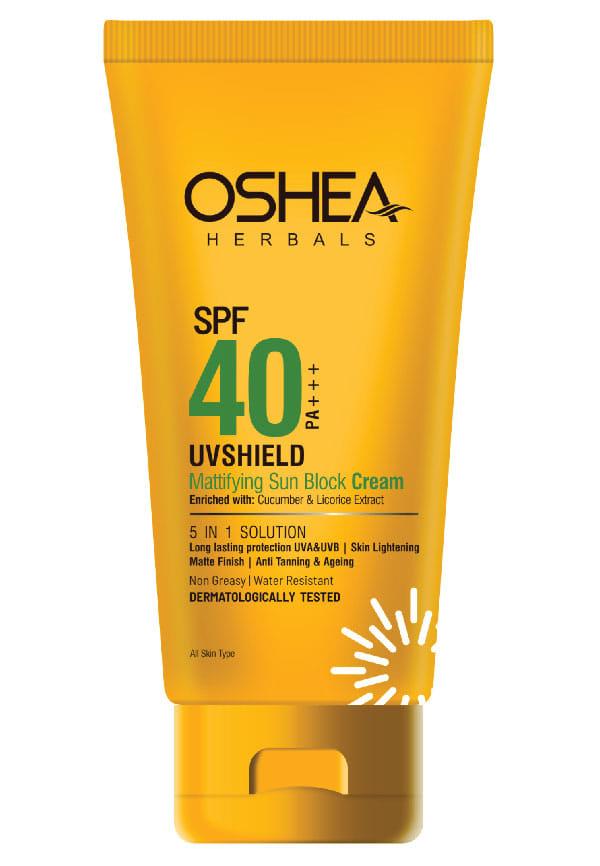
UV SHIELD MATTIFYING SUN BLOCK CREAM SPF 40 PA +++
While some wrinkles are a natural part of aging, sun damage accelerates their formation significantly. UV rays break down collagen and elastin—the proteins that keep your skin firm and elastic.
Look for fine lines around your eyes (crow's feet), on your forehead, and around your mouth. These areas are particularly vulnerable because the skin is thinner and gets more sun exposure. If you're noticing these lines earlier than expected or they seem deeper on one side of your face (perhaps the side that faces the car window during your commute), sun damage is likely the culprit.
Broken capillaries or spider veins on your face, particularly around your nose and cheeks, can indicate sun damage. These tiny blood vessels become visible when the skin around them thins due to UV exposure.
Persistent redness or a ruddy complexion that doesn't fade can also signal sun damage. This is different from temporary flushing and tends to be more noticeable in fair-skinned individuals.
Here's where things get interesting—not all skin changes are due to sun exposure. Understanding the difference between natural aging (chronological aging) and photoaging can help you identify what's actually causing your skin concerns.
Natural aging tends to cause fine, shallow wrinkles, mild loss of skin elasticity, and gradual thinning of the skin. The changes are usually uniform across your body. Photoaging, on the other hand, creates deeper wrinkles, significant texture changes, and pronounced discolouration—and these changes are most dramatic on sun-exposed areas.
Try this simple test: compare the skin on the inside of your upper arm (which rarely sees sun) to the skin on the back of your hands or your face. The difference in texture, tone, and overall appearance can be quite revealing. Areas that have been protected from the sun will typically look younger and smoother than exposed areas, even though they're the same age.
Understanding the timeline of sun damage helps put things in perspective. Some effects show up immediately, whilst others take years to develop.
Sunburn signs are your skin's immediate cry for help. These include redness, warmth, pain, and sometimes swelling. More severe burns can cause blistering and peeling. Even if the burn fades within a few days, the damage to your skin cells has already occurred.
Immediate reactions also include darkening of existing freckles or moles, and sometimes the appearance of new dark spots within days of intense sun exposure.
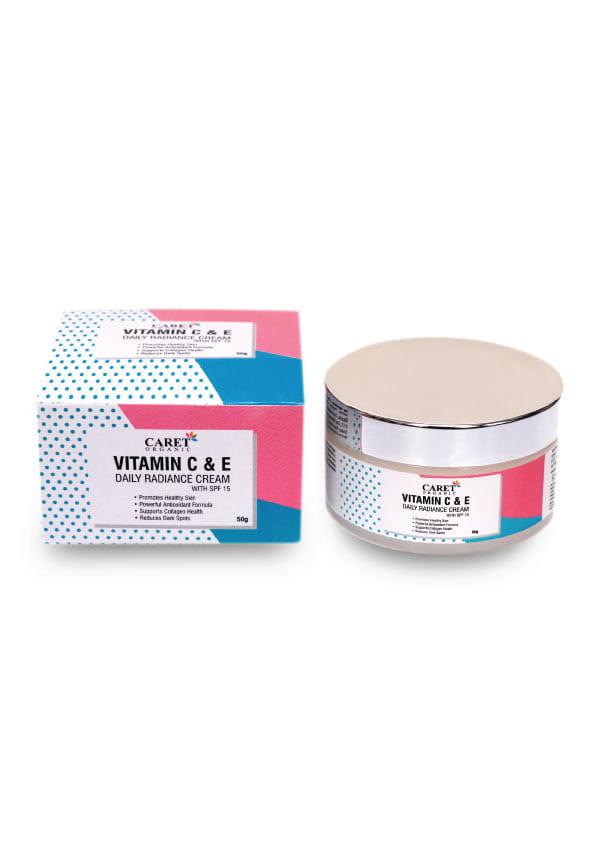
Daily Radiance Light Cream With Vitamin C, E & Spf 15 For Dark Spots & Anti- Wrinkle- No Mineral Oil , Alcohol Or Paraben
The more serious sun damage symptoms develop over years or decades of cumulative exposure. These include deep wrinkles, significant hyperpigmentation, loss of skin elasticity, and changes in skin thickness.
Advanced photoaging can also lead to precancerous changes in the skin, making regular skin checks with a dermatologist increasingly important as you age.
Whilst everyone can experience sun damage, some people are more vulnerable than others. Fair-skinned individuals with light eyes and hair typically show signs of photoaging earlier and more dramatically than those with darker skin tones.
Your lifestyle plays a huge role too. If you work outdoors, live in a sunny climate, or spend lots of time at high altitudes where UV radiation is stronger, you're at higher risk. Even your daily commute can contribute—UV rays can penetrate car windows, particularly side windows.
Certain medications can also increase your skin's sensitivity to the sun, making you more prone to damage. These include some antibiotics, blood pressure medications, and acne treatments.
The best treatment for sun damage is prevention, and it's never too late to start protecting your skin. Daily sunscreen use is non-negotiable—choose a broad-spectrum SPF of at least 30 and reapply every two hours when you're outdoors.
Don't forget about protective clothing, wide-brimmed hats, and sunglasses. Seeking shade during peak UV hours (typically 10 AM to 4 PM) can significantly reduce your exposure. Even on cloudy days, up to 80% of UV rays can penetrate through clouds, so protection is still important.
Regular self-examinations of your skin can help you spot new changes early. Take photos of any spots or moles that concern you, and don't hesitate to consult a dermatologist if you notice anything unusual.
If you're already seeing signs of sun damage, don't panic—many treatments can help improve your skin's appearance. Topical treatments like retinoids, vitamin C serums, and products containing hydroquinone can help fade dark spots and improve skin texture over time.
Professional treatments such as chemical peels, laser therapy, and intense pulsed light (IPL) can address more significant damage. These procedures work by removing damaged skin layers and stimulating the production of new, healthier skin cells.
When exploring skincare solutions, platforms like Smytten make it easier to try different products without the commitment of full-size purchases. With trial packs from trusted brands like Cetaphil and Dot & Key, you can test various treatments to see what works best for your skin before investing in full-size products.
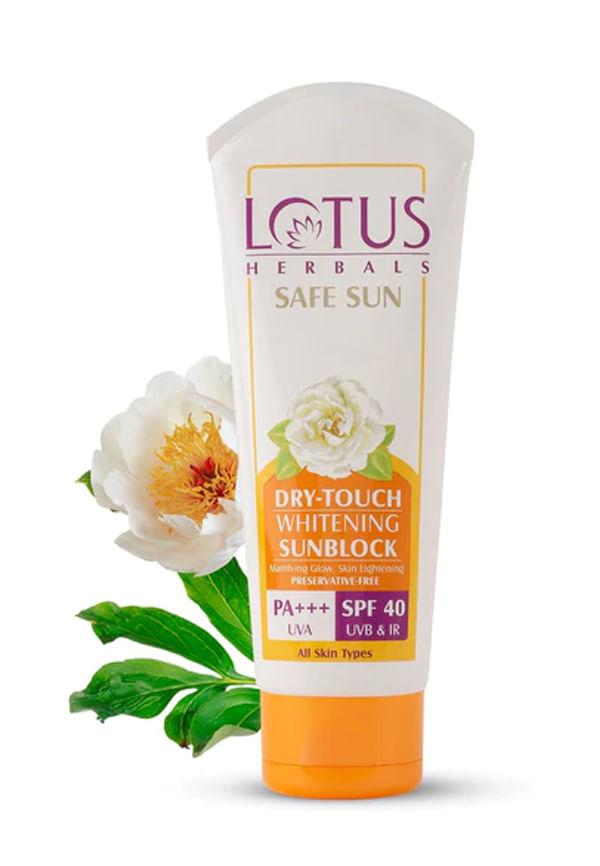
Safe Sun Dry-Touch Whitening Sunscreen SPF 40 PA+++
Sun damage can appear immediately as sunburn, but long-term signs like age spots and wrinkles typically take 10-20 years to develop. However, the damage begins accumulating from your very first sun exposure.
Whilst some sun damage can be significantly improved with proper treatment, complete reversal isn't always possible. Early intervention and consistent skincare can prevent further damage and improve existing signs.
Age spots and sunspots are actually the same thing—both terms refer to flat, brown spots caused by sun exposure. The name "age spots" is somewhat misleading since they're caused by UV damage, not aging alone.
Sun damage typically appears as flat, uniform brown spots. See a dermatologist immediately if you notice spots that are asymmetrical, have irregular borders, multiple colours, are larger than 6mm, or are changing in size, shape, or colour.
Yes, although darker skin has more natural protection against UV rays, sun damage can still occur. It may appear as hyperpigmentation, uneven skin tone, or premature aging, though it's often less noticeable than in fair skin.
UVA rays can penetrate most glass windows, so you can experience sun damage while driving or sitting by a window. However, most windshields block both UVA and UVB rays.
Recognising the early signs of sun damage is your first line of defence against more serious skin problems down the road. From hyperpigmentation and age spots to fine lines and texture changes, these warning signs tell you it's time to step up your sun protection game.
Remember, prevention is always better than treatment, but it's never too late to start taking better care of your skin. Whether you're dealing with existing damage or trying to prevent future problems, consistent daily protection and the right skincare routine can make a real difference.
If you're looking to explore new skincare products to address sun damage, Smytten's trial packs let you discover what works for your skin without the guesswork. With over 1,500 trusted brands and the ability to try up to 8 minis for just ₹249, you can find your perfect skincare routine whilst protecting your wallet. After all, why settle for 'maybe' when you can try it all and find what truly works for your skin?
