How to Soothe Shaving Irritation Fast: Quick Relief for Razor Burn

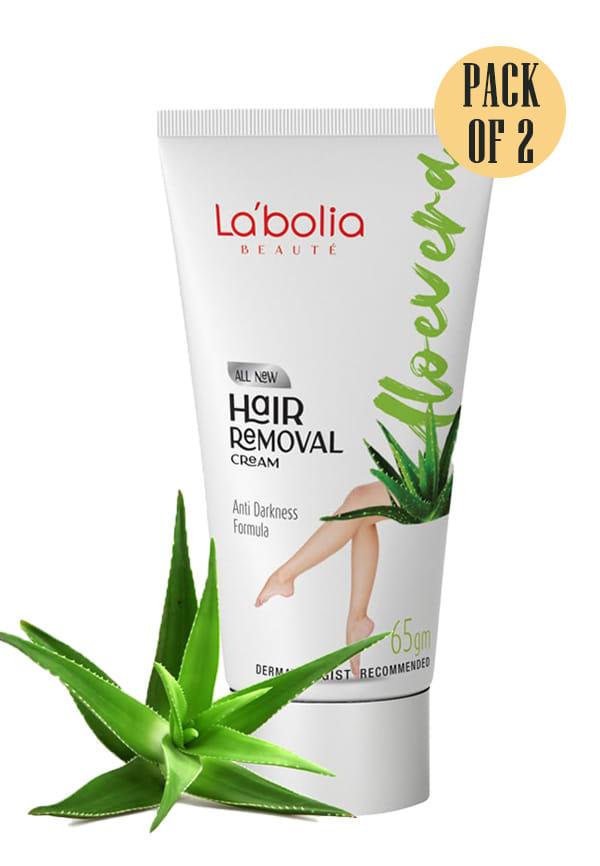
Hair Removal Cream Alo Vera
Happy with Product
 5
5“good and useful product happy one”
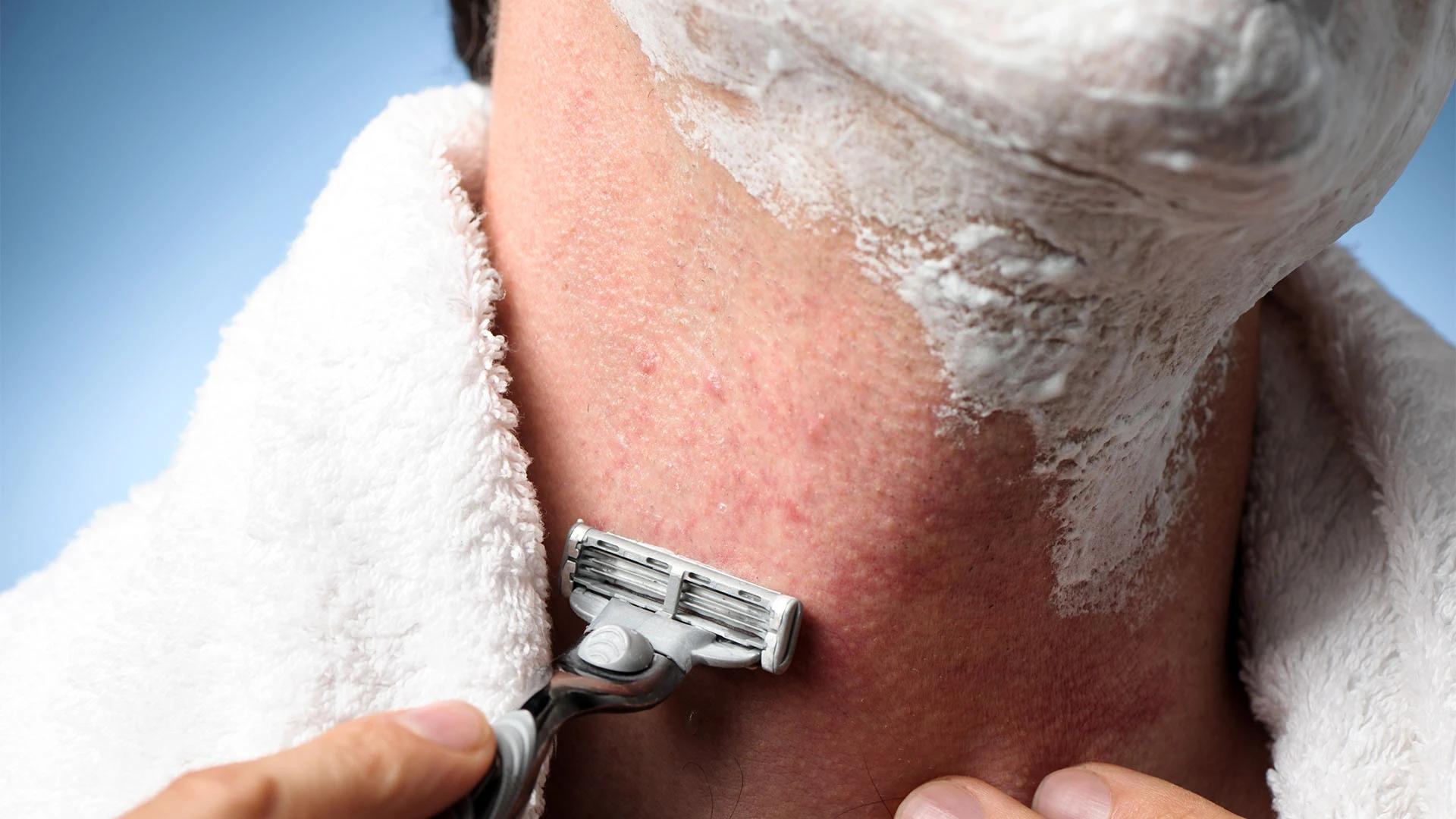
We've all been there—you finish shaving, feeling smooth and confident, only to be greeted by angry red bumps, stinging sensations, and that unmistakable razor burn. Whether it's your morning routine gone wrong or a last-minute touch-up before a night out, shaving irritation can turn a simple grooming task into a painful ordeal. The good news? You don't have to suffer through days of discomfort. Understanding how to soothe shaving irritation fast can transform your post-shave experience from painful to pleasant. From immediate cooling techniques to natural remedies that work within hours, there are proven methods to calm post-shave redness and reduce shaving bumps quickly. At Smytten, we understand that finding the right products for sensitive skin shouldn't involve expensive trial and error—that's why we offer trial packs of trusted skincare brands to help you discover what works best for your skin without the commitment.
TL;DR
Apply cold therapy immediately after shaving to reduce inflammation and numb pain—ice wrapped in cloth works within minutes
Natural remedies like aloe vera gel, oatmeal paste, and cucumber slices provide quick relief for razor burn symptoms
Over-the-counter hydrocortisone cream and witch hazel can stop razor burn immediately when applied correctly
Prevention through proper technique, quality products, and post-shave care is key to avoiding future irritation
Different body areas require tailored approaches—facial skin needs gentler treatment than legs or underarms
Shaving irritation isn't just one problem—it's actually several different skin reactions that can occur during or after hair removal. Real talk: knowing the difference between razor burn, razor bumps, and ingrown hairs is crucial for choosing the right treatment approach.
The most frequent culprit behind shaving irritation is using a dull razor blade. When your blade isn't sharp enough, it tugs at hair follicles instead of cleanly cutting through them, causing micro-tears in the skin. This leads to inflammation, redness, and that burning sensation we all dread.
Sensitive skin reactions often stem from inadequate preparation or rushing through your routine. Dry shaving, using harsh products, or applying too much pressure can all trigger irritation. Your skin needs proper lubrication and gentle handling to avoid damage during the shaving process.
Razor burn appears as immediate redness and stinging, typically showing up within minutes of shaving. It feels like a mild sunburn and usually affects larger areas of recently shaved skin. This type of irritation often resolves within 24-48 hours with proper care.
Razor bumps, on the other hand, are small, raised bumps that develop when hair grows back into the skin. These typically appear 1-3 days after shaving and can be more persistent than razor burn. Ingrown hairs create similar bumps but are specifically caused by hair curling back and growing into the follicle.
When razor burn strikes, your first line of defence should focus on reducing inflammation and providing immediate comfort. The key is acting quickly—the sooner you address the irritation, the faster you'll find relief.
Ice therapy is one of the fastest ways to reduce shaving bumps quickly and numb the stinging sensation. Wrap ice cubes in a clean cloth and apply to the affected area for 5-10 minutes. The cold temperature constricts blood vessels, reducing inflammation and providing immediate pain relief.
A cold washcloth offers a gentler alternative that's perfect for facial skin. Soak a clean flannel in cold water, wring out excess moisture, and apply to irritated areas. This method is particularly effective for sensitive skin that might react poorly to direct ice contact.
Aloe vera gel is nature's answer to inflamed skin. Its cooling properties and anti-inflammatory compounds can calm post-shave redness within minutes. Look for pure aloe vera gel without added fragrances or alcohol, which could further irritate sensitive skin.
Oatmeal paste works wonders for reducing inflammation and providing gentle exfoliation. Mix finely ground oats with cool water to create a paste, apply to irritated skin, and leave for 10-15 minutes before rinsing with cool water. This remedy is particularly effective for those with naturally sensitive skin.
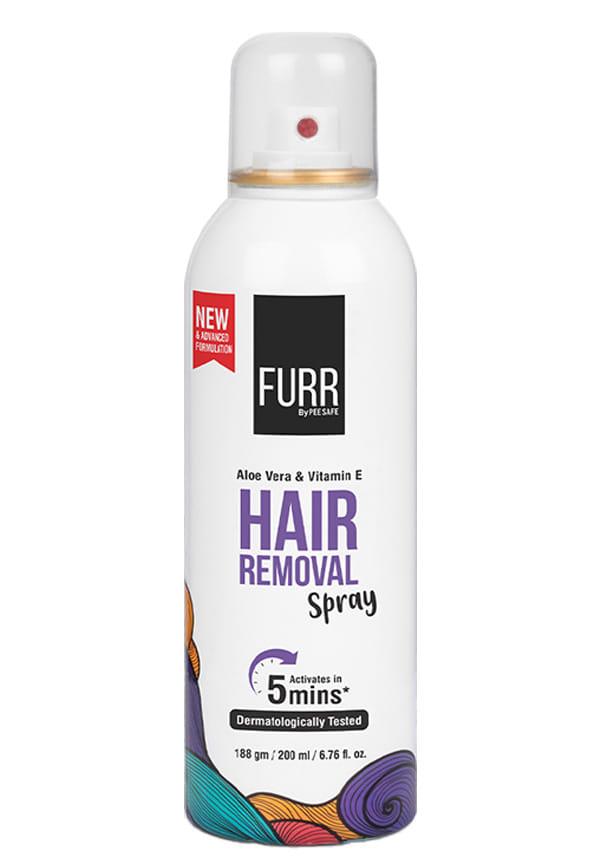
Hair Removal Spray with Vitamin E & Aloe Vera Extract
Loved, easy to use, soft skin
5“i really love it,my experience are great. Easy to use and my skin feels so soft after using it”
Hassle-Free & Skin-Friendly Hair Removal
5“Pee safe furr hair removal cream spray is so good as it's hassel free and also good for skin”
Product Works Well
5“works great on every part of ur body”
Hydrocortisone cream is a mild topical steroid that can stop razor burn immediately by reducing inflammation. Apply a thin layer to affected areas—but avoid using it on broken skin or for extended periods without consulting a healthcare professional.
Witch hazel acts as a natural astringent and anti-inflammatory agent. Its tannins help tighten skin and reduce swelling, whilst its cooling effect provides immediate comfort. Apply with a cotton pad and allow to air dry for best results.
Your kitchen likely contains several effective ingredients for treating shaving irritation. These natural remedies offer gentle yet effective relief without the potential side effects of harsh chemicals.
Apple cider vinegar's antimicrobial properties help prevent bacterial infections whilst its acetic acid content reduces inflammation. Dilute one part vinegar with three parts water and apply with a cotton pad. The initial sting subsides quickly, leaving skin feeling refreshed and less irritated.
Honey's antibacterial and moisturising properties make it excellent for treating razor rash symptoms. Mix raw honey with finely ground oatmeal to create a soothing mask. Leave on for 15-20 minutes before rinsing with lukewarm water.
Tea tree oil's antimicrobial properties help prevent infection whilst reducing inflammation. Always dilute tea tree oil—mix 2-3 drops with a tablespoon of carrier oil like jojoba or coconut oil before applying to irritated skin.
Lavender oil provides gentle anti-inflammatory benefits with a calming scent. Its compounds help reduce redness and promote healing. Mix with a carrier oil and apply sparingly to affected areas.
Create your own aftershave balm using three simple ingredients: aloe vera gel, witch hazel, and a few drops of tea tree oil. This combination provides immediate cooling relief whilst preventing bacterial growth and promoting healing.
For a richer formula, blend coconut oil with shea butter and add chamomile essential oil. This creates a protective barrier that locks in moisture whilst delivering anti-inflammatory benefits throughout the day.
Sometimes natural remedies aren't enough, and you need products specifically formulated for skincare for sensitive skin after shaving. The right products can make the difference between days of discomfort and quick recovery.
Fragrance-free moisturisers are essential for post-shave care. Look for formulations containing ceramides, hyaluronic acid, or niacinamide—ingredients that repair the skin barrier whilst providing long-lasting hydration without irritation.
Barrier repair creams containing ingredients like panthenol and allantoin help restore damaged skin quickly. These products work by supporting the skin's natural healing process whilst providing protective coverage against environmental irritants.
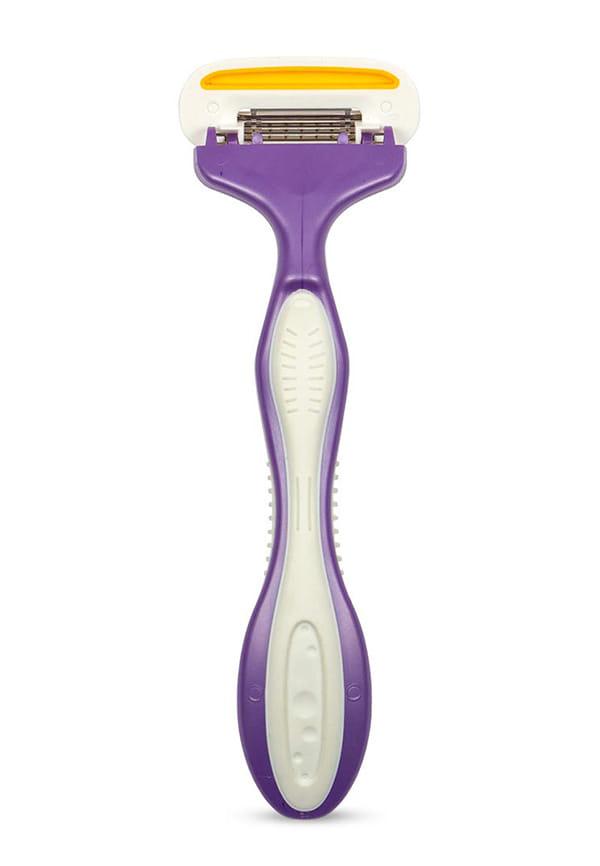
Body Shaving Razor with Aloe Vera & Vitamin E Padding
Good Grip, Neat Shave
5“Mechanical head and good grip leaves you with a good experience, tri-blade ensures every hair is shaved neatly”
Smooth & Easy Hair Removal
5“Smooth and easy hair removal. a good purchase.”
Salicylic acid products help prevent ingrown hairs by gently exfoliating dead skin cells that can trap growing hair. Use products with 0.5-2% salicylic acid concentration for effective yet gentle treatment.
Benzoyl peroxide applications can help when razor bumps become infected or inflamed. Start with a low concentration (2.5%) and apply sparingly to avoid over-drying the skin.
Quality pre-shave oils create a protective barrier between your skin and the razor. Look for oils containing jojoba, argan, or grapeseed oil—these absorb quickly without leaving a greasy residue.
Gentle shaving creams with glycerin and natural oils provide superior lubrication compared to basic foams. These products help the razor glide smoothly whilst moisturising skin throughout the shaving process.
Different areas of your body have varying skin thickness, sensitivity levels, and hair growth patterns. Tailoring your approach to each area ensures more effective treatment and faster healing.
Facial skin is thinner and more sensitive than body skin, requiring gentler treatment approaches. Use lukewarm water instead of hot, and apply products with clean hands rather than rough washcloths that could further irritate inflamed skin.
When applying makeup over irritated facial skin, use a primer designed for sensitive skin and avoid products with alcohol or strong fragrances. Mineral makeup often provides better coverage without aggravating existing irritation.
Leg and underarm skin can typically tolerate stronger treatments than facial skin. You can use slightly higher concentrations of active ingredients like salicylic acid or apply cold therapy for longer periods.
Bikini area sensitivity requires the gentlest approach of all. Use fragrance-free products exclusively, avoid tight clothing that could cause friction, and consider using a separate, sharper razor specifically for this delicate area.
Whilst treating existing irritation is important, preventing future problems is even better. Developing proper shaving habits and maintenance routines can dramatically reduce your likelihood of experiencing razor burn and bumps.
Blade angle matters more than most people realise. Hold your razor at a 30-degree angle to your skin and let the weight of the razor do the work—applying pressure only increases your risk of cuts and irritation.
Always shave in the direction of hair growth for your first pass. If you need a closer shave, reapply shaving cream and make a second pass across the grain rather than against it. This technique reduces the likelihood of ingrown hairs whilst still achieving smooth results.
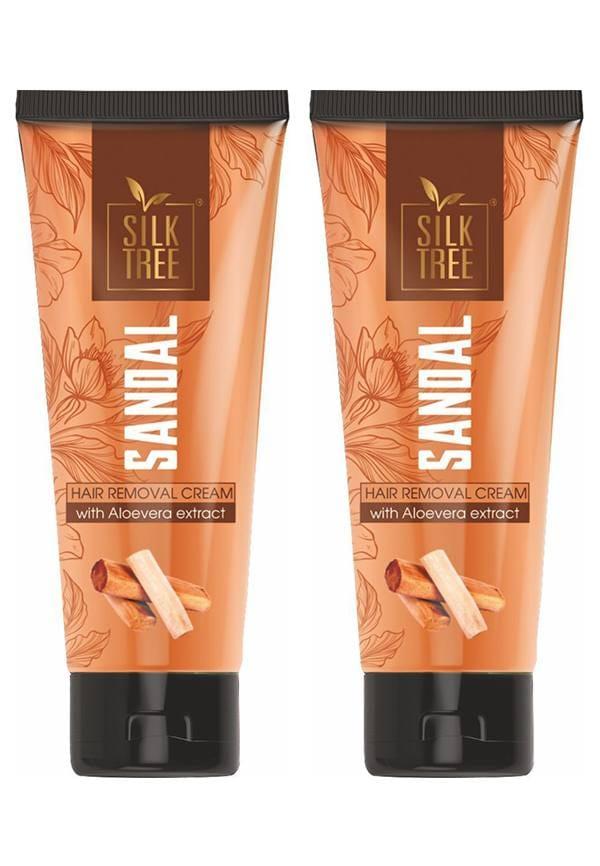
Sandal & Aloevera Extract Hair Removal Cream
Proper skin preparation is crucial for preventing irritation. Take a warm shower or apply a warm, damp towel to soften hair and open pores before shaving. This makes hair easier to cut and reduces the force needed during shaving.
Gentle exfoliation 24 hours before shaving helps remove dead skin cells that could clog pores or trap growing hair. Use a mild scrub or exfoliating glove—avoid harsh scrubbing that could create micro-tears in the skin.
Immediate aftercare sets the foundation for healthy skin recovery. Rinse with cool water to close pores, pat skin dry gently, and apply a soothing aftershave balm or moisturiser within minutes of finishing your shave.
Daily maintenance between shaves includes gentle cleansing and regular moisturising. Keep skin hydrated and healthy to make your next shaving session smoother and less likely to cause irritation.
Most shaving irritation responds to treatment within 2-4 hours when you apply cold therapy immediately followed by soothing agents like aloe vera. Severe irritation may take 24-48 hours to fully resolve, but you should notice significant improvement within the first few hours of proper treatment.
Vaseline can help protect irritated skin from further damage by creating a barrier, but it doesn't actively heal razor burn. It's best used as a protective layer over other treatments rather than as a primary remedy. For active healing, opt for products with anti-inflammatory ingredients instead.
Razor burn pain occurs because shaving creates microscopic cuts and removes the top layer of skin, exposing nerve endings. The inflammation that follows amplifies pain signals. This is why anti-inflammatory treatments like cold therapy and hydrocortisone cream provide such effective relief.
Absolutely! Smytten offers trial packs from trusted skincare brands, allowing you to test different aftershave balms and soothing products before committing to full-size purchases. This approach helps you find the perfect products for your skin type without expensive trial and error.
Oily skin responds well to witch hazel and tea tree oil treatments, whilst dry skin benefits more from honey and oatmeal masks. Sensitive skin types should stick to gentle options like aloe vera and cool compresses. Always patch test new remedies on a small area first.
Quick relief for razor burn starts with immediate cold therapy followed by natural soothing agents like aloe vera or oatmeal paste. Over-the-counter options such as hydrocortisone cream can stop razor burn immediately when applied correctly. Natural remedies from your kitchen—including apple cider vinegar, honey, and essential oils—provide effective alternatives to commercial products. Remember that different body areas require tailored approaches, with facial skin needing gentler treatment than legs or underarms. Most importantly, prevention through proper technique, quality products, and consistent post-shave care is your best defence against future irritation.
Finding the right products to soothe shaving irritation shouldn't involve expensive guesswork or painful trial and error. Smytten is India's largest product discovery and trial platform, connecting you with over 2,400 trusted beauty and skincare brands through curated trial packs. Whether you're looking for gentle aftershave balms, soothing moisturisers, or specialised treatments for sensitive skin, you can explore authentic brand-verified minis before committing to full-size purchases. With up to 10 Trial Points for just ₹279 and 100% cashback on trials redeemable for future orders, discovering your perfect post-shave routine becomes both affordable and rewarding. Available across 90% pincode coverage with PAN-India delivery, Smytten ensures you never have to settle for products that don't work for your skin. After all, why settle for 'maybe' when you can #TryItAll!
