
Skincare
•08 min read

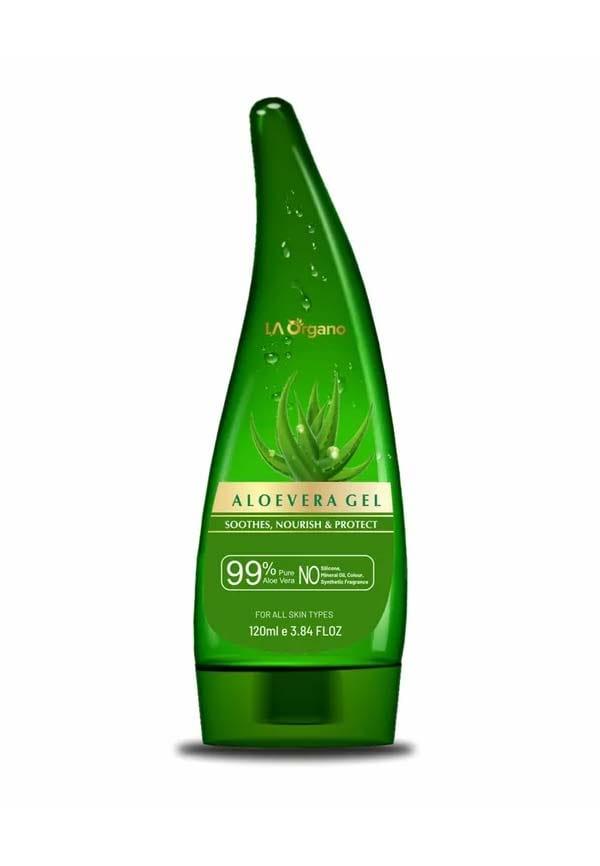
Aloe vera Multipurpose Beauty Gel
If your skin throws a tantrum every time you try something new, you're definitely not alone. Sensitive skin can be proper frustrating—one day you're glowing, the next you're dealing with redness, irritation, or that annoying tight feeling. But here's the thing: nature's got your back with one of the most gentle yet effective solutions out there. Aloe vera for sensitive skin isn't just some wellness trend—it's been soothing irritated skin for literally thousands of years. This succulent plant is like that reliable friend who always knows exactly what to say when you're having a rough day. Whether you're dealing with sudden flare-ups, ongoing sensitivity, or just want to give your skin some extra TLC, aloe vera might just become your new skincare bestie. Let's dive into why this green goddess deserves a spot in your routine and how to use it properly.
Sensitive skin is basically your skin's way of saying "I'm not having it" to certain ingredients, environmental factors, or even stress. It's more common than you'd think, and honestly, it can feel like walking through a skincare minefield sometimes.
Your skin might be sensitive for loads of reasons. Sometimes it's genetic—thanks, mum and dad—but other times it's triggered by things like harsh weather, pollution, hormonal changes, or using products with aggressive ingredients. Common signs include redness, stinging, burning, itching, or that uncomfortable tight feeling after cleansing. Your skin barrier might be compromised, making it easier for irritants to get in and moisture to escape.
Here's where it gets interesting. Aloe vera isn't just cooling—it's actually packed with compounds that your sensitive skin will absolutely love. The plant contains polysaccharides that help lock in moisture and glycoproteins that reduce inflammation. It's also loaded with vitamins A, C, and E, which are brilliant for skin repair. The gel has natural anti-inflammatory properties that can calm irritated skin almost instantly. Plus, it contains amino acids that help your skin heal faster and maintain its natural barrier function.
Unlike some skincare ingredients that can be a bit aggressive, aloe vera is incredibly gentle. It doesn't strip your skin or cause further irritation. Instead, it works with your skin's natural healing processes. This makes it perfect for those days when your skin is being particularly dramatic and can't handle anything stronger.
Let's get real about what aloe vera can actually do for your skin. It's not just hype—there's proper science backing up why this plant is such a skincare superstar.
When your skin is red and angry, aloe vera for redness works like magic. The cooling sensation you feel isn't just psychological—the gel actually helps reduce skin temperature and inflammation. It contains compounds like acemannan that actively calm irritated skin cells. Many people notice their redness reducing within minutes of application.
Beyond immediate relief, aloe vera helps repair your skin barrier over time. It promotes collagen production and helps skin cells regenerate more efficiently. This means fewer sensitivity episodes in the long run. The plant's natural healing properties work gradually to strengthen your skin's defences against future irritants.
If you're dealing with rashes or eczema flare-ups, aloe vera for irritated skin can be incredibly helpful. Its anti-inflammatory properties help reduce the itching and burning associated with skin rashes. The gel forms a protective layer that helps prevent further irritation whilst your skin heals underneath.
One of the best things about aloe vera is that it hydrates without being heavy or greasy. It's naturally lightweight and absorbs quickly, making it perfect for sensitive skin that might react to richer moisturisers. The gel helps maintain optimal moisture levels without overwhelming your skin.
Using aloe vera properly is key to getting the best results. Even though it's gentle, there are still some important steps to follow, especially if your skin is particularly reactive.
Even with something as gentle as aloe vera, patch testing is crucial. Apply a small amount to your inner wrist or behind your ear and wait 24 hours. If there's no reaction, you're good to go. This step might seem unnecessary, but trust me—it's better to be safe than sorry when you're dealing with sensitive skin.

Aloe Vera Gel
When applying aloe vera gel for face, less is often more. Start with a thin layer and gently pat it into your skin rather than rubbing vigorously. You can use it on its own or mix it with other soothing skincare ingredients like chamomile or oatmeal for extra calming benefits. Apply to clean skin and let it absorb completely before adding other products.
For specific red or irritated areas, you can apply aloe vera more generously. Focus on problem spots like around your nose, cheeks, or anywhere you're experiencing sensitivity. The key is to be gentle and let the product do its work without over-manipulating your skin.
You can use aloe vera twice daily or even more frequently if your skin is particularly irritated. It's gentle enough for multiple applications throughout the day. Many people find it especially soothing when applied after cleansing or before bed for overnight healing.
Creating a routine around aloe vera doesn't mean you have to ditch everything else. It's about finding the right balance and incorporating this powerhouse ingredient strategically.
Start your morning with a gentle cleanser, followed by aloe vera gel as a hydrating base. You can layer a lightweight moisturiser on top if needed, then finish with SPF. The aloe vera creates a protective barrier whilst providing hydration that lasts throughout the day. This combination helps shield your sensitive skin from environmental stressors.
Evening is when your skin does most of its repair work, making it the perfect time for aloe vera's healing properties to shine. After cleansing, apply a generous layer of aloe vera gel and let it work its magic overnight. You might find this is all your skin needs, or you can add a gentle night moisturiser on top.
Once or twice a week, treat your skin to an intensive aloe vera mask. Apply a thick layer and leave it on for 15-20 minutes before gently removing with a soft cloth. This gives your skin an extra dose of healing and hydration, especially helpful during stressful periods or seasonal changes.
Aloe vera plays well with other gentle ingredients. Consider mixing it with honey for extra antibacterial benefits, or with oatmeal for additional soothing properties. These natural remedies for sensitive skin work synergistically to provide comprehensive care without overwhelming your skin.
Not all aloe vera products are created equal, especially when you're dealing with sensitive skin. Knowing what to look for can make all the difference in your results.
When shopping for best aloe vera products for sensitive skin, check the ingredient list carefully. Look for products with high aloe vera content—ideally 90% or higher. Pure aloe vera gel is often the safest bet for sensitive skin, but well-formulated products can offer additional benefits. The key is finding brands that prioritise gentle, skin-friendly ingredients.
Steer clear of products containing alcohol, artificial fragrances, or harsh preservatives. These can counteract aloe vera's soothing benefits and trigger sensitivity. Also watch out for products with too many active ingredients—sometimes simple is better when your skin is reactive.
Aloe vera comes in various forms, each with its own benefits. Gels are typically the purest and most cooling, whilst creams offer additional moisturising benefits. Serums can be great for targeted treatment, and mists are perfect for on-the-go soothing. Choose based on your skin's specific needs and preferences.
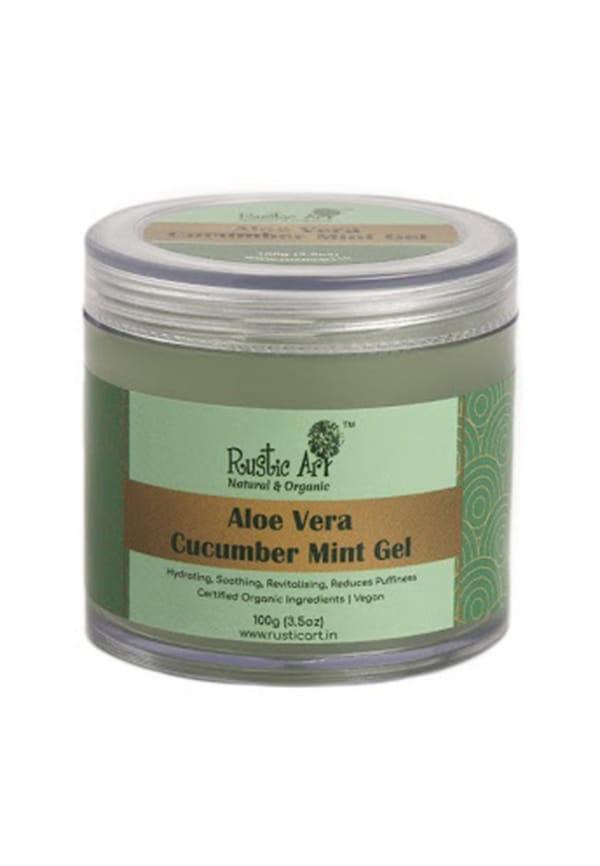
Aloe Vera Cucumber Mint Gel
Look for products that list aloe vera as one of the first ingredients, indicating higher concentration. Quality brands often specify the percentage of aloe vera and may mention whether it's organic or sustainably sourced. Avoid products with long lists of unpronounceable chemicals—your sensitive skin will thank you. This is where platforms like Smytten become incredibly valuable for sensitive skin sufferers. With access to trial-sized products from trusted brands, you can test different aloe vera formulations without committing to full-size purchases. This approach is particularly smart when you're dealing with sensitive skin, as it allows you to find what works without the risk of wasting money on products that might not suit you.
Even with something as gentle as aloe vera, there are still some pitfalls to avoid. Being aware of these can help you get the best results whilst keeping your sensitive skin happy.
Whilst rare, some people can be allergic to aloe vera. Signs include increased redness, itching, or burning after application. If you experience any of these symptoms, discontinue use immediately. This is why patch testing is so important, especially for those with known plant allergies.
Poor-quality aloe vera products can actually make sensitive skin worse. Look for products from reputable brands that follow good manufacturing practices. Avoid products that have been sitting in hot conditions or have changed colour, as this can indicate degradation or contamination.
If your skin sensitivity is severe, persistent, or getting worse despite gentle care, it's time to see a professional. A dermatologist can help identify underlying causes and recommend appropriate treatments. Don't suffer in silence—professional help can make a huge difference.
Aloe vera is generally safe to use with most skincare products, but be cautious when combining it with strong actives like retinoids or acids. These combinations might be too much for sensitive skin. When in doubt, use aloe vera on its own or consult with a skincare professional.
Whilst uncommon, aloe vera can occasionally cause reactions in people with plant allergies. Always patch test first and choose high-quality, pure products to minimise this risk.
Many people notice immediate soothing effects, but long-term improvements in skin sensitivity typically take 2-4 weeks of consistent use.
Fresh aloe can be effective, but commercial products often have better stability and safety testing. Both can work well—choose based on your preference and skin's response.
Yes, aloe vera is gentle enough for daily use. Many people with sensitive skin use it twice daily or even more frequently during flare-ups.
Aloe vera gel is typically thicker and more concentrated, making it better for topical skin application. Aloe juice is usually thinner and may contain additional ingredients.
Side effects are rare but can include allergic reactions or skin irritation in sensitive individuals. Always patch test and choose quality products.
Navigating sensitive skin doesn't have to feel like an impossible puzzle. Aloe vera for sensitive skin offers a gentle, effective solution that works with your skin rather than against it. From immediate soothing relief to long-term barrier repair, this natural ingredient has earned its place in countless skincare routines for good reason. The key to success lies in choosing quality products, using them consistently, and listening to your skin's needs. Remember, what works for others might not work for you, and that's perfectly normal. Your skin is unique, and finding the right approach takes time and patience. With platforms like Smytten, exploring different aloe vera formulations becomes much more accessible and affordable. You can discover what works for your specific skin concerns without the commitment of full-size purchases. After all, when you're dealing with sensitive skin, the ability to try before you buy isn't just convenient—it's essential for making confident, informed choices about your skincare routine.
