How to Soothe Dry Skin in Cold Winter Regions


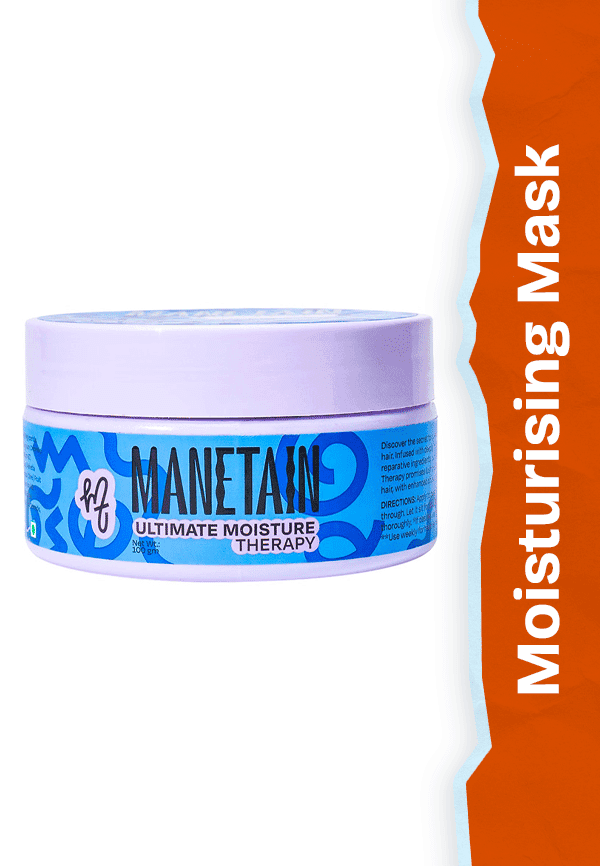
Ultimate Moisture Therapy For Deep Hydration
Winter can be absolutely brutal on your skin, especially if you're living in those properly cold regions where the temperature drops and the heating cranks up. One minute you're outside in freezing air, the next you're indoors with dry, artificial heat—and your skin is basically crying for help. If you've been dealing with that tight, flaky, sometimes downright painful dry skin situation, you're definitely not alone. Let's dive into some proper dry skin fixes for women in cold regions that actually work, because nobody should have to suffer through winter with skin that feels like sandpaper.
Real talk—cold weather is basically your skin's worst enemy, and there's actual science behind why it happens. When temperatures drop, the humidity in the air plummets too, which means there's way less moisture for your skin to grab onto. Think of it like this: cold air is basically a moisture thief that steals hydration right from your skin's surface.
But here's where it gets even more annoying—indoor heating makes everything worse. Those radiators and heaters that keep you warm? They're also sucking every bit of moisture out of the air, creating this super dry environment that leaves your skin gasping. Your skin barrier, which is supposed to keep moisture in and irritants out, starts breaking down when it's constantly battling these extreme conditions.
Women's skin tends to be a bit more sensitive to these changes too. Hormonal fluctuations can affect how well your skin holds onto moisture, and let's be honest, we're often dealing with more skincare products and makeup that can sometimes strip away natural oils. The result? That uncomfortable cycle of dryness, irritation, and sometimes even cracked skin treatment needs that seem to get worse as winter drags on.
When your skin loses moisture faster than it can replace it (hello, trans-epidermal water loss), you end up with that tight, uncomfortable feeling. Your skin cells start to shrink and separate, creating those annoying flaky patches and sometimes even painful cracks.
Sometimes you need dry skin relief right now, not next week. Whether you've got an important meeting tomorrow or you're just tired of feeling uncomfortable in your own skin, these emergency fixes can help turn things around fast.
The key is understanding that severely dry skin needs intensive hydration, not just your regular daily moisturiser. Think of it like giving your skin a proper drink of water after it's been wandering in a desert.
Start with a gentle, cream-based cleanser instead of anything foamy or gel-based. Foaming cleansers might feel satisfying, but they're stripping away oils your skin desperately needs right now.
Layer on a hydrating serum with hyaluronic acid while your skin is still slightly damp—this helps trap moisture. Follow immediately with a thick, occlusive moisturiser. We're talking about the kind that feels a bit heavy but creates a proper barrier.
For seriously cracked skin treatment, try the slugging method on affected areas. Apply a thin layer of petroleum jelly or a heavy healing ointment over your regular moisturiser before bed. Your pillowcase might not thank you, but your skin definitely will.
For hands and feet that are properly suffering, slather them in a thick cream and pop on cotton gloves or socks overnight. It's not the most glamorous look, but it works.
Winter skincare isn't just about switching to a heavier moisturiser—it's about completely rethinking your routine to work with the season, not against it. The goal is to create multiple layers of protection and hydration that can actually stand up to harsh conditions.
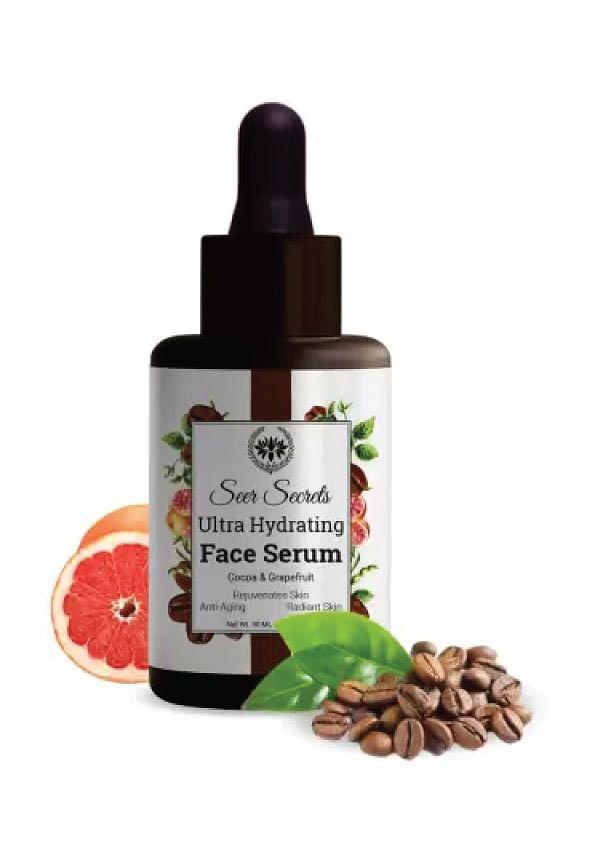
Cocoa Ultra Hydrating Face Serum
Amazing Product
 4
4“Amazing product. Really loved it.”
Think of your winter routine as building a fortress around your skin. Each product should work together to strengthen your skin barrier and lock in moisture, rather than just sitting on top doing nothing.
Start with a gentle, non-stripping cleanser—or honestly, just splash with lukewarm water if your skin is feeling particularly sensitive. Pat dry, don't rub, because friction is not your friend right now.
Apply a hydrating serum while skin is still damp, then layer on a proper moisturiser. Don't forget SPF, even in winter—snow reflects UV rays, and you don't want sun damage on top of everything else.
Double cleanse if you wear makeup, but keep it gentle. Use a cleansing oil first, then a cream cleanser. Your skin should never feel tight or squeaky clean—that's actually a sign you've stripped too much.
This is when you can bring in the big guns: richer serums, face oils, and your heaviest moisturiser. Your skin does most of its repair work while you sleep, so give it everything it needs.
Not all moisturisers are created equal, especially when you're dealing with the specific challenges of cold weather. The best moisturizers for dry skin in winter need to do more than just feel nice—they need to actually repair and protect your skin barrier.
Look for ingredients like ceramides, which help rebuild your skin barrier, and hyaluronic acid, which can hold up to 1,000 times its weight in water. Glycerin is another hero ingredient that draws moisture from the environment into your skin.
Your face moisturizer for dry skin should feel substantial but not greasy. It needs to play well with makeup if you wear it, but still provide serious hydration. Look for formulas that mention barrier repair or long-lasting hydration.
If you're dealing with sensitivity on top of dryness, stick to fragrance-free formulas with minimal ingredients. Sometimes less really is more when your skin is already stressed.
Your body lotion for dry skin can be heavier and more occlusive than what you'd use on your face. Look for thick creams rather than lightweight lotions, and apply them to slightly damp skin for better absorption.
Don't forget about often-neglected areas like elbows, knees, and heels—these spots tend to get extra dry and need extra attention.
Sensitive skin care in winter requires a bit of extra strategy. When your skin is already reactive, the last thing you want is to irritate it further with the wrong products or techniques.
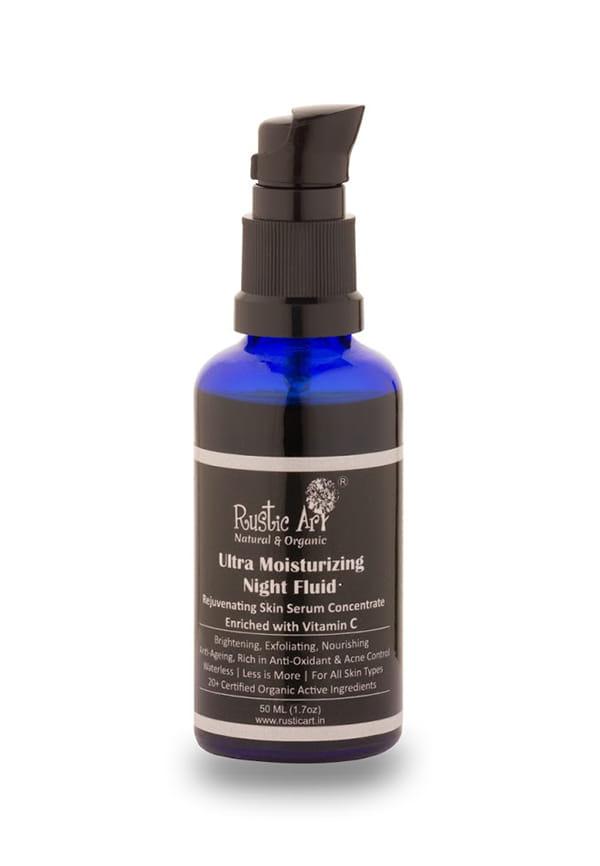
Organic Ultra Moisturizing Night Fluid
The key is building up your skin's tolerance slowly and sticking to gentle, proven ingredients. Avoid anything with strong fragrances, high concentrations of acids, or alcohol-based formulas that can further compromise your skin barrier.
Common winter irritants include wool clothing directly against skin, overly hot showers, and products with drying alcohols. Pay attention to what makes your skin feel worse and adjust accordingly.
Patch test any new products, even if they're marketed as gentle. When your skin is already compromised, it can react to things it normally wouldn't mind.
Start with the basics: a gentle cleanser, a simple moisturiser, and SPF. Once your skin feels more stable, you can slowly introduce other products like serums or treatments.
Remember, consistency beats intensity when it comes to sensitive skin care. It's better to use gentle products religiously than to go hard with active ingredients that might backfire.
Sometimes the best skin hydration tips have nothing to do with what you put on your skin and everything to do with your environment and habits. Small changes can make a surprisingly big difference in how your skin feels and looks.
Your living space plays a huge role in your skin's health during winter. Investing in a good humidifier can be a game-changer—aim for 40-60% humidity in your bedroom and main living areas.
Turn down your thermostat a degree or two and add layers instead. Excessive heat dries out the air and your skin. When you shower, keep the water warm but not scalding hot, and limit shower time to 5-10 minutes.
Choose natural fibres like cotton and silk for clothing that touches your skin directly. Wool and synthetic materials can be irritating when your skin is already sensitive.
Drink plenty of water, obviously, but also consider foods rich in omega-3 fatty acids and antioxidants. Your skin needs building blocks for repair, and good nutrition provides them.
Limit alcohol and caffeine, which can be dehydrating, and consider a humidifier in your bedroom for overnight moisture.
Finding the right products for your specific skin needs can feel overwhelming, especially when you're dealing with seasonal changes. This is where platforms like Smytten become incredibly useful—you can try mini versions of different moisturisers, serums, and treatments without committing to full-size products that might not work for you.
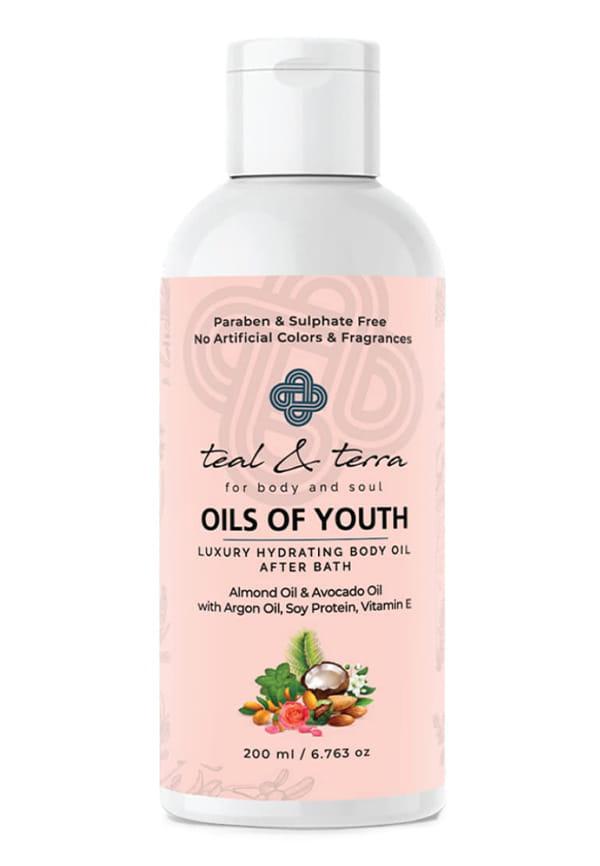
Luxury Hydrating After Bath Body Oil for Men and Women
With over 1,500 trusted brands including skincare favourites like Cetaphil and Dot & Key, you can explore different formulations and find what actually works for your skin in cold weather. The trial approach is particularly smart for winter skincare because your needs might be completely different from what works in summer.
With consistent care, you should notice some improvement within 3-5 days, but full recovery can take 2-4 weeks depending on how damaged your skin barrier is. The key is sticking to your routine even when you start feeling better.
Generally, it's better to use separate products. Face moisturisers are formulated for the thinner, more sensitive facial skin, while body lotions can be heavier and might clog facial pores.
Steer clear of products with alcohol denat, strong fragrances, sulfates, and high concentrations of acids like glycolic or salicylic acid until your skin barrier is repaired.
Less is more with winter exfoliation. Once a week with a very gentle exfoliant is plenty—over-exfoliating will make dryness worse by damaging your already compromised skin barrier.
Not necessarily. Some drugstore brands have excellent formulations for dry skin. Focus on ingredients and how your skin responds rather than price tags. Sometimes simple, affordable formulas work better than complex expensive ones.
If your skin is cracking, bleeding, showing signs of infection, or not improving after 4-6 weeks of consistent care, it's time to see a professional. You might be dealing with eczema or another condition that needs medical treatment.
Dealing with dry skin in cold regions doesn't have to be a winter-long struggle. The key is understanding that your skin needs different care when the weather gets harsh, and being willing to adjust your routine accordingly. Start with the basics—gentle cleansing, proper hydration, and barrier protection—then build from there based on what your skin tells you it needs.
Remember, finding the right products often takes some trial and error, which is why trying minis before committing to full sizes makes so much sense. Smytten's approach of letting you test products from trusted brands means you can discover what actually works for your skin without the frustration of wasted money on products that don't deliver.
Your skin is unique, and what works for someone else might not work for you—but with patience, the right products, and consistent care, you can absolutely get through winter with comfortable, healthy skin. Don't settle for suffering through the cold months when there are so many effective solutions available.
