How to Shop for the Best Organic Face Cream for Your Skin


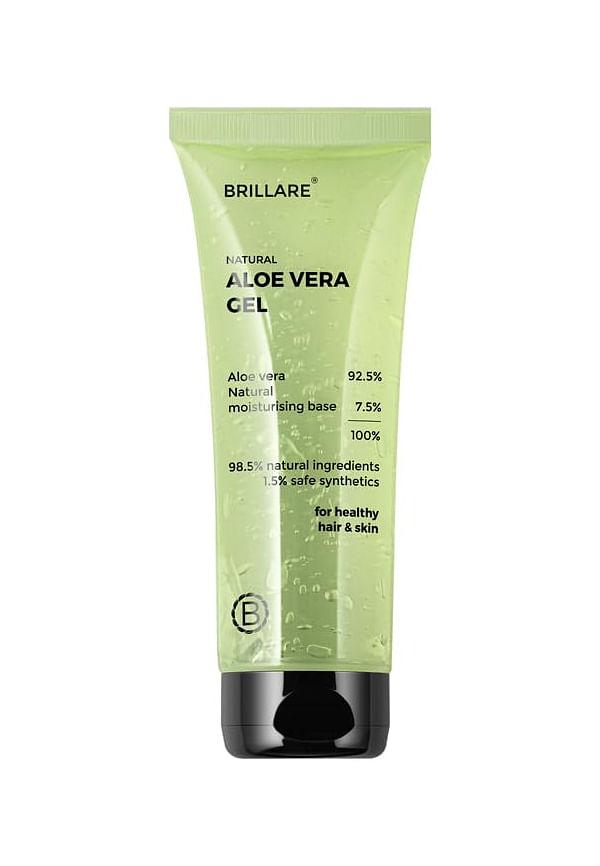
Natural Aloe Vera Gel - Ultimate Moisturiser for Face, Hair & Skin
Amazing Aloe Vera Gel
 5
5“amazing product 👏🏻 best ever aloevera gel”
Excellent Product!
5“It is a very good product. i loved it”
Love the product
5“It's so good. I love it. ... ”
Shopping for the perfect organic face cream can feel like navigating a maze of confusing labels, fancy marketing claims, and endless ingredient lists. With the skincare market flooded with products claiming to be "natural" or "organic," how do you actually find something that works for your skin without breaking the bank? Let's break down everything you need to know to shop organic face cream like a pro. From understanding what makes a product truly organic to finding the right formula for your specific skin type, we'll help you make confident choices that your skin will thank you for.
Before you start filling your cart with products labelled "organic," it's worth understanding what this term actually means in the skincare world. Real talk—not all products claiming to be organic actually meet the strict standards you might expect.
The gold standard for organic certification is USDA Organic, which requires at least 95% of ingredients to be organically produced. This means no synthetic pesticides, herbicides, or artificial fertilisers were used in growing the plant-based ingredients. Other certifications like COSMOS Organic or Soil Association also carry weight, but they might have slightly different requirements.
Here's where it gets tricky—terms like "natural," "plant-based," or "derived from nature" don't necessarily mean organic. A product can be 100% natural but still not meet organic standards if the plants were grown using conventional farming methods. When you shop organic face cream, look for specific certification logos rather than just marketing buzzwords.
Watch out for products that only contain a tiny percentage of organic ingredients but still market themselves as organic skincare. Some brands might include just one or two organic components whilst the rest of the formula contains conventional ingredients. Always check the ingredient list—organic components are usually marked with an asterisk or clearly stated.
Now that you know how to spot genuinely organic products, let's talk about what ingredients actually make a difference for your skin. The best organic face cream should contain powerhouse ingredients that deliver real results, not just feel-good marketing.
Hyaluronic acid from plant sources is your skin's best friend for hydration. Unlike synthetic versions, plant-derived hyaluronic acid tends to be gentler whilst still holding up to 1,000 times its weight in water. Look for organic oils like jojoba, argan, and rosehip—these aren't just trendy, they're scientifically proven to support your skin barrier.
Botanical extracts like green tea, chamomile, and calendula bring antioxidant power to your organic moisturiser. These ingredients help protect against environmental damage whilst soothing irritation.
Vitamin C from natural sources like kakadu plum or acerola cherry can be more stable and less irritating than synthetic versions. For those wanting anti-aging benefits without harsh chemicals, look for organic retinol alternatives like bakuchiol or sea buckthorn.
Plant-based peptides from sources like rice or quinoa can help stimulate collagen production naturally. These tend to be gentler than synthetic peptides whilst still delivering visible results.
If you have sensitive skin, prioritise face cream for sensitive skin with ingredients like organic chamomile, aloe vera, and oat extract. These natural soothers can calm irritation without the risk of synthetic fragrances or preservatives causing reactions.
For dry skin, look for rich organic ingredients like shea butter, coconut oil, and plant-derived ceramides. Oily skin types should seek lightweight formulas with tea tree oil, niacinamide from natural sources, or willow bark extract.
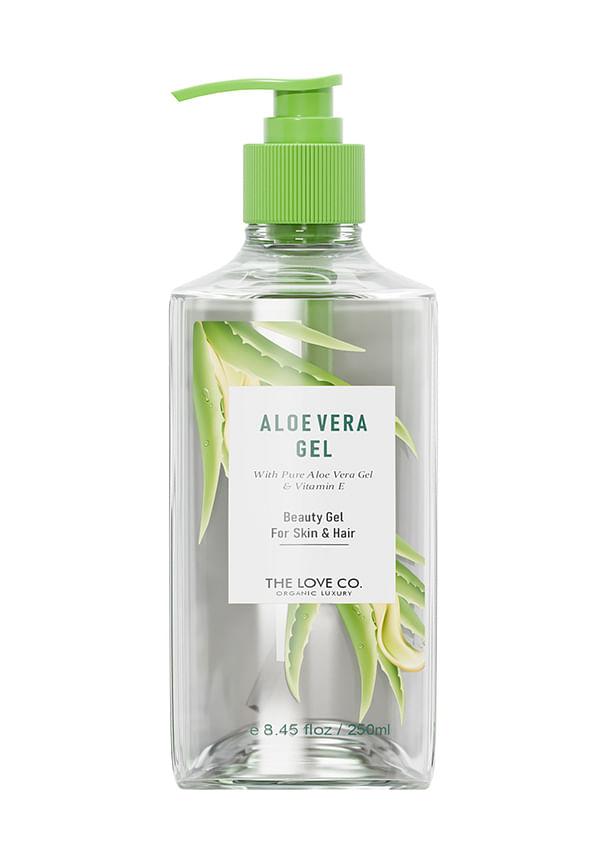
Aloe Vera Gel For Face - Organic Aloe Vera Gel For Face, Skin and Hair
Good for Skin & Hair
5“Good for your skin and hair. It is moisturizing and effective.”
Good Product, Worth Money
5“the product is good worth for money”
Nice Product, Fragrant & Good for Body
4“nice product , has fragrance but good for body”
Finding your perfect match isn't just about going organic—it's about understanding what your skin actually needs. The wrong formula, even if it's the most expensive organic option available, won't give you the results you're after.
Here's a simple test: wash your face with a gentle cleanser, pat dry, and wait an hour without applying any products. If your skin feels tight and looks flaky, you likely have dry skin. If you notice shine on your T-zone but the rest feels normal, you've got combination skin. Oily skin will show shine across your entire face, whilst sensitive skin might feel irritated or look red.
For dry skin, look for rich, oil-based organic formulas with ingredients like avocado oil, shea butter, and plant-derived squalane. These create a protective barrier that locks in moisture throughout the day.
Oily and combination skin types should opt for lightweight, gel-based organic moisturisers. Ingredients like aloe vera, green tea extract, and jojoba oil (which actually helps regulate sebum production) work brilliantly without clogging pores.
If you have sensitive skin, stick to fragrance-free formulas with minimal ingredients. Look for organic face creams with chamomile, calendula, and colloidal oatmeal—these are tried-and-tested soothers.
Your skin's needs change with the weather, so your organic face cream might need to as well. Winter calls for richer formulas with more oils and butters, whilst summer might require lighter, more breathable textures. Having two different organic moisturisers for different seasons isn't excessive—it's smart skincare.
Knowing what to look for is only half the battle—you also need to know where to find authentic, high-quality organic beauty products. With so many options available, from high-street stores to online platforms, making the right choice can feel overwhelming.
Reputable online platforms often offer the widest selection and detailed ingredient lists. Look for retailers that provide comprehensive product information, customer reviews, and clear return policies. Health food stores and speciality beauty retailers typically have knowledgeable staff who can guide your choices.
When shopping online, stick to authorised retailers or buy directly from brand websites to avoid counterfeit products. This is especially important for organic skincare, where authenticity directly impacts both safety and effectiveness.
Here's the thing about organic face cream pricing—you're often paying for quality ingredients, ethical sourcing, and smaller production batches. However, expensive doesn't always mean better. Some mid-range organic brands offer excellent formulations that rival luxury options.
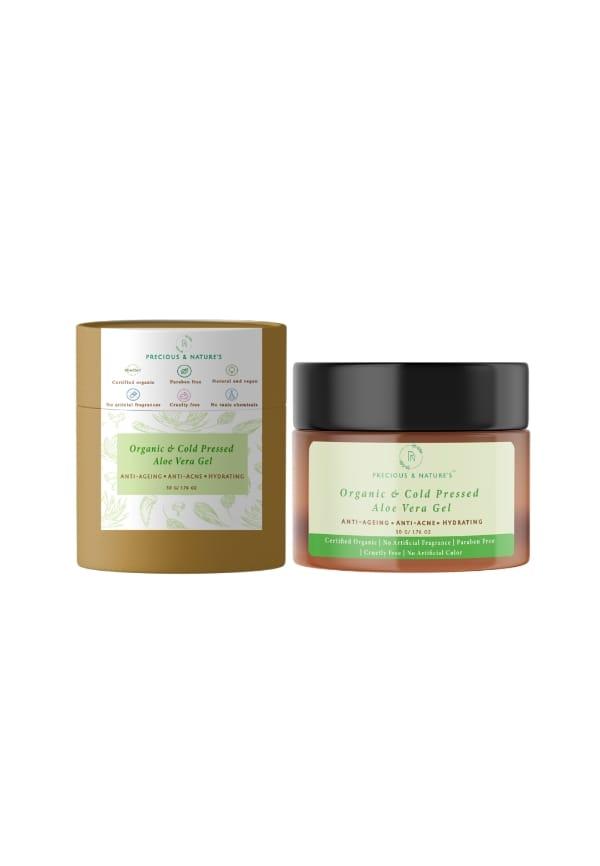
Organic & Cold-Pressed Pure Aloe Vera Gel
Consider the cost per use rather than just the upfront price. A ₹2,000 organic face cream that lasts three months might offer better value than a ₹800 cream you finish in four weeks. Look for brands that offer trial sizes—this lets you test products without committing to full-size purchases.
Customer reviews can be goldmines of information, but read them critically. Look for detailed reviews that mention skin type, specific concerns, and how long the reviewer used the product. Be wary of reviews that seem overly positive or negative without specific details.
Third-party testing results and dermatologist recommendations add credibility to organic skincare claims. Some brands publish clinical study results on their websites—these are worth checking if you're investing in a premium product.
Shopping for organic face cream often goes hand-in-hand with wanting products that align with your values. Understanding different ethical certifications helps you make choices that feel good inside and out.
The Leaping Bunny certification is the gold standard for cruelty-free products, requiring no animal testing at any stage of product development. Vegan face cream contains no animal-derived ingredients, whilst vegetarian products might include ingredients like beeswax or lanolin.
Look for sustainable packaging options like refillable containers, recycled materials, or biodegradable tubes. Some brands now offer packaging-free solid face creams or concentrated formulas that reduce environmental impact.
The best ethical brands are transparent about their ingredient sourcing, manufacturing processes, and environmental impact. Look for companies that support fair trade practices, invest in community development, or contribute to environmental conservation efforts.
Many innovative brands now offer non-toxic face cream options that are both effective and environmentally responsible. These companies often provide detailed information about their supply chains and sustainability practices on their websites.
Not all organic face creams are created equal, and some marketing tactics can be downright misleading. Knowing what to avoid can save you money, disappointment, and potential skin reactions.
Watch out for products containing parabens, sulphates, synthetic fragrances, or mineral oil—these ingredients contradict the whole point of choosing organic skincare. Some brands use "greenwashing" tactics, packaging conventional products in earth-tone colours with nature-inspired names whilst the actual formula contains mostly synthetic ingredients.
Be sceptical of unrealistic claims like "instant results" or "miracle cure." Good organic skincare works gradually and gently. If a product promises dramatic overnight changes, it's probably too good to be true.
Always patch test new organic products, even if they're marketed as gentle. Natural doesn't automatically mean non-allergenic—some people are sensitive to specific plant extracts or essential oils. Apply a small amount to your inner wrist and wait 24 hours before using on your face.
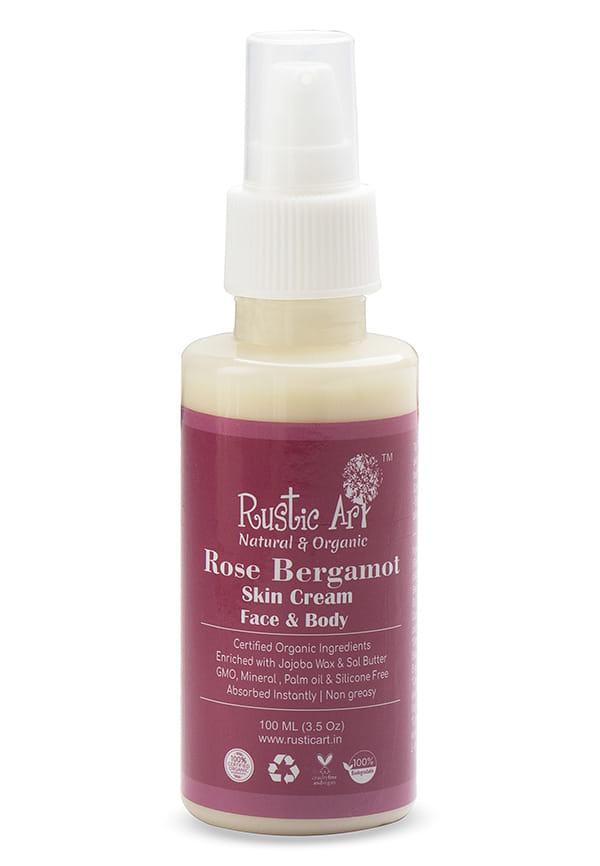
Organic Rose Bergamot Skin Cream - Face & Body Mini
If you have specific skin conditions like eczema, rosacea, or severe acne, consult a dermatologist before switching to organic skincare. They can help you identify ingredients that might trigger reactions and recommend suitable organic alternatives.
This is where platforms like Smytten become incredibly valuable for discovering your perfect organic face cream. With curated trial packs from over 1,500 trusted brands, you can explore different organic formulations without the commitment of full-size purchases. The platform's trial system lets you test products like plant-based skincare options and eco-friendly formulas before deciding what works for your skin.
Organic face cream can be gentler and more environmentally friendly, but "better" depends on your skin's specific needs. Some people see dramatic improvements switching to organic, whilst others might need specific active ingredients only available in conventional formulas. The key is finding what works for your skin type and concerns.
Most organic face creams show initial hydration benefits within a few days, but significant improvements typically take 4-6 weeks of consistent use. Organic ingredients often work more gradually than synthetic actives, so patience is key. If you're not seeing any positive changes after 8 weeks, it might be time to try a different formula.
Yes, even organic products can cause breakouts if they contain ingredients your skin doesn't tolerate well. Common culprits include coconut oil, certain essential oils, or rich butters that might clog pores. Always introduce new products gradually and patch test first.
Switch one product at a time, starting with your moisturiser. Use your new organic face cream for at least two weeks before introducing other organic products. This helps you identify which products work well and which might cause reactions. Don't rush the process—your skin needs time to adjust.
Not necessarily. Price often reflects packaging, marketing, and brand positioning rather than just ingredient quality. Some affordable organic brands offer excellent formulations, whilst some luxury products might contain mostly basic ingredients with a few expensive additions. Focus on the ingredient list and your skin's response rather than price alone.
Most organic face creams should be stored in a cool, dry place away from direct sunlight. Some products with minimal preservatives might benefit from refrigerator storage, especially in hot climates. Always use clean hands or a spatula to avoid contaminating the product, and check expiry dates regularly—organic products often have shorter shelf lives than conventional ones.
Shopping for the right organic face cream doesn't have to be overwhelming once you know what to look for. Focus on understanding your skin type, reading ingredient lists carefully, and choosing products from reputable brands with proper certifications. Remember that the most expensive option isn't always the best—sometimes a simple, well-formulated organic moisturiser works better than a complex luxury cream.
The beauty of organic skincare lies in its gentle effectiveness and environmental benefits. Whether you're drawn to vegan face cream options, cruelty-free formulations, or simply want to reduce your exposure to synthetic chemicals, there's an organic solution that can work for your skin.
With Smytten's extensive collection of trial-sized organic beauty products, you can explore different brands and formulations risk-free. The platform's trial system means you can discover your perfect organic face cream without the guesswork—try multiple options, find what works, and then invest in the full-size version. After all, why settle for maybe when you can try it all and find exactly what your skin loves?
