How to Shield Skin from Winter Pollution Damage


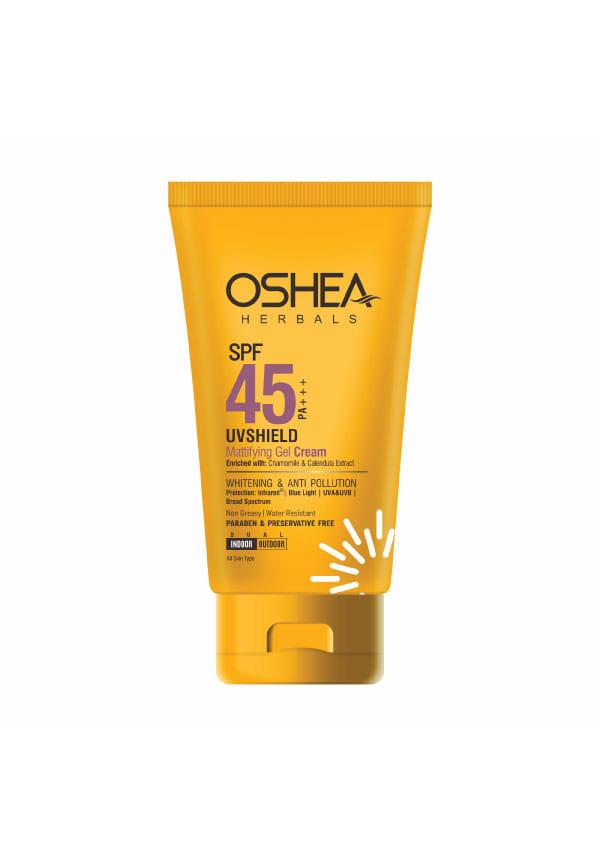
Spf 45 Pa +++ Uv Shield Mattifying Gel Cream
Good Screen, Good Result
 4
4“acchi screen hai achcha result hai”
Good Screen, Good Result
4“acchi screen hai achcha result hai”
Good Screen, Good Result
4“acchi screen hai achcha result hai”
Winter's here, and whilst we're all reaching for cosy jumpers and hot chocolate, our skin is fighting a completely different battle. The cold air doesn't just make your cheeks rosy—it actually makes pollution damage way worse. Think about it: when your skin barrier is already compromised from the harsh weather, those nasty pollutants have an easier time sneaking in and causing havoc. If you live in any major city, you've probably noticed your skin looking duller, feeling more irritated, or breaking out more during winter months. That's not just the cold—it's the double whammy of environmental stress and winter weather working against you. But here's the thing: with the right anti-pollution skincare in winter approach, you can actually shield your skin and keep it glowing all season long.
Let's be real—winter air is basically a pollution trap. When temperatures drop, the air becomes denser, which means all those nasty particles like PM2.5, car exhaust, and industrial pollutants hang around much closer to the ground. And guess what's right there in the firing line? Your face.
Your skin barrier is already working overtime during cold weather skincare season. The combination of indoor heating, harsh winds, and low humidity strips away your skin's natural protective oils. This leaves tiny gaps in your barrier—perfect entry points for pollutants to sneak in and cause inflammation, premature ageing, and breakouts.
Research shows that when your skin is compromised by cold weather, it absorbs up to 40% more environmental toxins than healthy, well-moisturised skin. That's why your usual summer skincare routine just won't cut it when winter rolls around. You need a proper urban skincare strategy that tackles both the cold and the grime.
Here's what's actually happening to your skin: pollutants create free radicals that break down collagen and elastin. In winter, your skin's natural antioxidant defences are already weakened, so these free radicals have a field day. Plus, the cold weather slows down your skin's natural repair processes, meaning damage accumulates faster than your skin can fix it.
Not all pollution is created equal, and knowing what you're up against helps you fight back better. The main culprits wreaking havoc on your skin include PM2.5 particles (those tiny bits that penetrate deep into pores), nitrogen dioxide from traffic, and ozone that forms when sunlight hits other pollutants.
During winter, these pollutants don't just sit on your skin's surface—they actually penetrate deeper because your barrier is compromised. Think of it like trying to keep rain out of a house with broken roof tiles. Your skin's natural defence system is already struggling with the cold, so it can't properly block out environmental nasties.
The telltale signs your skin is suffering from environmental stress skincare issues include persistent dullness, increased sensitivity, more frequent breakouts, and that tight, uncomfortable feeling that no amount of moisturiser seems to fix. If any of this sounds familiar, it's time to level up your pollution skincare game.
Your skin barrier is like a brick wall—when it's healthy, the 'bricks' (skin cells) are tightly packed with 'mortar' (natural oils and ceramides). Winter weather loosens this mortar, creating gaps that pollutants slip through easily.
Right, let's talk about the heroes that'll actually protect your skin. When building your winter skincare arsenal, you want ingredients that do double duty—fighting pollution whilst keeping your skin properly hydrated and protected.
Antioxidants are your first line of defence. Vitamin C neutralises free radicals before they can damage your skin, whilst niacinamide strengthens your barrier and reduces inflammation. Vitamin E works brilliantly with vitamin C to create a protective shield against environmental damage.
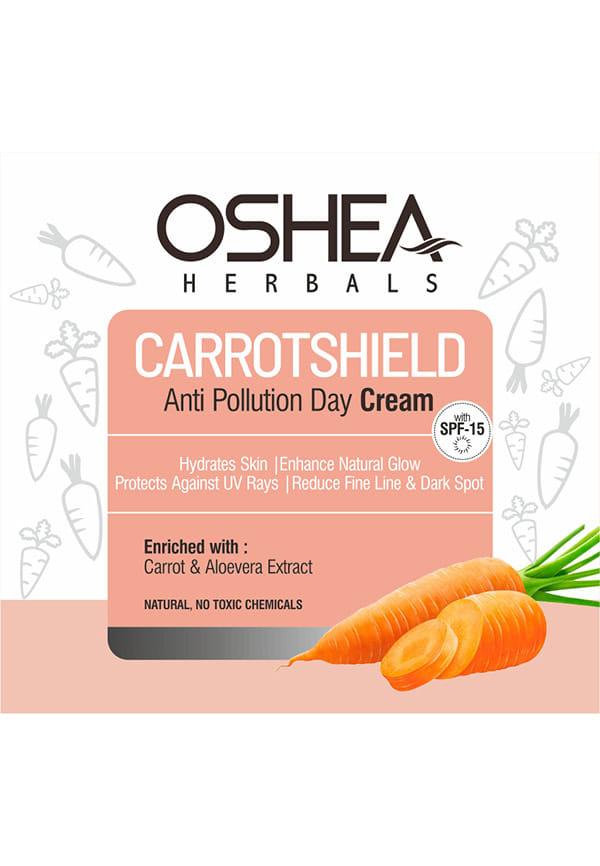
Carrotshield Anti-Pollution Day Cream
For proper barrier repair skincare, look for ceramides and hyaluronic acid. Ceramides literally fill in those gaps in your skin barrier, whilst hyaluronic acid pulls moisture from the air to keep your skin plump and protected. These ingredients are absolute game-changers for hydrating winter skincare routines.
Don't sleep on pollution-fighting actives like activated charcoal and clay minerals. These work like magnets, pulling pollutants out of your pores during cleansing. Green tea extract and resveratrol are brilliant natural options that provide antioxidant protection whilst being gentle enough for sensitive winter skin.
The magic happens when you layer these ingredients properly. Start with vitamin C in the morning, follow with niacinamide, then seal everything in with a ceramide-rich moisturiser. This creates multiple layers of protection against both pollution and winter weather.
Here's where it gets practical. Your winter skin protection routine needs to be like a well-choreographed dance—each step building on the last to create maximum protection without overwhelming your skin.
The key is consistency and gentleness. Your skin is already stressed from the cold, so harsh scrubs or aggressive treatments will only make things worse. Instead, focus on gentle but effective products that remove pollution whilst supporting your skin's natural repair processes.
Start with a gentle cleanser that removes overnight pollutant buildup without stripping your skin. Follow with a vitamin C serum—this creates an antioxidant shield that lasts all day. Next, apply a niacinamide treatment to strengthen your barrier, then layer on a hydrating moisturiser with ceramides.
Never skip SPF, even in winter. UV rays bounce off snow and penetrate clouds, plus they interact with pollutants to create even more free radical damage. Finish with a pollution-blocking primer if you wear makeup—these create a physical barrier that prevents particles from settling into your pores.
Double cleansing is non-negotiable for skincare for polluted cities. Start with an oil-based cleanser to dissolve makeup and pollution, then follow with a gentle water-based cleanser. This ensures you're actually removing the day's grime, not just moving it around.
Two to three times a week, use a gentle exfoliant to remove dead skin cells and prevent pollutants from clogging your pores. Follow with a hydrating treatment mask or overnight repair serum packed with barrier repair skincare ingredients.
Your skincare routine is just one piece of the puzzle. Creating a pollution-protective lifestyle means thinking about your environment, diet, and daily habits too.
Indoor air quality matters more than you might think. Invest in a good air purifier for your bedroom—you spend 6-8 hours there every night, and clean air helps your skin repair itself properly. Plants like snake plants and peace lilies also naturally filter indoor air.
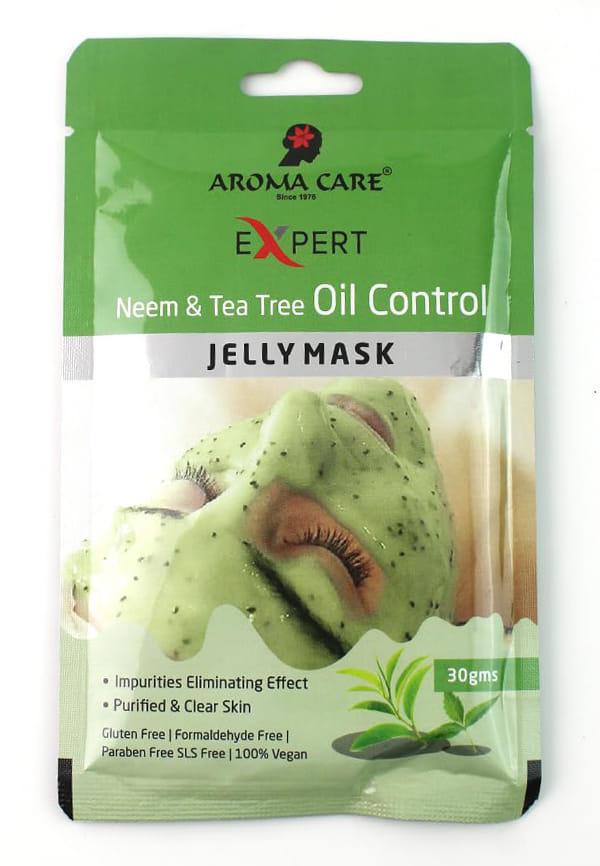
Neem & Tea Tree Oil Control
What you eat directly impacts your skin's ability to fight pollution. Load up on antioxidant-rich foods like berries, leafy greens, and green tea. These provide internal protection that works alongside your topical anti-pollution beauty products.
Timing your outdoor activities can make a huge difference. Pollution levels are typically highest during rush hours and lowest in the early morning or late evening. If you're exercising outdoors, try to avoid peak traffic times when possible.
A silk or satin scarf wrapped around your lower face creates a barrier against wind and pollution whilst being gentle on your skin. Unlike wool or cotton, these fabrics won't irritate already-sensitive winter skin.
Let's talk about what not to do, because honestly, some of the most common skincare advice can actually make pollution damage worse during winter.
Over-cleansing is probably the biggest mistake. Yes, you need to remove pollution, but stripping your skin with harsh cleansers or washing more than twice daily will only weaken your barrier further. Stick to gentle, pH-balanced cleansers that clean without compromising your skin's natural protection.
Another major error is thinking you can skip moisturiser because the air feels humid from pollution. That's not the kind of moisture your skin needs. Polluted air actually dehydrates your skin, so proper hydrating winter skincare is more important than ever.
Don't forget about your neck, hands, and any other exposed areas. These spots are just as vulnerable to pollution damage but often get neglected in our skincare routines. Extend your environmental stress skincare products to all exposed areas.
Switching products constantly because you're not seeing immediate results is counterproductive. Your skin needs at least 4-6 weeks to show real improvement, especially when dealing with pollution damage and winter stress simultaneously.
Sometimes your at-home routine needs backup, and that's totally normal. Professional treatments can give your skin the deep reset it needs to better handle winter pollution damage.
Dermatologist-administered treatments like chemical peels or professional facials can remove deeper pollution buildup and kickstart your skin's repair processes. However, these should complement, not replace, your daily anti-pollution skincare in winter routine.
At-home alternatives like weekly clay masks, gentle enzyme peels, or LED light therapy devices can provide similar benefits at a fraction of the cost. The key is finding what works for your skin type and budget.
This is where platforms like Smytten become incredibly valuable. With over 1,500 trusted brands including Cetaphil, Dot & Key, and Bella Vita, you can try different anti-pollution beauty products without committing to full sizes. Getting up to 8 minis for just ₹249 with 100% cashback means you can experiment with professional-grade ingredients and find what actually works for your skin.
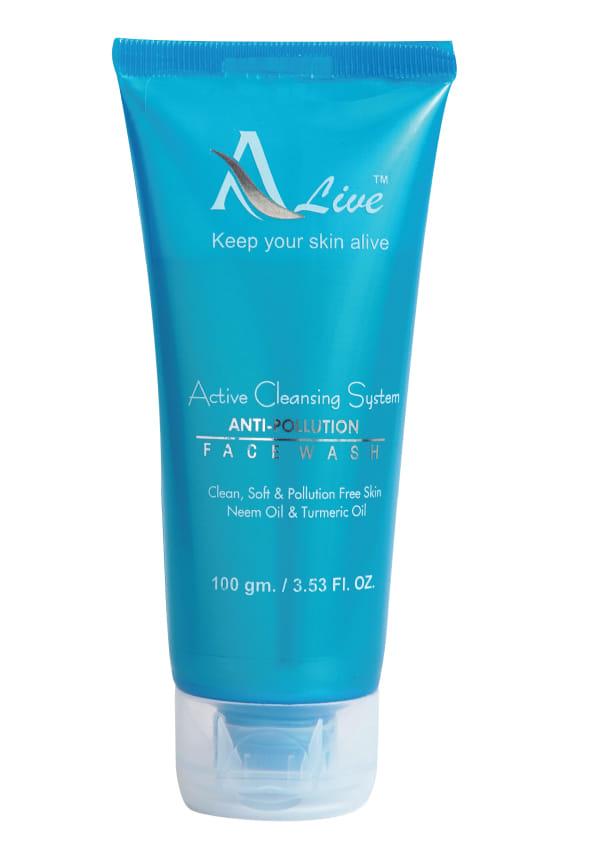
Anti Pollution Face Wash
If your skin is persistently irritated, breaking out more than usual, or showing signs of premature ageing despite a good routine, it's time to consult a dermatologist. They can assess whether pollution damage requires professional intervention.
Twice daily is perfect—once in the morning to remove overnight buildup and once in the evening to remove the day's pollution. Over-cleansing will only weaken your already-compromised winter skin barrier.
Your core ingredients can stay the same, but winter requires more focus on hydration and barrier repair. You might need richer moisturisers and gentler cleansers compared to your summer routine.
Consistent moisturising with barrier repair ingredients. A strong, healthy barrier is your best defence against both pollution and winter weather damage.
Absolutely. UV rays penetrate clouds and reflect off snow, plus they interact with pollutants to create additional free radical damage. SPF is non-negotiable year-round.
Most people notice reduced irritation and improved texture within 2-4 weeks of consistent use. However, deeper pollution damage and barrier repair can take 6-8 weeks to show significant improvement.
Not necessarily. The key is finding products with proven ingredients like antioxidants and barrier-repairing components. Many affordable brands offer excellent formulations—it's about the ingredients, not the price tag.
Protecting your skin from winter pollution damage isn't about using a million products—it's about being smart and consistent with the right ones. Focus on gentle cleansing, antioxidant protection, and serious hydration to keep your barrier strong against environmental stress.
Remember, your skin's needs change with the seasons, and what works in summer might not cut it during winter's harsh conditions. The combination of cold weather and increased pollution exposure requires a more thoughtful approach to skincare.
With Smytten's trial platform, you don't have to guess what'll work for your skin. Try different formulations and brands until you find your perfect winter skincare routine. After all, why settle for maybe when you can discover what actually protects and nourishes your skin? Your future self will thank you for taking the time to find products that truly work, rather than just hoping for the best with full-size purchases.
