How to Safely Use Retinol for Under Eye Wrinkles


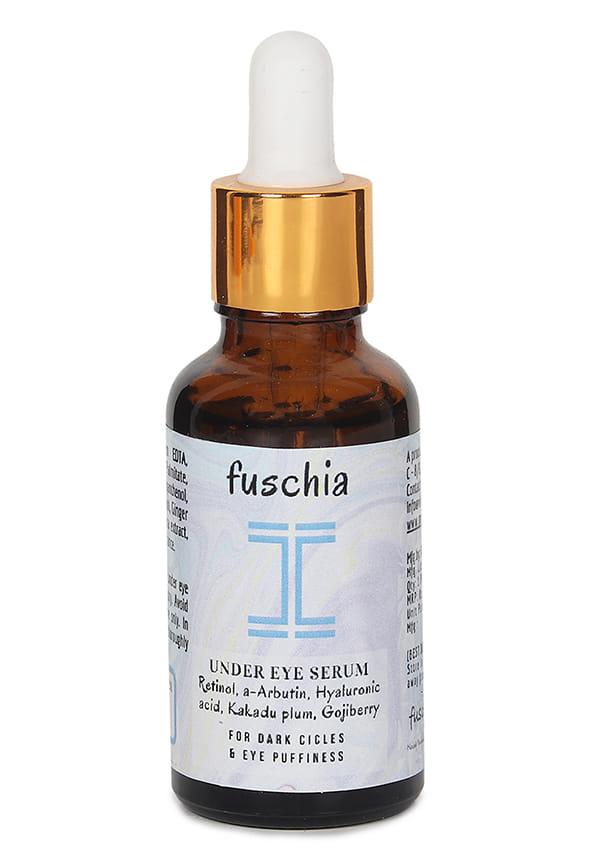
Under Eye Serum,For Dark Circle, Eye Puffiness,Retinol
Those fine lines around your eyes might be telling a story, but it doesn't have to be one you're stuck with. Retinol for under eye wrinkles safety is something loads of people worry about, and honestly, for good reason. The skin around your eyes is basically paper-thin compared to the rest of your face, making it way more sensitive to active ingredients. But here's the thing—when used properly, retinol can be a game-changer for smoothing out those pesky crow's feet and under-eye creases. The key is knowing how to introduce it safely and what to watch out for along the way.
Let's be real—the under-eye area is basically the diva of your face when it comes to skincare. It demands special treatment, and for good reason. This delicate zone has its own set of rules that you absolutely need to follow if you want to see results without the drama.
The skin around your eyes is roughly three times thinner than the skin on your cheeks. Think of it like the difference between tissue paper and regular printer paper—that's how much more delicate we're talking about here.
This ultra-thin skin means higher absorption rates for whatever you put on it. Your regular face retinol might feel perfectly fine on your forehead but could cause serious irritation under your eyes. The area also has fewer oil glands, which means less natural protection and moisture retention.
Retinol speeds up cellular turnover, basically telling your skin cells to get their act together and regenerate faster. This process helps smooth out fine lines by encouraging fresh, plump skin cells to come to the surface.
It also stimulates collagen production, which is what gives your skin that bouncy, youthful texture. For under eye wrinkles, this means gradual improvement over 4-12 weeks, though some people start noticing changes around the 6-week mark.
Short answer: yes, but with serious caveats. The research shows that retinol can be effective for eye wrinkles treatment, but only when you're using the right concentration and following proper application techniques. Think of it as advanced skincare—not something to wing.
Studies have shown that low-concentration retinol formulations (0.01-0.025%) can be safely used around the eye area when introduced gradually. Dermatologists generally agree that the orbital bone should be your guide—never apply retinol directly on the eyelid or too close to the lash line.
Research also indicates that specially formulated retinol eye creams with buffering ingredients tend to cause fewer side effects than using regular face retinol around the eyes.
Here's what nobody tells you: your under eye wrinkles might actually look worse before they look better. During the first 2-4 weeks, increased cell turnover can temporarily make fine lines appear more pronounced.
Normal adjustment signs include mild dryness, slight flaking, and temporary sensitivity. However, severe burning, persistent swelling, or rash-like reactions are red flags that mean you need to stop immediately and possibly consult a dermatologist.
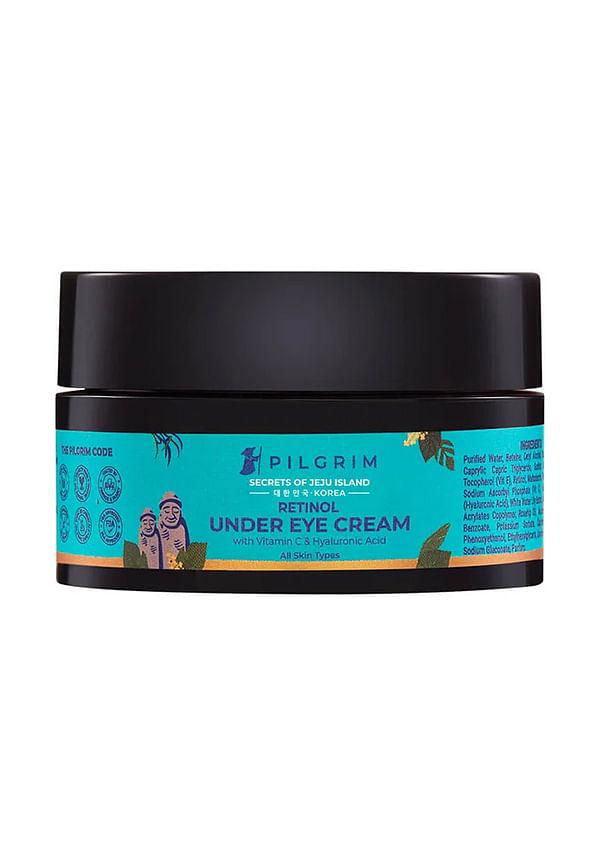
Retinol Under Eye Cream For Dark Circle And Puffy Eyes
Ready to give it a go? The secret to success with retinol under eyes is patience and a super gradual introduction. Think tortoise, not hare—slow and steady wins this race.
Week 1: Apply your retinol eye cream just once during the entire week. Yes, really—just once. This gives your skin time to adjust without overwhelming it.
Week 2: If you didn't experience any irritation, bump it up to twice weekly. Space these applications at least 3 days apart.
Week 3 and beyond: Gradually increase to three times weekly if your skin is handling it well. Many people find this frequency perfect for maintaining results without irritation.
Use your orbital bone as a guide—apply retinol only on the bony area around your eye socket, never directly on the eyelid or too close to your lash line. The product will naturally migrate slightly, so this safe zone approach prevents accidental over-application.
Amount matters too. A tiny dot of retinol eye cream for each eye is plenty. If you're using a face retinol, use even less—about half the size of a grain of rice per eye area. Always apply at night, and make sure your skin is completely clean and dry before application.
Not all retinol products are created equal, especially when it comes to the delicate eye area. The best retinol eye cream will have specific features designed to minimise irritation while maximising results.
Start with 0.01-0.025% retinol concentration for your first eye cream. This might seem ridiculously low compared to face products, but trust the process—your eye area will thank you later.
After 3-6 months of consistent use without irritation, you can consider moving up to 0.05%. Prescription-strength options should only be considered after you've mastered over-the-counter formulations and under dermatologist guidance.
Encapsulated retinol is your friend—this technology releases the active ingredient slowly, reducing the chance of irritation. Look for products that combine retinol with hydrating ingredients like hyaluronic acid or ceramides.
Soothing agents like niacinamide or peptides can help buffer potential irritation. Also, check the packaging—retinol degrades in light and air, so opaque, airless pump containers are ideal for maintaining potency.
Even with the most careful approach, retinol side effects can happen. Knowing what's normal versus what's concerning can save you from unnecessary stress and potential skin damage.
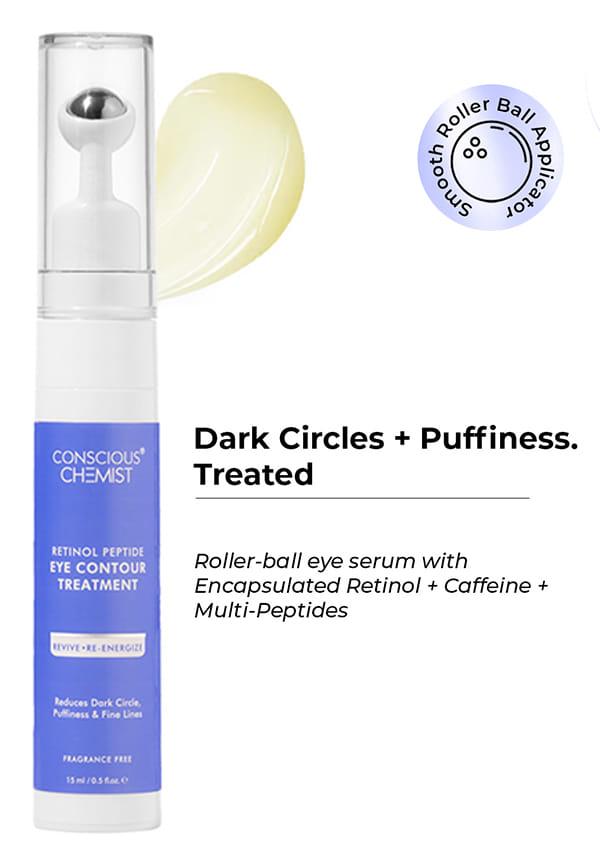
Retinol Peptide Under Eye Cream Serum with Soothing Massage Roller
Mild dryness and flaking are pretty standard during the first few weeks. You might also notice slight redness immediately after application, which should fade within an hour or two.
Increased sensitivity to other products is also common—your usual eye cream might suddenly feel too strong, or your concealer might not apply as smoothly. This typically improves as your skin adjusts.
Severe burning or stinging that doesn't subside, persistent swelling, or any rash-like reactions are signs to stop immediately. If you have existing eye conditions like eczema or rosacea around the eye area, retinol might not be suitable.
Pregnancy and breastfeeding are absolute contraindications for retinol use. The ingredient can potentially be absorbed into the bloodstream, making it unsafe during these times.
If retinol proves too harsh for your under-eye area, don't worry—there are plenty of effective retinol alternatives that can still help with wrinkle reduction. Sometimes the gentler approach is exactly what your skin needs.
Peptides are brilliant for firmness and elasticity without the irritation potential of retinol. They work by signalling your skin to produce more collagen, similar to retinol but through a different pathway.
Bakuchiol, often called "plant-based retinol," offers similar retinol benefits without the sensitivity. Studies show it can improve fine lines and skin texture with much less irritation risk.
Vitamin C serums specifically formulated for the eye area can help with both wrinkles and brightening. Look for stable forms like magnesium ascorbyl phosphate rather than pure L-ascorbic acid, which can be too harsh.
Alpha hydroxy acids in very low concentrations can provide gentle exfoliation benefits. Growth factors and stem cell technology are newer options that show promise for anti-ageing without the adjustment period.
Sometimes, focusing on deep hydration with ingredients like hyaluronic acid and ceramides can plump fine lines enough to make a noticeable difference, especially if dehydration is contributing to your wrinkle concerns.
Getting the most out of your retinol routine isn't just about the product itself—it's about creating the right environment for your skin to thrive. Think of it as setting up your skin for success.
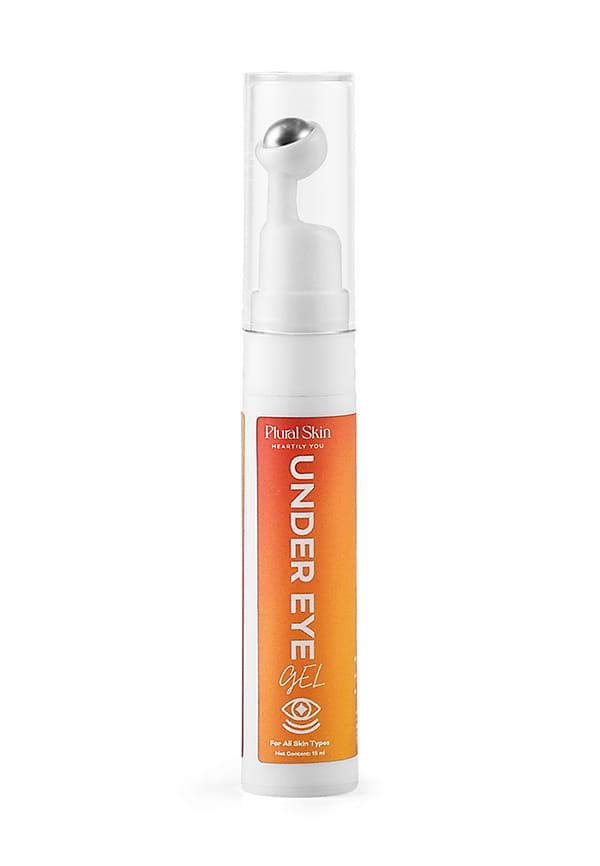
Under Eye Gel with Caffeine, Niacinamide and Retinol
Moisturising becomes non-negotiable when you're using retinol around your eyes. Apply a gentle, fragrance-free eye cream both morning and night, and consider adding a facial oil if your skin feels particularly dry.
SPF 30 or higher daily is absolutely essential—retinol makes your skin more photosensitive, and the last thing you want is sun damage undoing all your hard work. This applies even on cloudy days or when you're mostly indoors.
Be mindful of ingredient combinations. Avoid using retinol with other active ingredients like AHAs, BHAs, or vitamin C around the eye area. Keep it simple and let retinol do its thing without competition.
While topical retinol absorption is generally low, some people prefer to cycle their usage—using retinol for a few months, then taking a break. This approach can be particularly helpful if you're planning a pregnancy.
Age-appropriate usage is also worth considering. If you're in your early twenties, you might want to focus on prevention with gentler ingredients before introducing retinol. Conversely, if you're dealing with more advanced signs of ageing, you might need to work up to stronger formulations under professional guidance.
When exploring retinol options, platforms like Smytten make it easier to test different formulations without committing to full-size products. With trial packs from trusted brands, you can safely experiment with various retinol eye creams to find what works best for your skin. This approach is particularly valuable when dealing with the sensitive eye area, where finding the right product can take some trial and error.
Start with 1-3 times per week and gradually increase. Daily use may be possible after 8-12 weeks of tolerance building, but many people find every other day optimal for the delicate eye area.
Peptides, bakuchiol, vitamin C, and hyaluronic acid are excellent alternatives. These ingredients can help with wrinkle reduction and skin firmness without the potential irritation of retinol.
While skin absorption of retinol is very low, the molecule can potentially enter the bloodstream. This is why pregnant and breastfeeding women should avoid retinol products.
Initial improvements may appear in 4-6 weeks, with significant wrinkle reduction typically visible after 12-16 weeks of consistent use.
Yes, during the retinisation process (first 2-4 weeks), increased cell turnover can temporarily make wrinkles appear more pronounced before improvement occurs.
Using retinol for under eye wrinkles safely is absolutely possible, but it requires patience, proper technique, and realistic expectations. Start low, go slow, and listen to your skin—it'll tell you what it can handle. Remember that the under-eye area is uniquely delicate and deserves special consideration in your skincare routine.
Whether you choose retinol or explore gentler alternatives, the key is consistency and proper support with moisturising and sun protection. With the right approach, you can achieve smoother, more youthful-looking eyes without compromising your skin's health. After all, why settle for maybe when you can find the perfect solution for your skin's needs?
