How to Safely Combine AHA and Retinol in Your Skincare

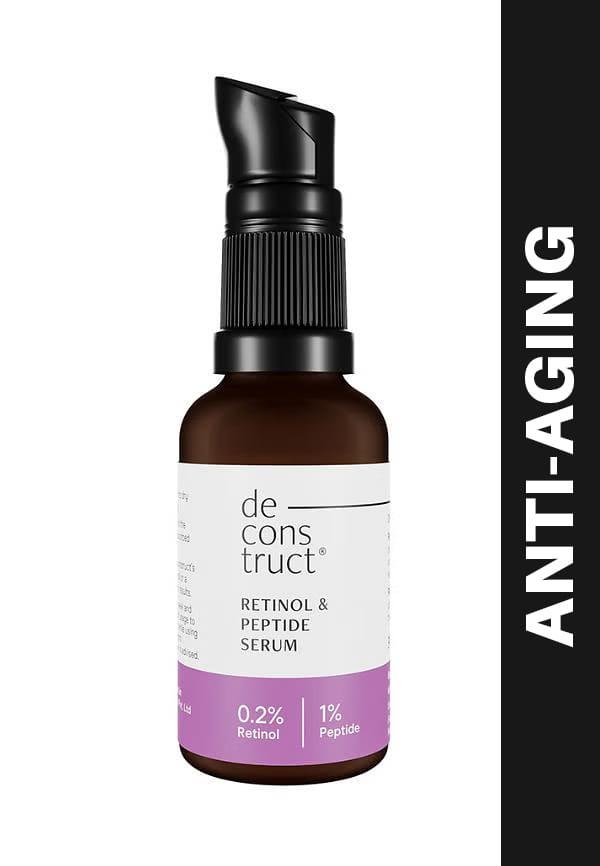
Retinol Face Serum with Peptide
Hydrating & Glowing
 4
4“good for face gives hydration and glow.”
Beginner-Friendly Retinol
5“It was Beginner friendly Retinol.”
Disliked fragrance
4“I didn't like the fragrance of this serum”
Let's be real—combining AHA and retinol in your skincare routine feels like trying to mix two strong personalities in one room. Both are absolute powerhouses on their own, but put them together without proper planning, and things can get messy fast. The good news? With the right approach and some smart timing, you can absolutely harness the benefits of both without turning your face into an angry tomato. Think of this as your complete guide to combining AHA with retinol safety guidelines that actually work. We're talking about strategic layering, proper timing, and all the insider tips that'll help you navigate this skincare power couple like a pro.
Before diving into the how-to, let's get clear on what we're actually working with. Both AHA and retinol are serious game-changers, but they work in completely different ways—and that's exactly why combining them can be so effective when done right.
AHA exfoliation is like having a gentle but thorough deep clean for your skin's surface. These water-soluble acids—think glycolic, lactic, and mandelic acid—work by breaking down the bonds between dead skin cells, making it easier for them to shed naturally. The result? Smoother texture, reduced hyperpigmentation, and that enviable glow everyone's after. Glycolic acid is the smallest molecule, so it penetrates deepest but can be more irritating. Lactic acid is gentler and adds hydration, whilst mandelic acid is the most gentle option—perfect for sensitive skin types.
Retinol works at a cellular level, speeding up cell turnover and boosting collagen production. Unlike AHAs that work on the surface, retinol dives deep to tackle fine lines, improve skin texture, and refine pores from within. It's basically like giving your skin a complete renovation from the inside out. Common retinol side effects include initial dryness, peeling, and sensitivity—what dermatologists call the "retinol uglies." But here's the thing: these effects are temporary and usually indicate your skin is adapting to increased cell turnover.
The short answer is yes, but with major caveats. Combining skincare actives isn't just about slapping both products on your face and hoping for the best. There's actual science behind why this combination can be brilliant—or disastrous.
Both retinol and AHA increase cell turnover, which means using them together can potentially overwhelm your skin's natural repair processes. Over-exfoliation leads to a compromised skin barrier, increased sensitivity, and that tight, uncomfortable feeling that screams "too much, too soon." PH levels also matter here. AHAs work best at a lower pH (around 3-4), whilst retinol prefers a more neutral environment. Using them simultaneously can reduce the effectiveness of both ingredients.
Clinical studies show that alternating use of retinol and AHA can actually enhance the benefits of both ingredients. The key is strategic timing rather than simultaneous application. Research indicates that this approach maximises efficacy whilst minimising irritation—exactly what we want. Dermatologists consistently recommend building tolerance to each ingredient separately before attempting any combination routine. This isn't just playing it safe; it's smart skincare.
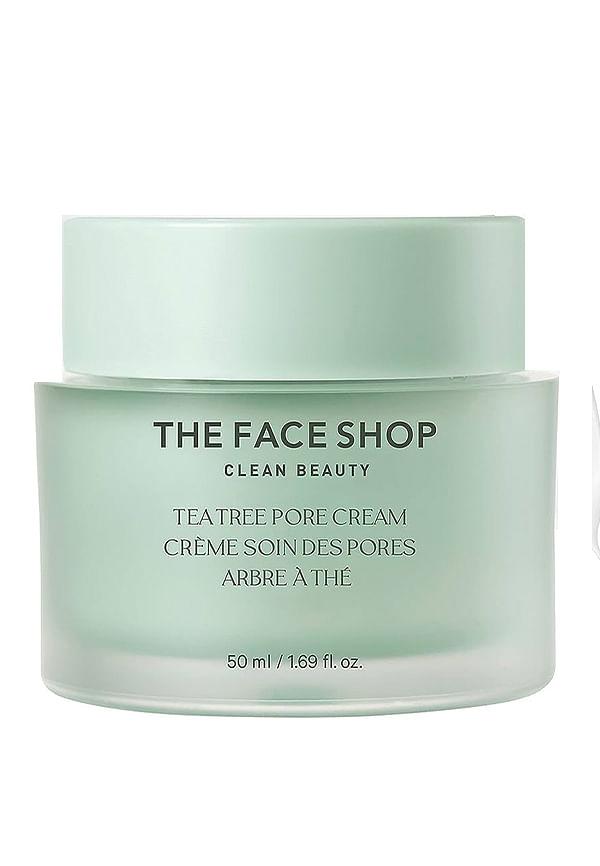
Tea Tree Pore Cream With AHA, Ip- BHA, PHA & Hyaluronic Acid
No noticeable difference
4“Using it daily for a month now Noticed no difference neither for hood or bad”
Positive Product Review
4“love it. will buy again soon....”
Great for Daily Care
5“good product really helped you in daily care”
Here's where we get into the nitty-gritty of making this combination work for you. These aren't just suggestions—they're your roadmap to success without the drama.
If you're new to retinol, start with the classic progression: once weekly for the first week, twice weekly for the second, then three times weekly for maintenance. This gives your skin time to build tolerance without shocking your system. Only after you've established this routine should you even think about introducing AHA into the mix. Patience here pays off in the form of healthy, happy skin later.
The alternating nights approach is your safest bet: use retinol on Monday, Wednesday, and Friday nights, then AHA on Tuesday and Thursday nights. This gives your skin recovery time between applications. Alternatively, try the AM/PM split: AHA in the morning (always followed by SPF) and retinol at night. Just remember that morning AHA use requires religious sun protection—no exceptions.
Now for the practical stuff—exactly how to layer these ingredients for maximum benefit and minimum irritation. Think of this as your foolproof formula.
Start with a gentle cleanser, apply your AHA product to clean skin, wait 10-15 minutes, then follow with a hydrating serum and moisturiser. Never skip the SPF—AHA increases photosensitivity, making sun protection absolutely crucial. The wait time between AHA and your next product matters. This allows the acid to work at its optimal pH before you layer other products on top.
Begin with a thorough cleanse (double cleansing if you wear makeup), apply a hydrating toner if needed, then your retinol product. Follow with a nourishing moisturiser to lock everything in. For sensitive skin, try the sandwich method: apply a thin layer of moisturiser, then retinol, then another layer of moisturiser. This buffers the retinol whilst still allowing it to work effectively.
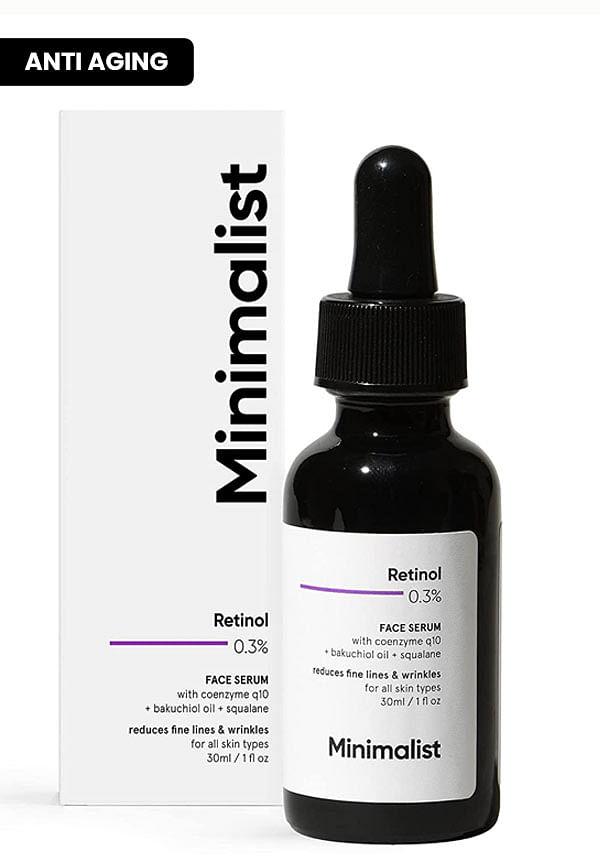
0.3% Retinol Face Serum With Anti-Aging Property With Q10
Effective Product
5“nice product must try give best results”
Effective & Gentle Retinol Serum
4“A high-performance, budget-friendly retinol serum that effectively targets signs of aging, uneven texture, and loss of firmness. The Squalane base makes it remarkably gentle for a 0.3% concentration while keeping the skin barrier nourished.”
Working for 45+ Age Group
5“okay so my mom is trying it for her aunty agses 45 + now and I guess it's working kind of good for her”
Monday, Wednesday, Friday: Retinol nights with gentle, hydrating products. Tuesday, Thursday: AHA nights with soothing follow-up care. Weekends become your recovery days—focus on hydration, barrier repair, and giving your skin a breather. This schedule isn't set in stone. Adjust based on how your skin responds, and don't be afraid to scale back if you notice any irritation.
Let's talk about the pitfalls that can turn your skincare routine from helpful to harmful. These mistakes are more common than you'd think, but they're totally avoidable.
Redness that doesn't fade, burning sensations, excessive dryness, and increased sensitivity are all red flags. Your skin might feel tight, look shiny in an unhealthy way, or react to products that never bothered you before. If you notice these signs, immediately scale back to basic cleansing and moisturising until your skin recovers. Over-exfoliation isn't just uncomfortable—it can take weeks to fully heal.
Skip additional exfoliating acids like BHA or PHA whilst you're establishing your AHA and retinol routine. Physical scrubs are also off-limits—your skin is already getting plenty of exfoliation. High-concentration vitamin C can also be problematic when combined with retinol, and fragrance-heavy products might irritate already-sensitised skin.
Your skin type plays a huge role in how you should approach this combination. What works for your friend's oily skin might be too much for your sensitive complexion, and that's perfectly normal.
Start with lower concentrations and longer intervals between applications. Consider buffering both ingredients with moisturiser, and always patch test new products before full-face application. Lactic acid or mandelic acid might be better AHA choices than glycolic acid, and look for encapsulated or time-release retinol formulations that release more slowly.
Oily skin often tolerates higher concentrations and more frequent application, but don't rush the process. You can often work up to using retinol and AHA more frequently than other skin types. Watch for purging versus irritation—purging brings existing congestion to the surface faster, whilst irritation creates new problems. Purging typically resolves within 4-6 weeks.
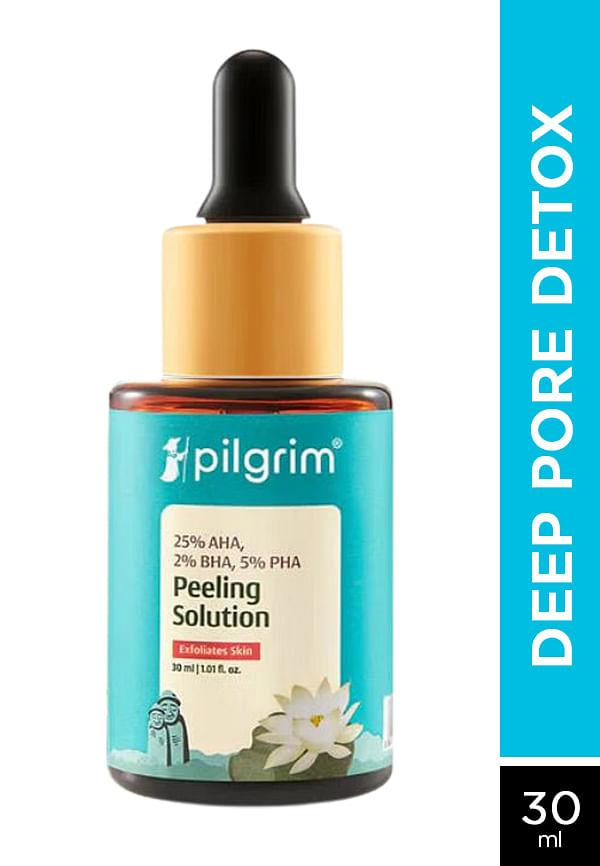
25% AHA, 2% BHA, 5% Pha Peeling Solution
Nice product, soft skin
5“very nice product and soft skin ✨️”
Good & Budget Friendly
5“ye bhe bahut accha hai or budget me”
Tightens Skin, No Side Effects
5“amazing..it tightens my skin with no side effects”
Mature skin often benefits most from this combination, as both ingredients address multiple ageing concerns. You might be able to use slightly higher concentrations, but always prioritise barrier health over aggressive treatment. Consider adding hydrating and barrier-supporting ingredients like hyaluronic acid and ceramides to support your skin through the adjustment period. This is where platforms like Smytten become invaluable for discovering what works for your unique skin. With trial packs from trusted brands, you can test different AHA and retinol formulations without committing to full-size products. Smytten's curated selection includes skincare minis from brands known for their effective yet gentle formulations, letting you experiment safely whilst building your perfect routine.
Absolutely, and this is actually one of the safest approaches. Morning AHA use requires diligent SPF application, but it allows you to get benefits from both ingredients without the risk of simultaneous application. This timing also works with each ingredient's optimal pH environment.
Don't panic, but do take immediate action. Rinse your face with cool water, apply a gentle, fragrance-free moisturiser, and avoid any other actives for the next few days. Monitor for increased sensitivity and scale back your routine until your skin recovers.
Give yourself at least 4-6 weeks to establish tolerance with one ingredient before introducing the other. This patience prevents overwhelming your skin and helps you identify which ingredient might be causing any issues.
Yes, but start very slowly with lower concentrations. Consider using each ingredient only once weekly initially, and always buffer with moisturiser. Some people with sensitive skin find they can only tolerate one active at a time, and that's perfectly fine.
Combining AHA and retinol doesn't have to be intimidating when you approach it strategically. The key is respecting both ingredients' power, starting slowly, and listening to your skin's feedback. Remember, skincare isn't a race—it's about finding what works sustainably for your unique skin. With Smytten's trial packs, you can explore different formulations and concentrations from over 1,500 trusted brands without the commitment of full-size purchases. This approach lets you discover your perfect AHA and retinol combination whilst building confidence in your routine. After all, why settle for guesswork when you can try it all and find what truly works for your skin?
