How to Restore Your Skin's Protective Barrier: A Simple Guide


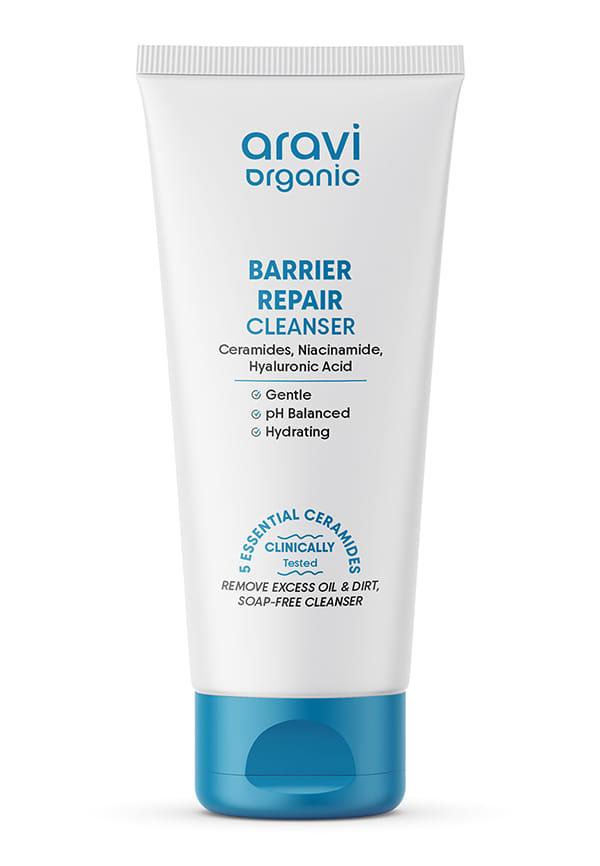
Hydrating Barrier Repair Face Wash - With Ceramide & Niacinamide
Your skin's protective barrier is like a bouncer at an exclusive club—when it's working properly, it keeps the good stuff in and the bad stuff out. But when this crucial defence system gets compromised, you'll notice everything from persistent dryness to increased sensitivity and that uncomfortable tight feeling after washing your face. Whether you're dealing with over-exfoliation aftermath, environmental damage, or underlying conditions like eczema or rosacea, understanding how to restore your skin's protective barrier is essential for healthy, resilient skin. The good news? With the right approach and a bit of patience, most damaged barriers can typically be restored within a few weeks for most people. Platforms like Smytten make it easier to trial barrier-repairing products before committing to full sizes, helping you find what works for your specific skin needs without the guesswork.
Your skin barrier is made up of lipids, ceramides, and natural moisturising factors that protect against water loss and environmental damage
Damaged barrier symptoms include dryness, flaking, increased sensitivity, persistent redness, and slow healing
Restoration involves simplifying your routine, using barrier-repairing ingredients like ceramides and niacinamide, and gentle cleansing methods
Most barriers can be restored within 2-4 weeks with consistent, gentle care and the right products
Natural support includes omega-3 rich foods, adequate hydration, and lifestyle modifications like stress management
Think of your skin barrier as a brick wall—the 'bricks' are dead skin cells called corneocytes, and the 'mortar' is a mixture of lipids including ceramides, cholesterol, and fatty acids. This outermost layer of your skin, scientifically known as the stratum corneum, is only about 10-20 micrometers thick but performs the vital job of keeping moisture in and irritants out.
When your skin barrier function is optimal, it maintains proper hydration levels, regulates temperature, and acts as the first line of defence against environmental stressors like pollution, UV rays, and harsh weather. The natural moisturising factors within this barrier help retain water, whilst ceramides—which make up about 50% of the barrier's lipid content, studies suggest—keep everything sealed and functioning smoothly.
Recognising the signs of a compromised barrier is the first step towards restoration. Your skin has several ways of telling you when its protective barrier needs attention, and these symptoms often appear gradually before becoming more pronounced.
Visual and tactile signs are usually the most obvious indicators. You might notice persistent dryness that doesn't improve with regular moisturising, flaking or peeling skin, and a rough, uneven texture that feels different from your normal skin. The skin may appear dull and lacklustre, losing that healthy glow you're used to.
Increased sensitivity is another telltale sign. Products that never bothered you before might suddenly cause stinging, burning, or irritation. You may find yourself reacting to ingredients you've used for years, or notice that your skin feels uncomfortable after exposure to wind, air conditioning, or temperature changes.
Persistent redness or inflammation that doesn't seem to have a clear cause can indicate barrier dysfunction. This might manifest as general redness, particularly around the cheeks and nose, or as patches of irritated skin that take longer than usual to calm down.
Perhaps most frustratingly, a damaged barrier often leads to slow healing and frequent breakouts. When your barrier isn't functioning properly, your skin struggles to repair itself efficiently, meaning blemishes linger longer and new ones seem to appear more frequently.
Understanding what damages your skin barrier helps prevent future issues and informs your repair strategy. The causes are often cumulative, meaning several factors working together over time create the perfect storm for barrier dysfunction.
Over-exfoliation is perhaps the most common culprit in today's skincare-obsessed world. Using too many active ingredients like AHAs, BHAs, or retinoids, or using them too frequently, can strip away the protective lipid layer faster than your skin can replace it. This overexfoliation skin barrier damage is particularly common when people layer multiple actives or use harsh physical scrubs daily.
Environmental factors play a significant role in barrier health. UV exposure breaks down the lipids in your barrier, whilst pollution creates free radicals that damage skin cells. Extreme weather—whether it's harsh winter winds or air-conditioned environments—can disrupt the barrier's moisture balance.
Underlying skin conditions like eczema, rosacea, and dermatitis inherently involve compromised barrier function. These conditions create a cycle where the damaged barrier allows irritants in, which worsens the condition, which further damages the barrier.
Restoring your skin barrier requires a systematic approach that prioritises gentle care and targeted ingredients. The key is consistency and patience—your skin needs time to rebuild its protective defences.
When your barrier is compromised, less truly is more. Strip your routine back to the basics: gentle cleanser, moisturiser, and SPF during the day. Temporarily eliminate all active ingredients including retinoids, AHAs, BHAs, and vitamin C. This gives your skin the breathing space it needs to focus on repair rather than processing potentially irritating actives.
Certain ingredients are particularly effective for skin barrier repair. Ceramides for skin barrier restoration are perhaps the most important—these lipids are naturally found in healthy skin and help rebuild the 'mortar' between skin cells. Look for products containing multiple types of ceramides, as different ceramides serve different functions in barrier health.
Hyaluronic acid helps your skin retain moisture by holding up to 1,000 times its weight in water. This ingredient works within the barrier to maintain optimal hydration levels. Niacinamide is another powerhouse ingredient that strengthens the barrier by increasing ceramide production and improving the skin's natural lipid barrier function.
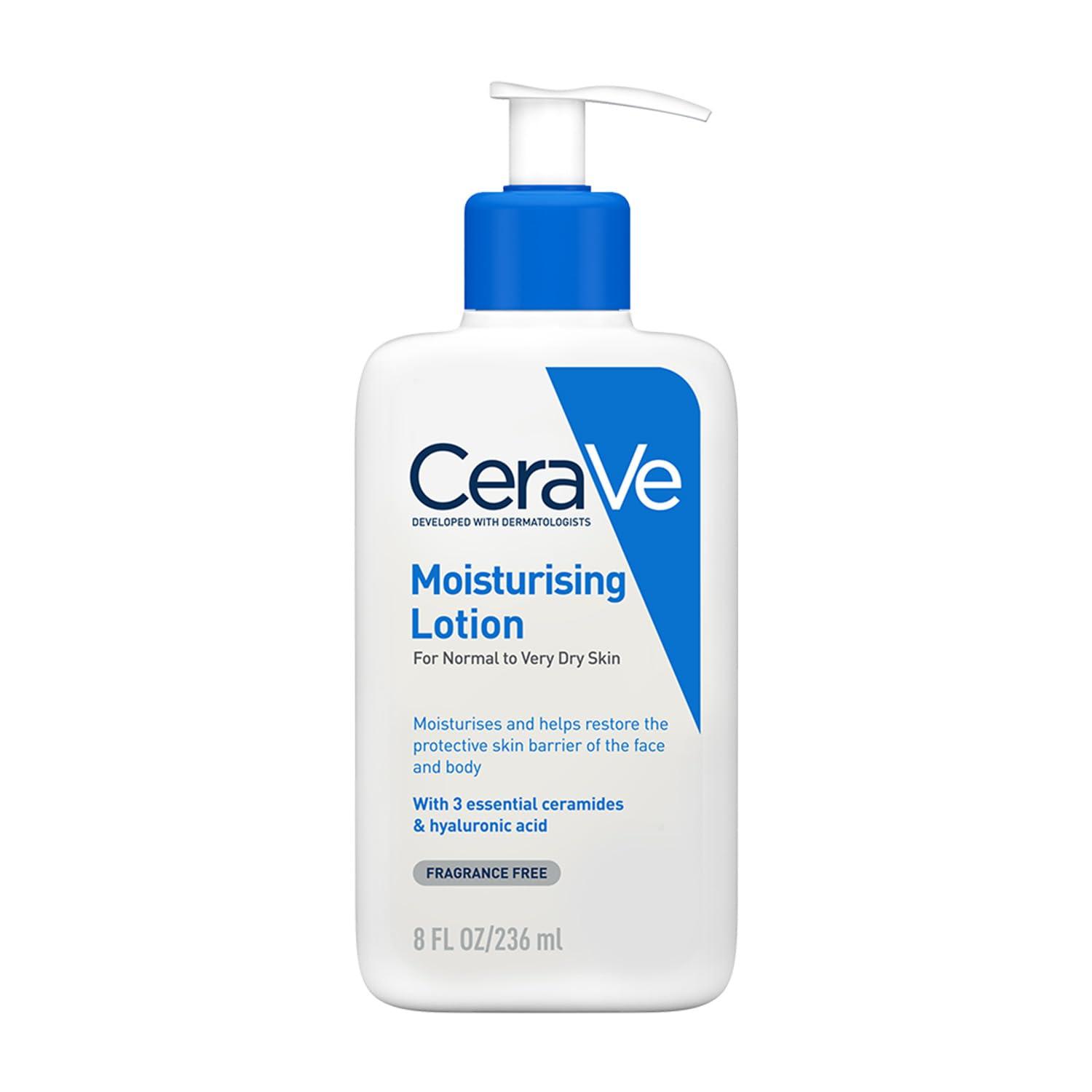
For those seeking effective barrier repair, the CeraVe Moisturizing Lotion For Normal To Dry Skin offers an excellent combination of three essential ceramides, hyaluronic acid, and MVE technology that provides 24-hour hydration. This dermatologist-developed formula helps restore the skin's natural barrier whilst maintaining moisture levels throughout the day, making it particularly suitable for compromised or sensitive skin that needs gentle yet effective repair. This product is available on Smytten.
How you cleanse can make or break your barrier repair efforts. Use lukewarm water—hot water strips natural oils and can worsen barrier damage. Choose gentle, pH-balanced cleansers that won't disrupt your skin's natural acid mantle. Avoid over-cleansing; once daily in the evening is often sufficient when your barrier is healing.
Apply products to slightly damp skin to help lock in moisture. Start with a hydrating toner or essence, follow with your barrier-repairing moisturiser, and consider adding a facial oil or occlusive ingredient like petrolatum in the evening to prevent trans-epidermal water loss overnight.
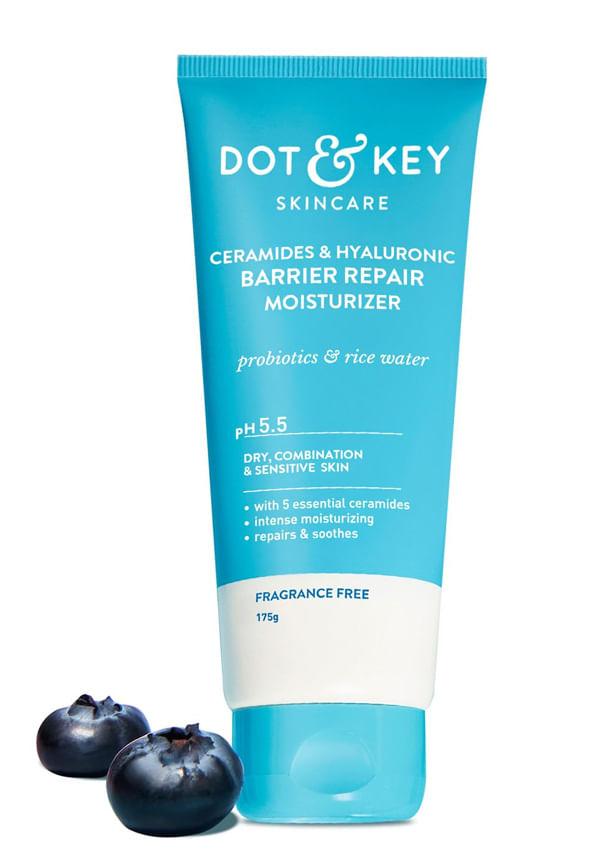
Ceramides & Hyaluronic Barrier Repair Moisturizer
Good & Similar Product
 5
5“Good product, best product and very similar product”
Good & Similar Product
5“Good product, best product and very similar product”
Good & Similar Product
5“Good product, best product and very similar product”
Supporting your skin barrier isn't just about what you put on your face—your lifestyle and diet play crucial roles in barrier health. A holistic approach often yields the best results for long-term barrier strength.
Dietary approaches can significantly impact your skin's ability to maintain its barrier. Omega-3 fatty acids found in fish, walnuts, and flaxseeds help maintain the lipid structure of your skin barrier. Antioxidant-rich foods like berries, leafy greens, and colourful vegetables help protect against free radical damage that can weaken the barrier.
Lifestyle modifications are equally important. Quality sleep allows your skin to repair itself—during deep sleep, your body increases blood flow to the skin and rebuilds collagen and repairs damage. Stress management is crucial too, as chronic stress increases cortisol levels, which can impair barrier function and slow healing.
Environmental adjustments can provide immediate relief. Using a humidifier, especially during winter months or in air-conditioned environments, helps maintain optimal moisture levels. Protecting your skin from extreme temperatures and wind also prevents further barrier damage.
Different skin conditions require tailored approaches to barrier repair, as each condition presents unique challenges and sensitivities that must be considered in your restoration strategy.
Eczema skin barrier repair requires extra gentleness and specific ingredient considerations. Look for fragrance-free, hypoallergenic products with minimal ingredients. Colloidal oatmeal can be particularly soothing for eczema-prone skin, whilst avoiding common triggers like fragrances, essential oils, and harsh preservatives is crucial.
Rosacea skin barrier support focuses on anti-inflammatory ingredients and temperature control. Niacinamide is particularly beneficial for rosacea as it reduces inflammation whilst strengthening the barrier. Avoid products with alcohol, menthol, or strong fragrances, and be mindful of temperature extremes when cleansing.
Understanding realistic timelines helps manage expectations and maintain consistency with your barrier repair routine. Most people begin seeing improvements within the first week, with significant progress typically occurring within 2-4 weeks of consistent care.
Week 1-2: You might notice reduced tightness after cleansing and less immediate irritation from products. The skin may still appear dry or flaky, but the uncomfortable sensations often begin to subside.
Week 3-4: Visible improvements become more apparent. Dryness and flaking should significantly reduce, and your skin should feel more comfortable throughout the day. Sensitivity to previously irritating factors like weather changes should also decrease.
Beyond 4 weeks: Your skin should feel resilient and healthy, with improved texture and reduced reactivity. This is when you can consider gradually reintroducing active ingredients if desired, starting with the gentlest options and lowest concentrations.
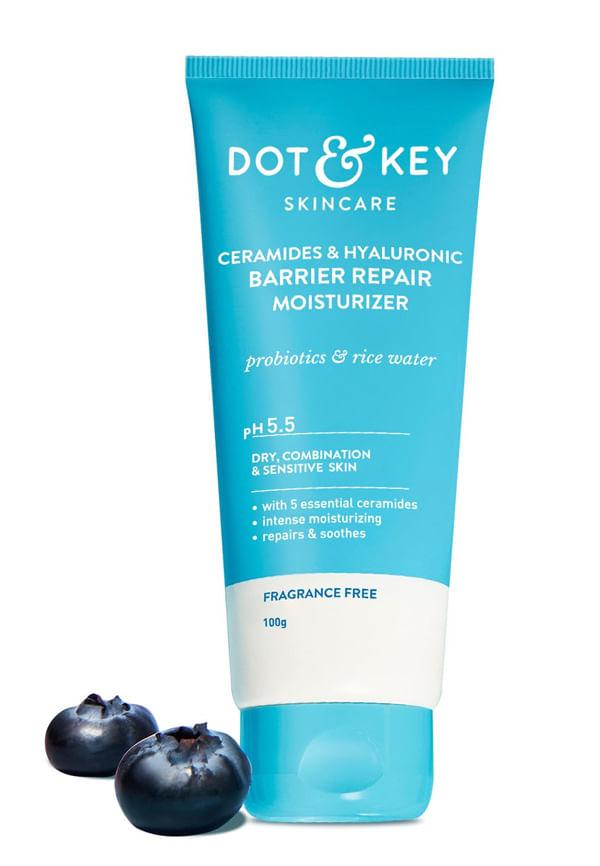
Ceramides & Hyaluronic Barrier Repair Moisturizer
Worth Every Penny
5“every penny worth in this product”
Excellent Moisturizer
5“best moisturizer..not oily and good for every weather”
Excellent Moisturizer
5“best moisturizer..not oily and good for every weather”
Yes, in most cases, a damaged skin barrier can be restored with consistent, gentle care and the right products. The skin has remarkable healing abilities, and with proper support, most barriers can return to healthy function within 2-4 weeks.
Natural barrier repair focuses on gentle cleansing, adequate hydration, omega-3 rich foods, stress management, and avoiding harsh products. Supporting your skin from within through proper nutrition and lifestyle habits enhances topical treatments.
Ceramides, niacinamide, hyaluronic acid, and fatty acids are among the most effective ingredients for barrier repair. These work by replenishing the skin's natural lipid structure and supporting moisture retention.
Signs of healing include reduced tightness after cleansing, decreased sensitivity to products and environmental factors, improved skin texture, and less frequent irritation or breakouts. Many people notice these improvements within the first 1-2 weeks of consistent care.
It's best to temporarily avoid active ingredients like retinoids, AHAs, and BHAs while your barrier heals. Once your skin feels comfortable and resilient again (usually after 4-6 weeks), you can gradually reintroduce actives at lower concentrations. Smytten's trial packs make it easy to test how your newly repaired barrier responds to different products before committing to full sizes.
While complete restoration typically takes 2-4 weeks, you can support overnight skin barrier repair by using a rich, occlusive moisturiser before bed. Ingredients like ceramides, hyaluronic acid, and petrolatum can help lock in moisture and aid the skin's natural repair processes while you sleep. Consistent daytime care is also essential for optimal results.
Restoring your skin's protective barrier is a journey that requires patience, consistency, and the right approach. Focus on simplifying your routine, choosing gentle yet effective ingredients like ceramides and niacinamide, and supporting your skin from within through proper nutrition and lifestyle habits. Remember that most barriers can be restored within 2-4 weeks with dedicated care, and the investment in barrier health pays dividends in terms of overall skin resilience and appearance.
The key is listening to your skin and adjusting your approach as needed. What works for one person may not work for another, which is why testing products through trial sizes can be invaluable in finding your perfect barrier repair routine.
Understanding how to restore your skin's protective barrier empowers you to take control of your skin health and build a routine that truly supports your skin's needs. Whether you're dealing with over-exfoliation damage, environmental stress, or underlying skin conditions, the principles of gentle care and targeted ingredients remain consistent. Smytten is India's largest product discovery and trial platform, connecting consumers with top lifestyle, beauty, wellness, and grooming brands through curated trial packs from over 2,400 trusted brands such as Cetaphil, Dot & Key, and Bella Vita. This try before you buy approach is particularly valuable when rebuilding your barrier, as you can test barrier-repairing products without committing to full sizes. With 100% cashback on trials and PAN-India delivery, Smytten makes it affordable and convenient to discover which products work best for your skin's unique barrier repair needs. After all, why settle for 'maybe' when you can #TryItAll and find the perfect products to restore your skin's natural protective barrier!
