How to Restore Scalp Barrier Function for Healthier Hair
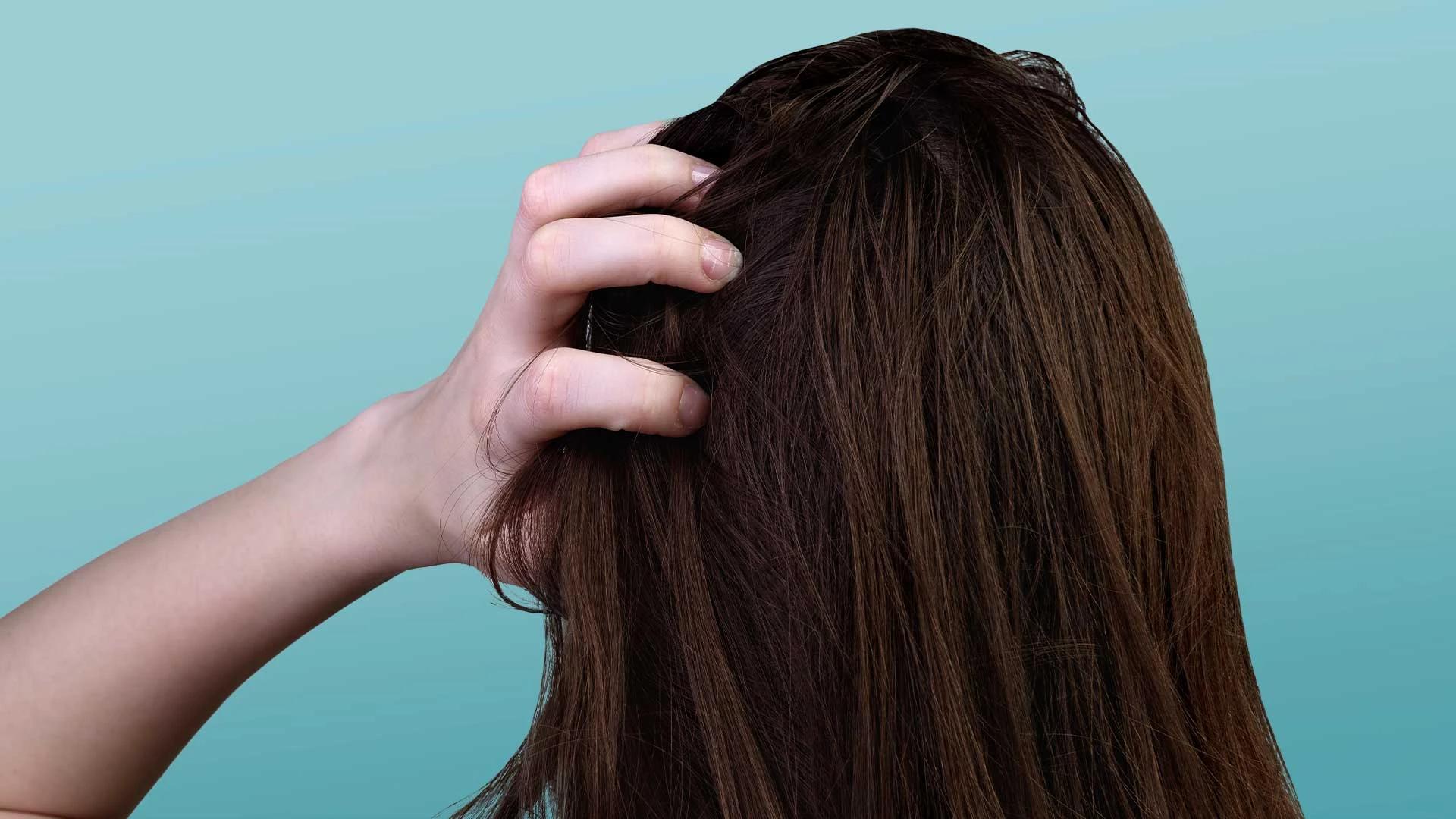

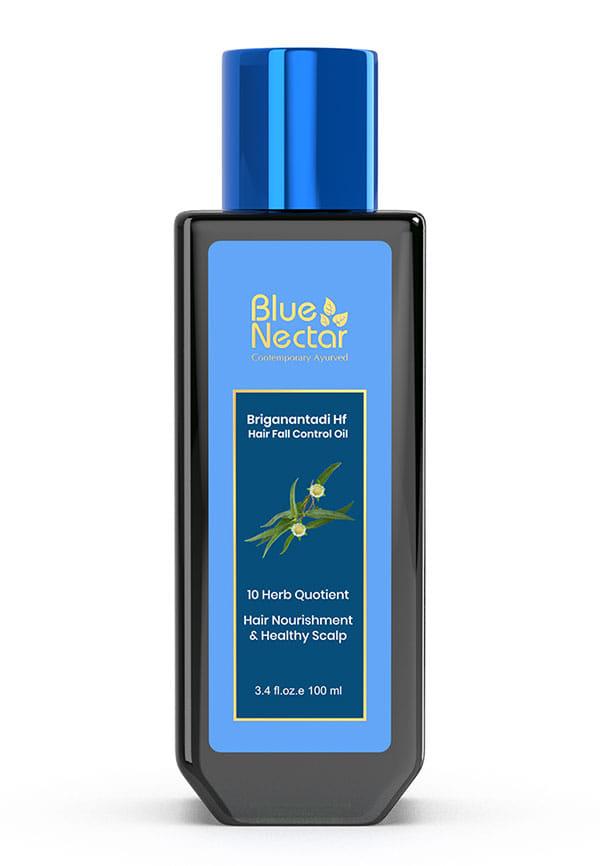
Briganantadi Hair Fall control and Healthy Scalp Hair Oil 10 Herbs
Your scalp might be sending you signals you're not quite catching. That persistent itch after washing, the way your head feels tight and uncomfortable, or how your usual products suddenly seem to irritate rather than soothe—these aren't just random annoyances. They're your scalp's way of telling you its protective barrier has taken a hit. The scalp barrier is essentially your hair's bodyguard, and when it's compromised, everything from hair growth to daily comfort gets affected. Understanding how to restore scalp barrier function isn't just about solving immediate discomfort; it's about creating the foundation for genuinely healthy hair. Whether you're dealing with sudden sensitivity or long-term scalp issues, the good news is that barrier restoration is absolutely achievable with the right approach. Smytten's extensive collection of scalp care products makes it easier than ever to find what works for your specific needs without the guesswork of full-size purchases.
Your scalp barrier protects hair follicles and maintains optimal pH balance—when damaged, you'll notice itching, tightness, and increased sensitivity
Common culprits include over-washing with harsh shampoos, heat styling, chemical treatments, and environmental stressors
Natural restoration involves gentle cleansing, barrier-strengthening ingredients like ceramides and natural oils, and consistent care routines
Recovery typically takes 2-4 weeks for initial improvement, with full restoration occurring over 2-3 months of dedicated care
Professional treatments and dermatologist guidance may be necessary for severely damaged barriers or underlying conditions
Think of your scalp barrier as an invisible shield that's working around the clock to protect your hair follicles and maintain the delicate environment your hair needs to thrive. Unlike facial skin, scalp skin is thicker and more resilient, but it's also dealing with unique challenges—hair follicles, sebaceous glands, and constant exposure to styling products and environmental stressors.
The scalp skin barrier is a complex system of lipids, proteins, and natural moisturising factors that work together to keep harmful substances out whilst locking essential moisture in. This scalp moisture barrier isn't just about comfort—it's directly connected to hair health and growth. When functioning properly, it maintains the optimal pH balance (around 4.5-6.5) that hair follicles need to produce strong, healthy strands.
Your scalp barrier relies on a sophisticated lipid layer rich in ceramides, cholesterol, and fatty acids. This protective layer works alongside your scalp's natural microbiome—the beneficial bacteria that help maintain balance and fight off harmful pathogens. When this system is disrupted, you'll notice the effects quickly: increased sensitivity, inflammation, and often changes in hair texture and growth patterns.
Recognising barrier damage early can save you months of discomfort and prevent more serious scalp issues from developing. Your scalp is quite good at communicating when something's wrong—you just need to know what to look for.
The most obvious signs are physical sensations that feel different from your normal scalp experience. Tightness immediately after washing, even with gentle products, suggests your barrier isn't retaining moisture properly. Persistent itching without visible dandruff often indicates inflammation beneath the surface. You might also notice redness, burning sensations, or flakes that return within a day or two of washing—all signs that your scalp is struggling to maintain its protective function.
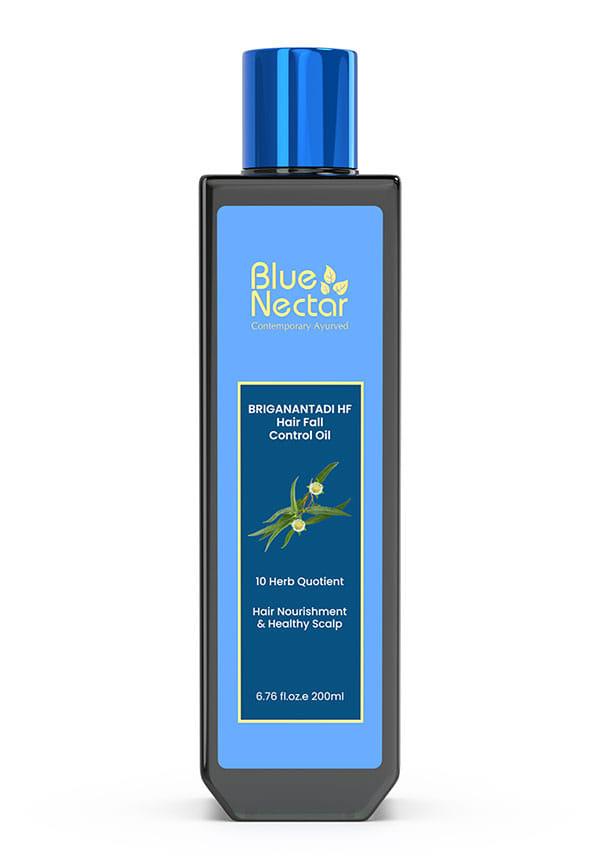
Briganantadi Hair Fall control and Healthy Scalp Hair Oil 10 Herbs
Sometimes barrier damage shows up as changes in how your scalp behaves rather than how it feels. Sudden oiliness despite frequent washing can indicate your scalp is overcompensating for barrier damage. Increased scalp sensitivity solutions become necessary when products you've used for years suddenly cause irritation. The need to constantly soothe irritated scalp becomes a daily reality rather than an occasional concern.
Understanding what's causing your barrier damage is crucial for both treatment and prevention. Most scalp barrier issues stem from a combination of external factors and internal triggers that work together to break down your scalp's natural defences.
Over-washing is one of the biggest culprits, especially when combined with harsh sulfate shampoos that strip away natural oils faster than your scalp can replace them. Heat styling tools don't just damage hair—they also dehydrate scalp skin and can cause micro-burns that compromise barrier function. Chemical treatments like colouring, perming, or relaxing create an alkaline environment that disrupts your scalp's natural pH balance. Environmental factors like UV exposure, pollution, and hard water minerals also contribute to barrier breakdown over time.
Your internal health directly impacts your scalp's ability to maintain its barrier. Hormonal fluctuations during menstruation, pregnancy, or menopause can alter sebum production and skin sensitivity. Chronic stress increases cortisol levels, which can trigger inflammation and disrupt normal skin repair processes. Nutritional deficiencies, particularly in essential fatty acids, zinc, and B vitamins, can leave your scalp without the building blocks it needs for proper barrier function.
Natural restoration focuses on supporting your scalp's inherent healing abilities whilst avoiding further damage. The key is consistency and patience—your scalp needs time to rebuild its protective systems properly.
Start with sulfate-free shampoos that clean without stripping. Look for ingredients like coco-glucoside or decyl glucoside—these gentle surfactants remove dirt and oil without disrupting your scalp's natural pH. Reduce washing frequency to 2-3 times weekly maximum, allowing your scalp's natural oils to do their protective work. Use lukewarm water rather than hot, as high temperatures can further dehydrate already compromised skin. Apply shampoo primarily to the scalp rather than the hair lengths, using gentle circular motions rather than aggressive scrubbing.
Coconut oil contains lauric acid, which has antimicrobial properties whilst providing deep moisturisation without clogging follicles. Tea tree oil offers antiseptic and anti-inflammatory benefits, but always dilute it properly—a few drops in carrier oil is sufficient. Aloe vera provides immediate soothing relief whilst delivering healing compounds that support barrier repair. Ceramide-rich oils like jojoba and argan oil help rebuild the lipid layer that forms your scalp's primary defence.
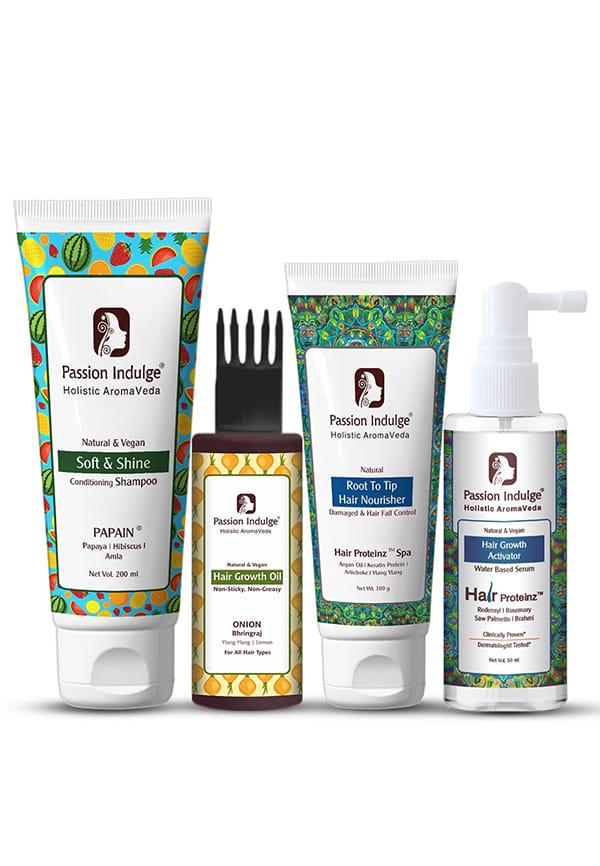
Onion Hair oil, Rosemary Hair Growth Serum, Hair Spa Protein Booster & Papain Shampoo
A weekly coconut oil pre-shampoo treatment can work wonders for damaged barriers. Warm a small amount of coconut oil and massage it into your scalp 30 minutes before washing. For immediate soothing, try an aloe vera and honey mask—mix equal parts pure aloe gel and raw honey, apply to the scalp for 20 minutes, then rinse gently. An apple cider vinegar rinse (1 part vinegar to 4 parts water) can help rebalance pH after washing. Green tea compresses provide anti-inflammatory benefits—brew strong green tea, let it cool, and apply with a soft cloth for 10 minutes.
Sometimes natural approaches need professional support, especially if you're dealing with severe damage or underlying conditions. Knowing when to seek professional help can prevent minor issues from becoming major problems.
A dermatologist can perform a professional scalp analysis to identify specific issues and recommend targeted treatments. For severe barrier damage, prescription treatments like topical corticosteroids or antifungal medications might be necessary. Medical-grade scalp barrier repair serums often contain higher concentrations of active ingredients like ceramides, hyaluronic acid, and peptides that can accelerate healing. If you're experiencing persistent symptoms despite consistent care, professional evaluation can rule out underlying conditions like seborrheic dermatitis or psoriasis.
Professional scalp facials can provide deep cleansing and targeted treatment that's difficult to achieve at home. LED light therapy has shown promising results for reducing inflammation and promoting healing. Professional scalp massage techniques can improve circulation and help distribute natural oils more effectively. Many salons now offer customised treatment protocols based on scalp analysis, combining multiple approaches for optimal results.
Creating a sustainable routine is essential for long-term scalp health. The goal is to support your scalp's natural functions whilst protecting it from future damage.
Morning routines should focus on protection—apply a light scalp serum with SPF if you'll be outdoors, and use gentle brushing techniques that don't irritate the scalp. Evening care involves removing product buildup and environmental pollutants whilst nourishing the scalp for overnight repair. Protective styling techniques like loose braids or silk scarves can prevent friction damage during sleep. Stress management through meditation, exercise, or other relaxation techniques directly benefits scalp health by reducing inflammation-triggering cortisol levels.
Look for products containing ceramides, niacinamide, hyaluronic acid, and natural oils. Avoid sulfates, parabens, and artificial fragrances during the healing phase. Budget-friendly options often work just as well as premium products—focus on ingredient quality rather than brand prestige. Learn to read labels carefully, watching out for hidden irritants like methylisothiazolinone or formaldehyde-releasing preservatives.
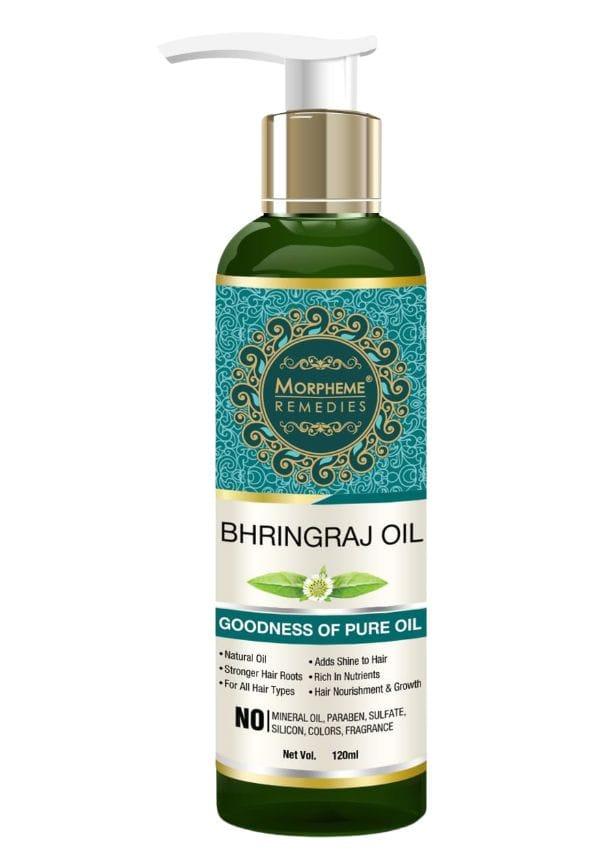
Remedies Bhringraj Oil - No Mineral Oil, Silicones
The first 1-2 weeks focus on soothing immediate irritation and stopping further damage. Weeks 3-4 typically show the beginning of barrier strengthening—less sensitivity and improved comfort. Full restoration usually takes 2-3 months of consistent care, with gradual improvements in scalp texture, reduced sensitivity, and better hair quality. Once restored, maintenance routines can be less intensive but should remain consistent.
With consistent care, improvements are typically noticeable within two to four weeks. However, complete recovery may take 2-3 months depending on the extent of damage and consistency of your routine. Patience is crucial—rushing the process with harsh treatments often sets back progress.
While similar principles apply, scalp skin is thicker and has different needs due to hair follicles and sebaceous gland density. Scalp-specific products are usually more effective, though some gentle facial oils can work well for scalp care.
Dry scalp lacks moisture, while damaged barrier involves compromised protective function. Dry scalp might improve with simple moisturising, but barrier damage requires more comprehensive repair approaches including pH rebalancing and anti-inflammatory care.
Positive signs include reduced itching, less tightness after washing, decreased sensitivity to products, and improved overall comfort. On Smytten, you can try various scalp care products in mini sizes before committing to full-size purchases, making it easier to find what works for your specific needs.
Not necessarily, but choose gentle, water-based products without alcohol or harsh chemicals. Focus on scalp health first, then gradually reintroduce styling products as your barrier strengthens.
Restoring scalp barrier function is a gradual process that requires consistency, patience, and the right approach for your specific situation. Focus on gentle cleansing, barrier-strengthening ingredients, and protecting your scalp from further damage. Natural approaches work well for most people, but don't hesitate to seek professional help if symptoms persist or worsen. Remember that scalp health directly impacts hair health—investing time in barrier restoration pays dividends in stronger, healthier hair over time. The key is finding products and routines that work for your unique scalp needs and sticking with them long enough to see results.
Your scalp barrier restoration journey doesn't have to involve expensive guesswork or cabinet full of products that don't work for you. Smytten is India's largest product discovery and trial platform, connecting you with over 2,400 trusted brands including WishCare, Bella Vita, and other scalp care specialists. Through curated trial packs, you can explore barrier-repairing serums, gentle shampoos, and soothing treatments before committing to full-size purchases. With up to 10 trial points for just ₹279 and 100% cashback on trial purchases, you can discover what truly works for your scalp without the financial risk. The platform's 90% pincode coverage ensures that whether you're in a tier 1 or tier 2 city, authentic, brand-verified minis reach you directly. When you find products that genuinely restore your scalp barrier function, purchasing the full-size versions is just a click away in Smytten's shop. After all, why settle for maybe when you can try it all and find exactly what your scalp needs to thrive?
