How to Repair Sun Damage with Vitamin C Effectively


Let's be real—sun damage is one of those things that sneaks up on you. One day you're basking in the glow of a perfect beach holiday, and the next you're staring at dark spots and uneven patches wondering where your radiant skin went. But here's the good news: vitamin C for sun damage repair isn't just skincare hype—it's actually backed by solid science. This powerhouse antioxidant can genuinely help reverse the clock on photodamage, fade those stubborn spots, and get your skin back to its happy place. Whether you're dealing with fresh damage or years of accumulated sun exposure, vitamin C might just become your skin's new best friend.
Before we dive into solutions, let's talk about what's actually happening when your skin gets sun damage. It's not just about getting a bit too crispy on holiday—there's a whole cascade of cellular chaos going on beneath the surface.
UV radiation from the sun creates free radicals in your skin—think of them as tiny troublemakers that wreak havoc on your cells. These unstable molecules damage collagen, disrupt melanin production, and basically throw your skin's natural repair processes into disarray.
The visible signs? Dark spots, age spots, fine lines, and that frustrating uneven skin tone that no amount of foundation seems to fix. The tricky bit is that sun damage is cumulative—every unprotected moment in the sun adds up over time, which is why damage often appears years after the actual exposure.
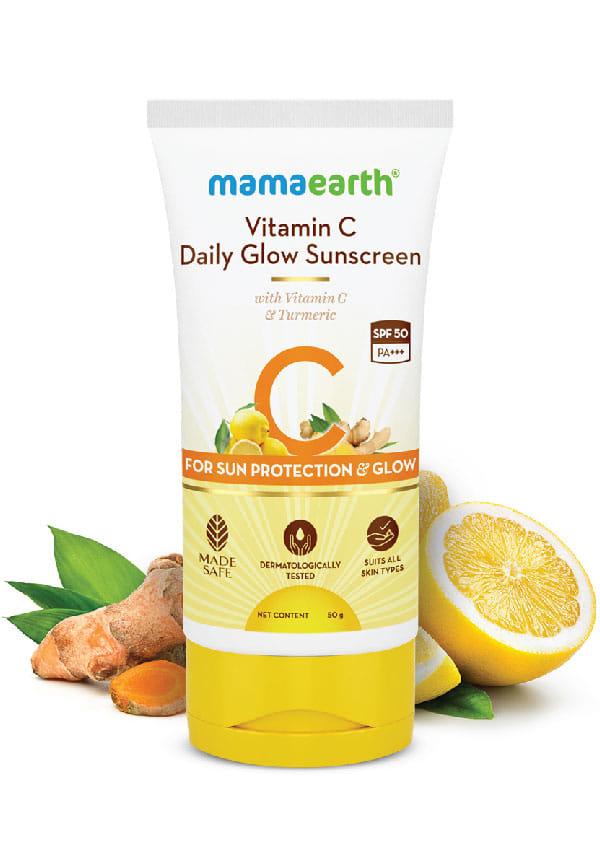
Vitamin C Daily Glow Sunscreen SPF 50 PA+++
Here's where vitamin C becomes your skin's superhero. As a potent antioxidant, it neutralises those pesky free radicals before they can cause more damage. But that's just the beginning—vitamin C also kickstarts collagen production in your skin, which helps repair existing damage and prevents future breakdown.
The magic happens at the cellular level. Vitamin C supports your skin's natural repair mechanisms, helping damaged cells regenerate more effectively. It's like giving your skin the tools it needs to fix itself from the inside out.
Clinical studies consistently show that vitamin C outperforms many other antioxidants for skin repair when it comes to reversing photodamage. Unlike some ingredients that only prevent future damage, vitamin C actively works to undo existing harm whilst providing ongoing protection.
What makes it particularly brilliant is its dual action—it's both a treatment and a preventative measure. Think of it as your skin's personal bodyguard and repair crew rolled into one.
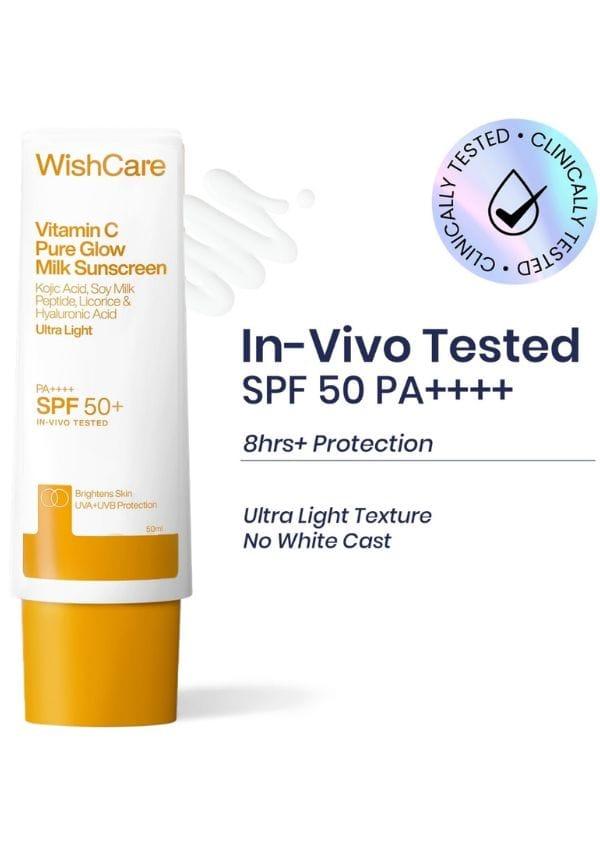
Vitamin C Pure Glow Face Sunscreen SPF 50 PA++++
Not all sun damage is created equal, and the good news is that vitamin C is pretty versatile when it comes to tackling different types of photodamage. Let's break down what you can realistically expect it to fix.
Those dark spots that seem to appear out of nowhere? Vitamin C is particularly effective at fading them. It works by inhibiting tyrosinase, the enzyme responsible for melanin production, which helps prevent new dark spots whilst gradually lightening existing ones.
For hyperpigmentation treatment, consistency is key. Most people start seeing improvements in 4-6 weeks, with significant fading occurring over 3-6 months of regular use.
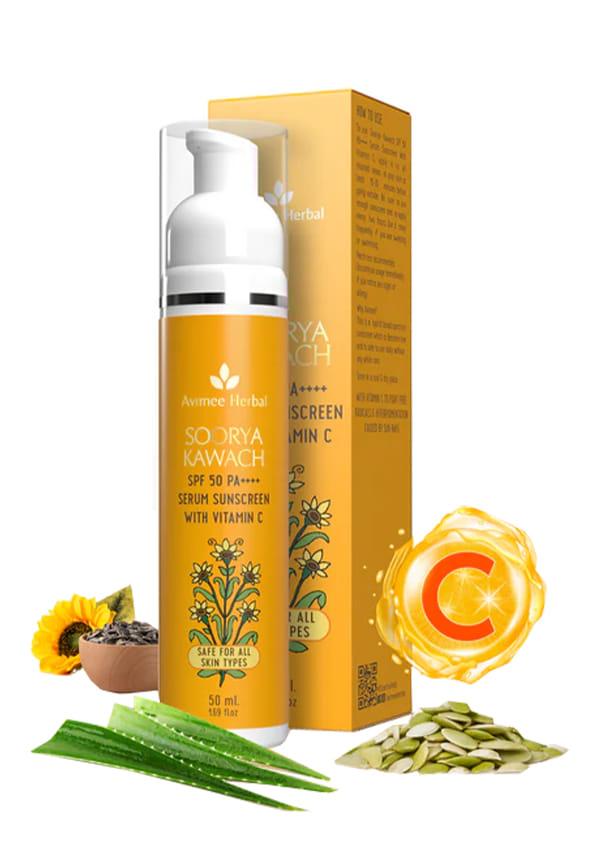
Soorya Kawach Sunscreen with Vitamin C
Beyond individual dark spots, vitamin C excels at addressing overall skin discoloration correction. Its vitamin C skin brightening properties help even out patchy areas and restore your natural radiance.
The brightening effect isn't just about fading dark areas—it's about bringing back that healthy glow that sun damage tends to steal. Many users notice their skin looks more luminous and even-toned within the first month of consistent use.
Sun damage doesn't just affect pigmentation—it also breaks down collagen, leading to rough texture and fine lines. Vitamin C's ability to stimulate collagen production in skin helps smooth out these textural issues over time.
While dramatic wrinkle reduction takes longer, many people notice improved skin smoothness and plumpness within 6-8 weeks of starting a vitamin C routine.
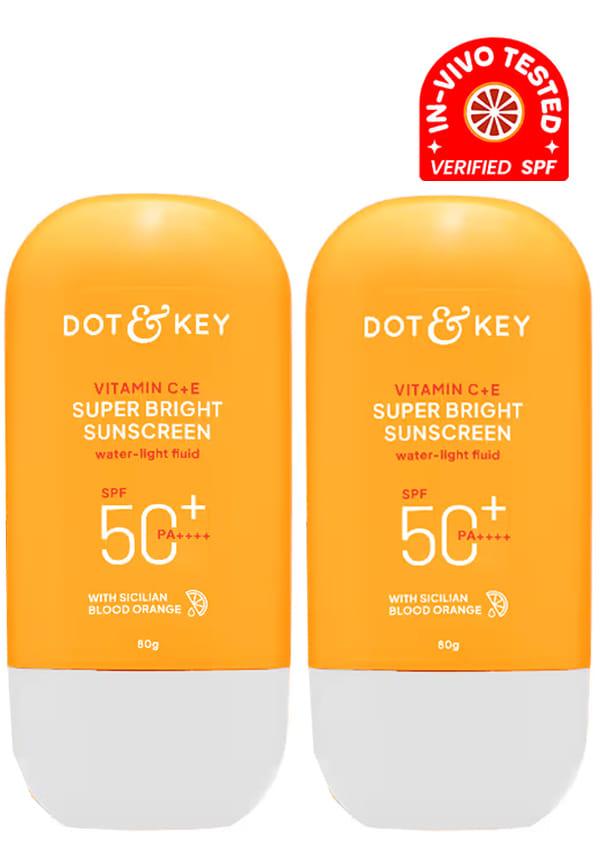
Vitamin C + E Sunscreen, IN-VIVO Tested SPF 50+ PA++++
Here's where things get a bit technical, but stick with me—choosing the right vitamin C serum for face can make or break your results. Not all vitamin C products are created equal, and understanding the differences can save you time, money, and frustration.
L-Ascorbic Acid is the gold standard—it's the most potent and well-researched form. However, it's also the most unstable and can be irritating for sensitive skin. Stable derivatives like Magnesium Ascorbyl Phosphate or Sodium Ascorbyl Phosphate are gentler options that still deliver results.
For sun damage treatment, concentrations between 10-20% tend to be most effective. Start lower if you're new to vitamin C—your skin needs time to adjust.
The best vitamin C serums don't work alone. Look for formulations that include Vitamin E and Ferulic Acid—this trio is scientifically proven to be more effective together than vitamin C on its own.

Vitamin C Sunscreen Spf-50
pH matters too. Vitamin C works best at a pH between 3.5-4.0, so check that your chosen product is formulated correctly for optimal absorption.
You don't need to break the bank for effective vitamin C. While professional-grade serums often have superior formulations, many affordable options deliver excellent results for skin protection from sun damage.
The key is finding a product with stable vitamin C, proper pH, and protective packaging. Dark glass bottles or opaque tubes help preserve the vitamin C's potency—avoid anything in clear packaging.
Getting the application right is crucial for seeing results. Even the best vitamin C serum won't work if you're not using it properly, so let's nail down the technique that'll give you the best shot at reversing that sun damage.
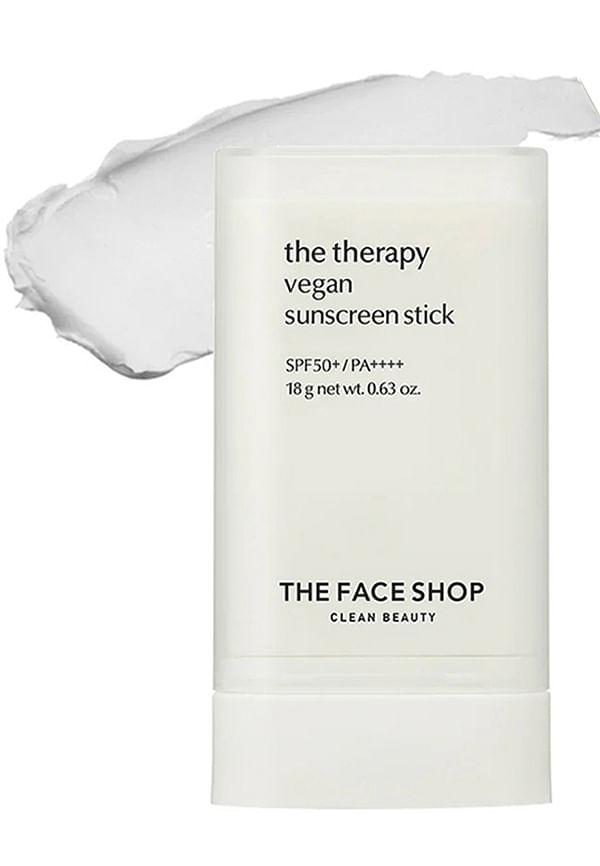
UVA/B Protection Sunscreen Stick SPF50+ PA++++
Apply vitamin C to clean, dry skin in the morning—this timing maximises its protective benefits throughout the day. Use 2-3 drops for your entire face and neck, gently patting it in rather than rubbing.
Start with every other day for the first week, then gradually increase to daily use as your skin adjusts. Some people can handle twice-daily application, but morning use is generally more beneficial for skin protection from sun exposure.
Vitamin C plays well with most ingredients, but there are a few combinations to approach carefully. Avoid using it directly with retinol or benzoyl peroxide—these can reduce vitamin C's effectiveness or cause irritation.
Hyaluronic acid, niacinamide, and peptides are all excellent companions that can enhance vitamin C's benefits without causing conflicts.
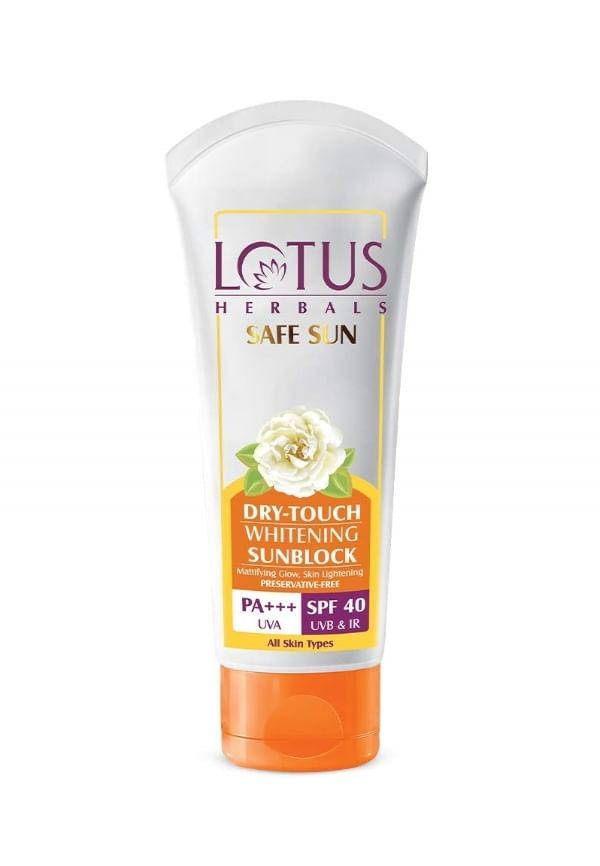
Safe Sun Dry-Touch Whitening Sunscreen SPF 40 PA+++
This cannot be overstated: SPF is non-negotiable when using vitamin C for sun damage repair. While vitamin C provides some protection, it's not a substitute for proper sunscreen.
Use broad-spectrum SPF 30 or higher daily, reapplying every 2 hours when outdoors. This prevents new damage whilst your vitamin C works on repairing existing issues.
Managing expectations is crucial when it comes to skincare, especially for sun damage repair. Here's a realistic timeline of what you can expect as your skin transforms with consistent vitamin C use.
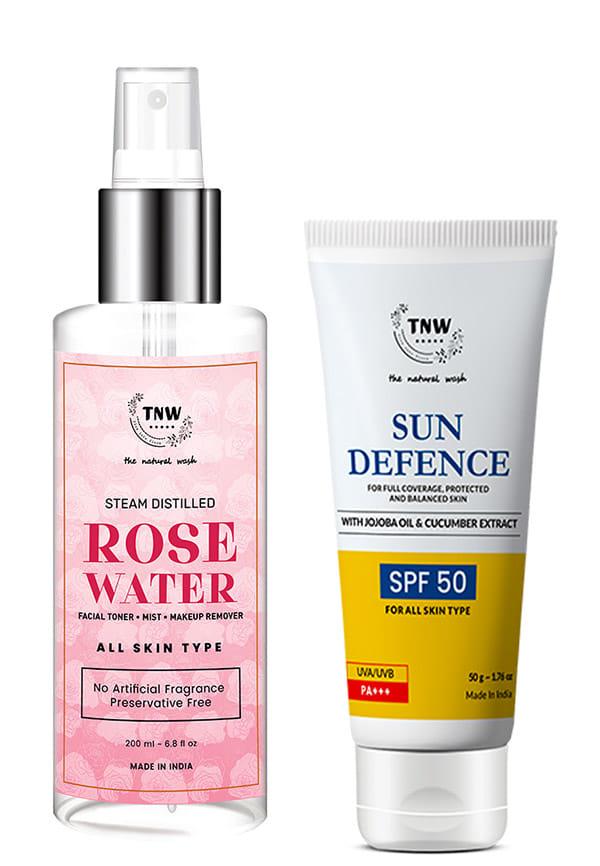
Combo of Rose Water Toner & Sun Defence Sunscreen Cream | Toner For Face Makeup Remover For All Skin Types 200 ML | SPF50 Lotion, Sun Protection For
The first changes you'll notice are subtle but encouraging. Your skin might look brighter and feel smoother, with a more even texture. Some people notice their complexion looks more radiant even before specific spots start fading.
This initial glow is vitamin C's antioxidant action at work—it's protecting your skin from daily environmental damage whilst beginning the repair process.
This is where the real magic happens. Dark spots begin to fade noticeably, fine lines soften, and your overall skin tone becomes more even. The collagen production boost becomes apparent as your skin looks plumper and more youthful.
For significant hyperpigmentation treatment results, patience is essential. Deep, established sun damage takes time to fade, but the improvements are worth the wait.
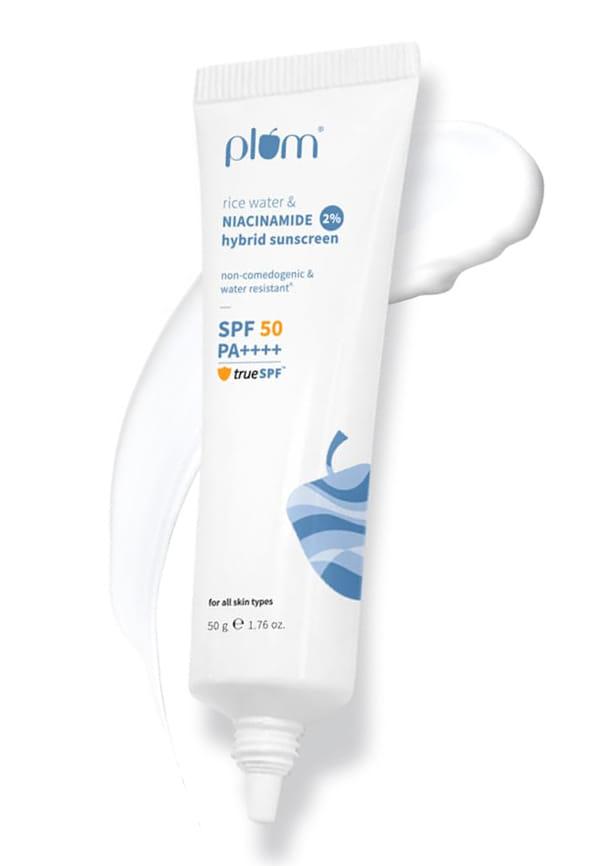
2% Niacinamide & Rice Water SPF 50 PA++++ Hybrid Sunscreen
Once you've achieved your desired results, vitamin C becomes part of your maintenance routine. Continued use helps preserve improvements whilst protecting against new damage.
Remember, sun damage is an ongoing concern—even with perfect vitamin C use, unprotected sun exposure can quickly undo your progress.
With so many vitamin C options available, finding the right one for your skin and budget can feel overwhelming. This is where Smytten's approach to product discovery becomes invaluable—you can try different vitamin C serums without committing to full-size purchases.
Smytten offers curated trial packs from over 1,500 trusted brands, including skincare favourites like Cetaphil and Dot & Key. You can get up to 8 minis for just ₹249, with 100% cashback redeemable for future orders. This means you can experiment with different vitamin C formulations to find what works best for your skin without the financial risk of buying full-size products that might not suit you.
The platform's trial-first approach is perfect for vitamin C shopping—you can test different concentrations, formulations, and brands to discover your ideal match. Once you find a product you love, purchasing the full-size version is just a click away.
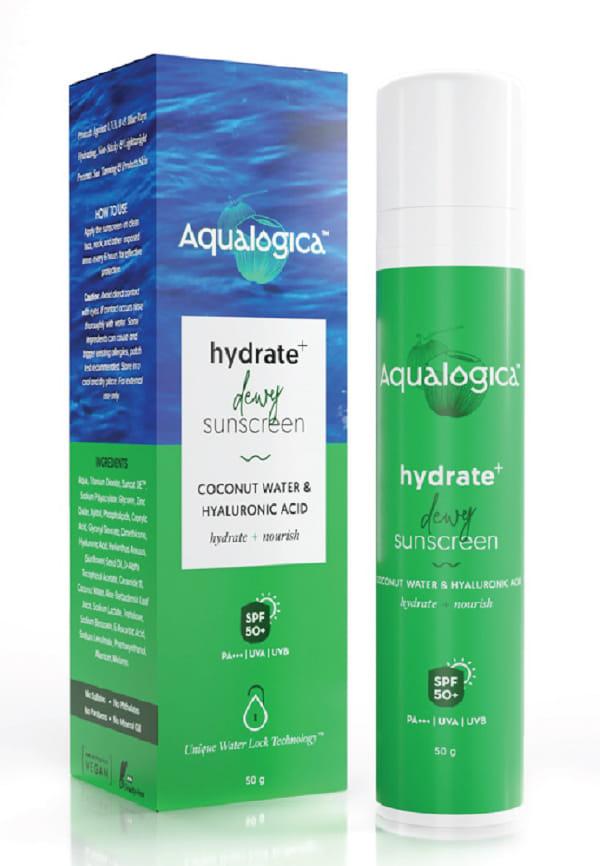
Hydrate+ Sunscreen with SPF 50 For UVA/B & Blue Light Protection, Gel
Yes, vitamin C can effectively reverse sun damage by neutralising free radicals, stimulating collagen production, and promoting cellular repair. It helps fade dark spots, improve skin texture, and restore natural brightness whilst protecting against future photodamage. Results typically become visible within 4-6 weeks of consistent use.
Daily vitamin C application provides cumulative benefits including enhanced collagen synthesis, improved skin barrier function, reduced hyperpigmentation, and ongoing protection against environmental damage. Most skin types tolerate daily use well when properly introduced, starting with every other day initially.
Initial brightening effects appear within 2-4 weeks, whilst significant improvements in dark spots and texture typically take 3-6 months of consistent use. The timeline varies depending on the severity of damage and your skin's natural repair rate.
L-Ascorbic Acid is the most potent and well-researched form for sun damage repair. However, stable derivatives like Magnesium Ascorbyl Phosphate may be better for sensitive skin. Concentrations between 10-20% are most effective for treating photodamage.
Yes, vitamin C works well with hyaluronic acid, niacinamide, and peptides. However, avoid combining it directly with retinol or benzoyl peroxide in the same routine, as these can reduce effectiveness or cause irritation.
Repairing sun damage with vitamin C isn't about overnight miracles—it's about consistent, science-backed skincare that actually works. The key is finding the right formulation for your skin, using it correctly, and maintaining realistic expectations about the timeline.
Remember, the best vitamin C for sun damage repair is the one you'll actually use consistently. Whether that's a budget-friendly option or a premium serum, consistency trumps everything else when it comes to seeing results.
With over 25 million users trusting Smytten's trial-first approach, you can explore different vitamin C options risk-free. After all, why settle for 'maybe' when you can try it all and find what truly works for your skin? Your future self will thank you for taking action today—and your skin will show the results.
