How to Repair Skin Barrier After Active Overload


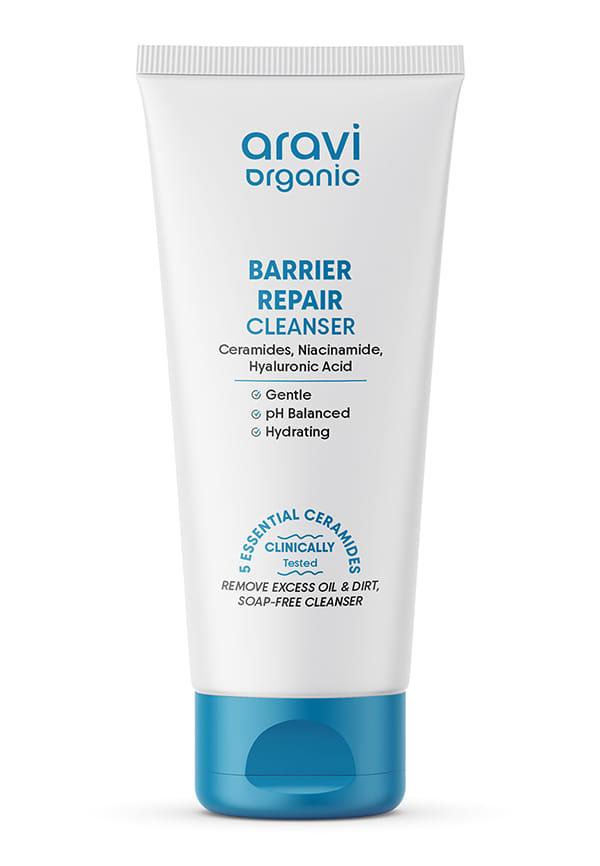
Hydrating Barrier Repair Face Wash - With Ceramide & Niacinamide
TL;DR
Active overload occurs when you use too many potent skincare ingredients without proper spacing, leading to a damaged skin barrier
Signs include persistent redness, stinging sensations, increased sensitivity, and unusual breakouts
Recovery follows a 3-phase approach: emergency stabilisation (1-7 days), active repair (2-4 weeks), and strengthening (4-8 weeks)
Key repair ingredients include ceramides, niacinamide, hyaluronic acid, and gentle anti-inflammatory compounds
Complete active pause is essential—resist the urge to rush back to your usual routine
That burning sensation when you apply your usual serum, the unexpected breakouts appearing in places you've never had spots before, or the way your skin feels tight and angry despite slathering on moisturiser—sound familiar? You've likely experienced active overload, and your skin barrier is waving a white flag. When we get excited about skincare actives like retinol, AHAs, and vitamin C (and honestly, who doesn't love a good glow-up?), it's easy to pile them on without considering how our skin actually processes these powerful ingredients. The result? A compromised skin barrier that's crying out for help. The good news is that with the right approach and a bit of patience, you can absolutely restore your skin's natural protective function. Whether you're dealing with mild irritation or full-blown sensitivity, understanding how to repair your skin barrier after active overload is crucial for getting back to healthy, resilient skin. At Smytten, we've seen countless users navigate this exact journey, discovering gentle yet effective products that help rebuild their skin's natural defences without breaking the bank.
Active overload happens when you introduce multiple potent skincare ingredients—think retinol, glycolic acid, salicylic acid, or vitamin C—without giving your skin adequate time to adjust. Your skin barrier, that crucial protective layer made up of lipids, ceramides, and dead skin cells, becomes overwhelmed and starts breaking down. It's like asking your skin to run a marathon when it's only trained for a 5K.
The most common culprits? Using retinol and AHAs on the same night, layering vitamin C with exfoliating acids, or jumping straight into daily use of strong actives without a gradual introduction. When this happens, your skin's natural pH balance gets disrupted, the lipid barrier becomes compromised, and suddenly everything feels like it's burning—even your gentle cleanser.
Recognising the signs of a damaged skin barrier is crucial for knowing when to hit the pause button on your active routine. Your skin has a way of communicating distress, and learning its language can save you weeks of unnecessary irritation.
Immediate warning signs include that telltale stinging sensation when applying products that never bothered you before, persistent redness that doesn't calm down after a few hours, and skin that feels uncomfortably tight even after moisturising. You might also notice increased sensitivity to temperature changes or fabrics that previously felt fine.
Progressive symptoms develop over days or weeks and include excessive dryness despite using your usual moisturiser, flaking or peeling skin, and a general feeling that your skin has become more reactive to everything. Many people also experience what feels like dehydration—that papery texture that no amount of hydrating products seems to fix.
Advanced damage indicators are the red flags that mean you need to take immediate action. These include persistent irritation that lasts more than 48 hours, breakouts appearing in unusual areas (especially if you don't typically get spots there), and skin that looks visibly inflamed or feels hot to the touch.
Here's where it gets tricky—distinguishing between normal purging and actual barrier damage. Purging typically occurs in areas where you usually break out and follows a predictable timeline, usually resolving within 4-6 weeks. The spots that appear during purging are usually smaller and heal faster than your typical breakouts.
Barrier damage, however, causes breakouts in unexpected places, persistent irritation that doesn't improve with time, and skin that feels consistently uncomfortable rather than just temporarily reactive. If you're experiencing burning sensations or if your skin feels worse after several weeks rather than gradually improving, you're likely dealing with barrier damage rather than purging.
When you realise you've pushed your skin too far, your first instinct might be to reach for more products to "fix" the situation. Resist this urge completely. The most effective immediate response is actually to do less, not more.
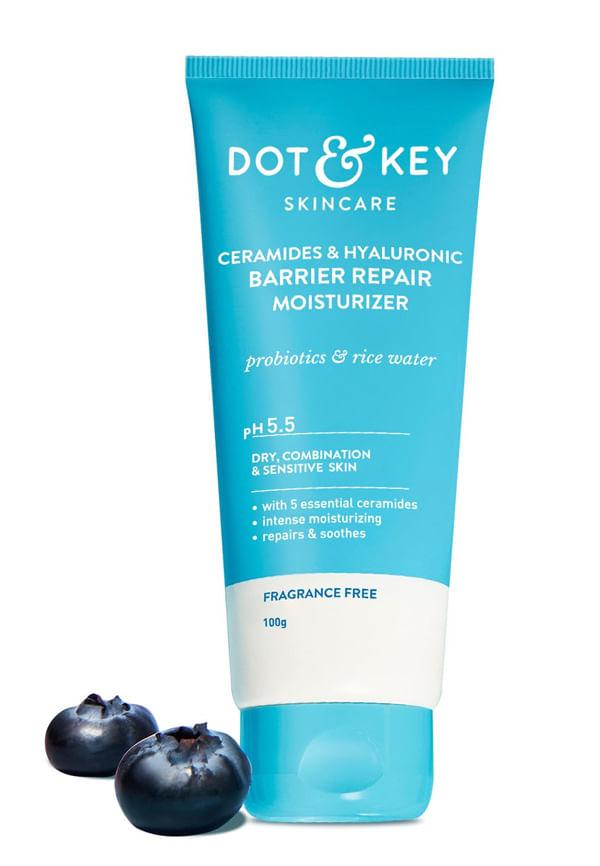
Ceramides & Hyaluronic Barrier Repair Moisturizer
Worth Every Penny
 5
5“every penny worth in this product”
Excellent Moisturizer
5“best moisturizer..not oily and good for every weather”
Excellent Moisturizer
5“best moisturizer..not oily and good for every weather”
Step 1: Complete Active Pause means stopping all actives immediately—no exceptions. This includes retinol, AHAs, BHAs, vitamin C, benzoyl peroxide, and any other treatment products. Yes, even that "gentle" glycolic toner needs to go on pause. Your skin needs time to recover without any additional chemical stress.
Step 2: Gentle Cleansing Protocol involves switching to the mildest cleanser you own or can quickly obtain. Look for cream or lotion cleansers without sulfates, fragrances, or any active ingredients. The Minimalist 5% Aquaporin Booster Cleanser For Dry Skin With Hyaluronic Acid is particularly effective during this phase, as it cleanses without stripping while actually adding hydration back to compromised skin.
Step 3: Immediate Barrier Support focuses on applying a simple, fragrance-free moisturiser that contains barrier-repairing ingredients like ceramides or niacinamide. The key is choosing products with minimal ingredient lists to avoid further irritation.
Step 4: Sun Protection Intensification becomes even more critical when your barrier is compromised. Damaged skin is more susceptible to UV damage, so never skip SPF during recovery.
Repairing your skin barrier isn't a quick fix—it's a methodical process that requires patience and consistency. Think of it as rehabilitation rather than a sprint to the finish line. Each phase builds upon the previous one, gradually restoring your skin's natural protective function.
This phase is all about damage control and immediate comfort. Your routine should be pared down to absolute essentials: gentle cleanser, simple moisturiser, and SPF during the day. The Neutrogena Hydro Boost Cleanser Water Gel With Hyaluronic Acid works beautifully here, providing hydration while gently removing impurities without further compromising your barrier.
Focus on ingredients that provide immediate relief: hyaluronic acid for hydration, ceramides for barrier repair, and niacinamide for anti-inflammatory benefits. Avoid anything with fragrance, essential oils, or high concentrations of any active ingredient.
Once the immediate irritation has calmed, you can begin introducing more targeted repair ingredients. This is when you might add a gentle serum with barrier-supporting ingredients or a more intensive moisturiser. The Minimalist Ceramides & Hyaluronic Barrier Repair Moisturizer is excellent for this phase, combining multiple ceramides with hyaluronic acid for comprehensive barrier restoration.
You can also begin gentle hydration layering—applying multiple thin layers of hydrating products rather than one thick layer. This technique helps rebuild the skin's moisture reservoir without overwhelming compromised skin.
This final phase focuses on building long-term resilience and very gradually reintroducing actives if desired. Start with the gentlest active you want to use, perhaps once a week, and monitor your skin's response carefully. The Plum Goji Berry & 5% Glycolic Acid Exfoliating Toner can be an excellent choice for gentle reintroduction, as it combines exfoliation with antioxidant benefits in a relatively mild formulation.
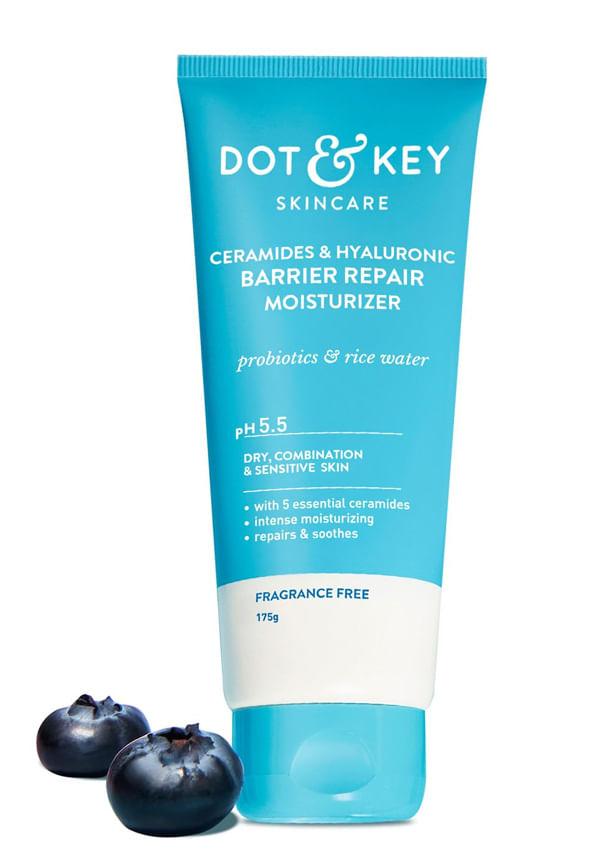
Ceramides & Hyaluronic Barrier Repair Moisturizer
Good & Similar Product
5“Good product, best product and very similar product”
Good & Similar Product
5“Good product, best product and very similar product”
Good & Similar Product
5“Good product, best product and very similar product”
Understanding which ingredients actually help repair your skin barrier versus those that might hinder recovery is crucial for making informed product choices. Not all "gentle" ingredients are created equal, and some supposedly mild products can still irritate compromised skin.
Barrier repair heroes include ceramides, which are lipid molecules that naturally occur in your skin barrier and help restore its protective function. Cholesterol and fatty acids work synergistically with ceramides to rebuild the lipid matrix. The The Derma Co. 5% Nia-Ceramide Deep Moisturizing Cream combines high concentrations of both niacinamide and ceramides for intensive barrier repair.
Hydration boosters like hyaluronic acid, glycerin, and sodium PCA help restore your skin's moisture balance without adding potentially irritating actives. These ingredients work by drawing moisture from the environment and deeper skin layers to the surface.
Anti-inflammatory agents such as niacinamide, centella asiatica, and colloidal oatmeal help calm irritation while supporting barrier repair. Niacinamide is particularly valuable as it not only reduces inflammation but also helps regulate oil production and strengthen the barrier function.
Natural healing compounds including honey, aloe vera, and calendula provide gentle anti-inflammatory and antimicrobial benefits without the potential irritation of synthetic actives.
Even with the best intentions, it's easy to make mistakes that prolong your recovery time. Understanding these common pitfalls can help you avoid setbacks and heal more efficiently.
The biggest mistake is rushing back to actives too quickly. That glow you got from your retinol or glycolic acid will return, but pushing your skin before it's ready will only set you back further. Similarly, over-moisturising can actually clog pores and create new problems, especially if you're layering multiple heavy products.
Another common error is using too many "gentle" products simultaneously. Even mild ingredients can cause irritation when combined, and your compromised skin needs simplicity above all else. Stick to a basic routine until your barrier is fully restored.
Inconsistent routine application also slows recovery. Your skin barrier repairs itself most effectively when it receives consistent, gentle care rather than sporadic intensive treatments.
Product | Best For Skin Type | Key Concern | Price Range | Key Ingredients |
|---|---|---|---|---|
Minimalist Ceramides & Hyaluronic Barrier Repair Moisturizer | Combination, Sensitive | Barrier repair, Hydration | Mid-range | 5 Ceramides, Hyaluronic Acid, Probiotic complex |
The Derma Co. 5% Nia-Ceramide Deep Moisturizing Cream | Dry, Sensitive | Intensive barrier repair | Premium | 5% Niacinamide, 1% Ceramide, Urea |
Neutrogena Hydro Boost Cleanser Water Gel | Dry, Sensitive | Gentle cleansing with hydration | Mid-range | Hyaluronic Acid |
Aqualogica Overnight Hydra Mask | Combination, Sensitive | Overnight barrier support | Mid-range | 5 Ceramides, Hyaluronic Acid, Avocado Oil |
Bioderma Sensibio Defensive Rich Active Soothing Cream | Sensitive, Reactive | Chronic sensitivity | Premium | Defensive Technology, Soothing complex |
While most cases of active overload can be managed at home with patience and the right products, certain situations require professional intervention. If you're experiencing persistent pain, signs of infection, or if your skin hasn't shown any improvement after 4-6 weeks of gentle care, it's time to consult a dermatologist.
Red flags that warrant professional consultation include skin that feels hot to the touch for more than 48 hours, any signs of bacterial infection like pustules or spreading redness, or if you're experiencing severe reactions like widespread hives or swelling.
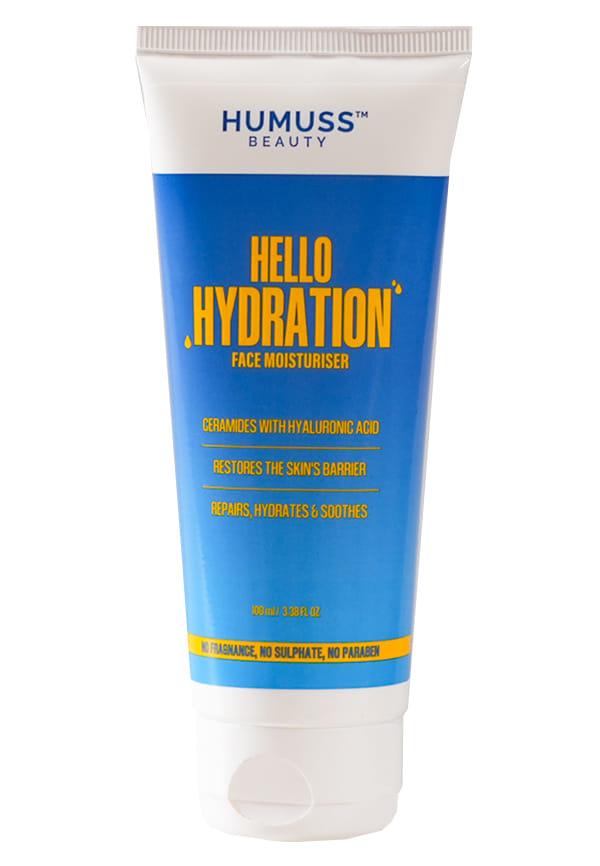
Hello Hydration' Barrier Repair Ceramides & Hyaluronic Acid Face Moisturiser
For long-term prevention, the key is building a sustainable routine that respects your skin's limits. This means introducing new actives one at a time, starting with lower concentrations, and always maintaining a strong foundation of gentle cleansing, adequate moisturising, and consistent sun protection.
The fastest way is actually to slow down and simplify your routine completely. Stop all actives immediately, use only gentle, fragrance-free products, and focus on hydration and protection. Most people see improvement within 7-10 days of this approach, though complete healing takes 4-8 weeks.
Absolutely. Your skin barrier has remarkable regenerative abilities when given the right conditions. With consistent gentle care, adequate hydration, and barrier-supporting ingredients like ceramides and niacinamide, most people can fully restore their barrier function within 6-8 weeks.
The timeline varies depending on the severity of damage, but generally follows this pattern: immediate relief within 3-7 days, significant improvement within 2-4 weeks, and complete restoration within 6-8 weeks. Severe damage may take up to 12 weeks to fully heal.
Yes, but choose products carefully. Opt for mineral makeup without fragrances or harsh preservatives, and always use a gentle makeup remover. Many people find that their skin tolerates makeup better when they use a barrier-repairing primer underneath. Products available on Smytten often include gentle makeup options that work well during recovery periods.
Slight initial irritation can be normal as your skin adjusts to new products, but your skin should generally feel more comfortable within 24-48 hours of starting a gentle routine. If irritation persists or worsens after 3-4 days, you may need to simplify your routine further.
Repairing your skin barrier after active overload requires patience, consistency, and a willingness to step back from your usual routine. The most effective approach is often the simplest one: gentle cleansing, adequate moisturising, and protection from further damage. Remember that your skin's natural healing abilities are remarkable when given the right support.
Focus on barrier-supporting ingredients like ceramides, niacinamide, and hyaluronic acid while avoiding anything that could cause further irritation. The three-phase recovery approach—stabilisation, repair, and strengthening—provides a structured pathway back to healthy skin without rushing the process.
Most importantly, use this experience as a learning opportunity. Understanding your skin's limits and building a sustainable routine will help prevent future episodes of active overload while still allowing you to enjoy the benefits of effective skincare ingredients.
Navigating skin barrier repair can feel overwhelming, especially when you're dealing with the discomfort of compromised skin. This is where Smytten's try-before-you-buy approach becomes invaluable—you can test gentle, barrier-repairing products without committing to full sizes, ensuring they work for your specific needs during recovery. As India's largest product discovery and trial platform, Smytten connects you with over 2,400 trusted brands including gentle skincare options from Minimalist, The Derma Co., Neutrogena, and Bioderma. With curated trial packs available for just ₹279, you can explore barrier-repair essentials and receive 100% cashback on your trial purchases, making recovery both affordable and risk-free. The platform's extensive reach across 90% pin code coverage means you can access these healing products regardless of your location, while the authentic brand-verified minis ensure you're getting genuine formulations that won't further compromise your skin. When you're rebuilding your skin barrier, every product choice matters—and with Smytten's trial approach, you never have to settle for products that might not work for your skin's current needs.
