How to Remove Tan for Men: Expert Skincare Guide
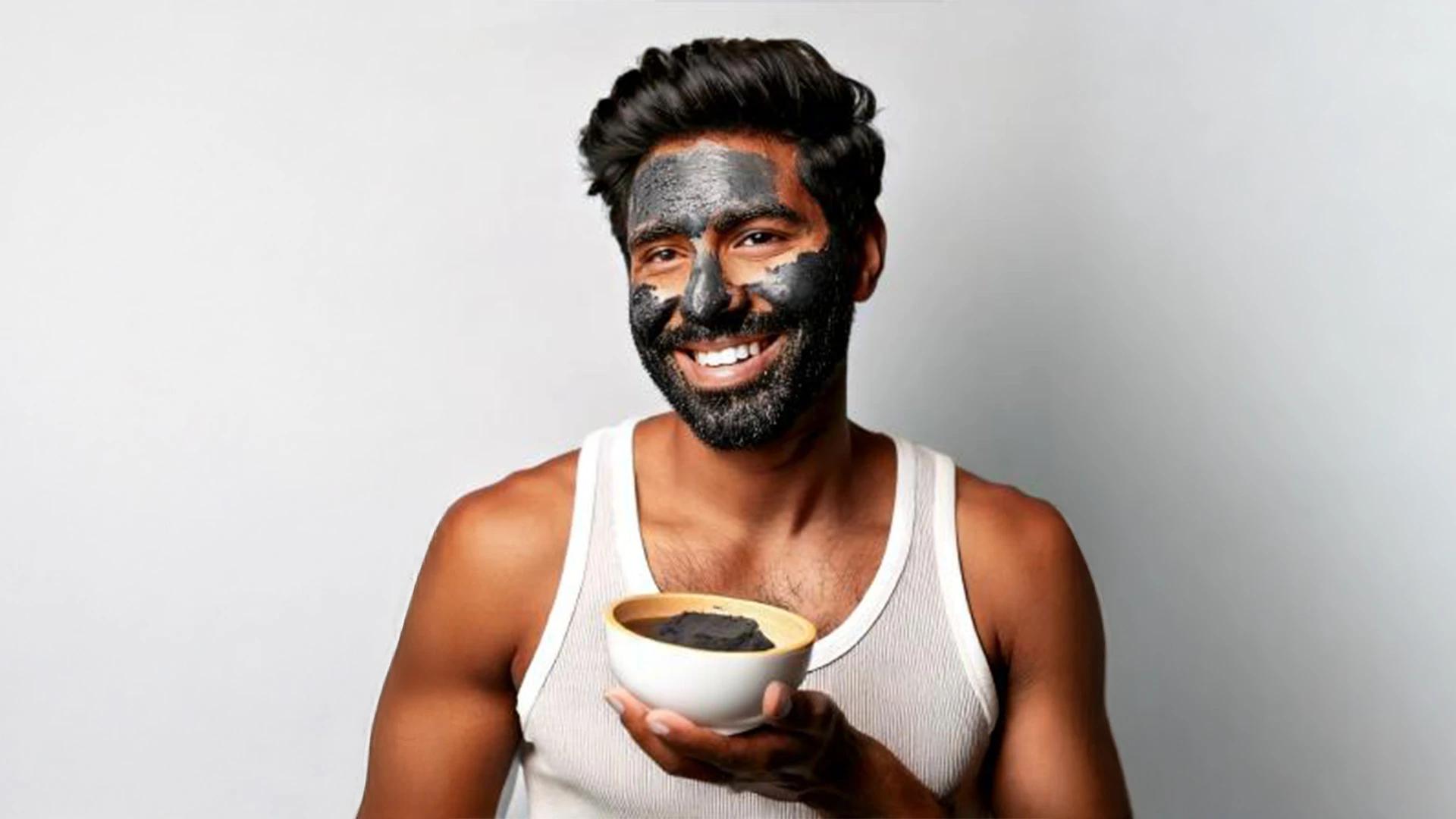

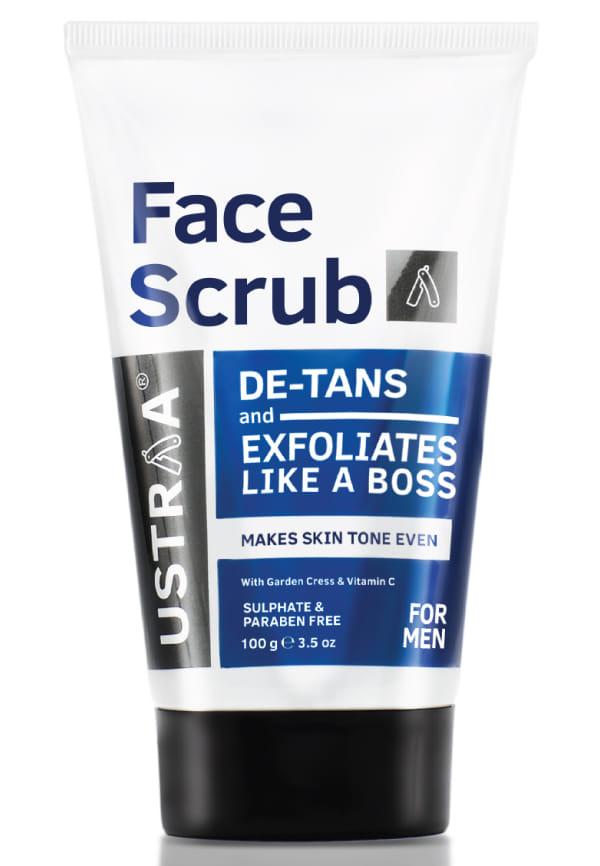
De-tan Face Scrub
Excellent Ustraa Scrub
 5
5“Very nice scrub. First time i ordered ustraa product but its fantastic. Thanks to both brand ustraa and smytten to deliver on the next day”
Effective Product
5“nice it does what it claims effective”
Positive Product Review
4“very good product, would buy again”
Let's be real—dealing with a tan can feel like a proper challenge, especially when you're trying to get your skin back to its natural tone. Whether it's from that beach holiday that went a bit too far or just daily sun exposure that's built up over time, men's tan removal doesn't have to be complicated. Your skin deserves the right care, and with the proper approach, you can tackle that stubborn tan whilst building a skincare routine that actually works for you. From understanding what causes tanning to discovering the most effective tan removal for men methods, we've got everything you need to know about getting your skin looking fresh again.
Before diving into how to remove tan, it's worth understanding what's actually happening to your skin. When your skin gets exposed to UV rays, it produces melanin as a natural defence mechanism. This is what creates that darker colour we call a tan. Men's skin tends to be thicker than women's, which means it can hold onto tanning longer but also respond differently to treatments. There are two main types of tanning you'll encounter. Surface-level tans are the lighter ones that develop from recent sun exposure—these are usually easier to tackle with home remedies and gentle treatments. Deep pigmentation, on the other hand, comes from prolonged or intense sun exposure and might need more targeted approaches. Sun tan removal becomes trickier when you're dealing with artificial tanning products too. These work differently from natural tans because they're created by chemical reactions with the top layer of your skin rather than melanin production. The good news? Most tans, regardless of how they formed, can be addressed with the right combination of techniques.
Sometimes your skin needs a bit more than what you can do at home. Professional treatments offer faster, more dramatic results, especially for stubborn or deep tanning that's been building up over time.
Chemical peels work by removing the top layers of skin where most surface tanning sits. Glycolic acid peels are brilliant for lighter tans and can give you noticeable results in just one session. Salicylic acid peels work well if you've got oily skin alongside your tanning concerns. For deeper pigmentation, TCA peels might be recommended, though these require proper recovery time.
Laser treatments target melanin directly, breaking it down so your body can naturally eliminate it. Carbon laser peels are particularly effective for men's skin brightening because they're gentle enough for regular use but powerful enough to see real results. These treatments typically require multiple sessions but offer long-lasting results.
If you're dealing with uneven tanning or particularly stubborn areas, a dermatologist can recommend medical-grade treatments tailored to your specific skin type and concerns. They might suggest combination therapies or prescription-strength products that aren't available over the counter.
The right products can make all the difference in your tan removal journey. Look for ingredients that are proven to work—vitamin C, kojic acid, arbutin, and niacinamide are all excellent choices for skin lightening for men.
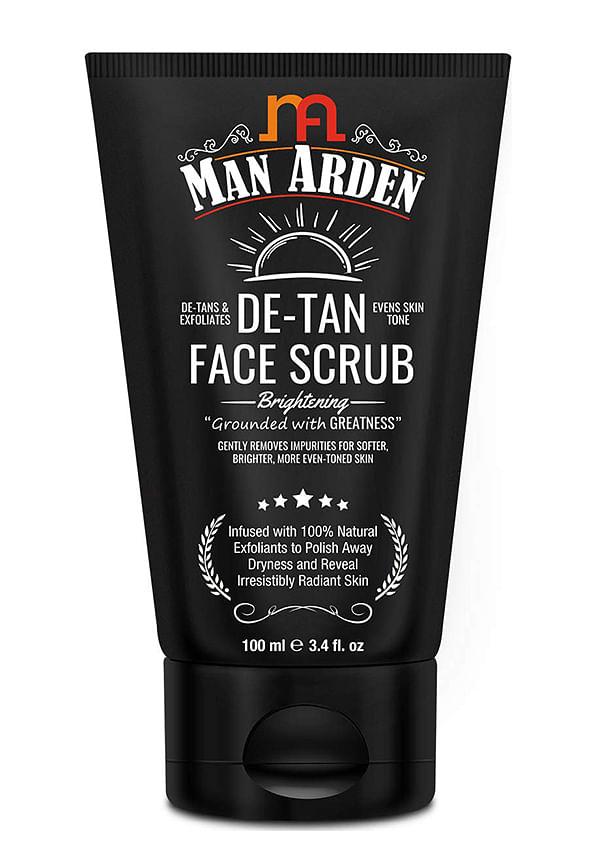
De Tan Brightening Face Scrub
When choosing products, focus on those with multiple active ingredients rather than relying on just one. Vitamin C serums are fantastic for daily use and help prevent future tanning whilst working on existing pigmentation. Kojic acid works particularly well for stubborn spots, whilst arbutin offers gentle but effective results for sensitive skin. Application technique matters just as much as the product itself. Always apply to clean, dry skin and give each product time to absorb before layering anything else on top.
Building tan removal for men into your existing routine doesn't have to mean starting from scratch. Morning routines should focus on protection—cleanser, treatment product, moisturiser, and SPF. Evening routines are perfect for more intensive treatments like retinoids or stronger acids. Always patch test new products, especially if you're trying multiple active ingredients. Your skin needs time to adjust, and rushing the process often leads to irritation rather than results.
Home remedies can be surprisingly effective for de-tanning for men, especially when you're dealing with lighter, more recent tanning. The key is consistency and patience—natural ingredients work more gently than chemical treatments but can deliver excellent results over time.
Lemon and honey masks are classics for good reason. The citric acid in lemon helps exfoliate dead skin cells whilst honey moisturises and soothes. Mix equal parts and leave on for 15-20 minutes before rinsing with cool water. Sandalwood powder combined with rose water creates a paste that's been used for centuries for skin brightening. Apply this mixture twice weekly for best results. Turmeric and yogurt treatments work brilliantly for overall skin tone improvement. The lactic acid in yogurt provides gentle exfoliation whilst turmeric's anti-inflammatory properties help calm any irritation.
Potato slices contain vitamin C and mild acids that can help lighten tanning over time. Simply rub fresh potato slices over affected areas and leave the juice on for 10-15 minutes before rinsing. Cucumber works similarly and has the added benefit of being incredibly soothing for sun-damaged skin. Blend cucumber into a paste and use as a face mask twice weekly. Oatmeal makes an excellent gentle exfoliant. Mix ground oats with milk to create a scrub that removes dead skin cells without being too harsh.
Coconut oil can help break down surface tanning, especially when combined with warm water. Massage the oil into your skin, then take a hot shower to help lift away dead skin cells. Almond oil mixed with a few drops of lemon juice creates an effective overnight treatment for stubborn areas.
When you need faster results, combining multiple approaches often works better than relying on just one method. The key is being strategic about timing and not overwhelming your skin.

De-Tan Face & Body Scrub
Good Quality, Highly Recommended
5“it's a very good quality and i recommend this product to use it . such amazing things.”
Start with gentle exfoliation to remove the top layer of tanned skin cells. Use a chemical exfoliant like glycolic acid or a physical scrub, but not both on the same day. Follow up with a vitamin C serum in the morning and a retinoid or stronger treatment product in the evening. Always finish with moisturiser and SPF during the day. Consistency beats intensity—it's better to use gentler products daily than harsh treatments sporadically.
Most people start seeing improvements within the first week, though dramatic changes typically take 2-4 weeks of consistent treatment. Surface tans respond faster than deep pigmentation, so adjust your expectations accordingly. If you're not seeing any improvement after two weeks, consider stepping up your routine or consulting a dermatologist for stronger options.
Your face needs special attention when it comes to men's facial care and tan removal. Facial skin is more delicate than body skin, so treatments need to be adjusted accordingly.
Gentle exfoliation is crucial for facial tan removal. Use chemical exfoliants like AHA or BHA rather than harsh scrubs that can damage delicate facial skin. Spot treatments work well for areas of uneven tanning. Apply stronger treatments only to affected areas rather than your entire face. The eye area requires extra care—avoid getting strong treatments too close to your eyes, and always use a separate, gentler product for this delicate area.
Morning routines should focus on protection and gentle treatment. Cleanse, apply vitamin C serum, moisturise, and always finish with SPF 30 or higher. Evening routines can be more intensive. Double cleanse if you've been wearing SPF all day, apply treatment products, and finish with a good moisturiser. Weekly treatments like masks or stronger exfoliants can boost your daily routine's effectiveness.
Preventing future tanning is just as important as treating existing pigmentation. Building good men's skincare habits now will save you time and effort in the future.
SPF isn't just for beach days—daily sun protection is essential for preventing new tanning and protecting the progress you've made. Choose a broad-spectrum SPF 30 or higher and reapply every two hours when you're outdoors. Protective clothing and accessories like hats can provide additional coverage, especially during peak sun hours between 10 AM and 4 PM. Timing your outdoor activities for early morning or late afternoon can significantly reduce your UV exposure whilst still letting you enjoy being outside.
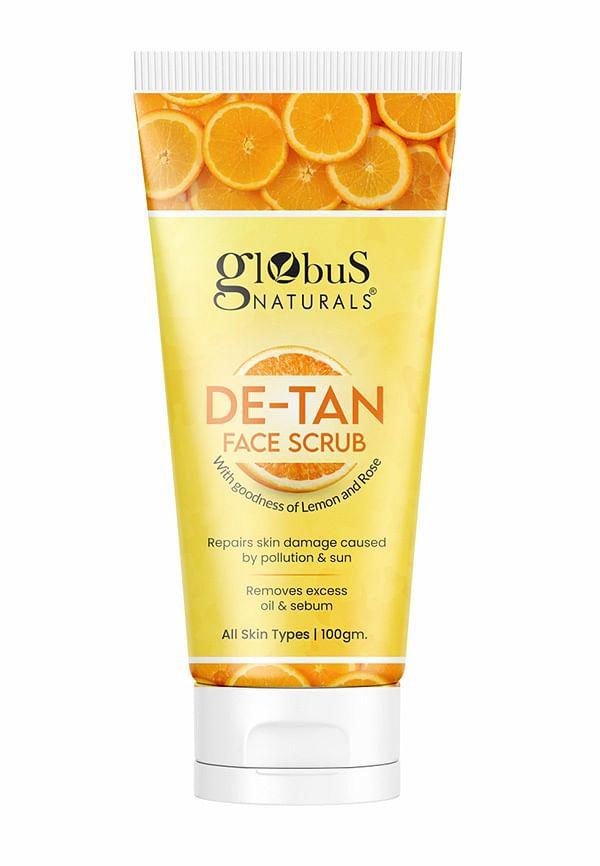
De Tan Face Scrub
Useful with Great Fragrance
5“very useful product fragrance is osm”
Effective Exfoliation, Non-Drying
5“loved it exfoliates without making the skin dry”
Great Texture, Universal Fit
5“I like the texture the most and all things are good every skin tone goes for it”
Daily moisturising helps maintain your skin barrier and keeps your complexion looking even. Well-hydrated skin also responds better to treatment products. Weekly exfoliation prevents dead skin cell buildup that can make tanning appear more pronounced. Choose either chemical or physical exfoliation based on your skin's tolerance. Proper hydration and nutrition support your skin's natural renewal process. Drinking plenty of water and eating foods rich in antioxidants can help maintain your results. When you're exploring different products for your skincare routine, Smytten offers an excellent way to try various options without committing to full-size purchases. With curated trial packs from trusted brands, you can discover what works best for your skin type and concerns before investing in larger products.
Most people notice improvements within 5-7 days when using a consistent routine combining exfoliation, treatment products, and sun protection. Deeper tans may take 2-4 weeks to show significant lightening.
Tan removal home remedies work well for surface-level tanning but may not completely eliminate deeper pigmentation. Natural methods like lemon-honey masks and sandalwood treatments can significantly lighten tans when used consistently.
Combining gentle chemical exfoliation with vitamin C serums and targeted treatment products typically provides the quickest results. Professional treatments like chemical peels offer faster results but require proper aftercare.
Most gentle tan removal products can be used daily, but stronger treatments should be used according to product instructions. Always start slowly and build up frequency to avoid irritation.
Whilst the basic principles are the same, men's skin is typically thicker and may tolerate stronger treatments better. However, individual skin sensitivity matters more than gender when choosing products.
Absolutely—daily SPF use is essential for preventing new tanning whilst treating existing pigmentation. Without sun protection, your tan removal efforts will be much less effective.
Removing tan doesn't have to be complicated, but it does require consistency and the right approach for your skin type. Whether you choose professional treatments, over-the-counter products, or natural remedies, the key is sticking with your routine and protecting your skin from future damage. Remember that everyone's skin responds differently, so what works brilliantly for your mate might not be perfect for you. That's where platforms like Smytten become invaluable—with trial packs from over 1,500 trusted brands, you can explore different skincare options and find your perfect routine without the risk of purchasing full-size products that might not work for you. After all, why settle for 'maybe' when you can try it all and find exactly what your skin needs?
