How to Remove Pigmentation on Nose: Expert Tips

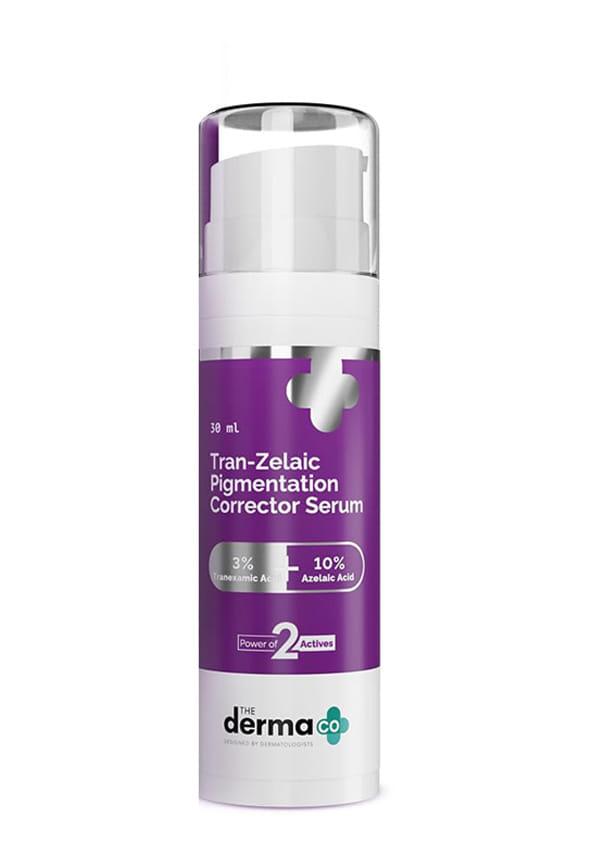
Tran-Zelaic Pigmentation Corrector Serum with Tranexamic Acid & Azelaic Acid
Light and Soothing on Skin
 5
5“no heaviness, very soothing on skin”
Light and Soothing on Skin
5“no heaviness, very soothing on skin”
Light and Soothing on Skin
5“no heaviness, very soothing on skin”
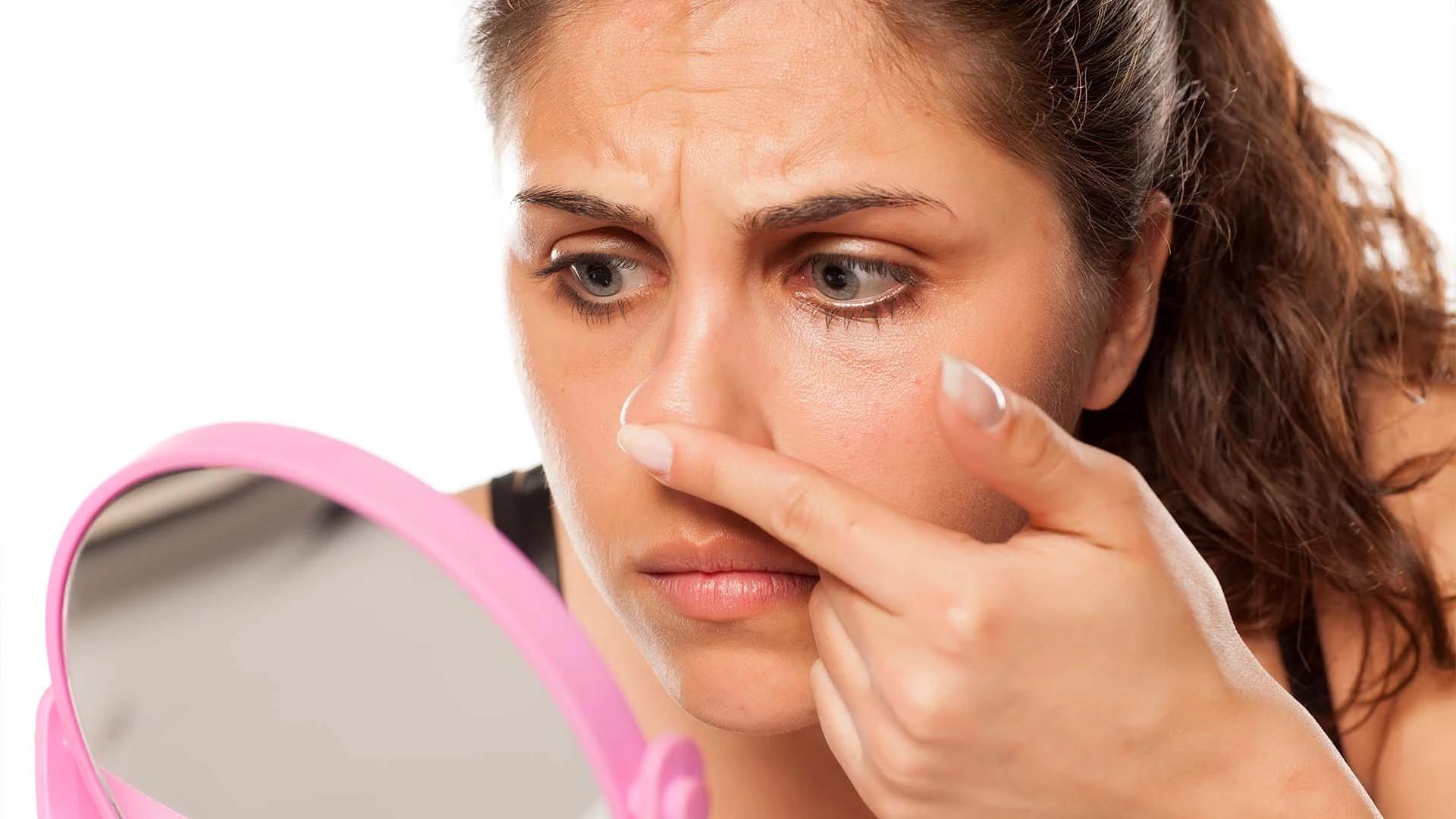
That stubborn dark spot on your nose isn't just being dramatic—it's actually one of the most common places for pigmentation to show up. Your nose gets hit with direct sunlight all day, making it a prime target for dark spots, sunspots, and uneven skin tone. The good news? There are loads of ways to tackle nose pigmentation, from gentle home remedies to professional treatments that actually work. Whether you're dealing with post-acne marks or sun damage from years of forgetting to reapply SPF, we've got the lowdown on what really works and what's just skincare folklore.
Before diving into solutions, let's get real about what causes those dark spots on your nose in the first place. Understanding the root cause helps you pick the right treatment and avoid wasting time on methods that won't work for your specific type of pigmentation.
Sun exposure is the biggest culprit behind nose pigmentation. Your nose sticks out (literally), catching UV rays from every angle throughout the day. This constant exposure triggers your skin to produce extra melanin as protection, leading to those pesky dark patches and sunspots on your nose.
Post-inflammatory hyperpigmentation is another major player, especially if you've had acne breakouts around your nose area. When your skin heals from inflammation, it sometimes overproduces melanin, leaving behind dark marks that can stick around for months.
Hormonal changes can also cause skin discolouration on your nose, particularly during pregnancy or when starting new medications. This type of pigmentation, called melasma, tends to be more stubborn and often requires professional treatment.
Not all dark spots are created equal. Freckles and ephelides are usually genetic and appear as small, light brown spots that darken with sun exposure. Solar lentigines, or age spots, are larger and darker, typically showing up after years of sun damage.
Melasma appears as larger, irregular patches and is often triggered by hormonal fluctuations. Post-acne marks tend to be round or oval and match the shape of previous breakouts.
When over-the-counter products aren't cutting it, professional treatments can offer faster and more dramatic results. These treatments work by targeting pigment at different skin depths, making them effective for stubborn or deep-set pigmentation.
Q-Switch lasers are considered the gold standard for removing dark spots on your nose. These lasers target melanin specifically, breaking up pigment clusters without damaging surrounding skin. Most people see significant improvement after 3-5 sessions spaced 4-6 weeks apart.
IPL (Intense Pulsed Light) works well for surface-level pigmentation and can treat larger areas at once. It's gentler than traditional lasers but may require more sessions for complete pigment removal.
Fractional laser resurfacing goes deeper, addressing both pigmentation and skin texture. This treatment has more downtime but can tackle severe hyperpigmentation on your nose that hasn't responded to other methods.
Professional chemical peels remove the top layers of pigmented skin, revealing fresher skin underneath. Glycolic acid peels are gentle enough for sensitive nose skin while still providing effective exfoliation.
Salicylic acid peels work particularly well for post-acne pigmentation since they can penetrate oil-filled pores. TCA (trichloroacetic acid) peels go deeper and are reserved for more severe cases of nose pigmentation.
Microdermabrasion physically removes the top layer of pigmented skin using fine crystals or a diamond tip. It's less aggressive than chemical peels but still effective for mild to moderate pigmentation.
Many dermatologists now combine treatments for better results—like following a chemical peel with laser therapy or using microdermabrasion to prep skin for topical treatments.
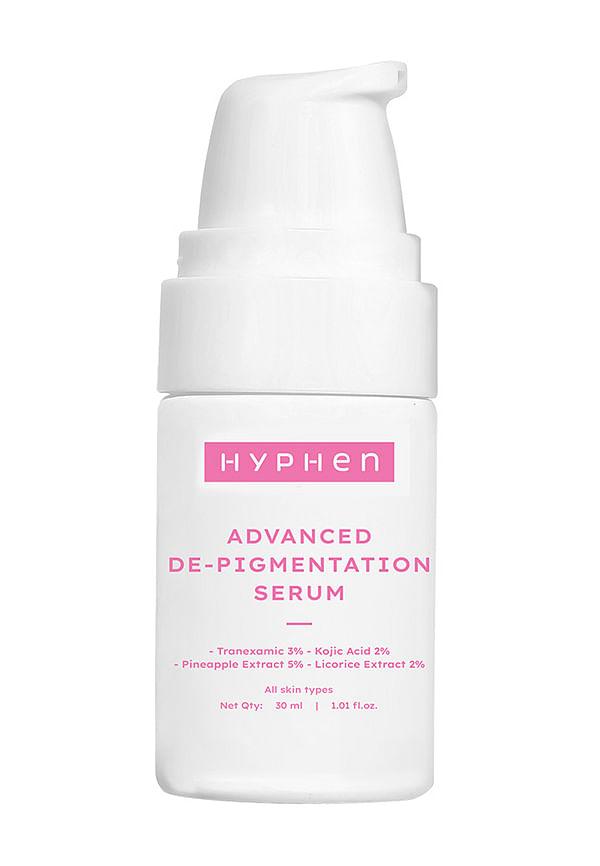
Advanced De-Pigmentation Serum For Hyperpigmentation, Melasma, Dark Spots & Scars
Effective Product, Fully Satisfied
5“Very effective product.. Fully satisfied”
Effective Product, Fully Satisfied
5“Very effective product.. Fully satisfied”
Effective Product, Fully Satisfied
5“Very effective product.. Fully satisfied”
Topical treatments are often the first line of defence against nose pigmentation. They work gradually but can be highly effective when used consistently and correctly.
Hydroquinone remains the most effective topical ingredient for pigmentation removal. Available in 2% over-the-counter formulations or stronger 4% prescription versions, it works by inhibiting melanin production at the source.
Tretinoin and other retinoids speed up cell turnover, helping pigmented skin cells shed faster while preventing new dark spots from forming. They're particularly effective when combined with other brightening ingredients.
Kojic acid offers a gentler alternative to hydroquinone while still providing effective melanin inhibition. It's often found in combination creams alongside other brightening agents for enhanced results.
Vitamin C serums provide antioxidant protection while gradually lightening existing pigmentation. Look for stable forms like magnesium ascorbyl phosphate or sodium ascorbyl phosphate for sensitive nose skin.
Niacinamide (Vitamin B3) helps even out skin tone while strengthening your skin barrier. It's gentle enough for daily use and works well with other brightening ingredients.
Alpha arbutin offers similar benefits to hydroquinone but with less risk of irritation. Azelaic acid provides gentle exfoliation while reducing inflammation, making it perfect for sensitive skin types prone to pigmentation.
Always start with a patch test when trying new pigment removal creams. Apply a small amount to your inner wrist and wait 24 hours to check for reactions.
Begin with every other night application, gradually increasing to nightly use as your skin adjusts. Always follow with a broad-spectrum SPF during the day, as many brightening ingredients can increase sun sensitivity.
While home remedies work more slowly than professional treatments, some natural ingredients have genuine science backing their pigmentation-fighting properties. The key is managing expectations and being consistent with application.
Aloe vera gel contains compounds that inhibit tyrosinase, the enzyme responsible for melanin production. Fresh aloe gel applied nightly can help fade mild pigmentation while soothing irritated skin.
Green tea extract provides powerful antioxidants that protect against further UV damage while gently lightening existing spots. You can apply cooled green tea directly or look for products containing green tea extract.
Licorice root extract contains glabridin, which naturally inhibits melanin production. It's gentler than many synthetic brightening agents and works well for sensitive nose skin.
Create gentle exfoliating treatments using oatmeal mixed with honey for natural enzymes that help remove dead, pigmented skin cells. Apply this mixture 2-3 times weekly for gradual improvement.
Overnight treatments using pure aloe vera gel or diluted apple cider vinegar (1 part vinegar to 3 parts water) can help fade pigmentation while you sleep. Always moisturise afterwards to prevent dryness.

Pigmentation Correction & Barrier Protection Kit
Effective for Pimples
5“this combo helps reduce pimples”
Skip the lemon juice—despite popular belief, citrus can actually worsen pigmentation by causing photosensitivity reactions. The same goes for undiluted essential oils, which can irritate delicate nose skin.
Avoid harsh scrubbing or over-exfoliation, which can trigger more pigmentation through inflammation. Gentle, consistent treatments always win over aggressive approaches.
Preventing new pigmentation is often easier than removing existing dark spots. A solid prevention routine protects your investment in pigmentation treatments while keeping your nose looking clear and even.
Apply SPF 30 or higher to your nose every single day, even when it's cloudy. The nose area needs extra attention during reapplication—aim for every 2 hours when outdoors.
Physical sunscreens containing zinc oxide or titanium dioxide provide excellent protection for sensitive, pigmentation-prone nose skin. They sit on top of skin rather than absorbing into it, reducing irritation risk.
Don't forget accessories like wide-brimmed hats and sunglasses, which provide additional protection for your nose area during peak sun hours.
Use gentle, non-irritating cleansers that won't trigger inflammation. Harsh cleansing can lead to post-inflammatory hyperpigmentation, especially around the sensitive nose area.
Keep your nose area well-moisturised to maintain a healthy skin barrier. A compromised barrier is more susceptible to pigmentation from environmental damage and inflammation.
Understanding how long nose pigmentation treatment takes helps set realistic expectations and prevents treatment-hopping when you don't see immediate results.
Professional laser treatments typically show results within 4-8 weeks, with optimal results after completing a full treatment series. Chemical peels may require 6-12 weeks for significant improvement.
Prescription topical treatments usually take 8-16 weeks to show noticeable results. Over-the-counter products may take 12-24 weeks for significant pigmentation reduction.
Home remedies for nose pigmentation require the most patience, often taking 3-6 months of consistent use to see meaningful improvement.
Once you've successfully removed pigmentation, maintaining results requires ongoing sun protection and gentle skincare. Many people find that using a maintenance routine with lower-strength brightening ingredients helps prevent new dark spots from forming.
Regular dermatologist check-ups can help catch new pigmentation early when it's easier to treat. This is particularly important if you have a history of melasma or extensive sun damage.
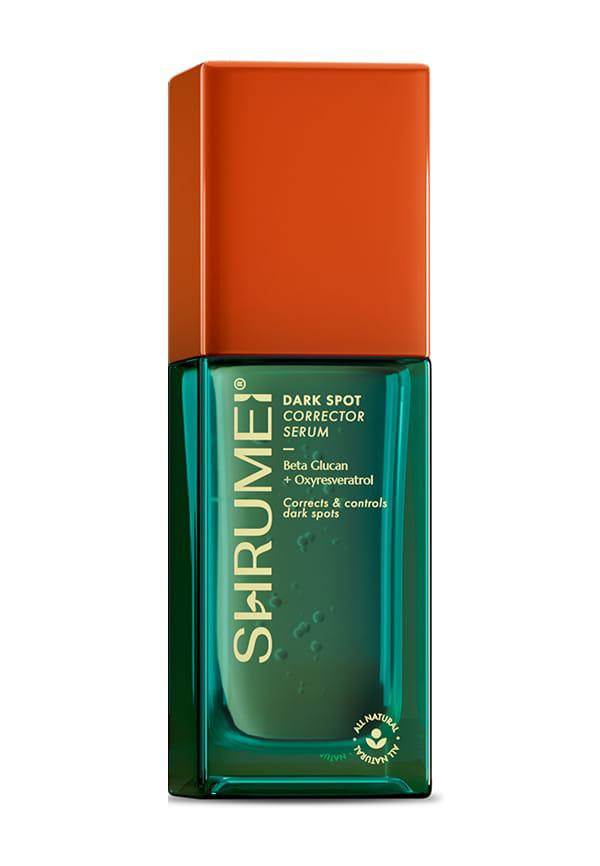
All Natural Dark Spot and Pigmentation Correcting serum
Effective and Fast Results
5“Very effective and fast results”
While many cases of nose pigmentation can be managed at home, certain situations require professional evaluation and treatment.
Any pigmented spot that changes in size, shape, or colour should be evaluated immediately. This could indicate something more serious than benign pigmentation.
If your nose pigmentation doesn't respond to 3-4 months of consistent over-the-counter treatment, it's time to consult a dermatologist for stronger options.
Widespread or severe pigmentation, especially if it appeared suddenly, may indicate an underlying condition that requires medical treatment.
Your dermatologist will examine your nose pigmentation under special lighting to determine its depth and type. They may recommend a specific treatment plan based on your skin type, pigmentation severity, and lifestyle factors.
Professional treatments typically range from ₹3,000-15,000 per session, depending on the method used and your location. Many dermatologists offer package deals for multiple sessions.
When exploring pigmentation treatments, having access to trial-sized products can be incredibly helpful. Smytten offers curated trial packs from trusted skincare brands, letting you test different brightening serums and treatments before committing to full-size purchases. With options from brands like Cetaphil and Dot & Key, you can discover what works for your specific pigmentation concerns without the guesswork.
Natural methods include applying aloe vera gel nightly, using green tea compresses, gentle exfoliation with oatmeal masks, and consistent sun protection with SPF 30+. Results take 3-6 months of consistent use.
Yes, professional treatments like laser therapy and chemical peels can permanently remove existing pigmentation when combined with proper sun protection to prevent recurrence. However, new pigmentation can develop without ongoing protection.
The nose receives direct sun exposure from multiple angles throughout the day, making it prone to UV damage and increased melanin production. It's also a common site for post-inflammatory hyperpigmentation from acne.
No, lemon juice can actually worsen pigmentation by causing photosensitivity and irritation. Stick to proven ingredients like vitamin C serums, niacinamide, or consult a dermatologist for safe alternatives.
Professional treatments show results in 4-12 weeks, prescription creams take 8-16 weeks, while natural remedies may require 3-6 months of consistent use. Patience and consistency are key for all treatment types.
Removing pigmentation from your nose is totally doable with the right approach and realistic expectations. Whether you choose professional treatments for faster results or prefer starting with gentler topical solutions, consistency is your best friend. Remember that prevention through daily SPF use is just as important as treatment—protecting your nose from future damage while addressing existing pigmentation gives you the best shot at clear, even-toned skin.
The key is finding what works for your specific type of pigmentation and skin sensitivity. Don't be afraid to start with gentler options and work your way up if needed. With patience and the right routine, those stubborn dark spots don't stand a chance.
