How to Remove Pigmentation Naturally at Home


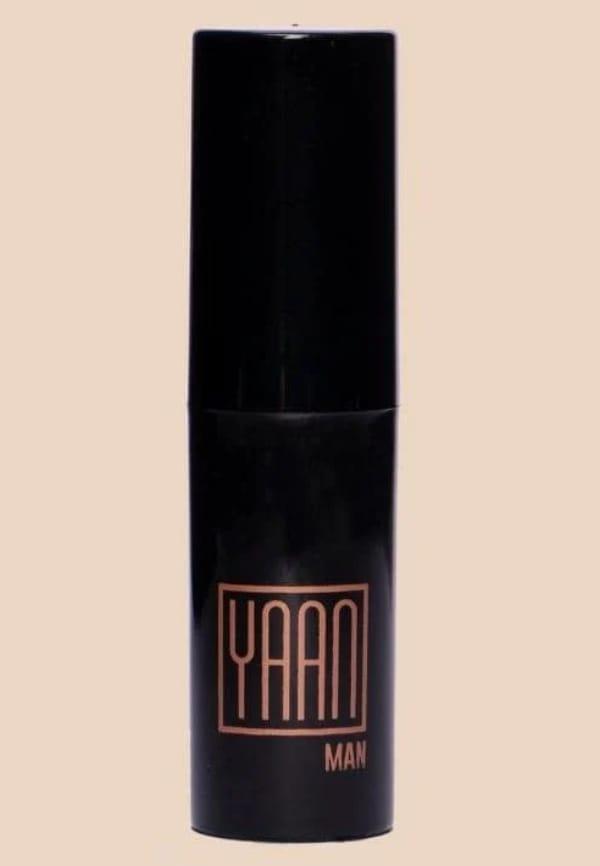
Perfection Stick-Dark
Dark spots showing up uninvited on your face? You're definitely not alone. Pigmentation issues affect millions of people, and whilst there are loads of expensive treatments out there, you might be surprised to learn that your kitchen probably holds some seriously effective solutions. The key to learning how to remove pigmentation naturally lies in understanding what causes those pesky dark spots and which ingredients actually work to fade them. Let's dive into science-backed methods that can help you achieve clearer, more even-toned skin without breaking the bank or exposing yourself to harsh chemicals.
Before jumping into treatments, it's crucial to understand what you're dealing with. Pigmentation isn't just one thing—it's actually your skin's way of protecting itself, though sometimes it goes a bit overboard.
Not all dark spots are created equal, and knowing which type you have can help you choose the most effective natural remedies for pigmentation: • Melasma: Often called the "pregnancy mask," this appears as brown patches on the face, typically triggered by hormonal changes • Post-inflammatory hyperpigmentation (PIH): These are the dark marks left behind after acne, cuts, or other skin injuries • Age spots: Also known as solar lentigines, these result from years of sun exposure and typically appear on hands, face, and shoulders • Acanthosis nigricans: Dark, velvety patches that often appear in skin folds, sometimes linked to insulin resistance
Your skin produces melanin through specialised cells called melanocytes. When these cells get triggered by UV exposure, inflammation, or hormonal changes, they can go into overdrive. This is where understanding how to reduce melanin production naturally becomes essential. The process involves an enzyme called tyrosinase, which many natural ingredients can help inhibit.
Let's be real—natural skin discoloration remedies require patience. Most people start seeing subtle improvements around the 4-6 week mark, with more significant changes appearing after 3-6 months of consistent use. The timeline depends on factors like the depth of pigmentation, your skin type, and how religiously you stick to your routine.
Now for the good stuff—ingredients that actually work to help you achieve natural skin brightening. These aren't just old wives' tales; they're backed by research and centuries of traditional use.
Turmeric contains curcumin, a compound that's been shown to inhibit tyrosinase activity, making it excellent for hyperpigmentation treatment. Mix 1 teaspoon of turmeric powder with 2 tablespoons of raw honey to create a paste. Apply for 15-20 minutes, then rinse with lukewarm water. The honey adds moisture whilst the turmeric works on evening out your skin tone. Word of warning: turmeric can temporarily stain your skin yellow, so always do a patch test and avoid using it before important events.
Fresh aloe vera contains aloesin, a compound that can help fade dark spots by inhibiting melanin production. Extract gel directly from the plant for best results, or choose a pure, preservative-free version. Apply twice daily to clean skin and let it absorb completely. The beauty of aloe vera is its gentleness—it's suitable for even the most sensitive skin types whilst providing hydration alongside pigmentation benefits.
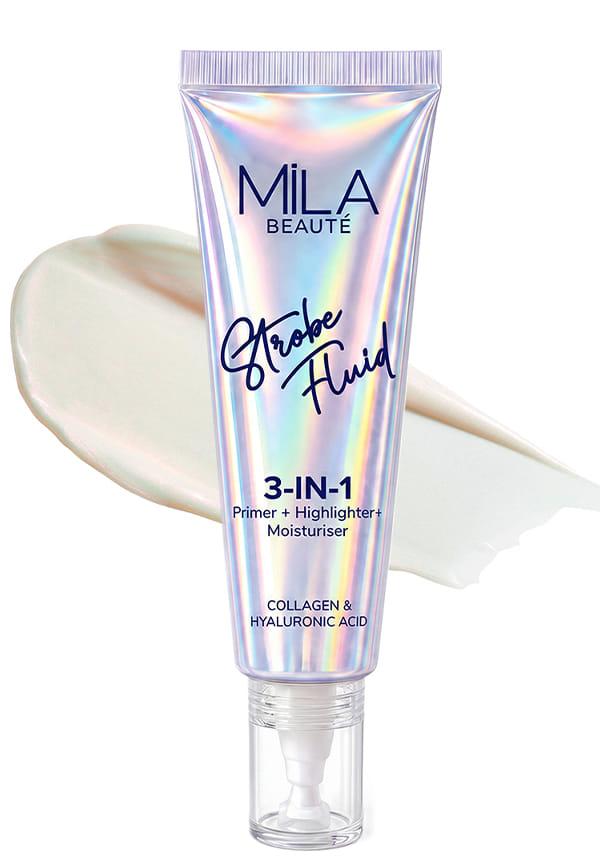
Super Skin Strobe Fluid
Awesome Glow
 4
4“awesome glow....................”
Shiny & Smooth Application
5“so shiny and glides on skin generally.. so smooth.”
Shiny & Smooth Application
5“so shiny and glides on skin generally.. so smooth.”
Licorice root contains glabridin, which works as a natural tyrosinase inhibitor. You can make a DIY treatment by steeping licorice root in hot water for 30 minutes, then applying the cooled liquid with a cotton pad. For stronger effects, look for licorice extract powder and mix it with a carrier oil like jojoba. This ingredient is particularly effective for melasma and sun-induced pigmentation.
The acetic acid in apple cider vinegar provides gentle chemical exfoliation, helping to speed up cell turnover and reveal fresher skin underneath. Always dilute it 1:1 or 1:2 with water, as undiluted ACV can cause burns. Apply the diluted solution with a cotton pad, leave for 5-10 minutes, then rinse thoroughly. Start with once weekly applications and gradually increase frequency as your skin tolerates it.
Green tea is packed with EGCG (epigallocatechin gallate), a powerful antioxidant that helps protect against further pigmentation whilst working to even skin tone naturally. Brew strong green tea, let it cool, and use it as a toner twice daily. For an intensive treatment, freeze green tea in ice cube trays and gently massage the cubes over pigmented areas for 2-3 minutes.
Both contain lactic acid, a gentle alpha hydroxy acid that promotes cell turnover. Create a simple mask by mixing 2 tablespoons of plain yogurt with 1 tablespoon of milk. Apply for 15 minutes before rinsing. These home remedies for dark spots are particularly good for sensitive skin that can't tolerate stronger acids.
Whilst lemon juice is often recommended, it can cause photosensitivity and irritation. Instead, try gentler vitamin C sources like papaya or tomato. Mash fresh papaya into a paste and apply for 20 minutes, or slice a tomato and place directly on pigmented areas. These ingredients provide vitamin C's brightening benefits without the harsh acidity of citrus.
This traditional Asian beauty secret contains kojic acid and vitamins that help brighten skin. Soak 1/2 cup of rice in 2 cups of water for 30 minutes, strain, and use the liquid as a toner. Store in the fridge for up to a week. Rice water is incredibly gentle and can be used daily as part of your routine.
Natural ingredients are just part of the equation. Your daily habits play a massive role in both preventing new pigmentation and helping existing spots fade faster.
This cannot be overstated—sun protection is absolutely crucial for any natural skin lightening efforts to work. UV exposure will undo all your hard work by triggering more melanin production. Apply SPF 30 or higher every single day, even when it's cloudy. Reapply every 2 hours if you're outdoors. Don't forget often-missed spots like your ears, neck, and the backs of your hands.
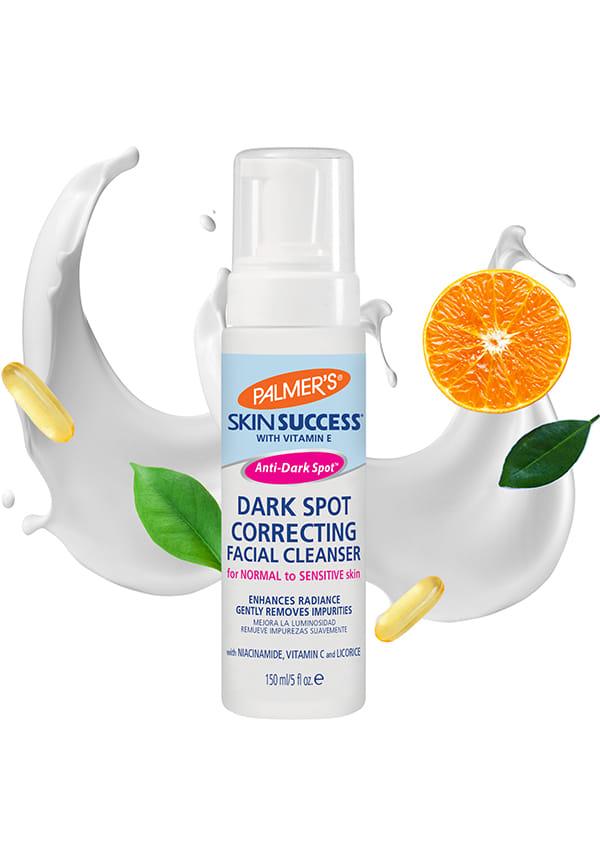
Skin Success Palmer’s Skin Success Dark Spot Correcting Facial Cleanser
Mixed Review: Dry Skin Face Wash
5“This is a good face wash for dry skin. But does jothing foe spots”
What you eat directly impacts your skin's ability to repair itself. Focus on foods rich in vitamins A, C, and E: • Vitamin A: Sweet potatoes, carrots, spinach • Vitamin C: Berries, citrus fruits, bell peppers • Vitamin E: Nuts, seeds, avocados Stay hydrated with at least 8 glasses of water daily to support your skin's natural renewal process.
Harsh scrubbing can actually worsen pigmentation by causing inflammation. Stick to gentle, circular motions when cleansing, and limit physical exfoliation to 2-3 times per week maximum. Choose products with minimal ingredients to avoid irritation that could trigger more pigmentation.
Consistency is everything when it comes to seeing results. Here's how to structure your daily routine for maximum effectiveness.
Start with a gentle cleanser to remove overnight buildup without stripping your skin. Follow with your chosen natural brightening treatment—perhaps rice water toner or diluted apple cider vinegar. Always finish with a broad-spectrum sunscreen. This step is non-negotiable if you want your efforts to pay off.
Evening is when you can use your more intensive treatments. After cleansing, apply ingredients like turmeric masks, aloe vera gel, or licorice extract. Layer from thinnest to thickest consistency, and always end with a moisturiser to lock everything in.
Once or twice weekly, treat yourself to a more intensive mask. The yogurt and milk combination works beautifully, or try a papaya enzyme mask for gentle exfoliation. Take photos weekly to track your progress—changes happen gradually, and photos help you see improvements you might otherwise miss.
Natural doesn't automatically mean safe for everyone. Taking proper precautions ensures you get results without unwanted side effects.
Before trying any new ingredient, test it on a small patch of skin—the inside of your wrist works well. Wait 24-48 hours to check for reactions like redness, itching, or burning. Even if you've used an ingredient before, patch test new combinations or concentrations.
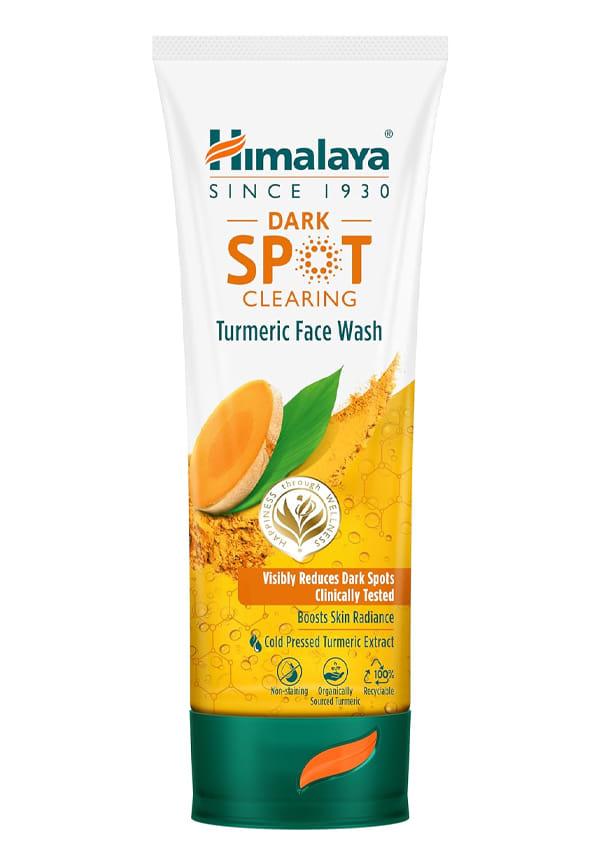
Dark Spot Correcting Turmeric Face Wash
Good Dark Spot Face Wash
5“dark spot correcting turmeric face wash is good”
Effective Face Wash
5“Nice face wash... it's working 😊”
Loved it, works well, worth money
4“Really loved this product, it works well and feels worth the money.””
Some natural ingredients can increase photosensitivity, making your skin more prone to burning. This includes citrus-based treatments and certain essential oils. If you're pregnant or breastfeeding, stick to the gentlest options like aloe vera and avoid anything that might be absorbed systemically.
If pigmentation appears suddenly, changes shape or colour, or doesn't respond to natural treatments after 6 months, it's time to see a professional. Some types of pigmentation require medical intervention. Don't hesitate to seek help if you experience persistent irritation from any treatment.
Most people notice initial improvements in 4-6 weeks with consistent daily use. Significant pigmentation reduction typically requires 3-6 months, depending on the severity and type of discoloration. Patience is key with natural treatments.
Yes, but introduce them gradually. Start with one ingredient for 2-3 weeks, then slowly add others. Some combinations work beautifully together, like aloe vera and green tea, whilst others might cause irritation.
Many are, but always consult your healthcare provider first. Generally safe options include aloe vera, oatmeal, and milk-based treatments. Avoid anything with strong essential oils or ingredients that might be absorbed systemically.
Several factors could be at play: inadequate sun protection, using treatments inconsistently, or dealing with deeper pigmentation that needs professional intervention. Sometimes hormonal pigmentation requires medical treatment alongside natural remedies.
More isn't always better with natural treatments. Over-applying can cause irritation, which actually worsens pigmentation. Stick to recommended frequencies and focus on consistency rather than intensity.
Natural treatments work gradually by gently inhibiting melanin production and promoting cell turnover. Chemical treatments often provide faster results but can be more irritating. Natural methods are generally safer for long-term use and less likely to cause rebound pigmentation.
Learning how to remove pigmentation naturally is absolutely achievable with the right approach and realistic expectations. The key lies in understanding your skin type, choosing appropriate ingredients, and maintaining consistency over months rather than weeks. Remember that natural skin brightening is a marathon, not a sprint. The gentler approach means fewer side effects and more sustainable results. Sun protection remains your most powerful tool—without it, even the best natural treatments will struggle to make a lasting difference. For those looking to explore professional-grade skincare alongside natural remedies, platforms like Smytten offer an excellent way to discover new products without the commitment of full-size purchases. With access to over 1,500 trusted brands and the ability to try products through curated trial packs, you can find the perfect complement to your natural pigmentation routine. After all, why settle for 'maybe' when you can try it all and find what truly works for your unique skin? The journey to clearer, more even-toned skin takes patience, but with consistent care and the right natural ingredients, you can achieve the results you're looking for. Your skin will thank you for choosing the gentle, sustainable path to brightness.
