How to Remove Pigmentation Face FAQ: All Your Questions Answered

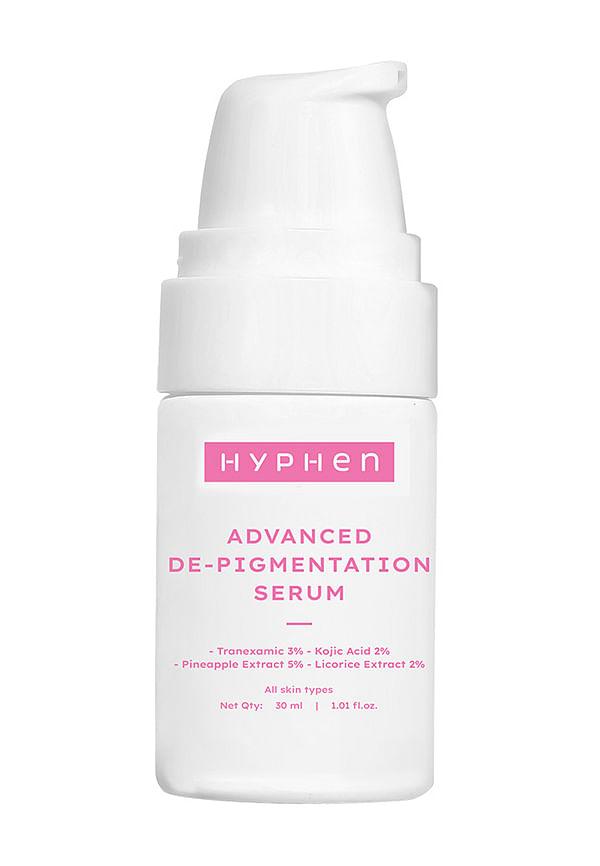
Advanced De-Pigmentation Serum For Hyperpigmentation, Melasma, Dark Spots & Scars
Dealing with dark spots and uneven skin tone that just won't budge? You're definitely not alone in this struggle. Facial pigmentation affects millions of people worldwide, showing up as stubborn patches that can make your skin look patchy and dull. Whether it's those pesky post-acne marks, sun damage from years past, or hormonal changes leaving their mark, hyperpigmentation can feel like an uphill battle. But here's the thing—with the right approach and a bit of patience, you can absolutely tackle these skin concerns and work towards that clear, even complexion you're after.
Before diving into solutions, let's get real about what's happening beneath your skin. Understanding the root causes of skin discoloration is your first step towards finding the right treatment approach. Your skin produces melanin as a natural defence mechanism, but sometimes this process goes a bit haywire, leading to those unwanted dark patches.
Sun damage tops the list as the biggest troublemaker. Those UV rays don't just cause immediate burns—they trigger your skin to produce excess melanin, which can cluster together forming age spots and sun spots over time.
Hormonal changes are another major player, especially for women. Pregnancy, birth control pills, and hormone replacement therapy can all trigger melasma—those symmetrical patches that often appear on cheeks and forehead.
Post-inflammatory hyperpigmentation happens when your skin overreacts to trauma like acne, cuts, or even aggressive skincare treatments. Your skin essentially leaves a dark mark as a reminder of the healing process.
Not all dark spots are created equal. Surface-level pigmentation sits in your epidermis and tends to respond better to topical treatments. Deeper pigmentation reaches into your dermis and might need more intensive approaches like professional treatments.
Sometimes your skincare routine needs backup from the professionals. If you're dealing with stubborn pigmentation that won't respond to over-the-counter products, these clinical treatments might be worth considering. The key is finding a qualified dermatologist who understands your skin type and pigmentation concerns.
Chemical peels use acids to remove damaged skin layers, revealing fresher skin underneath. Glycolic acid peels work brilliantly for surface-level pigmentation, while deeper peels with trichloroacetic acid can tackle more stubborn spots.
The process involves applying the acid solution to your face, which causes controlled exfoliation. You'll experience some peeling over the following days, but the results can be quite dramatic for the right candidate.
IPL (Intense Pulsed Light) and Q-switched lasers target melanin directly, breaking up pigmented cells so your body can naturally eliminate them. These treatments are particularly effective for sun damage and age spots.
Most people need multiple sessions spaced several weeks apart. The downtime is minimal, though you might experience some temporary darkening before the spots fade away.
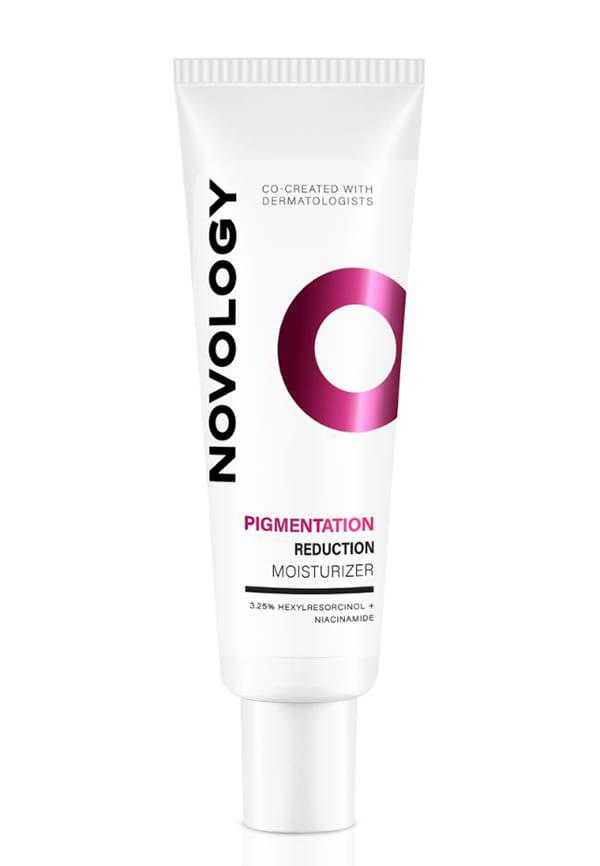
Pigmentation Moisturiser, Face Cream for Hyperpigmentation & Dark Spots
Your daily skincare routine is where the real magic happens for most pigmentation concerns. The right combination of active ingredients can gradually fade dark spots and prevent new ones from forming. But with so many options out there, knowing which ingredients actually work can feel overwhelming.
Hydroquinone remains the most effective topical ingredient for pigmentation. Available in 2% concentrations over-the-counter or higher strengths by prescription, it works by inhibiting melanin production.
Retinoids are absolute powerhouses for uneven skin tone. They speed up cell turnover, helping pigmented cells shed faster while preventing new dark spots from forming. Start with retinol and work your way up to stronger formulations.
Vitamin C is your morning brightening hero. L-ascorbic acid is the most potent form, though magnesium ascorbyl phosphate offers a gentler alternative for sensitive skin.
Niacinamide works by preventing melanin transfer from melanocytes to skin cells. It's incredibly well-tolerated and plays nicely with other active ingredients.
Serums deliver concentrated active ingredients directly to your skin. Look for formulations that combine multiple brightening agents for maximum impact.
Layer your products correctly: vitamin C in the morning under sunscreen, and retinoids or hydroquinone at night. Always introduce new actives gradually to avoid irritation.
While professional treatments and clinical-grade ingredients often deliver the fastest results, natural approaches can complement your routine beautifully. The key is managing expectations and understanding that natural doesn't always mean gentle—some plant-based ingredients are quite potent.
Kojic acid comes from fermented rice and works similarly to hydroquinone by inhibiting melanin production. It's gentler but still effective for gradual lightening.
Arbutin is derived from bearberry plants and offers a natural alternative to hydroquinone. Alpha arbutin is the more stable and effective form to look for in products.
Licorice root extract contains glabridin, which helps prevent UV-induced pigmentation and has anti-inflammatory properties.
Not all DIY treatments are created equal. Lemon juice, despite its popularity, can actually make pigmentation worse by causing photosensitivity. Baking soda is too harsh and can damage your skin barrier.
Stick to gentle, proven ingredients and always patch test before applying anything new to your face.
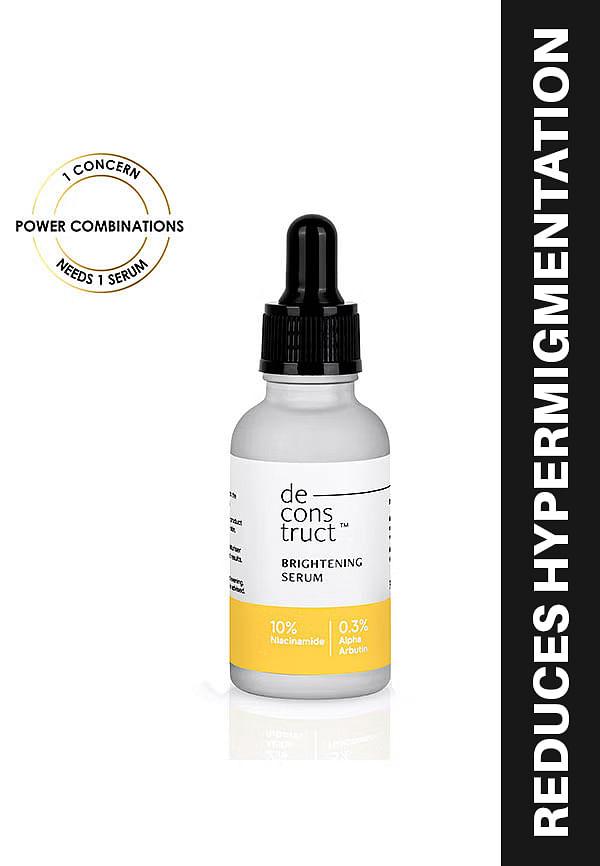
Brightening Face Serum for Pigmentation & Dark Spots Removal
Treating existing pigmentation is only half the battle—prevention is equally crucial for maintaining clear, even skin. Your daily habits play a massive role in whether those dark spots return or new ones develop. Think of it as an investment in your future skin health.
SPF 30 or higher, broad-spectrum protection, every single day—no exceptions. Reapply every two hours if you're outdoors, and don't forget often-missed spots like your ears and neck.
Physical sunscreens with zinc oxide or titanium dioxide are particularly good for pigmented skin as they're less likely to cause irritation.
Patience is absolutely essential when dealing with pigmentation. Most topical treatments take 6-12 weeks to show noticeable results, and rushing the process often leads to irritation and setbacks.
Start with lower concentrations of active ingredients and gradually increase as your skin builds tolerance. This approach minimises the risk of post-inflammatory hyperpigmentation from treatment itself.
Your pigmentation treatment should be as unique as your skin. What works brilliantly for your friend might not suit your skin type or specific concerns. Understanding these nuances helps you make smarter choices about which products and treatments to try.
For overall uneven skin tone, focus on gentle, consistent treatment rather than aggressive spot treatments. Products with niacinamide, vitamin C, and gentle AHAs can help create a more uniform complexion over time.
Combination therapy often works best—pairing topical treatments with professional procedures can accelerate results while maintaining skin health.
Sensitive skin needs extra gentle approaches with ingredients like azelaic acid and lower concentrations of actives. Oily skin can typically handle stronger formulations and benefits from salicylic acid-based treatments.
For darker skin tones, be extra cautious with aggressive treatments as they can trigger post-inflammatory hyperpigmentation. Always work with professionals who understand treating pigmentation in diverse skin tones.
Finding the right products for your specific skin concerns doesn't have to involve expensive full-size commitments. Platforms like Smytten make it possible to try curated trial packs from trusted brands, letting you test different formulations before investing in full-size products. With access to over 1,500 brands including skincare favourites like Cetaphil and Dot & Key, you can explore various pigmentation treatments and find what works best for your skin.
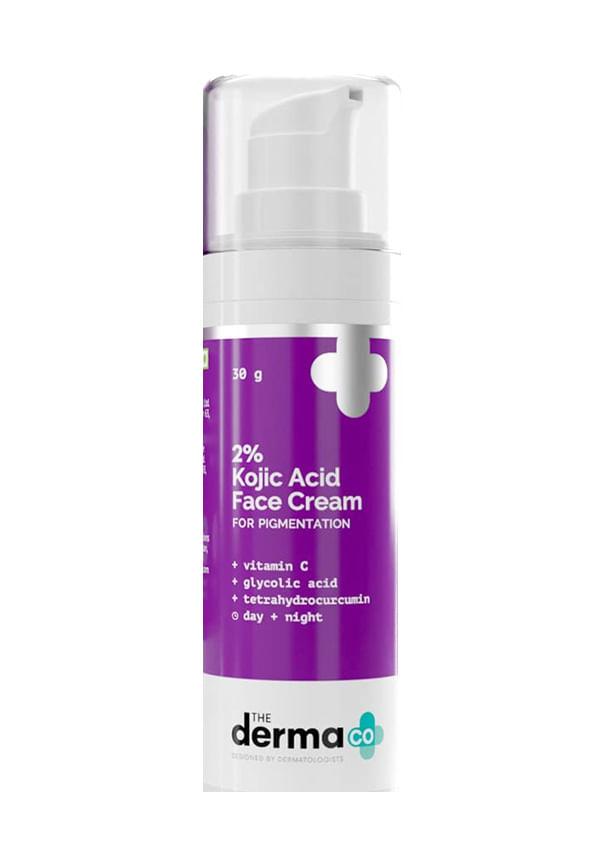
2% Kojic Acid Cream for Pigmentation
While you can significantly fade most types of pigmentation, 'permanent' removal depends on the type and depth of pigmentation. Surface-level spots often respond excellently to treatment, while deeper pigmentation might require ongoing maintenance. Sun protection is crucial for preventing new pigmentation from forming.
Most topical treatments show initial results in 6-8 weeks, with significant improvement visible after 3-6 months of consistent use. Professional treatments might show faster results, but multiple sessions are usually needed. Patience and consistency are key to successful pigmentation treatment.
Professional treatments like chemical peels or laser therapy typically offer the fastest results, but they require proper consultation and aftercare. For at-home treatment, combining proven ingredients like retinoids, vitamin C, and hydroquinone under dermatologist guidance can accelerate results safely.
Multiple factors can contribute to widespread facial pigmentation: sun damage accumulated over years, hormonal changes, genetic predisposition, or underlying medical conditions. If pigmentation appears suddenly or extensively, consult a dermatologist to rule out underlying causes.
Some natural ingredients like kojic acid, arbutin, and vitamin C are scientifically proven to help with pigmentation. However, they typically work more slowly than clinical-grade treatments. Avoid potentially harmful DIY remedies like lemon juice or baking soda that can worsen pigmentation.
Yes, but introduce them gradually and under professional guidance. Combining treatments like vitamin C in the morning and retinoids at night can be very effective. However, using too many actives simultaneously can cause irritation and potentially worsen pigmentation.
Many pigmentation treatments aren't recommended during pregnancy. Avoid hydroquinone, retinoids, and certain acids. Focus on gentle vitamin C, niacinamide, and most importantly, diligent sun protection. Consult your healthcare provider before starting any new skincare treatments.
Costs vary widely depending on treatment type and location. Chemical peels might range from ₹3,000-₹15,000 per session, while laser treatments can cost ₹5,000-₹25,000 per session. Multiple sessions are usually needed, so factor in the total treatment cost when planning.
Tackling facial pigmentation successfully requires understanding your specific type of pigmentation and choosing the right combination of treatments. Whether you opt for professional procedures, clinical-grade skincare, or gentle natural approaches, consistency and patience are your best friends in this journey.
Remember that prevention is just as important as treatment—daily sun protection will protect your investment in clearer skin. Start with proven ingredients, introduce them gradually, and don't hesitate to seek professional guidance for stubborn or extensive pigmentation. With the right approach and realistic expectations, you can absolutely achieve the even, radiant complexion you're working towards. Your skin's journey to clarity might take time, but every step forward is progress worth celebrating.
