How to Remove Pigmentation Around Mouth: Causes & Treatments

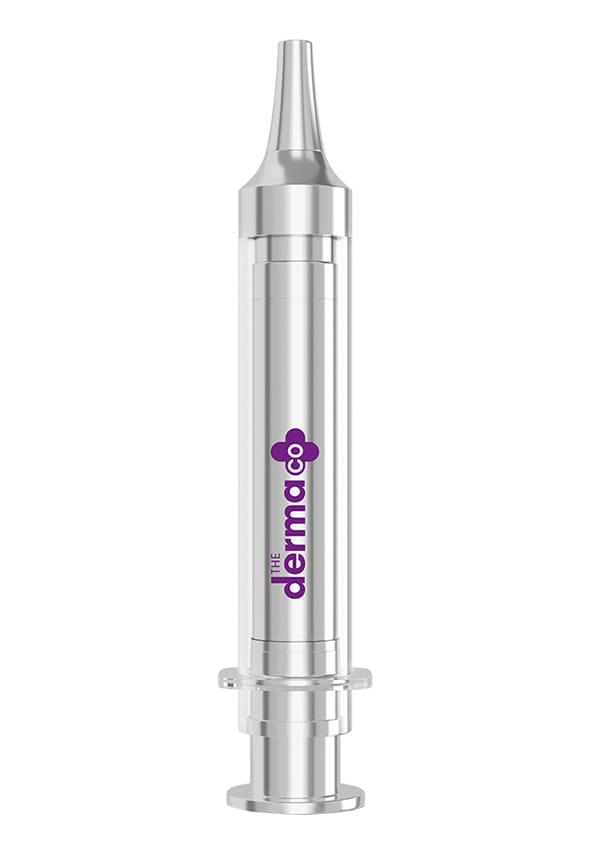
20000 PPM Kojic Acid Microneedle Serum Shot for Pigmentation Correction & Skin Renewal
That stubborn darkness around your mouth can feel like it appeared overnight, but getting rid of it? That's a whole different story. Whether it's from sun damage, hormonal changes, or just life being life, hyperpigmentation around mouth is more common than you think. The good news is that with the right approach and a bit of patience, you can definitely lighten those dark spots and get your skin back to looking even-toned. Let's dive into what's actually causing this and how to tackle it properly.
Before jumping into treatments, it's worth understanding why your skin decided to get patchy around your mouth in the first place. Perioral hyperpigmentation isn't just one thing—it's your skin's response to various triggers that make it produce extra melanin in that specific area.
Sun exposure tops the list here. Your mouth area gets hit with UV rays constantly, and over time, this leads to melanin overproduction. Think of it as your skin's way of trying to protect itself, but it ends up looking uneven instead.
• Post-inflammatory hyperpigmentation from acne breakouts, eczema flare-ups, or skin irritation • Hormonal fluctuations during pregnancy, menopause, or from birth control pills • Nutritional gaps like Vitamin B12 or Vitamin D deficiency • Melasma that specifically targets the perioral region
Sometimes the things we do without thinking contribute to skin discoloration around mouth. Lip licking is a big one—the constant moisture and friction can irritate the skin and lead to darkening over time.
• Smoking or tobacco use (major contributor to perioral darkening) • Excessive mouth rubbing or touching • Using toothpastes with harsh ingredients like sodium lauryl sulphate • Drooling during sleep that causes chronic moisture exposure • Applying skincare products too aggressively in the mouth area
If your pigmentation keeps spreading, doesn't respond to gentle treatments, or you're just not sure what's causing it, a dermatologist can help rule out conditions like perioral dermatitis. They can also create a targeted treatment plan that's way more effective than guessing.
When home remedies aren't cutting it, professional treatments can fast-track your results. These options target pigmentation at a deeper level and often give you the dramatic improvement you're looking for.
Chemical peels work by removing the top layers of pigmented skin, revealing fresher, more even-toned skin underneath. For the delicate mouth area, dermatologists usually start with gentler options.
• Lactic acid peels are perfect for sensitive skin and provide gradual lightening • Glycolic acid treatments offer deeper exfoliation for more stubborn cases • Mandelic acid peels work slowly but are super gentle on reactive skin • Most people need 4-6 sessions spaced 2-3 weeks apart for optimal results
Laser treatments can be game-changers for persistent pigmentation. They work by breaking down melanin deposits and stimulating new, healthy skin cell production.
• Q-switched Nd:YAG laser specifically targets pigment without damaging surrounding skin • Fraxel laser resurfaces the entire area for comprehensive improvement • BBL photofacial treatments use broad-spectrum light to fade dark spots • Microneedling creates tiny channels that help topical treatments penetrate better
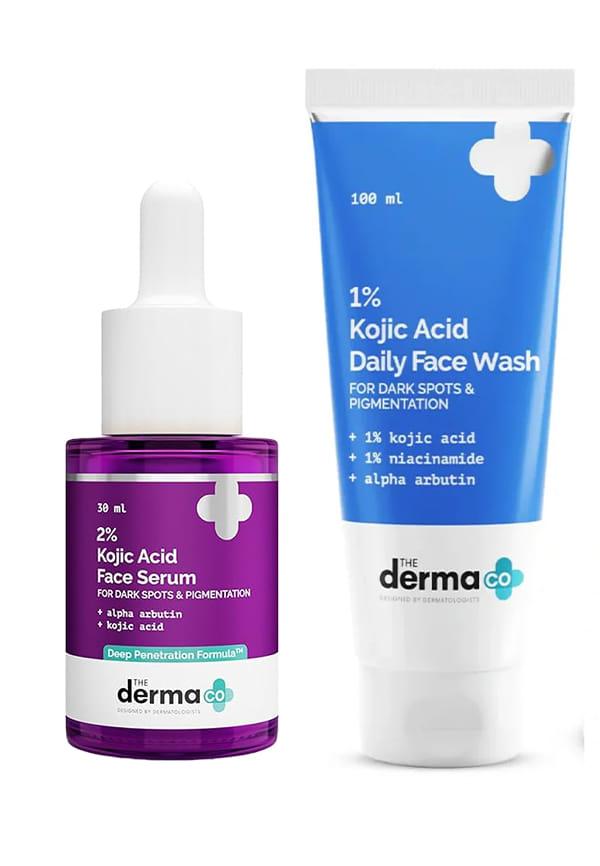
Ultimate Kojic Acid Duo For Pigmentation
Dermatologists have access to stronger formulations that aren't available over the counter. These can be incredibly effective when used under professional guidance.
• Prescription hydroquinone (2-4%) for targeted melanin inhibition • Tretinoin to speed up cell turnover and fade existing pigmentation • Professional-grade vitamin C serums with higher concentrations • Combination therapies that layer multiple active ingredients strategically
Home treatments can be surprisingly effective, especially when you're consistent and patient. The key is choosing ingredients that are proven to work and using them correctly.
Not all brightening ingredients are created equal. Some work by inhibiting melanin production, while others help speed up the natural process of shedding pigmented skin cells.
• Vitamin C serums provide antioxidant protection while gradually lightening dark spots • Kojic acid inhibits the enzyme that produces melanin • Niacinamide reduces inflammation and helps prevent new pigmentation • Arbutin offers gentle lightening without irritation • Thiamidol specifically targets pigmentation at the source
Chemical exfoliants help remove the top layer of pigmented skin cells, revealing brighter skin underneath. Start slowly to avoid irritation, especially around the sensitive mouth area.
• Lactic acid (5-10%) used 2-3 times weekly for gentle exfoliation • Mandelic acid works well for sensitive or darker skin tones • Glycolic acid provides deeper exfoliation but requires careful introduction • Always follow with moisturiser and never skip sunscreen the next day
Layering products correctly makes a huge difference in results. Morning routines should focus on protection, while evening is when you bring in the heavy-hitting actives.
• Morning: gentle cleanser, vitamin C serum, moisturiser, broad-spectrum SPF • Evening: cleanser, chemical exfoliant (2-3x weekly), treatment serum, moisturiser • Introduce new products one at a time to monitor for irritation • Give each new routine at least 6-8 weeks before making changes
While natural remedies work more slowly than clinical treatments, they can be effective for mild pigmentation and are gentler on sensitive skin. The key is managing expectations and being consistent.
Some natural ingredients have actual research backing their brightening effects. These work gradually but can be part of an effective routine.
• Turmeric and honey masks provide anti-inflammatory benefits and gentle lightening • Green tea extract applied topically offers antioxidant protection • Papaya enzyme treatments provide natural exfoliation without harsh scrubbing • Potato juice contains vitamin C and mild acids for gradual brightening
These kitchen-cabinet remedies won't work miracles, but they can complement your main treatment routine. Just remember that natural doesn't always mean gentle—patch test everything first.

Pigmentation Correction & Barrier Protection Kit
• Lemon juice mixed with honey (use sparingly and always follow with moisturiser) • Fresh cucumber juice applied with cotton pads • Plain yoghurt masks for gentle lactic acid exfoliation • Oatmeal and milk scrubs for physical exfoliation
Natural remedies typically take 3-6 months to show noticeable results, and they work best on mild pigmentation. They're also great for maintenance once you've achieved your desired results with stronger treatments.
Prevention is honestly easier than treatment, and it's crucial for maintaining results once you've lightened existing pigmentation. Small daily habits make a massive difference over time.
This is non-negotiable. The mouth area is constantly exposed to UV rays, and without proper protection, any treatment results will be short-lived.
• Use broad-spectrum SPF 30 or higher with iron oxides for visible light protection • Reapply every 2 hours, especially after eating or drinking • Physical sunscreens (zinc oxide, titanium dioxide) are often better tolerated around the mouth • Don't forget this area when applying sunscreen—it's easy to miss
Breaking habits that contribute to pigmentation is just as important as using the right products. These changes might feel small, but they add up to significant results.
• Stop lip licking and mouth touching (use a lip balm instead) • Switch to SLS-free toothpaste if you're prone to irritation • Keep the mouth area well-moisturised to prevent irritation • Consider your diet—vitamin deficiencies can contribute to pigmentation
How you treat your skin daily matters more than which expensive products you use. Gentle, consistent care prevents the irritation that can lead to post-inflammatory hyperpigmentation.
• Use lukewarm water and gentle, fragrance-free cleansers • Pat skin dry instead of rubbing • Apply products with light, upward motions • Never skip moisturiser, even if your skin feels fine
One of the most frustrating things about treating pigmentation on face is how long it takes to see results. Understanding realistic timelines helps you stay consistent and avoid switching treatments too quickly.
Pigmentation didn't appear overnight, and it won't disappear overnight either. Here's a realistic timeline for different treatment approaches.
• 6-8 weeks for initial improvement with consistent topical treatments • 3-6 months for significant lightening with home treatments • 2-4 months for professional treatments to show full results • Deeper, older pigmentation takes longer than recent discoloration
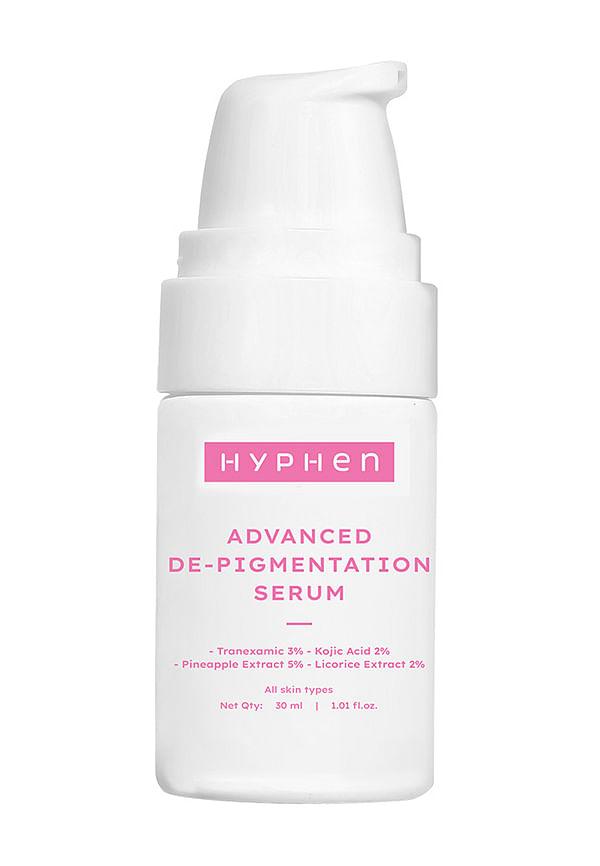
Advanced De-Pigmentation Serum For Hyperpigmentation, Melasma, Dark Spots & Scars
Taking photos in the same lighting conditions helps you see gradual changes that might not be obvious day-to-day. Natural lighting works best for accurate colour representation.
• Take weekly photos in natural light at the same time of day • Look for overall evenness rather than complete elimination • Notice texture improvements alongside colour changes • Keep a simple log of what products you're using
Once you've achieved the results you want, maintenance is key. This usually involves continuing some form of treatment at a reduced frequency plus strict sun protection.
• Continue using vitamin C and gentle exfoliants 2-3 times weekly • Never skip sunscreen, even on cloudy days • Schedule periodic professional treatments for maintenance • Address new pigmentation quickly before it becomes established
Finding the right products to tackle pigmentation can feel overwhelming, especially when you're not sure what will work for your specific skin type. Smytten makes this process so much easier by offering curated trial packs from trusted brands like Cetaphil, Dot & Key, and Bella Vita. You can try multiple brightening serums, gentle exfoliants, and targeted treatments without committing to full-size products. With over 1,500 brands available and the ability to get up to 8 minis for just ₹249, you can experiment with different approaches to find what works best for your skin. Plus, the 100% cashback on trial purchases means you're essentially getting to test products risk-free.
There's no single "best" cream since everyone's skin responds differently. Look for products containing vitamin C, kojic acid, or niacinamide. Start with gentler formulations and gradually work up to stronger concentrations. Always patch test new products first.
Permanent removal depends on the underlying cause. Sun damage and post-inflammatory hyperpigmentation can be significantly lightened with consistent treatment and prevention. However, hormonal pigmentation might return without ongoing management. The key is combining effective treatments with strict sun protection.
Most pigmentation can be dramatically improved, but "complete cure" depends on the cause and your skin type. Realistic expectations are 70-90% improvement with consistent treatment. Some people achieve near-complete clearance, while others see significant but not total improvement.
Home remedies can be effective for mild pigmentation and work well as part of a comprehensive routine. However, they typically take longer to show results compared to clinical treatments. They're best used alongside proven ingredients rather than as standalone treatments.
"Fast" results usually require professional treatments like chemical peels or laser therapy. At home, consistent use of vitamin C serums and gentle chemical exfoliants can show initial improvement in 6-8 weeks. Avoid harsh scrubbing, which can make pigmentation worse.
Avoid harsh scrubs, over-exfoliation, skipping sunscreen, and switching products too frequently. Don't use lemon juice or other acidic ingredients without diluting them properly. Most importantly, avoid picking at or irritating the area, as this can worsen pigmentation.
Dealing with uneven skin tone around mouth requires patience, consistency, and the right approach for your specific situation. Whether you choose professional treatments, home remedies, or a combination of both, the most important factors are sun protection and gentle, consistent care. Remember that improvement takes time—usually several months—but with the right routine, you can definitely achieve more even-toned skin. The key is starting with gentle treatments, being consistent with your routine, and protecting your skin from further damage. Your skin will thank you for the patience and care you put into treating it properly.
