How to Remove Face Dirt and Pollution: Best Practices for Clean Skin


That gritty feeling on your skin after a day in the city isn't just in your head. Between exhaust fumes, dust particles, and microscopic pollutants, your face bears the brunt of urban living. If you've noticed your skin looking duller lately, or breakouts appearing in new places, pollution might be the culprit. The good news? With the right facial cleansing approach, you can effectively remove these daily aggressors and restore your skin's natural clarity.
Urban pollution isn't just an environmental concern—it's a direct threat to your skin health. Fine particulate matter, known as PM2.5, is small enough to penetrate deep into your pores, whilst larger particles like dust and soot settle on your skin's surface throughout the day.
These pollutants don't just sit there harmlessly. They generate free radicals that break down collagen, leading to premature ageing and a compromised skin barrier. You might notice your skin feeling rough, looking grey or ashen, or developing blackheads more frequently. Skin pollution removal becomes essential when you start experiencing persistent dullness, increased sensitivity, or breakouts that seem to appear without obvious triggers.
The most telling signs your skin needs attention include enlarged-looking pores (actually clogged with debris), a tight feeling even after moisturising, and that overall lacklustre appearance that no amount of highlighter can fix. City dwellers often notice these changes more dramatically after particularly smoggy days or during high-traffic commutes.
Effective dirt removal skincare starts with mastering your daily cleanse. The key is being thorough without being harsh—your skin barrier is already working overtime to protect you from environmental damage.
Start with lukewarm water, never hot, as heat can strip your skin's natural oils and worsen pollution-induced irritation. Apply your cleanser using gentle, circular motions with your fingertips—no scrubbing or harsh rubbing. Work the cleanser into your skin for at least 30 seconds, paying special attention to your T-zone where oil and pollutants tend to accumulate.
When choosing a best face wash for pollution removal, look for formulas that are sulfate-free and pH-balanced. Harsh bar soaps and high-sulfate cleansers can damage your skin barrier, making it more vulnerable to pollution penetration. Instead, opt for gentle gel or cream cleansers with ingredients like niacinamide or ceramides that cleanse whilst supporting your skin's natural defences.
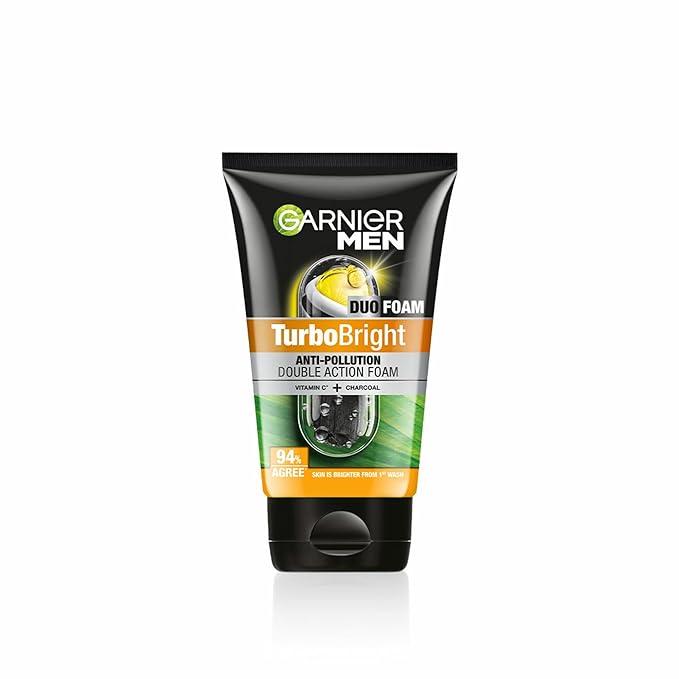
Don't forget your neck and jawline—these areas collect just as much pollution but are often overlooked. The Garnier Men Face Wash Brightening & Anti-Pollution offers targeted protection against urban pollutants whilst brightening the complexion, making it particularly effective for those dealing with pollution-induced dullness. Its anti-pollution formula helps remove daily grime whilst maintaining skin's natural moisture balance.
On particularly smoggy days or after wearing makeup with SPF, double cleansing becomes your best friend. Start with an oil-based cleanser to dissolve makeup, sunscreen, and oil-soluble pollutants. Follow with your regular water-based cleanser for a thorough deep pore cleansing that removes any remaining debris.
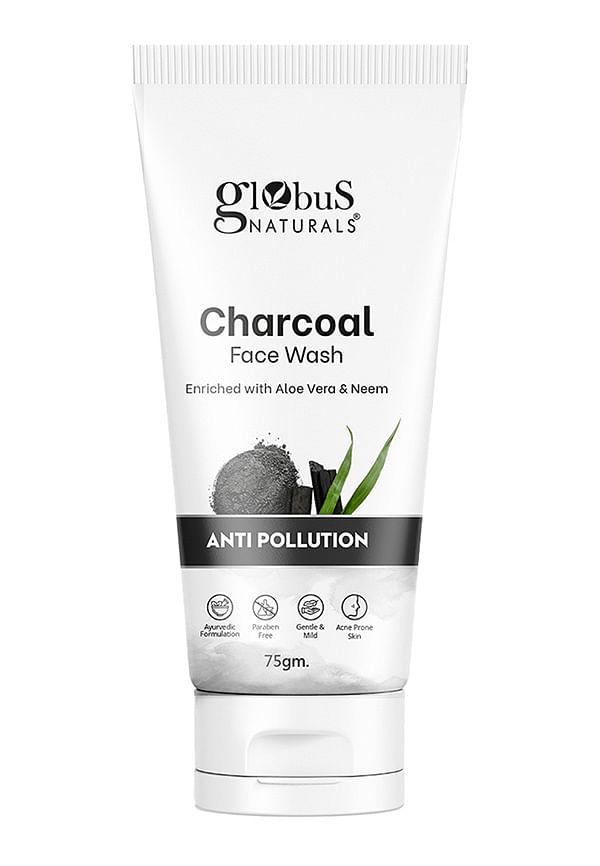
Anti Pollution Charcoal Face Wash
This method is especially valuable for those living in high-pollution areas or working outdoors. The oil cleanser breaks down stubborn particles that water alone can't remove, whilst the second cleanse ensures your pores are truly clean.
Sometimes daily cleansing isn't enough, especially when dealing with accumulated pollution buildup. Weekly detoxifying facial cleanse treatments can help reset your skin and remove deeper-seated impurities.
Gentle facial exfoliation with chemical exfoliants like AHAs, BHAs, or PHAs helps dissolve the bonds holding dead skin cells and pollutants in your pores. Unlike physical scrubs, which can create micro-tears and worsen pollution sensitivity, chemical exfoliants work more gently and effectively.
Clay masks, particularly those with bentonite or kaolin clay, act like magnets for pollutants and excess oil. Use them once or twice weekly, depending on your skin type. Charcoal masks can also be effective, though they're typically better suited for oily skin types.
Steam treatments before cleansing can help open your pores, making pollution removal more effective. Simply lean over a bowl of hot water with a towel over your head for 5-10 minutes, then proceed with your regular cleansing routine.
A comprehensive clean skin routine addresses both prevention and treatment. Your morning routine should focus on protection, whilst your evening routine emphasises thorough removal of the day's accumulated pollutants.
Morning protection starts with a gentle cleanse to remove overnight buildup, followed by antioxidant serums containing vitamin C or vitamin E that help neutralise free radicals before they can damage your skin. Always finish with broad-spectrum SPF—pollution and UV rays work together to accelerate skin damage.
Your evening routine is where the real dirt removal skincare happens. This is when you'll do your most thorough cleansing, potentially double cleansing if you've been in a particularly polluted environment. Follow with treatments that help repair pollution damage, such as retinol or peptides.
The key is consistency rather than intensity. A gentle routine performed daily will always outperform aggressive treatments used sporadically.
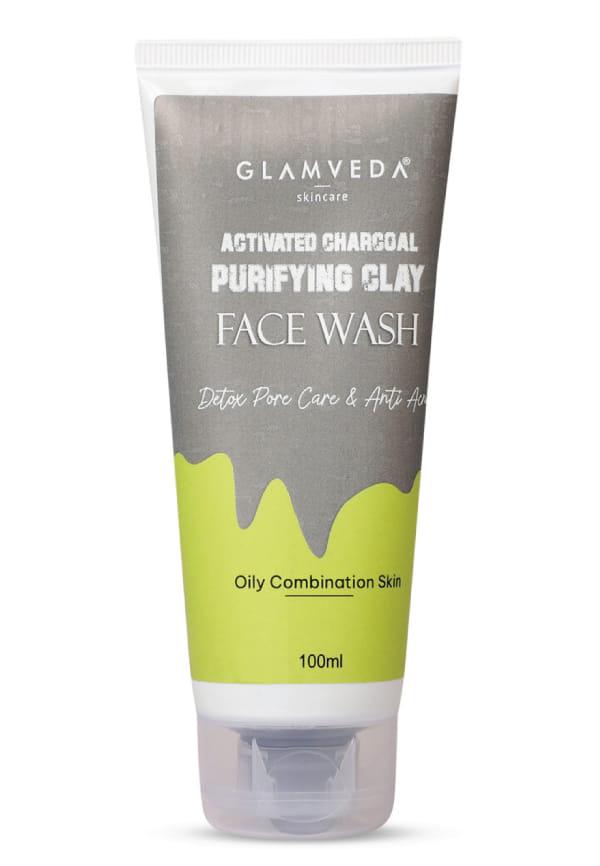
Activated Charcoal Clay Face Wash, Fights Pollution and Acne, Oil Control
After thorough cleansing, your skin's pH can be temporarily disrupted. A balancing toner helps restore your skin's natural acidic pH, which is crucial for maintaining a healthy barrier against pollution.
Follow with a moisturiser containing ceramides, hyaluronic acid, or squalane to repair and strengthen your skin barrier. A compromised barrier allows pollutants to penetrate more easily, so this step is non-negotiable for city dwellers.
For those preferring natural approaches to skincare for pollution, several home remedies can effectively complement your routine. Bentonite clay mixed with water creates a powerful detoxifying mask that draws out impurities without harsh chemicals.
A gentle exfoliating paste made from honey and finely ground oats provides both cleansing and moisturising benefits. Honey's antimicrobial properties help address pollution-induced breakouts, whilst oats soothe irritated skin.
Green tea can be used as a cleansing solution—brew a strong cup, let it cool, and use it as a final rinse after cleansing. The antioxidants help neutralise free radical damage from pollution exposure.
Oil cleansing with jojoba or sunflower oil can effectively remove oil-soluble pollutants whilst nourishing your skin. Always patch test natural ingredients first, as even gentle substances can cause reactions in sensitive individuals.
Beyond cleansing, protecting your skin from pollution requires a multi-pronged approach. Antioxidant serums create a protective barrier against free radical damage, whilst physical barriers like broad-spectrum sunscreen provide additional defence.
Consider your environment too—air purifiers in your home and office can reduce your overall pollution exposure. When possible, avoid peak traffic hours for outdoor activities, and consider covering your face during particularly smoggy days.
For treating existing pollution damage, look for products containing niacinamide, which helps regulate oil production and reduce inflammation, or azelaic acid, which addresses both pollution-induced acne and hyperpigmentation.
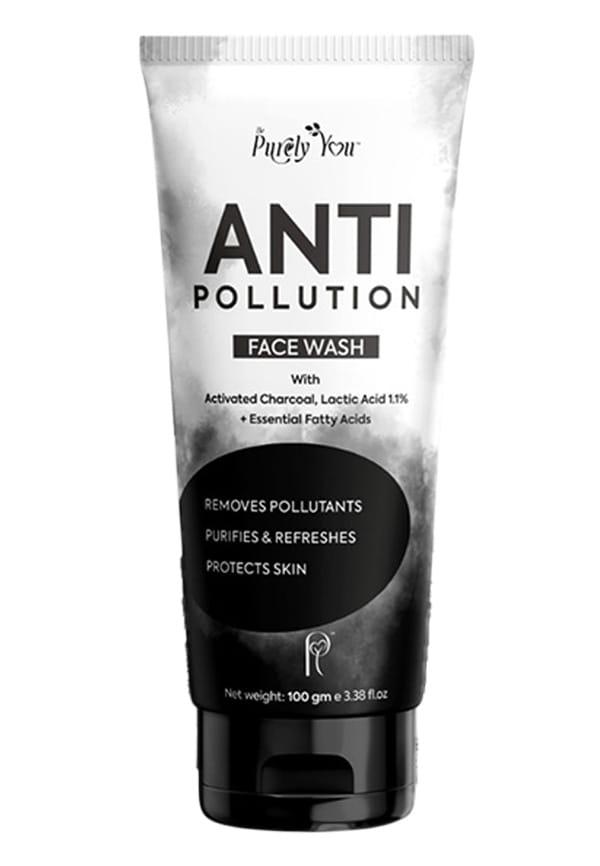
Anti Pollution Face Wash
Pollution can trigger breakouts in even normally clear skin, but those already prone to acne need extra care. Choose non-comedogenic products that won't clog pores further, and avoid over-cleansing, which can increase oil production.
Salicylic acid-based cleansers can help address pollution-induced blackheads and breakouts, but use them gradually to avoid irritation. Balance is key—your skin needs to be clean but not stripped.
Twice daily is typically sufficient for most people, even in heavily polluted environments. Over-cleansing can damage your skin barrier, making pollution penetration worse. Focus on thorough, gentle cleansing rather than frequent washing.
Micellar water can remove surface pollutants and is excellent for quick cleansing, but it may not be sufficient for heavy pollution exposure. Use it as a first step in double cleansing or for light pollution days, but follow with a proper cleanser for thorough removal.
Avoid harsh sulfates, alcohol-based formulas, and physical scrubs with rough particles. These can compromise your skin barrier, making pollution damage worse. Instead, choose gentle, pH-balanced formulas with barrier-supporting ingredients.
Your skin should feel clean but not tight after cleansing. If you're still experiencing persistent dullness, increased breakouts, or visible pore congestion despite regular cleansing, you may need to upgrade your routine or add weekly deep-cleansing treatments.
Effective pollution removal isn't about harsh scrubbing or expensive treatments—it's about consistent, gentle care that respects your skin's natural barrier whilst thoroughly removing daily pollutants. The best approach combines proper daily cleansing with weekly deep-cleaning treatments and protective measures.
Remember that your skin's needs may change with seasons, pollution levels, and lifestyle factors. Pay attention to how your skin responds and adjust your routine accordingly. What works during monsoon season might need tweaking during Delhi's winter smog or Mumbai's humid summers.
For those exploring new products or wanting to test different approaches, Smytten's curated selection includes cleansers and treatments from trusted brands specifically formulated for pollution-exposed skin. With over 28 million users discovering products through trial-sized options, you can find what works for your unique skin needs without committing to full-size products immediately. After all, when it comes to protecting your skin from urban pollution, why settle for maybe when you can find what truly works?
