How to Remove Blackheads at Home: Expert Guide
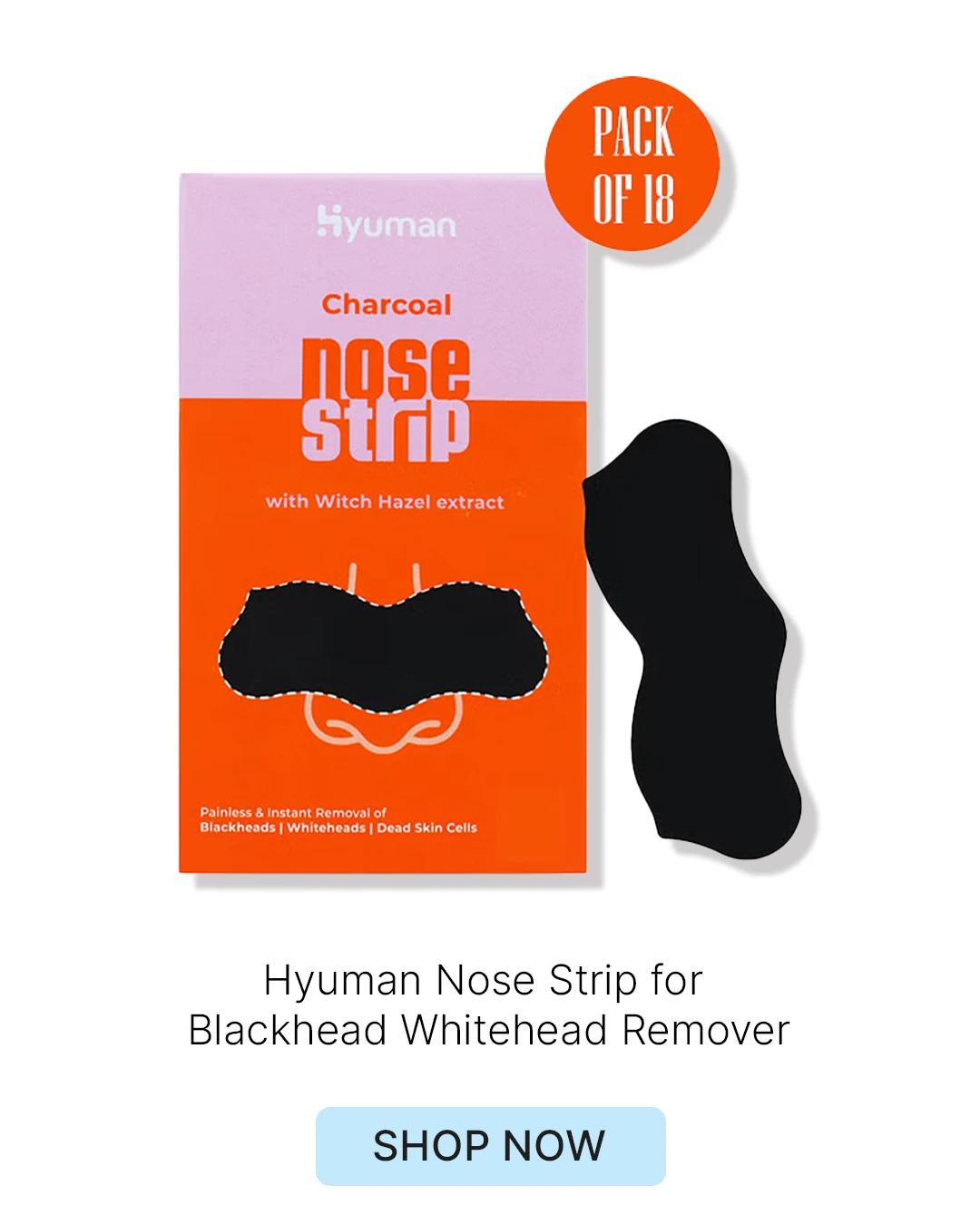

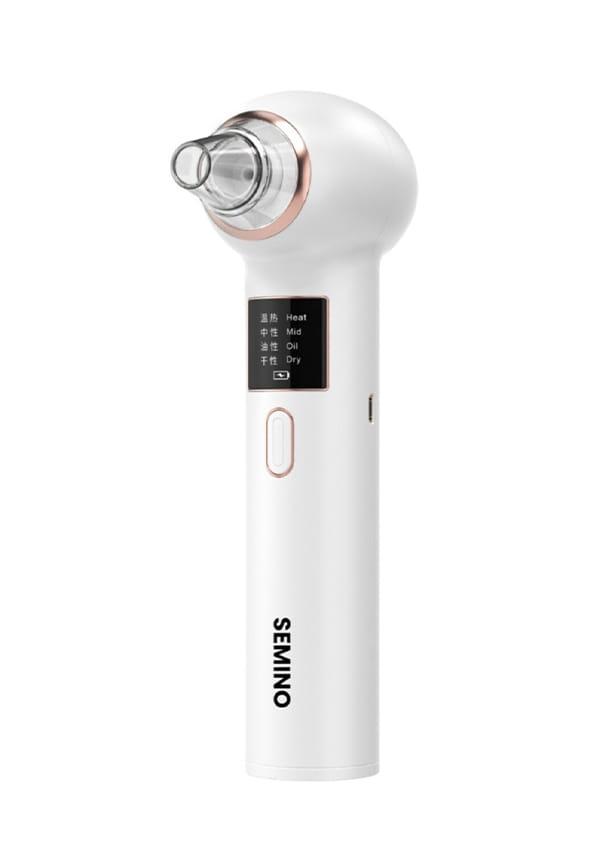
Electric Rechargeable Acne Blackhead Remover and Derma Suction for Blackheads & Whiteheads
Let's be real—blackheads are the uninvited guests that just won't leave your skin alone. Those tiny dark spots camping out on your nose, chin, and forehead can feel impossible to shift. But here's the thing: you don't need expensive salon treatments or harsh chemicals to get clear skin. With the right techniques and a bit of patience, blackhead removal at home can be just as effective as professional treatments. We're talking about tried-and-tested methods that actually work, using ingredients you probably already have in your kitchen. Ready to discover how to unclog those stubborn pores and get the smooth, clear skin you've been dreaming of?
Before diving into removal techniques, it's worth understanding what you're actually dealing with. Blackheads aren't dirt trapped in your pores—that's a common myth that leads to over-scrubbing and damaged skin.
Blackheads form when your pores get clogged with a combination of sebum (your skin's natural oil), dead skin cells, and keratin. When this mixture reaches the surface and gets exposed to air, it oxidises and turns that characteristic dark colour. That's why they're black, not because they're dirty. Your skin naturally sheds dead cells and produces oil to keep itself healthy. But sometimes this process goes a bit haywire—maybe you're producing too much oil, or dead skin cells aren't shedding properly. When these elements combine and get stuck in your pores, you've got yourself a blackhead.
Most blackheads love to set up camp in your T-zone—that's your nose, forehead, and chin. These areas have more oil glands, which means more sebum production and higher chances of pore clogging. Certain factors make you more prone to blackheads: oily or combination skin types, hormonal changes, using heavy skincare products, and even genetics. If your parents dealt with blackheads, chances are you might too.
Success with DIY blackhead extraction starts with proper preparation. Think of it like prepping for a workout—you wouldn't jump straight into heavy lifting without warming up, right?
For steaming, you'll need a large bowl, hot water, and a clean towel. Adding green tea bags or chamomile to your steam water can provide extra anti-inflammatory benefits. If you're planning to do manual extraction, invest in a proper comedone extractor tool. These are small metal tools with loops on the end, designed to apply even pressure around blackheads. Always sanitise them with rubbing alcohol before and after use. For natural blackhead remedies, stock up on honey, cinnamon, baking soda, coconut oil, and green tea. These ingredients are gentle yet effective for pore cleansing.
Before trying any new ingredient or method, do a patch test on a small area of skin. Wait 24 hours to see if there's any reaction. This is especially important if you have sensitive skin or are trying a new active ingredient. Avoid at-home extraction if you have active acne, inflamed skin, or if you're using strong retinoids or acids that have made your skin more sensitive.
Now for the good stuff—methods that actually deliver results without damaging your skin. These techniques focus on gentle yet effective skin exfoliation and pore cleansing.
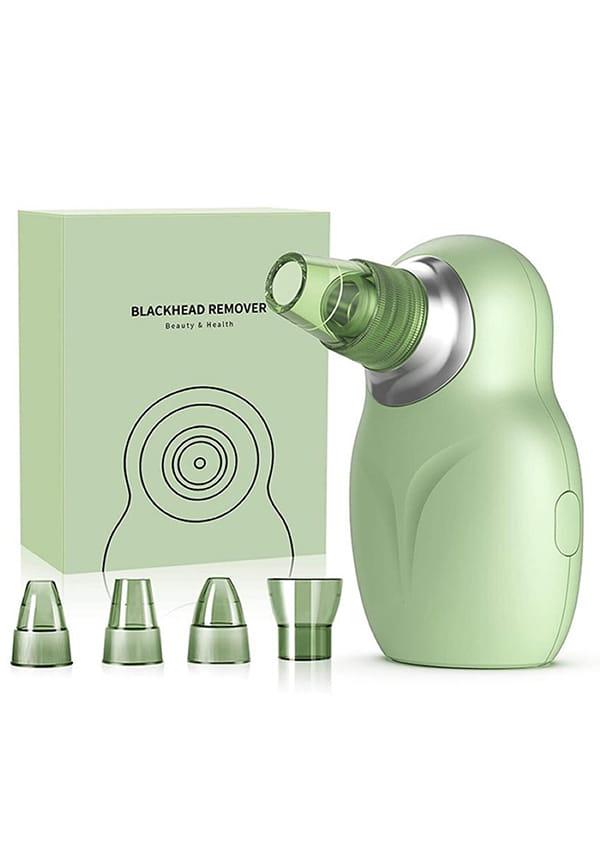
Rechargeable Acne Blackhead Remover and Derma Suction for Blackheads & Whiteheads
Steaming is your best friend for softening blackheads and making them easier to remove. Fill a large bowl with hot (not boiling) water, lean over it with a towel draped over your head, and steam for 10-15 minutes. The heat helps soften the hardened oil and dead skin cells in your pores, making extraction much gentler and more effective. Adding green tea bags to your steam water provides antioxidants that can help calm your skin.
A simple sugar and coconut oil scrub works wonders for gentle skin exfoliation. Mix equal parts white sugar and coconut oil, then massage in gentle circular motions for about 30 seconds. The sugar provides physical exfoliation while coconut oil moisturises. For a weekly deep clean, try a baking soda paste. Mix a small amount of baking soda with water to form a paste, then gently massage onto damp skin. Use this sparingly—once a week maximum—as baking soda can be quite alkaline.
Honey and cinnamon masks are brilliant for blackhead removal. Mix two tablespoons of honey with one teaspoon of cinnamon powder. Apply to clean skin and leave for 10 minutes before rinsing. Honey has antibacterial properties while cinnamon improves circulation. Egg white masks work by tightening pores and pulling out impurities. Whisk one egg white until frothy, apply a thin layer to your face, and let it dry completely before peeling off gently. Green tea isn't just for drinking—used tea leaves make an excellent gentle scrub. After brewing green tea, save the leaves and gently massage them onto your skin in circular motions.
When done correctly, manual extraction can be highly effective. But the key word here is 'correctly'—improper technique can lead to scarring, infection, or pushing bacteria deeper into your skin.
Start with freshly steamed skin and clean hands. Sanitise your comedone extractor with rubbing alcohol. Position the loop around the blackhead and apply gentle, even pressure downwards. If the blackhead doesn't come out easily, stop—forcing it can damage your skin. After extraction, immediately apply a toner containing salicylic acid or witch hazel to help close the pores and prevent bacteria from entering.
Homemade pore strips using unflavoured gelatin and milk can be surprisingly effective. Mix one tablespoon of gelatin powder with one tablespoon of milk, microwave for 10 seconds, then apply to your nose while warm. Let it dry completely before peeling off. Commercial pore strips work too, but use them sparingly—once a week maximum. Overuse can irritate your skin and actually make pores appear larger.
While DIY methods are great, sometimes you need the power of proven active ingredients to really tackle stubborn blackheads. The good news is many effective treatments are available over the counter.
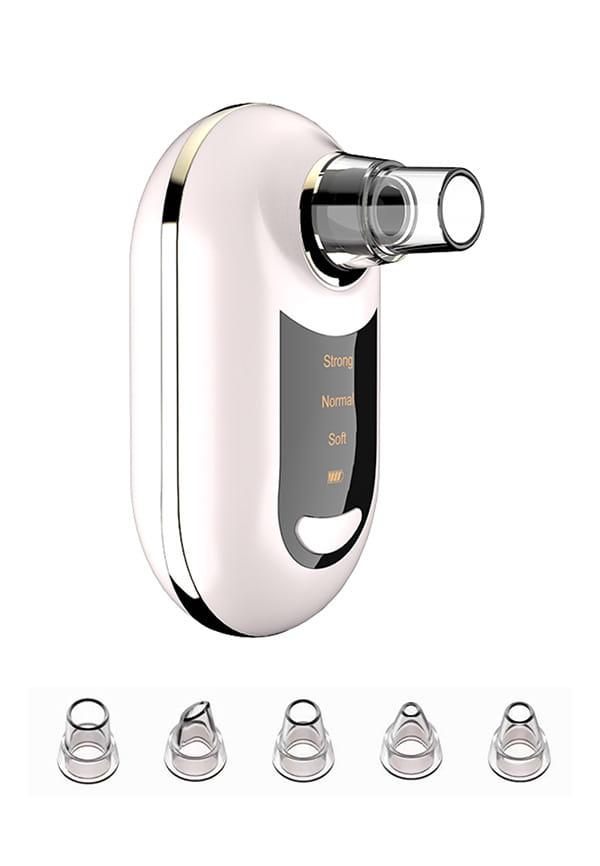
Signaxo ClearPore Rechargeable Vacuum Acne Pore Cleaner Blackhead Remover Dermasuction With 5 Nozzles
Salicylic acid is a beta-hydroxy acid that can penetrate oil and break down the keratin and sebum mixture that forms blackheads. It's oil-soluble, which means it can get deep into pores where water-based ingredients can't reach. Start with a low concentration (0.5-1%) and use it every other day initially. You can gradually increase frequency as your skin builds tolerance. Look for leave-on treatments rather than wash-off products for better results.
Tea tree oil has antimicrobial properties that can help prevent the bacteria that sometimes accompany blackheads. Always dilute it with a carrier oil—it's too strong to use neat on your skin. Retinoids and vitamin A derivatives speed up cell turnover, helping prevent dead skin cells from clogging pores in the first place. Start with over-the-counter retinol products before considering prescription options. Alpha hydroxy acids like glycolic acid provide surface exfoliation, helping remove the top layer of dead skin cells that can contribute to blackhead formation.
When choosing products, look for non-comedogenic formulations that won't clog pores further. Avoid combining too many active ingredients at once—this can lead to irritation and actually worsen your skin. Build tolerance gradually. Start with one active ingredient, use it consistently for a few weeks, then consider adding another if needed.
Consistent daily care is more effective than occasional intensive treatments. Your facial cleansing routine should focus on gentle but thorough cleansing without over-stripping your skin.
The double cleansing method is particularly effective for blackhead-prone skin. Start with an oil-based cleanser to dissolve sebum and makeup, then follow with a water-based cleanser to remove any remaining impurities. Exfoliate 2-3 times weekly using either a gentle physical scrub or a chemical exfoliant like salicylic acid. Over-exfoliation can actually increase oil production, so more isn't always better. Always moisturise after cleansing, even if you have oily skin. When your skin is dehydrated, it can overproduce oil to compensate, potentially making blackheads worse.
Once a week, combine steaming, a clarifying mask, and gentle extraction if needed. This deeper clean helps prevent blackheads from forming while addressing any existing ones. Rotate between different treatment methods—maybe a clay mask one week, a honey and cinnamon mask the next. This prevents your skin from getting too used to one approach.
Real talk—achieving and maintaining clear skin goes beyond just what you put on your face. Several lifestyle factors can impact blackhead formation and overall skin health.
Your diet can influence your skin, particularly foods high in refined sugars and dairy, which some studies suggest may increase oil production. While the research isn't conclusive, many people notice improvements when they reduce these foods. Hormonal changes, especially during menstruation, pregnancy, or times of stress, can increase oil production and make blackheads more likely. Understanding your skin's patterns can help you adjust your routine accordingly. Environmental factors like pollution and humidity can also affect your skin. If you live in a polluted area, consider using an antioxidant serum to help protect against free radical damage.
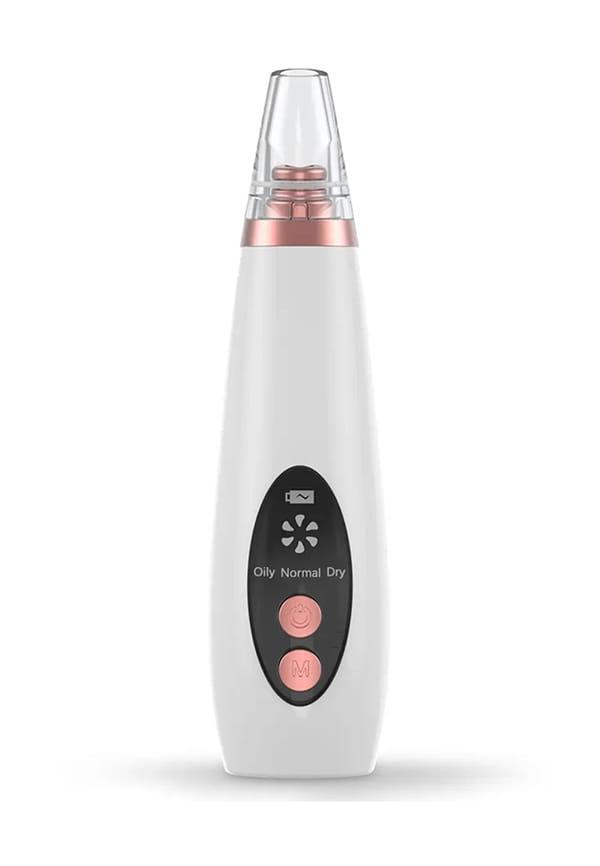
Professional Blackhead Remover Dermasuction Machine With 6 Nozzles
Over-exfoliation is one of the biggest mistakes people make when trying to clear blackheads. Signs include redness, irritation, increased sensitivity, or paradoxically, more oil production. Harsh extraction techniques can damage your skin and potentially cause scarring. Never squeeze blackheads with your fingernails or apply excessive pressure. Using too many active ingredients at once can irritate your skin and disrupt its natural barrier function. Stick to one or two key ingredients and introduce new ones gradually.
If your blackheads are accompanied by inflamed acne, if home treatments aren't working after 6-8 weeks of consistent use, or if you're experiencing scarring, it might be time to see a dermatologist. Professional extractions are performed with proper tools and technique, and dermatologists can prescribe stronger treatments if needed. Signs that indicate you should seek professional help include persistent blackheads despite consistent treatment, skin that becomes increasingly irritated, or if you're unsure about proper technique. This is where platforms like Smytten become invaluable for your skincare journey. With access to trial packs from over 1,500 trusted brands including Cetaphil, Dot & Key, and other leading skincare names, you can experiment with different blackhead treatments and pore cleansing products without committing to full-size purchases. Whether you're looking for gentle exfoliants, salicylic acid treatments, or natural ingredients for your DIY remedies, trying products first helps you find what works for your specific skin type.
Steam your face for 10 minutes to open pores, then apply a honey and cinnamon mask for 10 minutes. After rinsing, gently extract using clean tools if needed, then apply a salicylic acid treatment and moisturiser. This natural approach is gentle yet effective.
Quick steam for 3 minutes, followed by gentle extraction with sanitised tools, then immediately apply a pore-closing toner. However, remember that gentle, consistent care is more effective than rushing the process.
Deep extraction should be done once weekly maximum, with daily gentle cleansing and 2-3 times weekly exfoliation for prevention. Over-treating can irritate your skin and actually worsen the problem.
Start with gentler methods like honey masks and avoid harsh scrubs. Always patch test new ingredients and reduce frequency if irritation occurs. Sensitive skin types should focus more on prevention than aggressive removal.
Surface blackheads respond well to home treatment, but deeply embedded ones may require professional extraction to avoid scarring. If blackheads don't come out easily with gentle pressure, it's best to leave them for a professional.
Clearing blackheads at home is absolutely achievable with the right approach and patience. The key is consistency rather than intensity—gentle daily care with weekly deeper treatments will give you better results than aggressive sporadic efforts. Remember that everyone's skin is different, so what works for your friend might not work for you. Start with the gentler methods like steaming and natural masks, then gradually introduce active ingredients if needed. Pay attention to how your skin responds and adjust accordingly. Most importantly, don't expect overnight results—good skincare is a marathon, not a sprint. With Smytten's extensive range of trial packs from trusted skincare brands, you can explore different products and find your perfect blackhead-fighting routine without the commitment of full-size purchases. After all, why settle for 'maybe' when you can try it all and find what truly works for your skin?
