How to Reduce Fine Lines with Retinol: Expert Guide


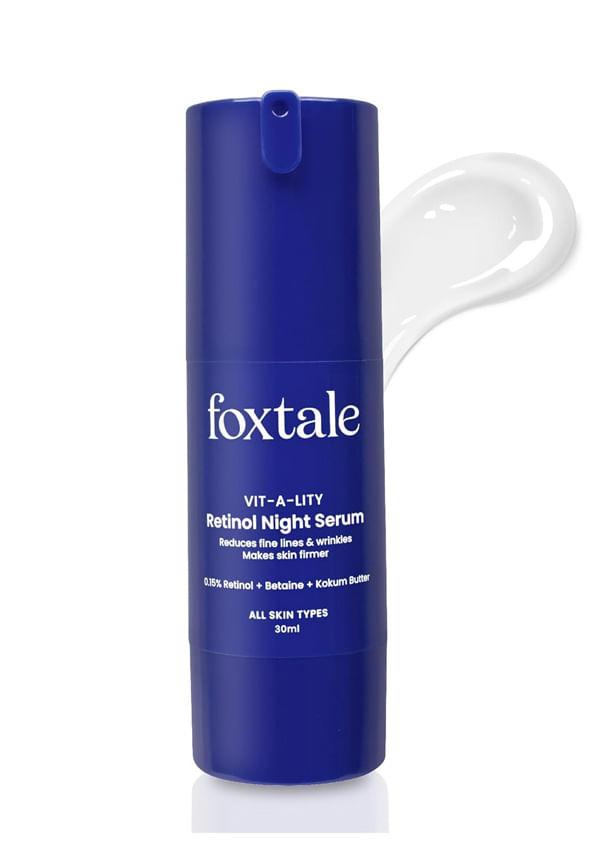
0.15% Beginner Friendly Retinol Night Serum, Anti-Aging Night Cream
Excited, trusts Foxtale
 5
5“so good yay excited to see results and i trust foxtale”
Light and Fast Absorbing
5“light on face it's my first order now I am start using it get result I will share but it's fast absorbing and light on skin”
Light and Fast Absorbing
5“light on face it's my first order now I am start using it get result I will share but it's fast absorbing and light on skin”
Fine lines creeping up on you? Let's be real—ageing happens to all of us, but that doesn't mean we can't fight back with the right tools. Enter retinol, the skincare superhero that's been making waves in the beauty world for decades. This vitamin A derivative isn't just another trendy ingredient; it's backed by serious science and delivers real results for retinol for fine lines and wrinkles. Whether you're dealing with crow's feet, forehead lines, or those sneaky smile lines, retinol might just become your new skincare obsession. Ready to discover how this powerhouse ingredient can transform your skin? Let's dive into everything you need to know about using retinol safely and effectively.
Think of retinol as your skin's personal trainer—it pushes your cells to work harder and faster. This vitamin A derivative is a game-changer when it comes to tackling signs of ageing. But how exactly does it work its magic on those pesky fine lines?
At its core, retinol speeds up your skin's natural cell turnover process. Normally, your skin takes about 28 days to renew itself, but retinol can cut that time in half. This means fresher, younger-looking skin reaches the surface much quicker. Plus, retinol gives your collagen production a serious boost—and we all know collagen is what keeps our skin plump and bouncy.
The science behind retinol benefits is pretty impressive. Clinical studies show that consistent retinol use can reduce fine lines by up to 60% within 12 weeks. It works by penetrating deep into your skin layers, where it converts to retinoic acid—the active form that actually does the heavy lifting. This process stimulates fibroblasts (the cells that make collagen) and helps repair damaged skin structures.
Here's what you can expect timeline-wise:
Weeks 1-2: Your skin might feel a bit sensitive as it adjusts
Weeks 3-4: You'll start noticing smoother texture
Weeks 6-8: Fine lines begin to soften
Weeks 10-12: Visible reduction in wrinkles and improved skin tone
Whilst retinol is famous for its wrinkle-fighting powers, it's actually a multi-tasking marvel. The anti-aging skincare benefits go way beyond just smoothing out lines—it's like getting multiple treatments in one bottle.
One of the most noticeable changes you'll see is improved skin texture. Retinol helps slough off dead skin cells that can make your complexion look dull and rough. The result? Skin that feels baby-soft and looks naturally radiant. Many users report that their makeup goes on smoother too, which is always a win.
Hyperpigmentation and age spots don't stand a chance against retinol either. By accelerating cell turnover, it helps fade dark spots and evens out your skin tone. This skin rejuvenation process can take a few months, but the results are worth the wait. You'll notice your complexion looking more uniform and bright.
Here are some additional benefits that make retinol worth trying:
Tighter, firmer skin as collagen production increases
Smaller-looking pores due to improved skin structure
Reduced acne breakouts (retinol helps unclog pores)
Better absorption of other skincare products
Overall healthier skin barrier function
Choosing between a retinol serum and retinol cream can feel overwhelming, but it really comes down to your skin type and preferences. Both can be effective for tackling fine lines, but they work slightly differently.
Retinol serums typically have lighter textures and higher concentrations. They're brilliant for oily or combination skin types because they absorb quickly without leaving a heavy feeling. The thinner consistency also means better penetration into your skin layers, which can lead to faster results. However, this also means they might be more irritating for sensitive skin.
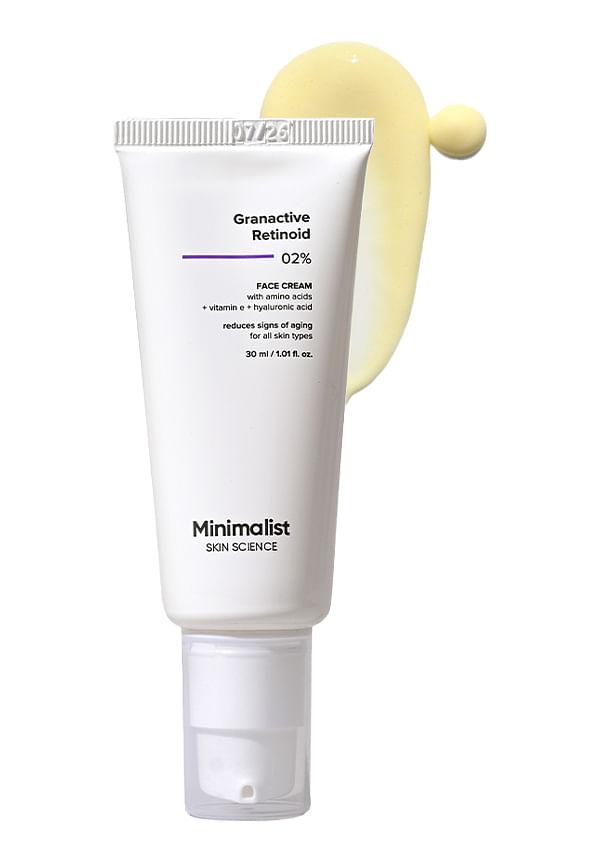
Granactive Retinoid 2% Face Cream
Good product
5“very good and very nice product”
Good for Anti-Ageing
5“Great for anti ageing and fine lines”
Good for Anti-Ageing
5“Great for anti ageing and fine lines”
Retinol creams, on the other hand, combine the power of retinol with moisturising ingredients. They're perfect if you have dry or mature skin that needs extra hydration. The cream base helps buffer the retinol, making it gentler and less likely to cause irritation. Plus, you get the added benefit of moisture, which is crucial for maintaining healthy skin barrier function.
When you're starting out, concentration matters more than formulation. Here's how to choose the best retinol strength:
0.1%: Perfect for retinol newbies or sensitive skin
0.25-0.5%: Good middle ground for most skin types
1%: For experienced users with resilient skin
Learning how to use retinol properly is crucial for getting results without the drama. The key is starting slow and building up your skin's tolerance gradually. Think of it as training for a marathon—you wouldn't run 26 miles on your first day, right?
The golden rule for retinol for aging skin is the "start low, go slow" approach. Begin with the lowest concentration available and use it just once a week initially. This gives your skin time to adjust without overwhelming it. Many people make the mistake of diving in headfirst, only to deal with redness, peeling, and irritation that could have been avoided.
Here's your step-by-step retinol routine:
Cleanse your face thoroughly with a gentle cleanser
Wait 20-30 minutes for your skin to completely dry
Apply a pea-sized amount of retinol to your entire face
Avoid the eye area unless using an eye-specific retinol
Follow with a moisturiser to lock in hydration
Always use retinol at night—never during the day
The waiting period after cleansing is crucial because applying retinol to damp skin can increase irritation. Your skin needs to be completely dry to prevent the retinol from penetrating too quickly and causing sensitivity.
This tried-and-tested method helps your skin adapt without shock:
Week 1: Use retinol once
Week 2: Use retinol twice
Week 3: Use retinol three times
Week 4 onwards: Gradually increase to every other night, then nightly if tolerated
Let's talk about the elephant in the room—retinol side effects. Whilst retinol is generally safe for most people, it can cause some initial discomfort as your skin adjusts. The good news? Most side effects are temporary and manageable with the right approach.
The most common side effects include dryness, redness, peeling, and increased sensitivity. Some people experience what's called the "retinol uglies"—a period where your skin might look worse before it gets better. This typically happens during the first 2-4 weeks and is actually a sign that the retinol is working to speed up cell turnover.
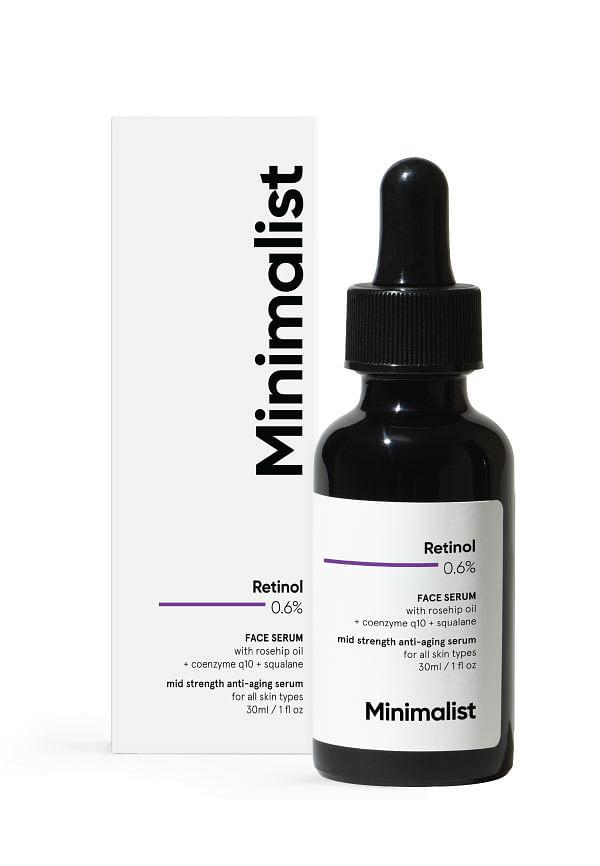
Retinol 0.6% Mid-Strength Anti Aging Face Serum
Great for Anti-Ageing
5“Amazing product for anti ageing ”
Great for Anti-Ageing
5“Amazing product for anti ageing ”
Great for Anti-Ageing
5“Amazing product for anti ageing ”
Here's how to minimise irritation and make your retinol journey smoother:
Always start with the lowest concentration available
Use a gentle, fragrance-free moisturiser after application
Never skip sunscreen during the day (retinol increases sun sensitivity)
Avoid using other active ingredients like AHAs or BHAs initially
Consider "buffering" by mixing retinol with moisturiser
If you're experiencing irritation, don't panic—there are ways to make retinol work for your skin. The buffering technique involves mixing your retinol with moisturiser before applying, which dilutes the concentration and makes it gentler. You can also try the sandwich method: moisturiser, retinol, then more moisturiser.
Some people find that using retinol every third night works better than the traditional every-other-night approach. Listen to your skin and adjust accordingly—there's no rush to reach daily use if your skin is happier with a slower pace.
Not everyone can tolerate retinol, and that's perfectly fine. The world of anti-aging skincare offers plenty of gentler alternatives that can still deliver impressive results for skin rejuvenation. These options are particularly popular in Korean skincare routines, which focus on gentle yet effective ingredients.
Peptides are brilliant retinol alternatives that work by signalling your skin to produce more collagen. They're much gentler than retinol and suitable for sensitive skin types. Look for products containing copper peptides or palmitoyl pentapeptide-4 for the best results.
Vitamin C is another powerhouse ingredient that offers anti-aging skincare benefits without the irritation potential of retinol. It's an antioxidant that protects against environmental damage whilst brightening your complexion and supporting collagen production. The best part? You can use it during the day, unlike retinol.
Here are some gentle alternatives worth considering:
Bakuchiol: A plant-based retinol alternative with similar benefits
Niacinamide: Reduces fine lines and improves skin texture
Hyaluronic acid: Plumps skin and reduces the appearance of fine lines
Botanical stem cells: Support skin renewal and repair
Squalane oil: Provides deep hydration and supports skin barrier
These alternatives work well on their own or in combination with each other. Many people find that a routine combining vitamin C in the morning and peptides at night gives them excellent results without any irritation.
Managing expectations is crucial when starting your retinol journey. Whilst the results for retinol for fine lines and wrinkles can be dramatic, they don't happen overnight. Understanding the timeline helps you stay motivated during those first few weeks when you might not see much change.
The first month is all about adjustment. Your skin is learning to work with this new ingredient, and you might experience some initial irritation. Don't be discouraged if you don't see immediate improvements—this is completely normal. Focus on building tolerance and maintaining consistency.
Months 2-3 are where the magic starts happening. This is when most people begin to notice real improvements in their skin texture and the first signs of wrinkle reduction. Fine lines start to soften, and your overall complexion looks brighter and more even.
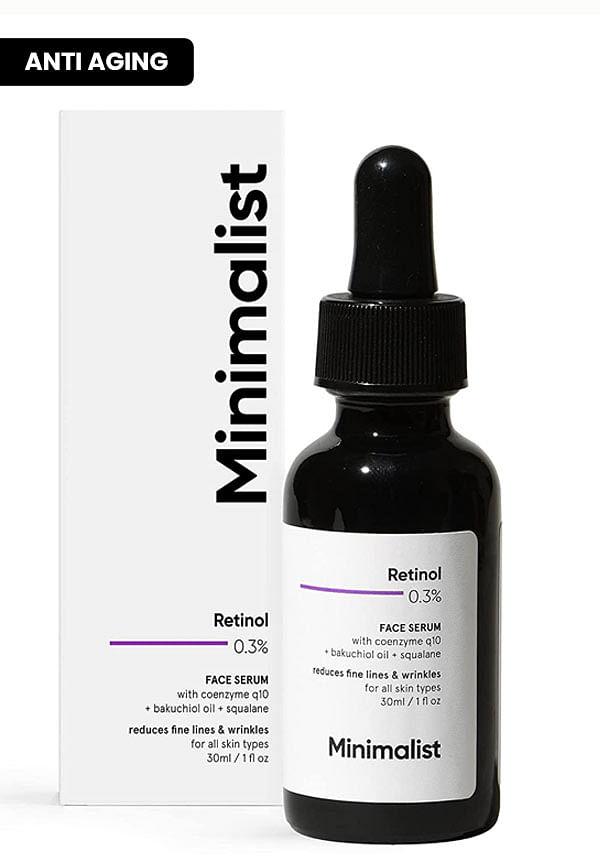
0.3% Retinol Face Serum With Anti-Aging Property With Q10
Good Product, Highly Recommend
4“good product u can try highly recommend”
Effective Product
5“nice product must try give best results”
Effective Product
5“nice product must try give best results”
By months 4-6, the transformation becomes more obvious. Deeper lines begin to improve, skin firmness increases, and the overall quality of your skin reaches new levels. This is also when you might consider upgrading to a higher concentration if your skin is tolerating the current strength well.
Factors that can affect your results include:
Your age and skin condition when starting
Consistency of use and proper application
Sun protection habits (crucial for maintaining results)
Overall skincare routine and lifestyle factors
The quality and concentration of retinol product used
When it comes to trying retinol products, Smytten makes the process so much easier. As India's largest product discovery platform, Smytten connects you with over 1,500 trusted brands including skincare favourites like Cetaphil and Dot & Key. You can explore retinol serums and creams through curated trial packs, getting up to 8 minis for just ₹249. This approach lets you test different retinol formulations and concentrations without committing to full-size purchases—perfect for finding your ideal match.
Yes, retinol is clinically proven to reduce fine lines and wrinkles by increasing collagen production, accelerating cell turnover, and improving skin texture. Most users see visible improvements within 4-12 weeks of consistent use.
The best retinol depends on your skin tolerance and experience level. Beginners should start with 0.1% concentration, whilst experienced users can use 0.5-1%. Look for products with stabilised retinol and hydrating ingredients.
The rule of 3 is a gradual introduction method: use retinol once a week for the first week, twice a week for the second week, and three times a week for the third week. After this period, you can increase to nightly use if tolerated.
Eventually, yes, but not immediately. Start with once or twice a week and gradually build up to nightly use over several weeks. Some people find every other night works better for their skin long-term.
Avoid using retinol with vitamin C, AHAs, BHAs, or benzoyl peroxide initially. Also skip retinol if you're pregnant or breastfeeding, and always wear sunscreen during the day as retinol increases sun sensitivity.
Retinol truly deserves its reputation as the gold standard for fighting fine lines and wrinkles. With consistent use and the right approach, it can transform your skin in ways that seemed impossible just a few months ago. The key is patience, proper application, and listening to your skin's needs throughout the process.
Remember, everyone's skin is different, and what works for your friend might not work exactly the same way for you. That's where platforms like Smytten become invaluable. With over 25 million users and 100 million trial minis delivered across 27,000+ pincodes, Smytten helps you make smarter, more confident choices about your skincare routine. You can try different retinol formulations risk-free, and when you find your perfect match, purchasing the full-size version is just a click away. After all, why settle for 'maybe' when you can Try It All and find exactly what your skin loves?
