How to Recognize Signs of Unhealthy Skin Fast

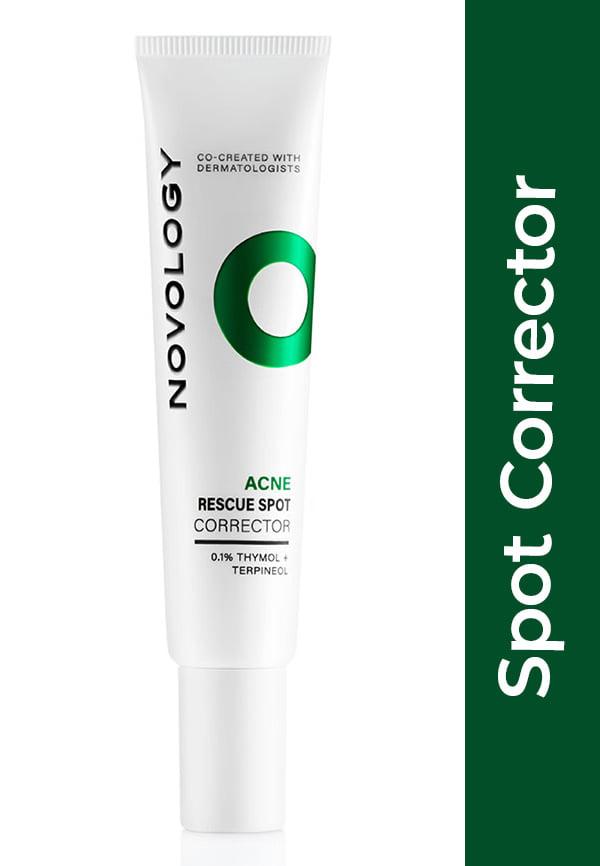
Acne Spot Corrector,For Acne Prone Skin
Great Product, Must Have
 5
5“Great product must have pleaae go for it”
Great for Acne & Marks
4“grest product to treat acne marks and acne”
Reduces Acne Quickly
4“This helps in reducing acne quickly”
Your skin is basically your body's way of telling you what's going on inside—and sometimes it's not great news. Whether you've noticed your complexion looking a bit off lately or you're dealing with persistent issues that won't budge, recognising the signs of unhealthy skin early can save you from bigger problems down the line. Real talk: most of us are pretty good at spotting the obvious stuff like breakouts, but there are subtler warning signs that often fly under the radar. From that stubborn dull skin that no amount of highlighter can fix to mysterious patches that seem to appear overnight, your skin might be waving red flags that deserve your attention. Let's dive into what to look for and when it's time to take action.
Before we get into the nitty-gritty, let's establish what we're actually looking for. Healthy skin typically has a natural glow, feels smooth to the touch, and maintains an even tone without major discolouration or persistent irritation. When things go sideways, you'll start noticing changes that stick around longer than they should. Dull skin is one of the most common early indicators—think of it as your complexion losing its natural radiance and looking tired even when you're well-rested. Instead of that healthy glow, you might notice a greyish or sallow undertone that makeup can't quite mask. Uneven skin tone becomes more pronounced, with patches of discolouration, dark spots, or areas that look noticeably different from the rest of your face. Texture changes are another major tell. Healthy skin feels relatively smooth and supple, whilst unhealthy skin often develops a rough skin texture that feels bumpy, flaky, or overly tight. You might also notice increased sensitivity, where products that never bothered you before suddenly cause reactions.
Now that we know what to look for generally, let's break down the specific warning signs that shouldn't be ignored. These are the red flags that suggest your skin needs some serious TLC—or possibly professional attention.
We all deal with dry skin occasionally, especially during colder months or after spending too much time in air conditioning. But when dryness becomes your skin's default state, that's when you need to pay attention. Persistent dryness often comes with flaking, scaling, or that uncomfortable tight feeling that doesn't go away even after moisturising. Rough skin texture that feels like sandpaper is another concern. If your skin feels bumpy or uneven to the touch, it could indicate a compromised skin barrier or underlying condition that needs addressing.
Skin irritation that won't quit is definitely worth investigating. We're not talking about the temporary redness you get after trying a new product or spending too long in the sun—this is about persistent irritation that seems to have no obvious cause. Skin redness and skin inflammation that stick around for weeks or keep coming back in the same spots are particularly concerning. This could manifest as patches of red, inflamed skin, persistent flushing, or areas that feel warm to the touch.
Acne breakouts aren't just a teenage problem—adult acne is incredibly common and can actually be more stubborn than the spots you dealt with in school. If you're experiencing regular breakouts well into your twenties, thirties, or beyond, especially if they're cystic or leave scarring, it's worth investigating the underlying causes. Pay attention to patterns: are breakouts happening around your period, during stressful times, or in specific areas of your face? These clues can help identify whether you're dealing with hormonal issues, lifestyle factors, or something else entirely.
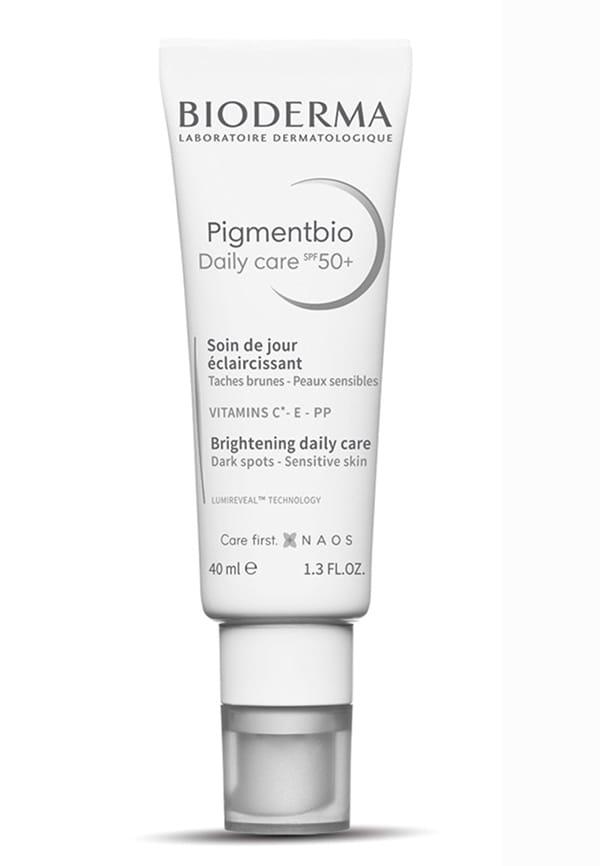
Pigmentbio Daily Care SPF 50+ Brightening Cream for Dark Spots & Senstive Skin
Skin discolouration goes beyond the occasional dark spot from an old breakout. We're talking about significant changes in pigmentation—areas that are noticeably darker or lighter than the surrounding skin, patches that seem to appear out of nowhere, or existing spots that are changing in size or colour. Hyperpigmentation, melasma, or unusual pale patches can all indicate underlying health issues or damage that needs attention. If you notice new discolouration or existing spots changing, it's definitely worth getting checked out.
Itchy skin that interferes with your daily life or sleep is never normal. Occasional itching happens to everyone, but when it becomes persistent or severe enough to cause scratching that leads to wounds or infections, that's a problem. Systemic itching (all over your body) can sometimes indicate internal health issues, whilst localised itching might suggest contact dermatitis, eczema, or other skin conditions that need proper treatment.
Any new growths or changes to existing moles should be taken seriously. The ABCDE rule is helpful here: Asymmetry, Border irregularity, Colour variation, Diameter larger than a pencil eraser, and Evolving (changing over time). If you notice any moles or spots that fit these criteria, or if you develop new growths that look different from your other moles, it's time for a professional evaluation.
Healthy skin typically heals minor cuts, scrapes, or spots within a reasonable timeframe. If you notice wounds that seem to take forever to heal, keep reopening, or show signs of infection, this could indicate compromised skin health or underlying conditions affecting your healing ability. Recurring issues in the same areas—like spots that keep coming back or wounds that won't stay closed—are particularly concerning and warrant professional attention.
Understanding what's behind these skin issues can help you address them more effectively. The causes usually fall into three main categories, and often it's a combination of factors rather than just one thing.
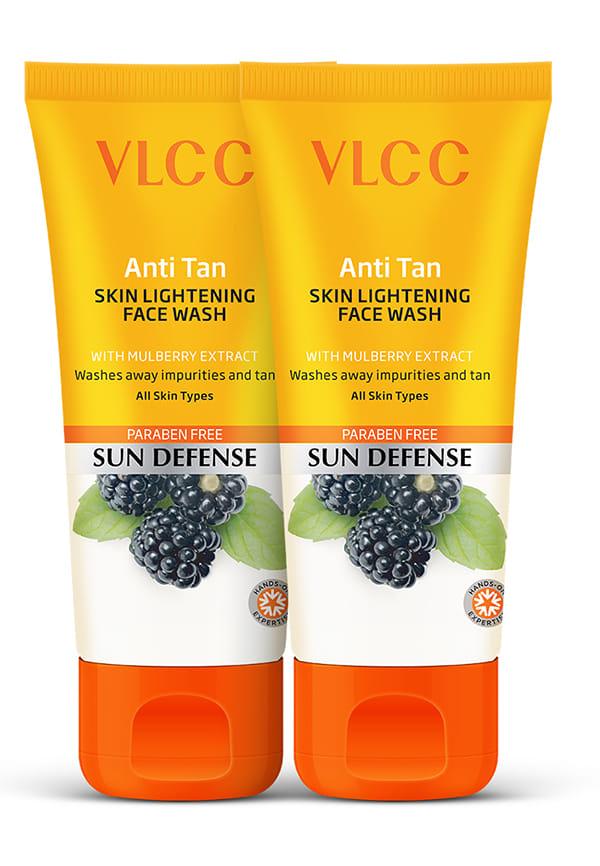
Anti Tan Skin Lightening Face Wash - Buy One Get One
Positive Skin Suitability
5“love it suits my skin verywelll”
Meets expectations
5“meet the expectations as mentioned on the product”
Facewash gives glow, reduces acne
5“I love this facewash it gives instant glow to my skin and also it reduces my active acne”
Your environment plays a massive role in skin health. UV damage from sun exposure is probably the biggest culprit—it contributes to premature ageing, discolouration, and increases skin cancer risk. Even if you're not sunbathing, daily UV exposure adds up over time. Pollution, especially in urban areas, can clog pores and cause inflammation. Air conditioning and heating systems can strip moisture from your skin, leading to dryness and irritation. Even something as simple as hard water can affect your skin's pH balance and cause issues.
What you eat, drink, and how you live absolutely shows up on your skin. Poor nutrition and chronic dehydration can leave your skin looking dull and slow to heal. Not getting enough sleep affects your skin's repair processes, whilst chronic stress can trigger inflammation and worsen existing conditions. Smoking and excessive alcohol consumption are particularly harsh on skin health—they reduce blood flow, deplete nutrients, and accelerate ageing. Even your skincare routine (or lack thereof) can contribute to problems if you're using harsh products or not protecting your skin properly.
Sometimes skin issues are actually symptoms of internal health problems. Autoimmune conditions like lupus or eczema often manifest as skin symptoms first. Hormonal imbalances—whether from PCOS, thyroid issues, or just normal hormonal fluctuations—can cause acne, discolouration, and texture changes. Diabetes can affect wound healing and increase infection risk, whilst certain medications can make your skin more sensitive or prone to problems. Food allergies or sensitivities might show up as skin reactions too.
You don't need to be a dermatologist to keep tabs on your skin health. A regular self-check can help you spot changes early and decide when professional help is needed. Start with good lighting—natural daylight is best, but a bright bathroom light works too. Look at your entire face, not just the areas you usually focus on. Check for any new spots, changes in existing moles, areas of persistent redness or irritation, and overall texture and tone. Don't forget about the rest of your body. Check your neck, chest, back (use a mirror or ask someone to help), arms, and legs. Pay special attention to areas that get sun exposure and any spots that feel different when you're washing or applying lotion. Keep track of what you find—take photos if needed, especially of any spots you want to monitor. Note when problems started, what might have triggered them, and whether they're getting better or worse over time.
Some skin issues resolve on their own or with basic care, but others need professional attention. Don't wait if you notice any moles or spots that are changing, growing, or look different from your other moles. Persistent redness, irritation, or inflammation that doesn't respond to gentle care also warrants a professional opinion. If you're dealing with severe acne that's leaving scars, widespread skin problems that affect your quality of life, or any symptoms that worry you, it's worth getting checked out. Trust your instincts—if something doesn't feel right, it's better to be safe. When you do see a dermatologist, come prepared. Bring a list of products you're using, any medications you're taking, and photos of how your skin looked before the problem started if you have them. Be ready to discuss when symptoms started, what makes them better or worse, and any family history of skin problems. Finding the right skincare products to address these concerns doesn't have to involve expensive trial and error. Smytten connects you with over 1,500 trusted brands including Cetaphil, Dot & Key, and Love, Beauty & Planet through curated trial packs. You can explore up to 8 minis for just ₹249, with 100% cashback redeemable for future purchases, making it easier to find products that actually work for your specific skin concerns without the financial risk.
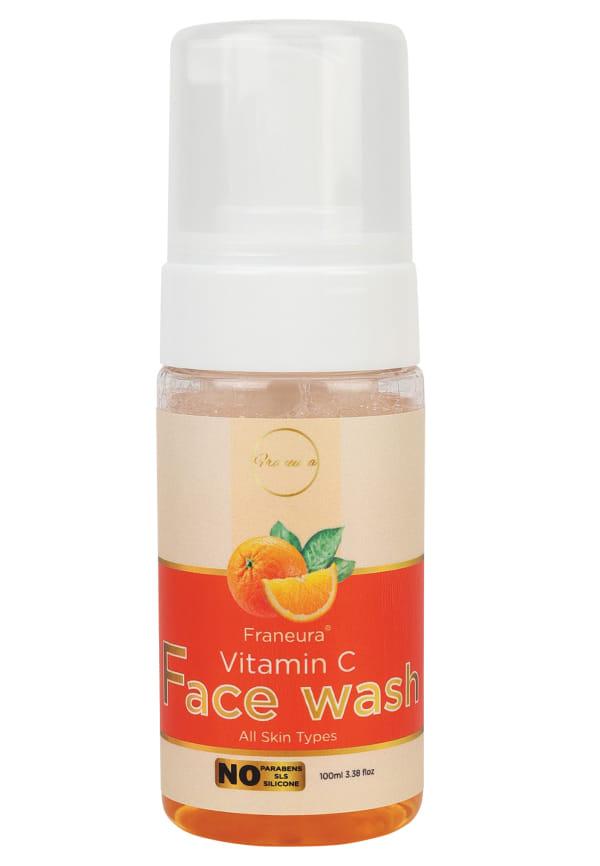
Vitamin C Foaming Face Wash - Brighten & Even Skin Tone
Great Face Wash
4“nice forming face wash with vitamin c extract”
Skin health can change quite rapidly—you might notice improvements or problems within days to weeks of changing your routine or environment. However, some changes, especially those related to ageing or sun damage, develop gradually over months or years.
Absolutely. Stress triggers inflammation in your body, which can worsen conditions like acne, eczema, and psoriasis. It can also slow healing and make your skin more sensitive to irritants.
Yes, different skin types show problems differently. Oily skin might show stress through increased breakouts, whilst dry skin might become flaky or irritated. However, serious warning signs like changing moles or persistent inflammation are concerning regardless of skin type.
Normal ageing involves gradual changes like fine lines and slight texture changes. Unhealthy skin shows more dramatic problems like persistent inflammation, unusual discolouration, or wounds that won't heal.
Diet can definitely impact skin health. Staying hydrated, eating antioxidant-rich foods, and avoiding trigger foods can help with some skin issues. However, serious problems usually need more comprehensive treatment.
If problems persist despite good skincare habits, worsen over time, or are accompanied by other symptoms, it's likely more than just skincare issues. When in doubt, consult a professional.
Recognising signs of unhealthy skin early can save you from bigger problems and help you maintain better overall health. Pay attention to persistent changes, trust your instincts when something doesn't feel right, and don't hesitate to seek professional help when needed. Remember that healthy skin is an ongoing process, not a destination. With over 25 million users trusting Smytten to help them discover the right products for their skin concerns, you're not alone in this journey. The platform's trial-first approach means you can explore solutions from trusted brands without the usual commitment, making it easier to find what actually works for your unique skin needs. After all, why settle for 'maybe' when you can try it all and find products that truly support your skin health?
