How to Read Skincare Ingredient Lists in India: INCI Explained

Gotukola Indian Ginseng Rejuvinating Beauty Elixir Facial Serum
Ever stood in the skincare aisle, squinting at a product label that looks like it was written in a foreign language? You're not alone. Those long, scientific names on ingredient lists can feel overwhelming, especially when you're trying to make the best choices for your skin. But here's the thing - understanding what goes into your skincare products isn't just helpful, it's empowering. Once you crack the code of INCI (International Nomenclature Cosmetic Ingredient), you'll shop with confidence, knowing exactly what you're putting on your skin and why it matters.
INCI might sound technical, but it's actually your best friend when it comes to understanding skincare. Think of it as a universal language that all cosmetic brands must use when listing ingredients. Whether you're buying from a local Indian brand or an international one, the INCI system ensures that ingredients are named consistently across all products.
The International Nomenclature Cosmetic Ingredient system was created to standardise how cosmetic ingredients are listed worldwide. Instead of brands using their own creative names for ingredients, INCI requires them to use specific, scientific names. This means that niacinamide will always be listed as "Niacinamide" rather than "Vitamin B3" or "Nicotinamide," making it easier for you to spot your favourite ingredients across different products.
In India, the Bureau of Indian Standards (BIS) oversees cosmetic regulations, including ingredient listing requirements. All skincare products sold in India must list ingredients using INCI names in descending order of concentration. This regulation protects consumers by ensuring transparency and helping those with allergies or sensitivities identify potentially problematic ingredients before purchase.
Now that you understand what INCI is, let's dive into the practical side of reading those ingredient lists. The key is knowing that there's a method to what might seem like madness.
Here's something that will change how you look at every product: ingredients are listed in descending order of concentration. This means the first ingredient makes up the largest percentage of the formula, and the last ingredient makes up the smallest. That's why water (Aqua) appears first on most skincare products - it's typically the main component of creams, serums, and cleansers.
The first five ingredients usually make up about 80% of the product, so pay special attention to these. If you're looking for a product with hyaluronic acid but it appears near the end of a long ingredient list, you're probably not getting much of it.
Some INCI names are straightforward, whilst others require a bit of translation. Aqua simply means water, but Sodium Hyaluronate is the INCI name for hyaluronic acid. Tocopherol is Vitamin E, and Retinyl Palmitate is a form of Vitamin A. Learning these common translations helps you quickly identify beneficial ingredients.
Gotukola Indian Ginseng Rejuvinating Beauty Elixir
Ingredients serve different purposes in formulations. Humectants like glycerin and hyaluronic acid draw moisture to the skin. Emollients such as squalane and ceramides soften and smooth. Occlusives like petrolatum create a barrier to prevent water loss. Knowing these categories helps you understand what a product will actually do for your skin.
Certain ingredients have proven benefits for most skin types, especially in the Indian climate where humidity, pollution, and sun exposure create unique challenges.
Niacinamide is particularly brilliant for Indian skin because it helps control oil production and reduces the appearance of enlarged pores - common concerns in our humid climate. Look for it listed as "Niacinamide" on ingredient lists. Sodium Hyaluronate (hyaluronic acid) works beautifully in humid conditions, drawing moisture from the environment to keep skin plump and hydrated.
For sun protection and repair, seek out Vitamin C derivatives. These might appear as "Ascorbic Acid," "Magnesium Ascorbyl Phosphate," or "Sodium Ascorbyl Phosphate." Each form has different stability and penetration properties, but all offer antioxidant benefits.
Natural ingredients often have Latin botanical names in INCI lists. Aloe Barbadensis Leaf Extract is aloe vera, whilst Curcuma Longa Root Extract is turmeric. Many traditional Indian ingredients like neem (Azadirachta Indica) and tulsi (Ocimum Sanctum) are increasingly appearing in modern formulations with their proper INCI names.
Whilst most cosmetic ingredients are safe for general use, some can cause irritation or aren't suitable for certain skin types or climates.
Sulfates like "Sodium Lauryl Sulfate (SLS)" and "Sodium Laureth Sulfate (SLES)" can be too harsh for sensitive skin, stripping away natural oils. Parabens - look for names ending in "paraben" like "Methylparaben" or "Propylparaben" - are preservatives that some people prefer to avoid due to sensitivity concerns.
"Parfum" or "Fragrance" on ingredient lists can hide dozens of unlisted chemicals, which may trigger reactions in sensitive individuals. If you have reactive skin, consider fragrance-free options.
Heavy, comedogenic ingredients like certain mineral oils can clog pores in humid conditions. Isopropyl Myristate and some coconut-derived ingredients might be too rich for oily, acne-prone skin in hot weather. High concentrations of denatured alcohol can be overly drying, even in humid climates.
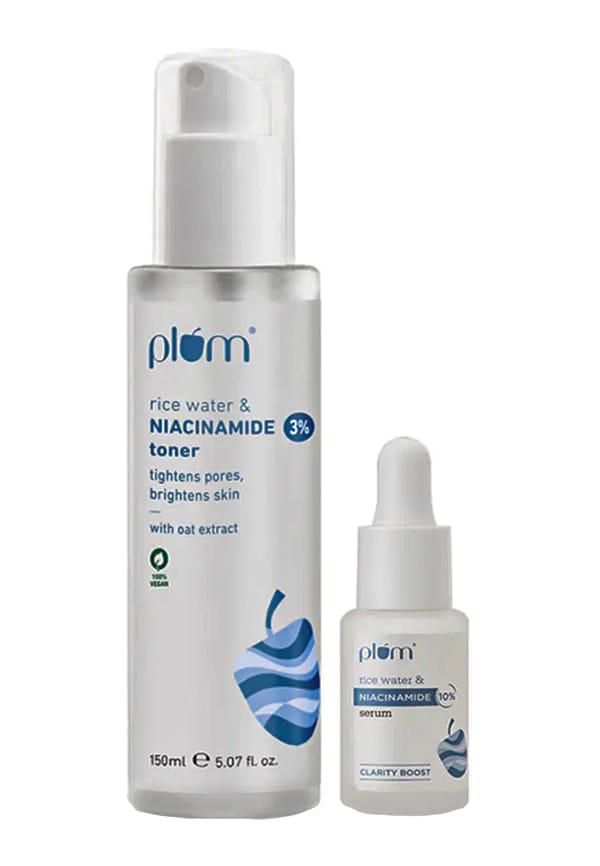
3% Niacinamide Face Toner + 10% Niacinamide Serum with Rice Water
Armed with ingredient knowledge, you can make much smarter skincare choices that actually address your specific concerns.
Start by reading the first five to seven ingredients - these form the base of your product. Look for your target active ingredients within this range for maximum effectiveness. If you're seeking peptides for anti-ageing but they appear after the 15th ingredient, the concentration is likely too low to be effective.
Check for potential irritants or ingredients you know don't work for your skin. Cross-reference with your skin's specific needs - if you have dehydrated skin, prioritise humectants and avoid alcohol-heavy formulations.
Several apps and websites can help decode ingredient lists. These tools often provide information about ingredient functions, potential irritants, and even pregnancy safety. However, remember that these are guides - your skin's individual response matters most.
Shopping for skincare in India comes with unique considerations, from climate factors to ingredient availability and pricing.
Indian brands often incorporate traditional ingredients with proven benefits for local skin concerns. Look for products that combine modern actives with ingredients like turmeric, neem, or sandalwood that have been used in Indian skincare for centuries.
Compare ingredient lists between different price points. Sometimes, affordable products contain the same active ingredients as premium ones, just in different concentrations or with simpler packaging.
Understanding ingredients helps you layer products effectively. Water-based serums with hyaluronic acid should go before oil-based moisturisers. Avoid using multiple products with high concentrations of actives like AHAs or retinoids simultaneously to prevent irritation.
Consider seasonal adjustments - lighter, gel-based formulations with humectants work well during monsoons, whilst slightly richer formulations might be needed during air-conditioned office hours.
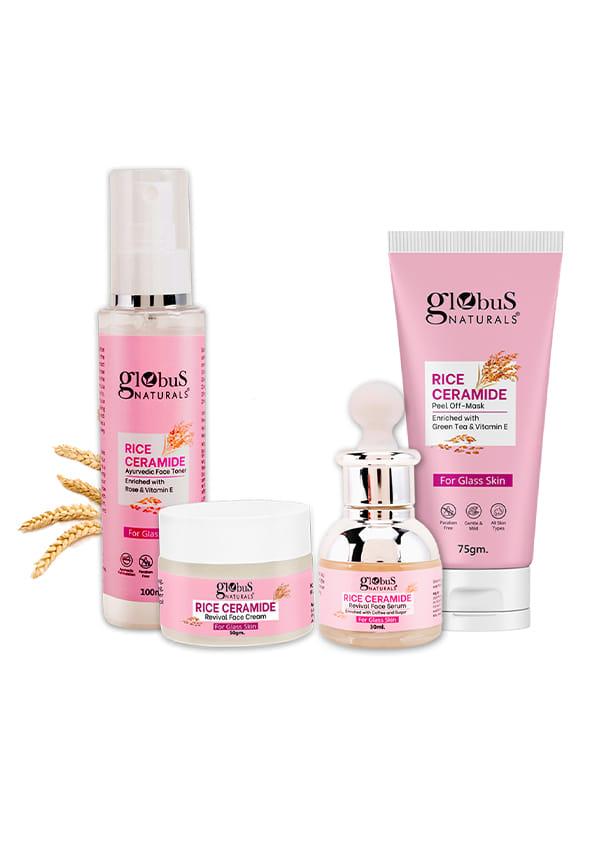
Ceramide Glow Rice Ceramide Combo - Cream, Serum, Toner, Peel Off Mask
Start with the first ingredient, which has the highest concentration, and work down the list in descending order of concentration. Focus on the first five to seven ingredients as these make up the majority of the product.
Ingredients are listed in descending order by concentration using standardised INCI names instead of marketing names. Water (Aqua) typically appears first, followed by the main active and supporting ingredients.
Ingredients must be listed in descending order of quantity. The first ingredient has the highest concentration, and the last has the lowest. Ingredients present at less than 1% can be listed in any order.
Focus on the first five to seven ingredients as they form the product base and have the highest impact. Look for beneficial actives like niacinamide, hyaluronic acid, and appropriate sun protection ingredients.
Natural ingredients often have botanical Latin names (like Aloe Barbadensis for aloe vera), whilst synthetic ones typically have chemical nomenclature. However, both can be equally effective and safe.
Heavy comedogenic oils, high concentrations of denatured alcohol, and overly rich formulations that might clog pores in humid conditions. Focus on lightweight, non-comedogenic options instead.
Learning to read ingredient lists transforms you from a passive consumer into an informed skincare enthusiast. You'll start noticing patterns - which ingredients work for your skin, which ones cause reactions, and which formulations suit different seasons or skin concerns. This knowledge helps you make choices based on what's actually in the bottle, not just what's promised on the packaging.
Remember, the most expensive product isn't always the best for your skin. Sometimes, a simple formulation with well-chosen ingredients outperforms a complex one with dozens of components. Your skin will notice when you start choosing products based on ingredient compatibility rather than marketing claims.
For those curious about trying new products but hesitant to commit to full sizes, platforms like Smytten offer a smart way to test formulations before investing. With access to minis from trusted brands, you can experiment with different ingredient combinations and find what truly works for your skin. After all, the best skincare routine is one built on products you've actually tried and loved, not just read about.
