How to Protect Your Skin with a Winter-Safe Retinol


Winter doesn't mean you need to break up with your retinol—it just means you need to be a bit smarter about how you use it. The cold months actually offer some brilliant advantages for retinol users, like reduced UV exposure that makes your skin less photosensitive. But here's the thing: winter air can be absolutely brutal on your skin barrier, and if you're not careful, your beloved retinol might start feeling more like an enemy than a friend. The good news? With the right winter-safe retinol routine, you can keep reaping all those anti-ageing benefits while keeping your skin happy, hydrated, and glowing even when it's freezing outside.
Let's clear up a massive misconception right off the bat—winter isn't retinol's enemy. In fact, the colder months might just be the ideal time to start or intensify your retinol routine. With shorter days and less intense sunlight, your skin faces significantly reduced UV exposure, which means less risk of the photosensitivity that retinol can cause. Think about it: you're spending more time indoors, wearing more layers, and the sun isn't beating down on your face at 2 PM like it does in summer. This natural protection gives your skin the perfect environment to adapt to retinol without the added stress of harsh UV rays. Plus, starting a retinol routine in winter means your skin will be beautifully adapted and glowing by the time spring rolls around. The key is understanding that whilst winter offers these advantages, it also presents unique challenges that require a thoughtful approach to your skincare routine.
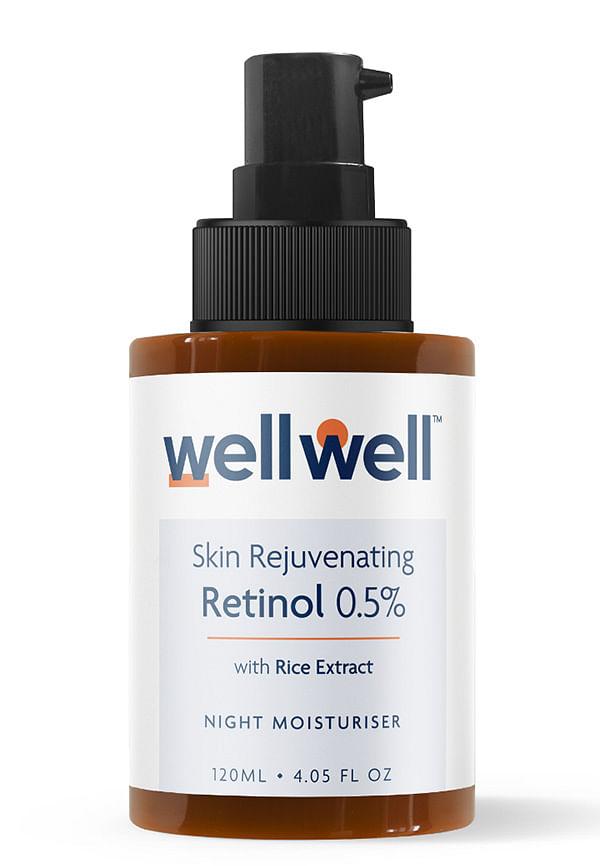
Retinol Night Cream
Retinol Cream Works
 5
5“this retinol night cream... really work...”
Reduces Aging, Improves Skin
5“It helps to reduce aging and helps improve skin”
Average product, versatile
4“average product with many uses”
Winter air is basically your skin's nemesis—it's dry, harsh, and strips away moisture faster than you can say "hydrating serum." When you add retinol into this mix, things can get a bit tricky. Retinol naturally increases cell turnover and can temporarily compromise your skin barrier whilst your skin adjusts. In winter, when your barrier is already under attack from cold winds and indoor heating, this process can feel more intense. The combination of retinol and cold weather can lead to increased dryness, flaking, and sensitivity. Your skin might feel tighter than usual, or you might notice more redness after application. This isn't necessarily a sign that retinol isn't working—it's just your skin telling you it needs extra TLC during the colder months. For those with naturally dry skin, winter can make retinol feel almost impossible to tolerate. The good news is that with the right approach, even the most sensitive skin can successfully use retinol during winter months.
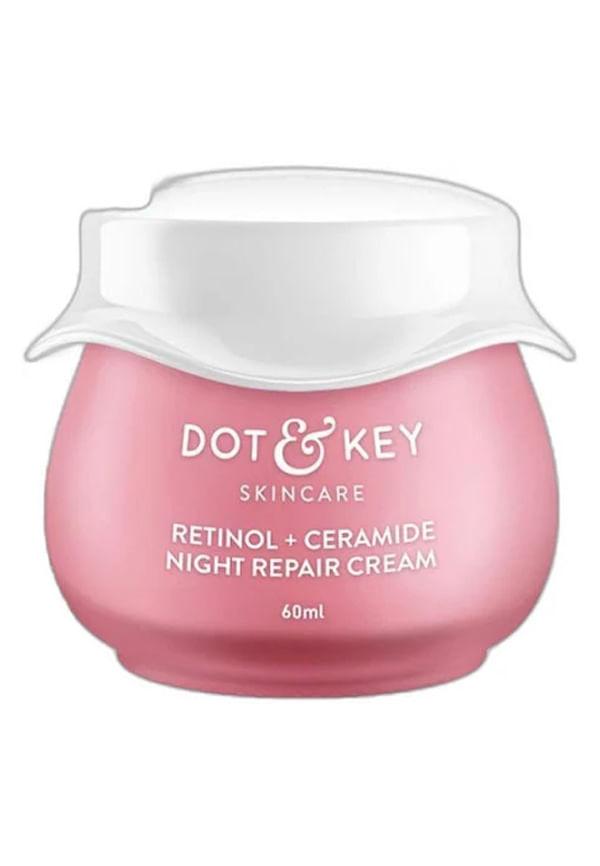
Night Reset Retinol + Ceramide Sleep Treatment Cream
Amazingly good
5“wao amazingly good 👍 thanks for sharing”
Amazingly good
5“wao amazingly good 👍 thanks for sharing”
Really Super Good Product
5“a really really super good product, thank you smytten.”
When humidity levels drop (which they do dramatically in winter), your skin loses moisture much more quickly. Indoor heating systems make this worse by creating an artificially dry environment that constantly pulls moisture from your skin. This compromised moisture barrier means retinol side effects—like dryness and irritation—can feel more pronounced. Your skin's natural oil production also tends to slow down in colder temperatures, leaving you with less natural protection against environmental stressors.
Creating a winter-safe retinol routine isn't about completely overhauling your skincare—it's about making smart adjustments that work with winter's challenges rather than against them. The key is building extra hydration and protection into every step whilst being more gentle with application frequency. Start by modifying the classic retinol introduction rule. Instead of the usual every-other-night approach, consider starting with twice a week during your first winter month, then gradually increasing as your skin adapts. This slower approach gives your skin time to build tolerance whilst dealing with winter's additional stressors. Timing becomes crucial in winter. Always apply retinol at night, and make sure you're giving yourself at least 12 hours before any sun exposure. Even winter sun can be problematic for retinol users, especially if there's snow around to reflect UV rays.
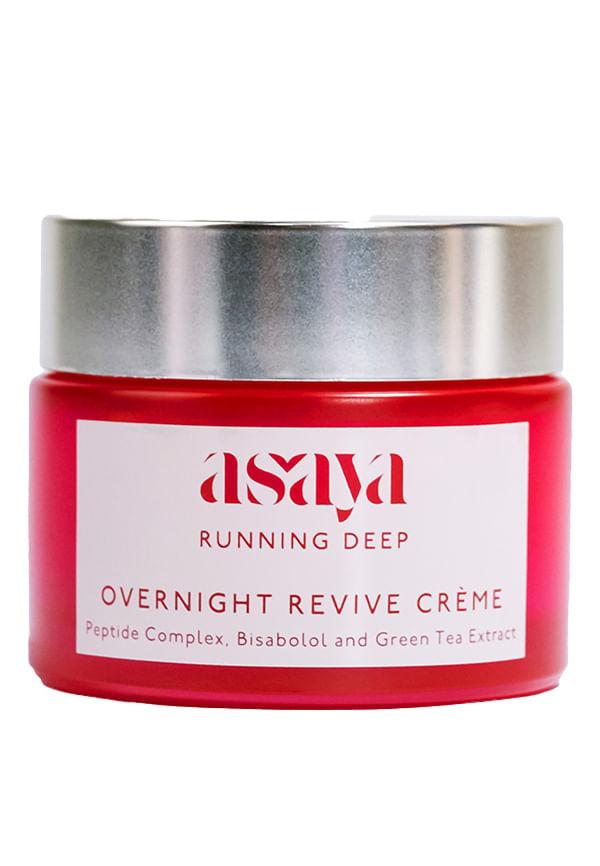
Running Deep Overnight Revive Crème
Your winter skincare routine needs to focus heavily on preparation. Start with a gentle, non-stripping cleanser—this isn't the time for anything with salicylic acid or other exfoliating ingredients. Look for cream or oil-based cleansers that remove makeup and impurities without leaving your skin feeling tight. Follow up with a hydrating toner or essence. This step becomes non-negotiable in winter as it helps restore moisture and prepares your skin to better absorb the products that follow.

0.1% Retinol Serum
Good first impression
5“seems good and looking forward to use it.”
Good Product & Service
5“it was really good product it's good service”
Really Liked This Product
5“i really like this product and it's very good 👍🏻”
When applying retinol in winter, less is definitely more. Use about a pea-sized amount for your entire face, and make sure your skin is completely dry before application. Wet or damp skin can increase absorption too much, leading to irritation. Wait at least 20-30 minutes after cleansing before applying retinol, and then wait another 20-30 minutes before applying your moisturiser. This waiting period is especially important in winter when your skin barrier needs all the help it can get.
The secret to successful winter retinol use lies in creating a hydrating retinol routine that treats moisture as seriously as the retinol itself. This means layering hydrating products strategically and choosing ingredients that work synergistically with retinol rather than competing with it. Start with lightweight, hydrating layers and build up to richer textures. A typical winter retinol night might look like: gentle cleanser, hydrating toner, retinol (after waiting), hydrating serum, and a rich moisturiser. Some people even add a facial oil as the final step for extra protection against overnight moisture loss. The goal is to create a protective cocoon around your retinol that helps it work effectively whilst preventing the dryness and irritation that can derail your routine. This approach is particularly crucial for those with naturally dry skin who want to maintain their retinol routine through the winter months.
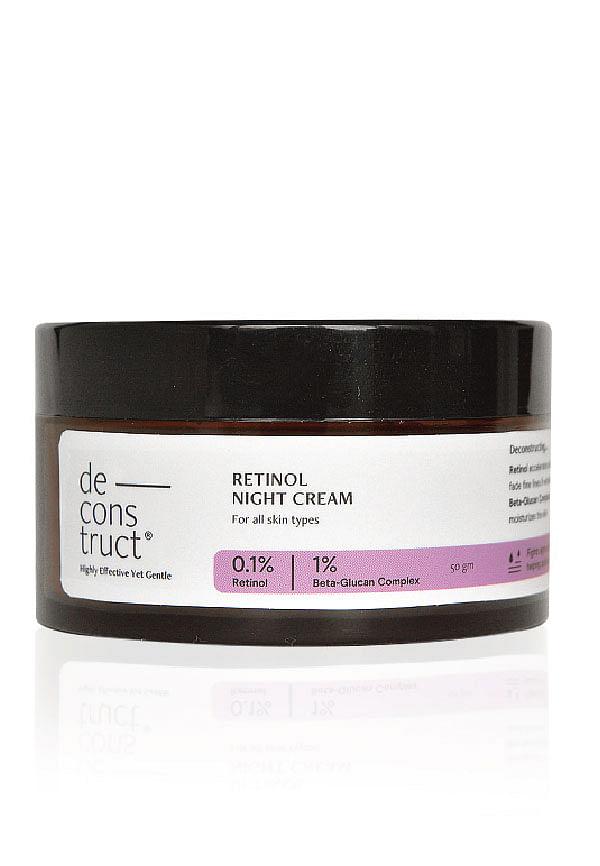
Retinol night cream - 0.1% Retinol + 1% Beta-Glucan Complex
Good, Worth Buying
5“it is really good worth buying”
Amazing Product
5“guud amazing wow happy for good product”
Quick Visible Results
5“amazing visible results in one week of use”
Hyaluronic acid becomes your best friend when using retinol in winter. It can hold up to 1,000 times its weight in water, making it perfect for plumping up retinol-treated skin. Apply it to slightly damp skin for maximum effectiveness. Ceramides and glycerin are also brilliant for winter retinol users. Ceramides help repair and strengthen your skin barrier, whilst glycerin draws moisture from the environment into your skin.
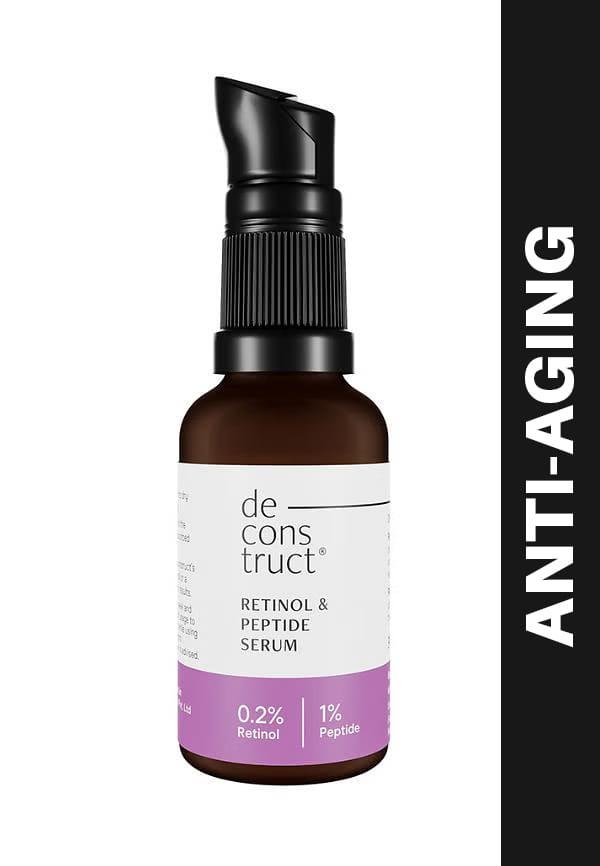
Retinol Face Serum with Peptide
Hydrating & Glowing
4“good for face gives hydration and glow.”
Beginner-Friendly Retinol
5“It was Beginner friendly Retinol.”
Disliked fragrance
4“I didn't like the fragrance of this serum”
Winter is definitely not the time to experiment with combining retinol with other active ingredients. Your skin is already dealing with environmental stress, so adding potentially irritating combinations is asking for trouble. Avoid using retinol on the same nights as AHA/BHA exfoliants, vitamin C (in the evening), or benzoyl peroxide. Be especially careful with products containing alcohol, which can be incredibly drying in winter. Check your toners, serums, and even makeup for alcohol content—your winter skin simply can't handle the additional drying effects. One mistake many people make is thinking they can skip sunscreen in winter. Even if you're not spending much time outdoors, UV rays can still reach you through windows, and snow reflection can actually intensify UV exposure. Always use broad-spectrum SPF during the day, even in winter.
If you're experiencing increased dryness, flaking, or sensitivity with your retinol routine during winter, don't panic—this is incredibly common and usually fixable with some simple adjustments. The first step is to reduce frequency rather than stopping completely. If you were using retinol every other night, try twice a week instead. Increased flaking is often a sign that you need more hydration rather than less retinol. Try adding an extra hydrating step to your routine or switching to a richer moisturiser. Sometimes the solution is as simple as applying your moisturiser twice—once right after retinol, and again before bed. If irritation persists, consider taking a short break (3-5 days) to let your skin recover, then restart with a lower frequency. Remember, consistency at a lower frequency is better than sporadic use at higher concentrations.
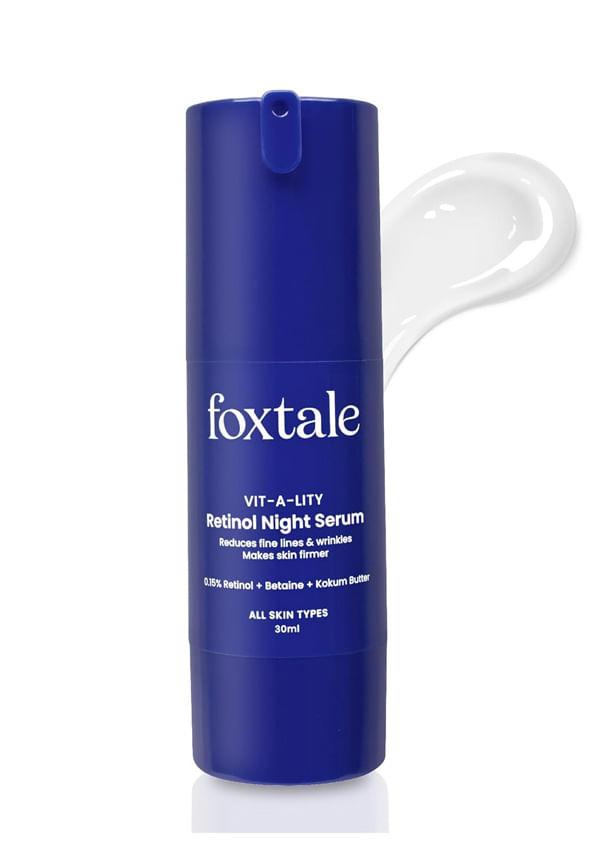
0.15% Beginner Friendly Retinol Night Serum, Anti-Aging Night Cream
Reduces Wrinkles & Fine Lines
5“good product, wrinkles and fine lines reduce”
Reduces Wrinkles & Fine Lines
5“good product, wrinkles and fine lines reduce”
Plumps & Smooths Skin
5“plums the skin and makes my skin smooth I love it”
If you've overdone it and your skin is feeling raw or overly sensitive, it's time for emergency repair mode. Stop all active ingredients immediately and focus purely on hydration and barrier repair for at least a week. Use gentle, fragrance-free products and consider adding a healing ointment or balm to particularly dry areas. Your skin should start feeling better within 3-5 days of this simplified routine.

0.3% Retinol Serum for Younger-Looking & Spotless Skin
Happy with purchase
5“happy with the purchase from smytten”
Good for Skin & Moisturizer
5“good for skin and good moisturizer”
Best Results in 10 Days
5“best results for 10 day used and very happy”
Most people find that daily retinol use in winter is too much for their skin to handle. Start with 2-3 times per week and only increase frequency if your skin is tolerating it well without any dryness or irritation.
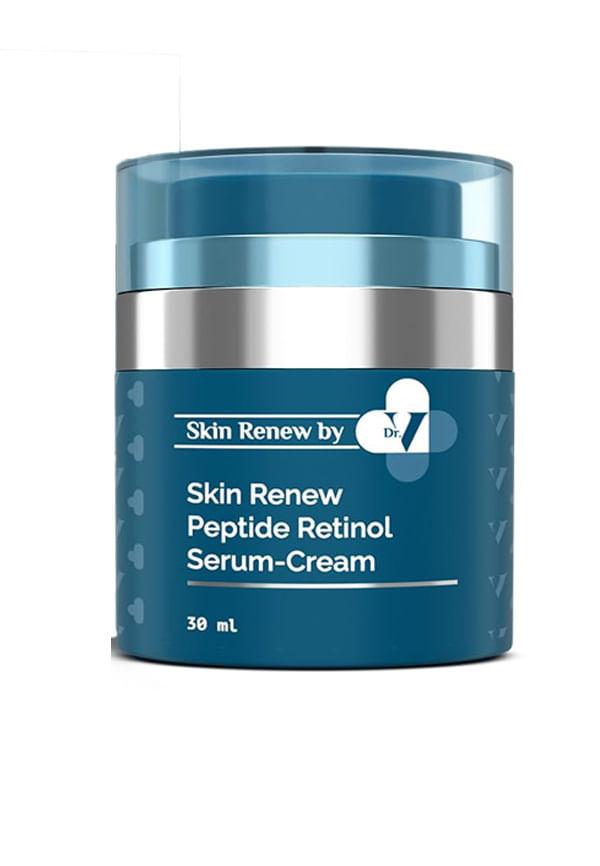
Skin Renew Peptide Retinol Serum - Cream with Peptide & Retinol
Effective for Dark Spots & Tanning
5“I just loved this it removed my dark spots and tanning ”
Poor Packaging Quality
4“as per the price .. packaging is not good .. it's so flimsy .. interior plastic is used .. can't tell about its performance yet”
Good Retinol Serum for Beginners
5“good retinol serum for the beginners”
The best prevention is proper hydration and gradual introduction. Always apply retinol to completely dry skin, wait before applying moisturiser, and never skip your hydrating steps. Consider using a gentler retinol formulation during winter months.
Look for moisturisers with ceramides, hyaluronic acid, and glycerin. Avoid anything with fragrance or alcohol. The texture should be richer than what you'd use in summer—think creams rather than lightweight lotions.
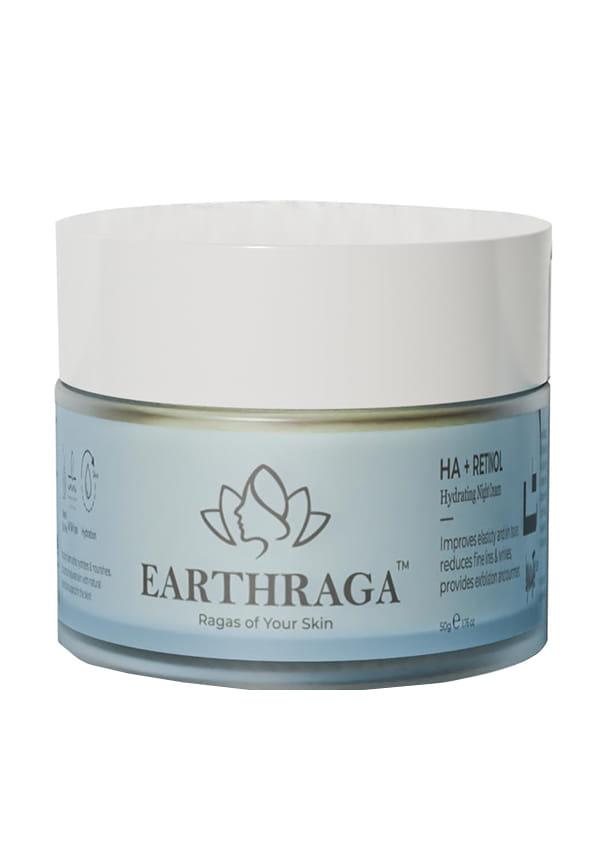
HA+Retinol Night Cream
If you're experiencing increased sensitivity, it might be worth switching to a lower concentration temporarily. However, many people find that adjusting frequency and improving hydration works better than changing products.
Winter adjustment typically takes 6-8 weeks, which is slightly longer than summer adaptation due to the additional environmental stressors. Be patient and consistent with your routine.
Mastering a winter-safe retinol routine is all about balance—you want to maintain the benefits of retinol whilst giving your skin the extra support it needs during harsh weather. The key is building hydration into every step, being patient with the adjustment process, and listening to your skin's needs. Remember, finding the perfect winter retinol routine often involves some trial and error. What works for your friend might not work for you, and that's completely normal. This is where platforms like Smytten become invaluable—with curated trial packs from trusted skincare brands, you can test different retinol formulations and supporting products without committing to full sizes. With over 1,500 brands available and the ability to try up to 8 minis for just ₹249, you can experiment with different approaches to find your perfect winter-safe retinol routine. The platform's 100% cashback system means you can explore various hydrating serums, gentle cleansers, and rich moisturisers risk-free, making it easier to build a routine that keeps your skin glowing all winter long. After all, why settle for maybe when you can try it all?
