How to Protect Your Skin from Indoor UV Rays


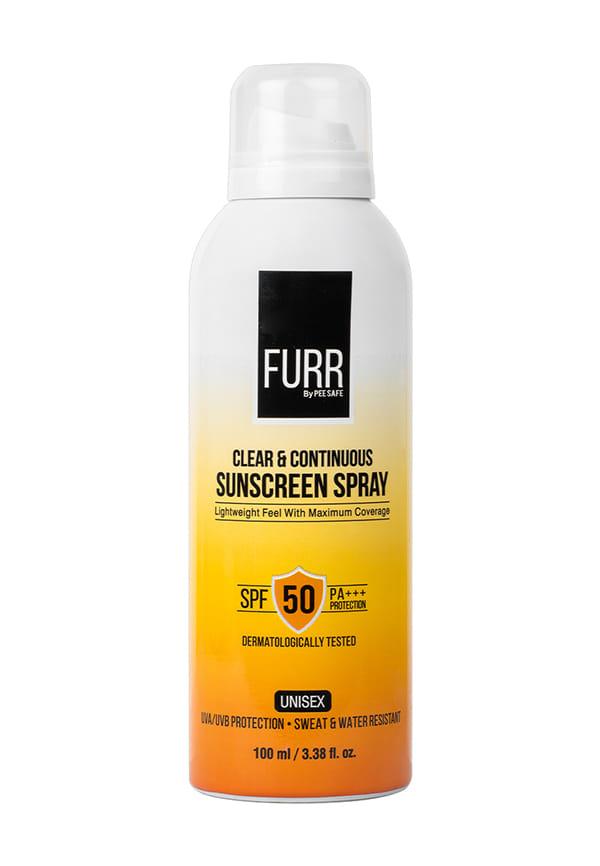
FURR Sunscreen Spray Protect your skin from UVA and UVB rays
Let's be real—when you think about sun protection, you probably picture yourself slathering on SPF before heading to the beach or pool. But here's something that might surprise you: up to 50% of harmful UVA rays can sneak through your windows, even when you're cosied up indoors. Whether you're working from home by a sunny window or lounging in your living room, your skin is still getting exposed to UV damage. The good news? There are plenty of indoor sun protection methods that can keep your skin safe without turning your home into a cave. From strategic sunscreen application to clever window treatments, protecting your skin indoors is easier than you think.
Here's the science bit that'll make you rethink your relationship with windows. Glass is pretty good at blocking UVB rays (the ones that cause sunburn), but it's rubbish at stopping UVA rays. These sneaky UVA rays are the main culprits behind premature ageing, dark spots, and yes, even skin cancer. They penetrate deeper into your skin and cause long-term damage that builds up over time. Think about all those hours you spend near windows—working at your desk, cooking in the kitchen, or relaxing in your conservatory. That's a lot of indoor sun exposure adding up without you even realising it. Even on cloudy days, up to 80% of UV rays can still reach your skin through windows.
Your home probably has several UV danger zones you've never considered: • Windows facing south or west get the most intense UV exposure • Glass doors and French windows offer minimal protection • Skylights can be particularly problematic as they face directly upward • Conservatories and sunrooms are basically UV magnets • Even car windows during your commute contribute to daily exposure
Consistent indoor UV exposure leads to what dermatologists call "photoaging." This includes fine lines, wrinkles, age spots, and uneven skin tone. The scary part? This damage is cumulative and often irreversible. Sun damage prevention isn't just about avoiding a sunburn—it's about protecting your skin's future.
Your windows are the main entry point for UV rays, so this is where your defence strategy should start. The good news is that there are loads of effective window sun protection options that won't break the bank or turn your home into a dungeon. UV window film is probably your most effective option. These transparent films can block up to 99% of UV rays while still letting in natural light. They're available in different grades—some are barely noticeable, while others add a slight tint. Professional installation typically costs between ₹150-₹400 per square foot, but DIY kits are available for around ₹50-₹100 per square foot.
If window film isn't your thing, consider these alternatives: • UV-blocking curtains: Look for fabrics with tight weaves and darker colours • Cellular blinds: These create an air barrier that reduces UV penetration • Exterior awnings: Block UV rays before they even reach your windows • Reflective window clings: Temporary solutions perfect for renters
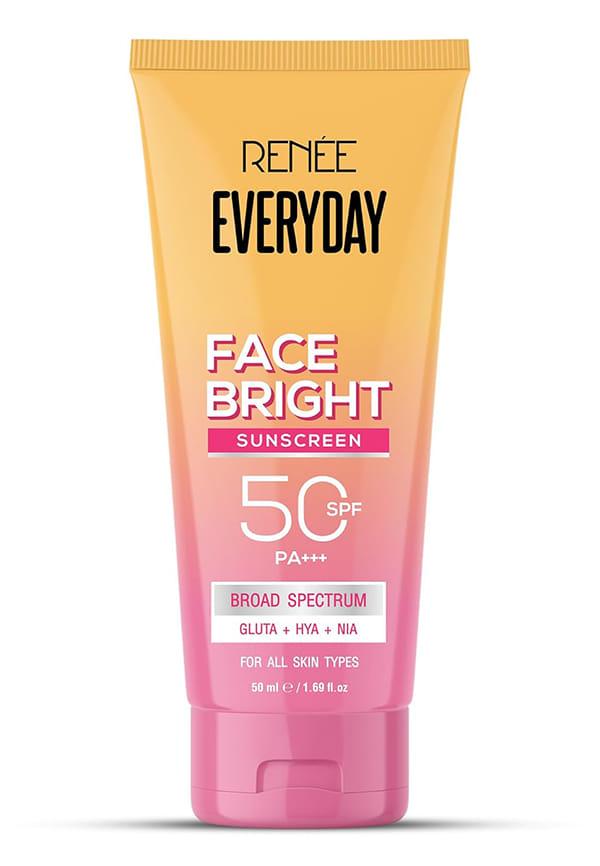
Everyday Face Bright Sunscreen
Sometimes the simplest solutions are the most effective. Position your favourite reading chair or work desk away from direct window exposure. If you must work near a window, try to sit perpendicular to it rather than facing it directly. This small change can significantly reduce your daily UV dose.
Yes, you absolutely need sunscreen for indoors—but not the heavy, beach-ready formula you might be thinking of. Indoor sunscreen should be lightweight, comfortable for daily wear, and easy to reapply. For indoor activities, SPF 30 is generally sufficient, though SPF 50 won't hurt if you're spending lots of time near windows. The key is choosing a formula that feels good on your skin so you'll actually use it consistently.
Apply sunscreen to all exposed areas, even if you think they're "safe" indoors: • Face and neck (obviously) • Hands and forearms • Any area that might catch reflected light • Don't forget your ears if you have short hair Reapplication is crucial—every 2-3 hours if you're near windows, or whenever you notice the product has worn off. Many people find spray sunscreens easier for touch-ups throughout the day.
Look for skincare for sun protection that multitasks. Moisturisers with SPF, BB creams, or lightweight gel formulas work brilliantly for indoor use. Mineral sunscreens with zinc oxide or titanium dioxide are gentle options that won't irritate sensitive skin.
Building an effective indoor protection routine involves layering different strategies. Think of it as creating multiple barriers between your skin and harmful UV rays. Clothing is your first line of defence. Long sleeves in lightweight, breathable fabrics can protect your arms without making you overheat. UPF-rated clothing is specifically designed to block UV rays—look for UPF 50+ for maximum protection.
Modern technology offers some clever solutions: • UV-detecting apps that monitor daily exposure levels • Smart glass that automatically tints based on UV intensity • Wearable UV monitors that alert you when protection is needed • LED lights that don't emit UV rays (unlike some fluorescent bulbs)
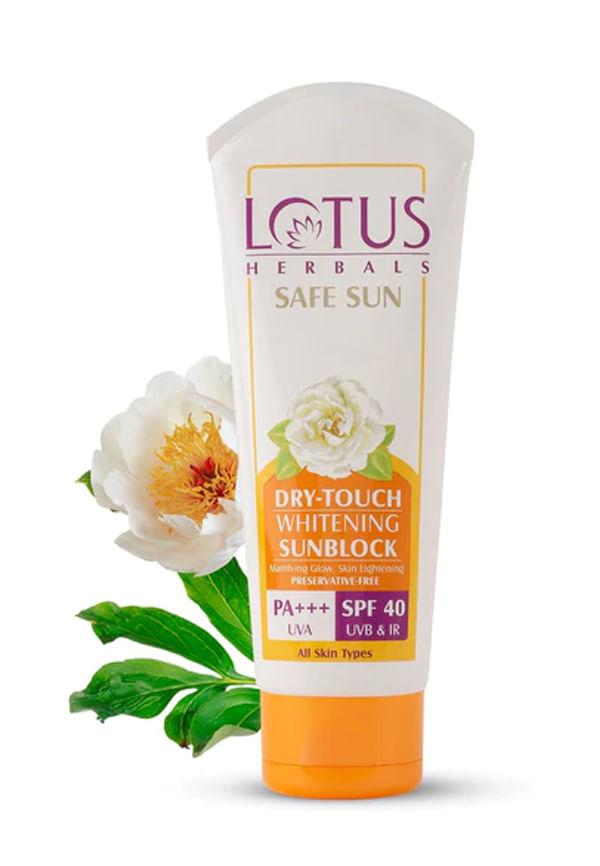
Safe Sun Dry-Touch Whitening Sunscreen SPF 40 PA+++
If you work from home or in an office with lots of windows, consider these strategies: • Request a desk away from direct window exposure • Use a small desk fan to stay comfortable in long sleeves • Keep a bottle of spray sunscreen handy for easy reapplication • Consider blue light glasses if you're concerned about screen exposure
Some indoor situations require extra vigilance. Indoor tanning prevention isn't just about avoiding tanning beds (though you absolutely should). Reflective surfaces like water, snow outside your windows, or even white walls can intensify UV exposure. Certain medications make your skin more photosensitive, including some antibiotics, blood pressure medications, and acne treatments. If you're on any medication, check with your doctor about increased sun sensitivity.
UV intensity changes throughout the year, and your indoor protection should adapt accordingly: • Summer months require more vigilant protection • Higher altitudes mean stronger UV rays • Snow reflection can double your UV exposure • Even winter sun through windows can cause damage
Creating a sustainable sun protection indoors routine doesn't have to be complicated. Start with the basics and gradually add more protective measures as they become habit. Morning routine should include applying sunscreen to exposed areas, checking your window situation, and positioning yourself strategically if you'll be spending time near glass. Midday check-ins involve reapplying sunscreen and adjusting window coverings if needed. Evening is perfect for assessing your skin and planning tomorrow's protection strategy. Notice any areas that feel warm or look slightly pink? Those spots need extra attention tomorrow.
Finding the right protect skin indoors products doesn't have to involve expensive mistakes. Smytten is India's largest product discovery and trial platform, connecting consumers with top lifestyle, beauty, wellness, and grooming brands. At its core, Smytten offers curated trial packs from over 1,500 trusted brands such as Cetaphil, Dot & Key, and Love, Beauty & Planet. This lets you explore and experience different sunscreens and protective skincare products before committing to full-size purchases. With trial minis available for just ₹249 and 100% cashback redeemable for future orders, you can discover your perfect indoor sun protection routine without the guesswork.
Absolutely. UVA rays penetrate through windows and can cause cumulative skin damage even during indoor activities. If you're near windows for extended periods, sunscreen is essential.
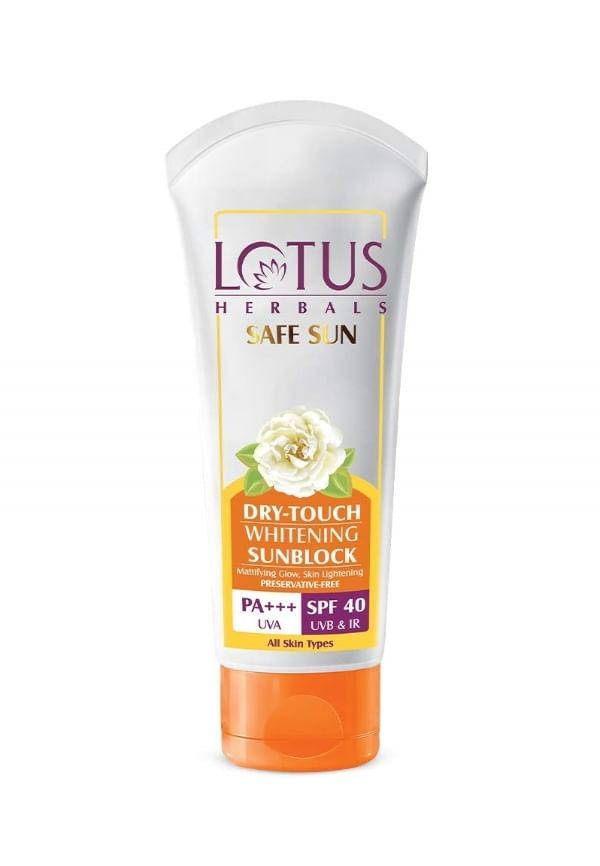
Safe Sun Dry-Touch Whitening Sunscreen SPF 40 PA+++
SPF 30 is generally sufficient for indoor use, though SPF 50 provides extra protection if you spend lots of time near windows or in sun-filled rooms.
Reapply every 2-3 hours if you're near windows, or whenever you notice the product has worn off from touching your face or sweating.
Most modern LED lights and computer screens don't emit significant UV rays. However, some older fluorescent bulbs do emit small amounts of UV radiation.
UV window film offers the best long-term value, typically costing ₹150-₹400 per square foot installed but providing years of protection.
Mineral sunscreens with zinc oxide or titanium dioxide are excellent natural options that provide broad-spectrum protection without chemical UV filters.
Protecting your skin from indoor UV exposure is simpler than you might think, but it requires consistent effort. The combination of strategic sunscreen use, effective window treatments, and smart positioning creates a comprehensive defence against harmful rays. Remember, the damage from indoor UV exposure builds up over time, so starting your protection routine today will benefit your skin for years to come. The key is finding products and methods that work for your lifestyle. Whether it's a lightweight daily sunscreen, UV-blocking window film, or simply rearranging your furniture, every small step contributes to healthier, more protected skin. With platforms like Smytten making it easier to try different products before committing, there's no excuse not to find your perfect indoor sun protection routine. After all, why settle for 'maybe' when you can try it all and find what truly works for your skin?
