How to Protect Your Skin from Indoor Sun Damage


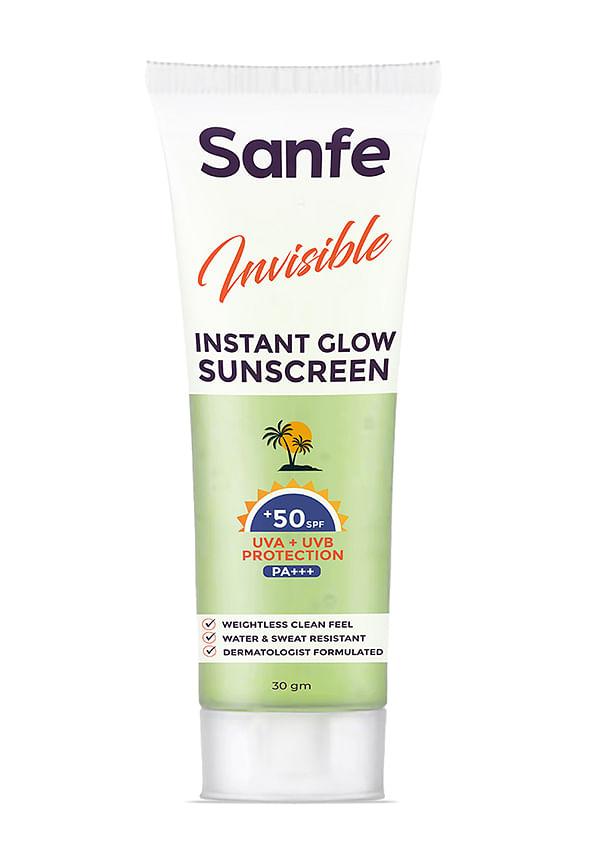
Invisible Instant Glow Sunscreen
Think you're safe from sun damage just because you're indoors? Think again. Here's the plot twist nobody talks about: up to 75% of UV rays can sneak through your windows, and that glow from your laptop screen isn't doing your skin any favours either. Whether you're working from home, binge-watching your latest obsession, or just living your best indoor life, your skin is still getting hit with rays that cause 80% of visible ageing. The good news? Sunscreen for indoor use is your secret weapon against this sneaky damage, and it's way easier to master than you think.
Let's be real—most of us assume that being indoors equals being UV-safe. But your skin didn't get that memo. Indoor sun damage is happening right now, and it's more common than you'd expect.
Your windows might block the rain, but they're pretty rubbish at blocking UVA rays. These sneaky rays pass through glass like it's not even there, reaching up to 75% of their outdoor intensity. Unlike UVB rays (the ones that cause sunburn), UVA rays are the silent ageing culprits that penetrate deeper into your skin. They're also consistent throughout the day, so that morning coffee by the window or afternoon work session near glass doors is giving your skin more exposure than you realise.
Your phone, laptop, and TV are basically mini sun lamps for your face. High Energy Visible (HEV) light, or blue light, penetrates skin almost as deeply as UV rays. While the jury's still out on exactly how much damage it causes, early research suggests it contributes to hyperpigmentation and can break down collagen over time. When you're spending 8+ hours a day staring at screens, that exposure adds up fast.
Here's something that'll surprise you: UV rays don't just come straight through windows. They bounce off walls, floors, and even your white furniture, creating a sort of UV pinball effect in your space. Bright indoor lighting can also emit small amounts of UV radiation. It's like your entire room becomes a low-level tanning booth, and sun damage indoors happens gradually without you noticing.
Indoor sun damage is sneaky because it builds up slowly. You might not notice it until it's already established itself on your skin.
Check if one side of your face looks different from the other—this is super common for people who drive regularly or sit near windows. You might notice subtle dark spots appearing around your usual hangout spots, or fine lines developing faster than expected. Uneven skin tone that seems to appear out of nowhere is often a telltale sign of cumulative UV exposure you didn't realise was happening.
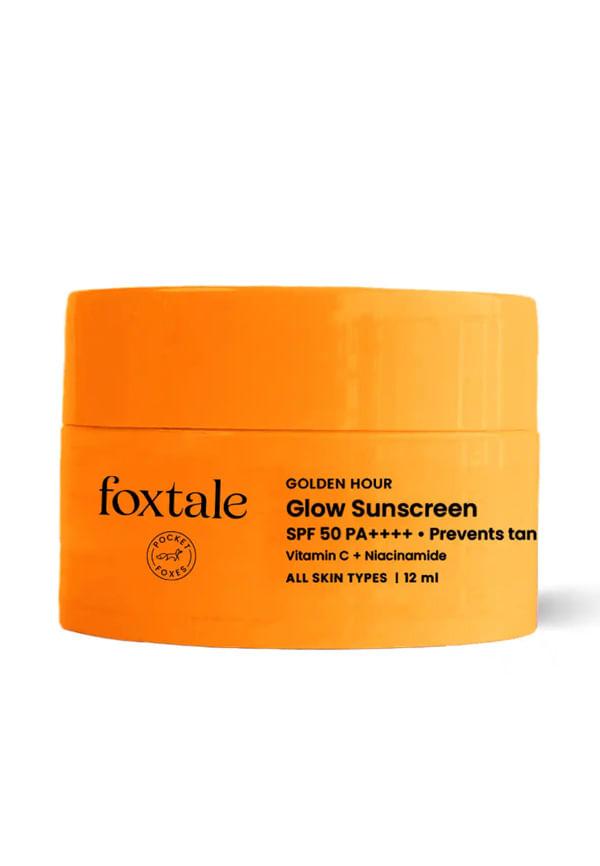
Golden Hour Glow Sunscreen
Lovely Product
 5
5“I fall in love with it awwwhh such a nice product”
Good for Oily Skin
5“very good product 👍. non sticky and oily skin suitable product...”
Lovely Product
5“I fall in love with it awwwhh such a nice product”
Without proper sun protection indoors, you're looking at accelerated photoaging, which basically means your skin ages faster than it should. We're talking deeper wrinkles, more pronounced dark spots, and that leathery texture nobody wants. The scariest part? Even indoor UV exposure increases your skin cancer risk over time, especially if you're getting hit with reflected rays daily.
Not all sunscreens are created equal, especially when it comes to indoor protection. You need something that works with your lifestyle, not against it.
For most indoor activities, SPF 30-35 is your sweet spot. It blocks about 97% of UV rays without feeling heavy or greasy. If you're working near large windows or in a glass office, consider bumping up to SPF 50. The key is finding that balance between protection and something you'll actually want to wear every day. Everyday sunscreen only works if you actually use it.
Mineral sunscreen is often the better choice for indoor use because it works immediately—no waiting around for it to absorb. Look for zinc oxide and titanium dioxide as your main ingredients. These create a physical barrier that reflects UV rays away from your skin. Bonus points if your sunscreen for home contains iron oxide, which helps block blue light from your devices. Chemical sunscreens work too, but they need about 20 minutes to kick in, which isn't always practical for spontaneous video calls.
Your indoor sunscreen needs to be broad-spectrum, meaning it protects against both UVA and UVB rays. Look for ingredients like zinc oxide, titanium dioxide, or avobenzone. If you're dealing with lots of screen time, seek out formulas with iron oxide or other blue light blocking ingredients. The PA rating system (those little plus signs) tells you about UVA protection specifically—aim for PA+++ or higher.
Your perfect indoor sunscreen depends on how you actually live your life. There's no one-size-fits-all solution here.
You need something lightweight that plays well with your skincare routine and won't pill under makeup. Look for gel or fluid formulations that absorb quickly. Since you're probably reapplying over makeup, consider tinted sunscreens or powder formulas for touch-ups. Blue light sunscreen becomes especially important when you're staring at screens all day.
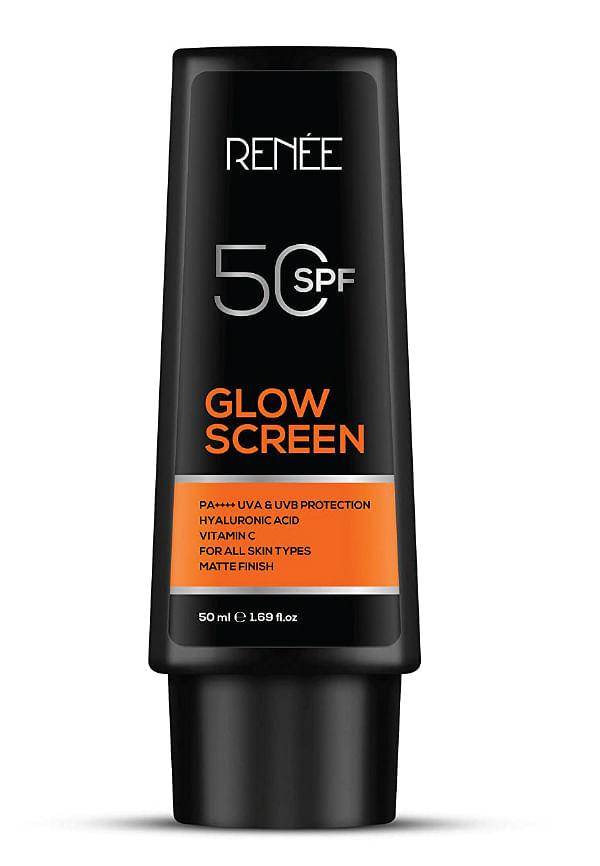
SPF 50 Glowscreen Cream
Good Coverage & Moisturizing Sunscreen
5“The glow sunscreen guvea good coverage and definately mosturizing and can be ised on body also ”
Good Coverage & Moisturizing Sunscreen
5“The glow sunscreen guvea good coverage and definately mosturizing and can be ised on body also ”
Easy to Apply & Blend
4“i love this product and it is easy to apply and blend in skin”
If your favourite reading nook is by a big window, or your workout space gets lots of natural light, step up your protection game. SPF 35+ is non-negotiable here, and water-resistant formulas work well if you're doing yoga or other activities that make you sweat. Tinted sunscreens give you more even coverage and often contain iron oxide for extra blue light protection.
Winter sun can actually be more intense because of snow reflection, and UVA rays stay consistent year-round. Your best indoor sunscreen might need adjusting based on the season. Summer calls for lighter formulations, while winter might allow for slightly richer textures that double as moisturisers.
The best sunscreen is the one you'll actually use consistently. Let's make this as simple as possible.
Make sunscreen the last step of your morning skincare routine, right before makeup if you wear it. Use about a quarter teaspoon for your face—that's roughly two finger lengths of product. Apply it at least 15 minutes before you start your day near windows or screens. If you're using a mineral formula, you can start your day immediately.
Reapply every 2-4 hours if you're near windows or spending lots of time on devices. For touch-ups over makeup, try powder sunscreens or setting sprays with SPF. If you notice your skin looking shiny or feeling sticky, it might be time to reapply. Trust your skin—it usually knows when protection is wearing off.
Sunscreen works best as part of a broader protection strategy. Consider UV-blocking window films for your home office, rearrange furniture so you're not directly facing windows during peak sun hours, and take regular breaks from screens. These small changes amplify your sunscreen benefits significantly.
Daily sunscreen use does way more than just prevent sunburn. It's basically a time machine for your skin.
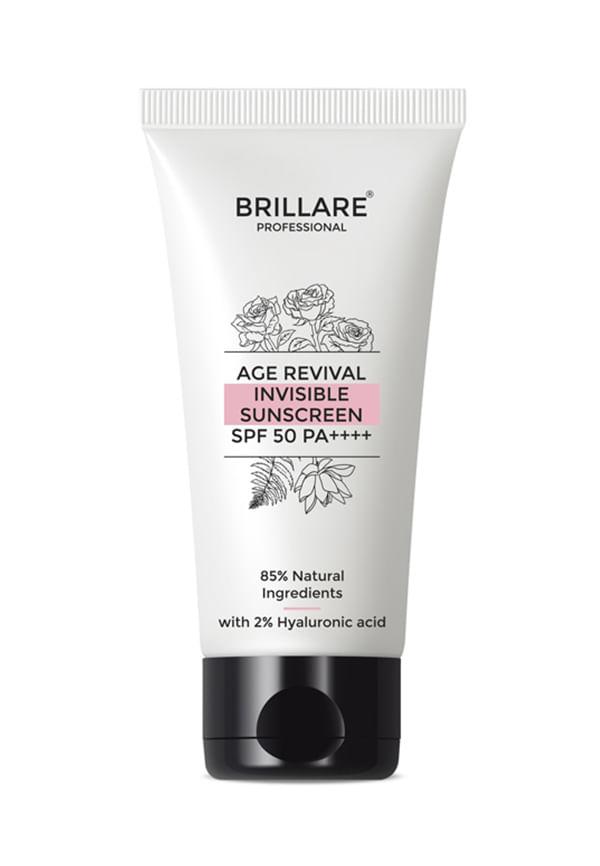
Age Revival INVISIBLE Sunscreen
Consistent sunscreen use is the single most effective anti-ageing strategy you can adopt. It prevents the breakdown of collagen and elastin, keeping your skin bouncy and firm longer. You'll maintain a more even skin tone and prevent those sneaky dark spots from forming in the first place. Think of it as insurance for your future face.
Regular sunscreen use reduces overall skin inflammation, which means your other skincare products work better. Your skin barrier stays stronger, leading to better moisture retention and less sensitivity. Many people notice their skin looks more radiant and feels healthier overall when they commit to daily protection.
Broad-spectrum mineral sunscreens with SPF 30+ containing zinc oxide or titanium dioxide work brilliantly for indoor use. Look for formulas with iron oxide if you spend lots of time on devices, as this provides additional blue light protection.
Lightweight, broad-spectrum formulas are your best bet. Mineral sunscreens with zinc oxide or titanium dioxide offer immediate protection without the wait time. Tinted formulas often contain iron oxide for extra blue light defence.
Absolutely, and you should. Daily indoor sunscreen use provides cumulative protection against UV rays that penetrate windows and blue light from devices. It's one of the most effective ways to prevent premature ageing.
Yes, because UVA rays remain consistent year-round, and winter sun can actually be more intense due to reflection off snow and ice. Plus, indoor heating can make your skin more sensitive to UV damage.
For optimal skin health and ageing prevention, daily broad-spectrum protection is worth it, especially if you spend time near windows or use digital devices regularly. The cumulative benefits are significant over time. When you're ready to find your perfect indoor sunscreen match, Smytten makes it easy to try before you commit. With curated trial packs from trusted skincare brands, you can test different formulations to see what works best with your skin and lifestyle. After all, the best sunscreen is the one you'll actually use every day.
Protecting your skin indoors isn't about being paranoid—it's about being smart. UV rays don't take a break just because you're inside, and neither should your sun protection routine. The right sunscreen for indoor use becomes as automatic as brushing your teeth, except it's working to keep your skin healthy and youthful for years to come. Start simple: pick a lightweight, broad-spectrum formula you actually like wearing, apply it every morning, and reapply when you remember. Your future self will thank you for every day you chose protection over convenience. Because when it comes to your skin, why settle for 'maybe it'll be fine' when you can try it all and find what actually works?
