How to Protect Your Skin from Harmful UV Radiation

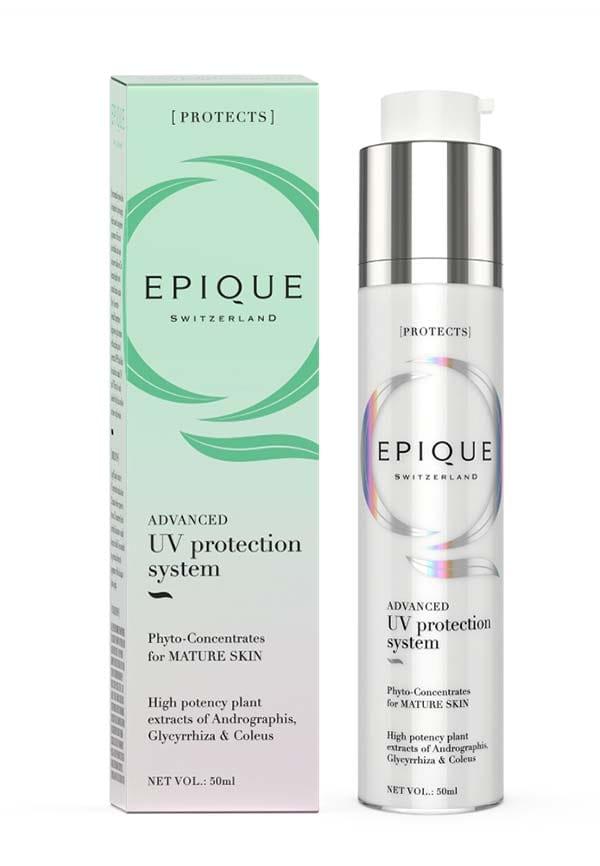
Advanced Uv Protection System
Let's be real—we all love that sun-kissed glow, but the effects of UV rays on our skin are no joke. Every day, our skin faces an invisible battle against UV radiation that can lead to everything from annoying sunburn to serious long-term damage. Whether you're someone who religiously applies SPF or you're just starting to think about sun protection, understanding how UV exposure affects your skin is the first step to keeping it healthy and radiant for years to come.
UV radiation isn't just something that happens during beach holidays—it's everywhere, every day. These invisible rays are part of the electromagnetic spectrum, sitting between visible light and X-rays. Think of them as the sun's way of sending energy to Earth, but not all of it is friendly to our skin.
There are three types of UV rays, but only two really matter for your skin. UVA rays make up about 95% of the UV radiation that reaches us and penetrate deep into your skin layers. They're the sneaky ones that cause long-term damage like skin aging and can even pass through glass. UVB rays are the ones responsible for sunburn and play a major role in developing skin cancer. UVC rays? They're mostly absorbed by the ozone layer, so we don't need to worry about them much.
The scary bit is that UV radiation is classified as a Group 1 carcinogen by the World Health Organisation. That puts it in the same category as tobacco and asbestos. The damage happens at a cellular level, where UV rays can directly alter your DNA, leading to mutations that your body can't always repair.
Understanding what UV exposure actually does to your skin might just change how you think about sun protection. The effects of UV rays aren't just about getting a bit red after a day out—they're cumulative and can show up years later.
Sunburn is probably the most obvious sign that UV radiation has damaged your skin. It's actually an inflammatory response where your skin cells are literally dying from DNA damage. Even a mild sunburn means you've had enough UV exposure to cause cellular damage.
Hyperpigmentation is another immediate effect that can stick around long-term. Those dark spots and uneven patches happen when UV exposure triggers your skin to produce excess melanin as a protective response.
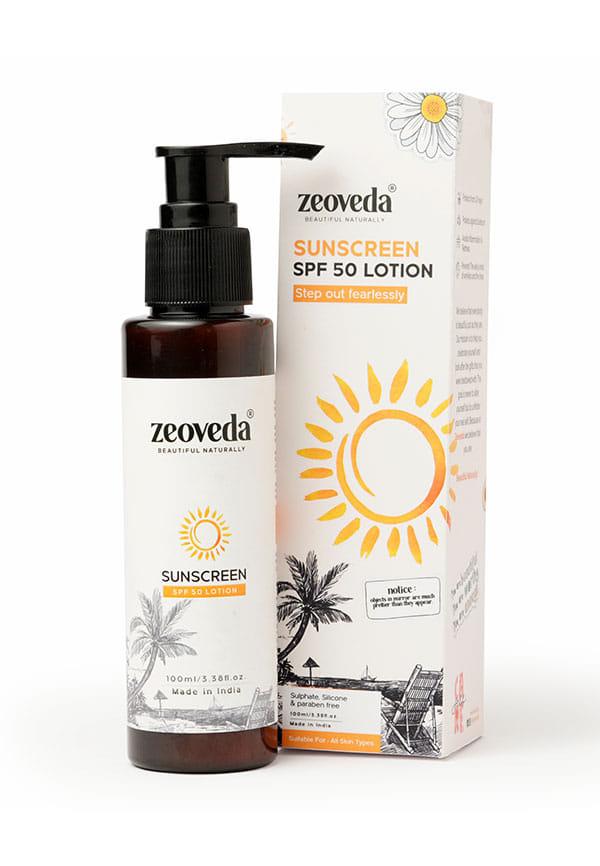
Sunscreen
Mixed scent and longevity
 5
5“smell is not good but long lasting”
Photoaging is basically premature aging caused by UV exposure. Unlike natural aging, photoaging can make your skin look decades older than it actually is. We're talking deep wrinkles, leathery texture, and loss of elasticity that no amount of moisturiser can fix.
The most serious concern is skin cancer. UV radiation is responsible for about 90% of skin cancers, including melanoma, which can be life-threatening if not caught early. Even non-melanoma skin cancers like basal cell carcinoma can cause significant damage and require surgical removal.
Here's something that might surprise you—up to 80% of visible facial aging is caused by sun damage, not just getting older. This process, called photoaging, is completely different from natural aging and much more dramatic.
UVA rays are the main culprits here because they penetrate deep into the dermis, where your collagen and elastin live. These proteins are what keep your skin firm, bouncy, and smooth. When UV radiation breaks them down faster than your body can replace them, you get sagging skin, deep wrinkles, and that leathery texture that screams 'too much sun.'
The tricky thing about photoaging is that it's cumulative. Every unprotected moment in the sun adds up, and the damage often doesn't show up until your 30s or 40s. That's why dermatologists always say the best anti-aging product is sunscreen—it's much easier to prevent damage than to reverse it.
The UV index is basically a weather forecast for your skin. It measures how much UV radiation is hitting the ground on any given day, rated from 1 (minimal risk) to 11+ (extreme risk). Most weather apps include this information, and it's worth checking before you head out.
When the UV index hits 3 or above, you need protection. At 6-7 (high), you can get sunburn in about 20 minutes without protection. At 8+ (very high to extreme), you're looking at sunburn in less than 15 minutes. The peak UV hours are typically between 10 AM and 4 PM, when the sun is highest in the sky.
What's interesting is that UV levels can be high even on cloudy days—up to 80% of UV rays can penetrate clouds. Snow, sand, and water can also reflect UV radiation, increasing your exposure even when you're in the shade.
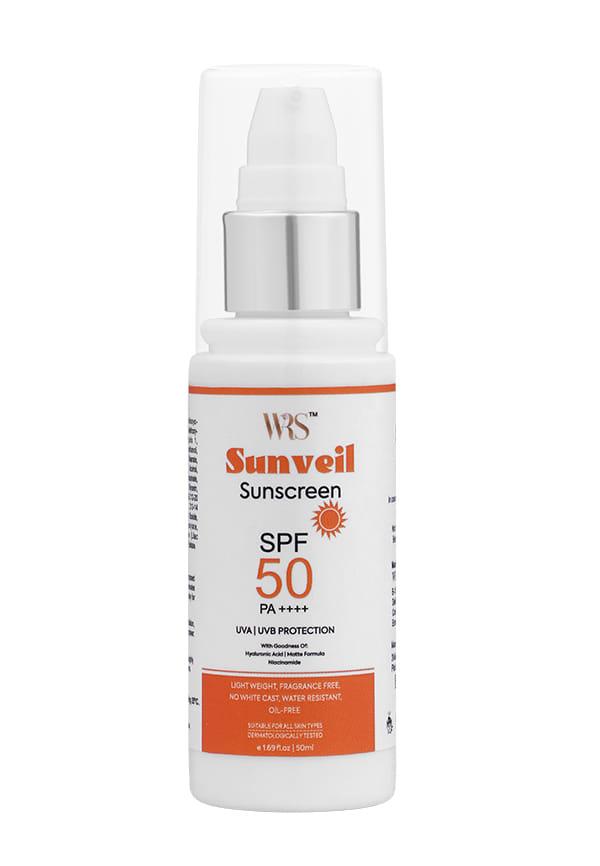
Sunveil Sunscreen
Protecting yourself from UV radiation isn't just about slapping on some sunscreen and calling it a day. The most effective approach combines multiple protection methods for comprehensive coverage.
Clothing is your first line of defence. Tightly woven fabrics in dark colours offer the best protection—think denim or canvas rather than white cotton t-shirts. Some clothing even comes with UPF (Ultraviolet Protection Factor) ratings, similar to SPF for sunscreen.
A wide-brimmed hat protects your face, ears, and neck—areas that are often missed by sunscreen. Sunglasses aren't just a fashion statement; they protect the delicate skin around your eyes and prevent cataracts and other UV-related eye damage.
Broad-spectrum sunscreen with at least SPF 30 should be non-negotiable in your daily routine. Apply it 15-30 minutes before going outside and reapply every two hours, or immediately after swimming or sweating. Most people don't apply enough—you need about a teaspoon for your face and neck alone.
Antioxidant serums with ingredients like vitamin C can help neutralise free radicals caused by UV exposure. While they're not a substitute for sunscreen, they add an extra layer of protection and can help repair existing damage.
This is where platforms like Smytten become incredibly valuable. With over 1,500 trusted brands including skincare favourites like Cetaphil and Dot & Key, you can try different SPF formulations and antioxidant serums before committing to full-size products. Finding the right sun protection products for your skin type is crucial—what works for your friend might not work for you, and Smytten's trial packs let you discover your perfect match without the guesswork.
Yes, UVA rays can penetrate glass, so you can still experience photoaging and hyperpigmentation while sitting by a window. Car windows and most home windows block UVB rays but let UVA through. If you spend a lot of time near windows, consider applying sunscreen or using UV-protective window film.
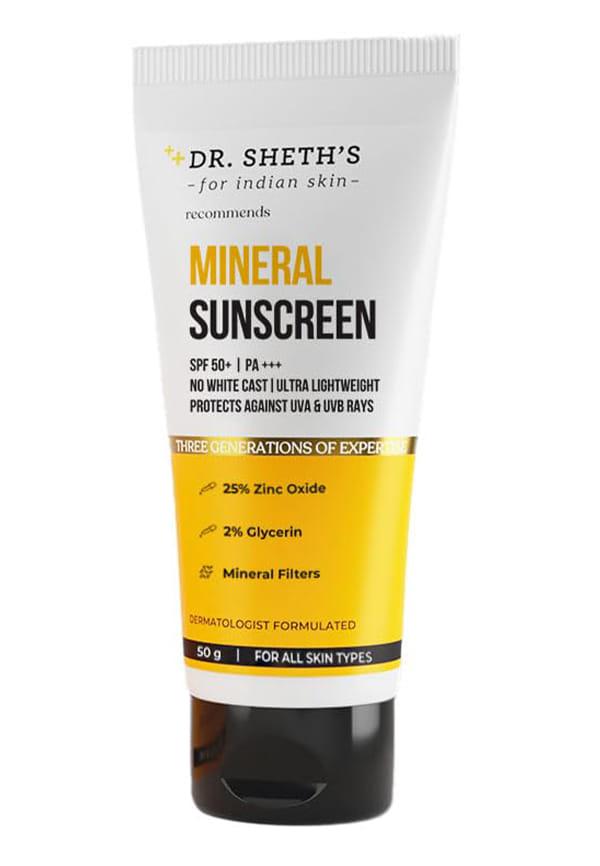
Mineral Sunscreen
Great Product
5“Great product...👍👍👍👍👍👍👍👍”
Excellent Quality
5“very good quality and quality nice”
There's no completely safe level of UV exposure. Even small amounts of unprotected exposure add up over time. However, brief exposure (under 10 minutes) for vitamin D synthesis is generally considered acceptable for most skin types, depending on the UV index.
Definitely not. People with fair skin, light eyes, and blonde or red hair are at highest risk because they have less melanin for natural protection. However, darker skin tones can still develop skin cancer and hyperpigmentation from UV exposure, so everyone needs protection.
Some sun damage can be improved with treatments like retinoids, chemical peels, laser therapy, and professional skincare treatments. However, prevention is always more effective and less expensive than trying to reverse damage later.
UV radiation increases by about 4% for every 300 metres of elevation because there's less atmosphere to filter the rays. That's why you can get seriously sunburnt skiing or hiking in the mountains, even in cooler weather.
The effects of UV rays on your skin are serious and cumulative, but they're also largely preventable with the right approach. From immediate concerns like sunburn and hyperpigmentation to long-term risks like skin cancer and photoaging, UV radiation affects every aspect of skin health.
Your best defence is a multi-layered approach: daily broad-spectrum sunscreen, protective clothing, seeking shade during peak hours, and understanding your daily UV risk through the UV index. Remember, it's never too late to start protecting your skin, and it's never too early either.
Finding the right sun protection products for your skin can feel overwhelming, but it doesn't have to be. Smytten's curated trial packs from trusted brands make it easy to discover what works best for your skin type and lifestyle. With over 25 million users trusting the platform to help them make smarter skincare choices, you can explore different SPF formulations and protective products without the commitment of full-size purchases. After all, when it comes to protecting your skin from UV damage, why settle for 'maybe' when you can try it all and find what truly works for you?
