How to Protect Your Indian Skin from Sun Damage


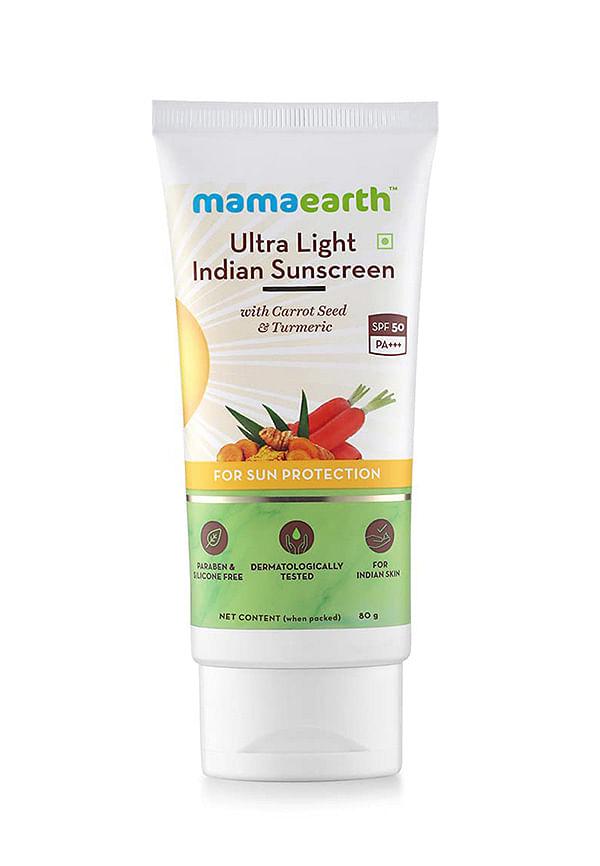
Ultra Light indian Sunscreen
Let's be real—the idea that Indian skin doesn't need sun protection because of natural melanin is one of the biggest skincare myths out there. Sure, melanin offers some protection, but it's nowhere near enough to shield your skin from India's intense UV rays. Whether you're dealing with stubborn tan lines, uneven skin tone, or those pesky dark spots that seem to pop up overnight, proper Indian skin tone protection is absolutely essential. The good news? With the right approach to sun protection and skincare, you can keep your skin healthy, glowing, and protected year-round.
Indian skin types typically fall between Fitzpatrick III to V on the skin tone scale, which means we naturally produce more melanin than lighter skin tones. This melanin acts like a built-in umbrella, offering some protection against UV damage. However, this natural defence system isn't foolproof, especially when you're living in a country where the UV index regularly hits extreme levels. The reality is that melanin protection can actually work against us in some ways. When your skin is exposed to UV rays, melanin production goes into overdrive, leading to hyperpigmentation, uneven skin tone, and those stubborn dark patches that take forever to fade. Plus, Indian skin is particularly prone to post-inflammatory hyperpigmentation, meaning even a small pimple or scratch can leave behind a dark mark that lingers for months.
Indian skin shows sun damage differently than lighter skin tones. Instead of burning and peeling, we tend to develop: • Melasma and hormonal pigmentation • Uneven skin tone across the face and body • Stubborn tan lines that refuse to fade • Dark spots around the eyes and mouth • Post-acne marks that darken with sun exposure
Most sun protection advice is designed for lighter skin tones, which is why finding the right sunscreen for Indian skin can feel like a proper challenge. We need formulations that won't leave a white cast, won't clog pores, and actually work with our skin's natural oil production. The key is understanding that our skin needs consistent, year-round protection—not just during beach holidays.
Choosing the right sunscreen is probably the most important step in your sun damage prevention routine. But with so many options available, it's easy to feel overwhelmed. The trick is knowing what to look for and what actually works for Indian skin types. For daily use, SPF 30 is your minimum—but honestly, SPF 50 is worth the upgrade, especially if you're spending time outdoors or live in a particularly sunny area. The difference between SPF 30 and SPF 50 might seem small, but that extra protection adds up over time, particularly when you're dealing with India's intense UV levels.
Chemical sunscreens absorb UV rays and convert them to heat, whilst physical sunscreens create a barrier that reflects UV rays away from your skin. For Indian skin, chemical sunscreens often work better because they're less likely to leave that dreaded white cast. Look for ingredients like avobenzone, octinoxate, or zinc oxide in micronised form.
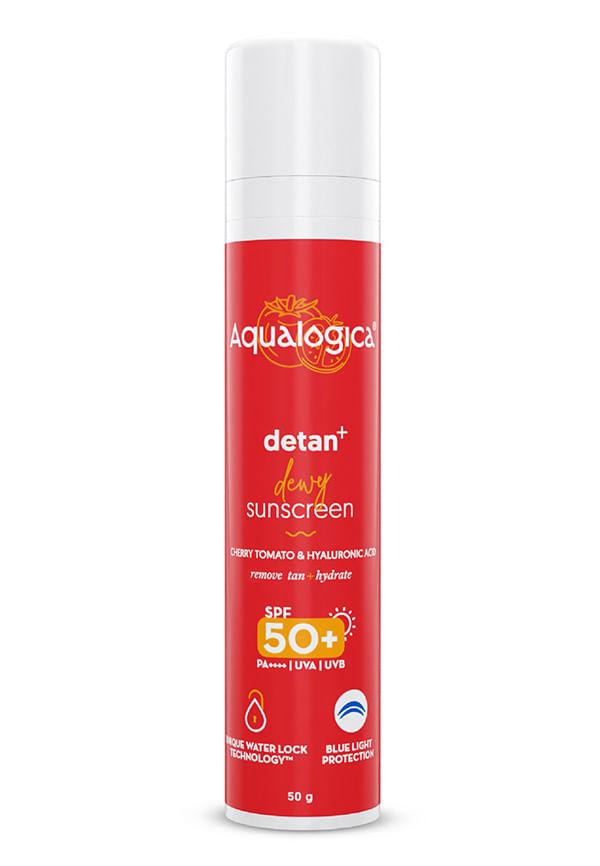
Detan+ Dewy Sunscreen
Good for oily skin
 5
5“really nice product. good for oily skin”
Good for oily skin
5“really nice product. good for oily skin”
Watery but Great Absorption
5“very watery absorption is greattttt i loved itt tysmmm”
This is probably the biggest complaint about sunscreens for darker skin tones. The solution? Look for: • Tinted sunscreens that match your skin tone • Lightweight, gel-based formulations • Sunscreens specifically formulated for deeper skin tones • Products with iron oxides that provide additional protection against visible light
When shopping for skincare for Indian skin, look for sunscreens that do double duty. Niacinamide helps with skin brightening whilst providing anti-inflammatory benefits. Vitamin C offers antioxidant protection, and hyaluronic acid keeps your skin hydrated without feeling heavy or greasy.
Hyperpigmentation is probably the most common skin concern for Indian skin types, and sun exposure is usually the main culprit. The good news is that with the right hyperpigmentation treatment approach, you can see significant improvements in your skin tone and texture. The key to effective hyperpigmentation treatment is consistency and patience. Your skin didn't develop these dark spots overnight, and they won't disappear overnight either. But with the right ingredients and proper sun protection, you can definitely see improvements within 6-8 weeks.
Vitamin C is your best friend when it comes to skin brightening. It not only helps fade existing dark spots but also prevents new ones from forming. Start with a lower concentration (around 10%) and gradually work your way up to avoid irritation. Kojic acid and arbutin are gentler alternatives that work well for sensitive Indian skin. They help inhibit melanin production without causing the irritation that stronger ingredients like hydroquinone might cause.
Gentle exfoliation is crucial for tan removal and improving overall skin texture. Chemical exfoliants like glycolic acid or lactic acid work better than physical scrubs, which can cause micro-tears and lead to more pigmentation. Start with once or twice a week and gradually increase frequency as your skin builds tolerance.
Whilst sunscreen is non-negotiable, there are plenty of natural ways to boost your natural sun protection and support your skin's health from the inside out. Timing is everything when it comes to sun exposure. The UV rays are strongest between 10 AM and 4 PM, so try to limit outdoor activities during these hours. If you must be outside, seek shade whenever possible and wear protective clothing.
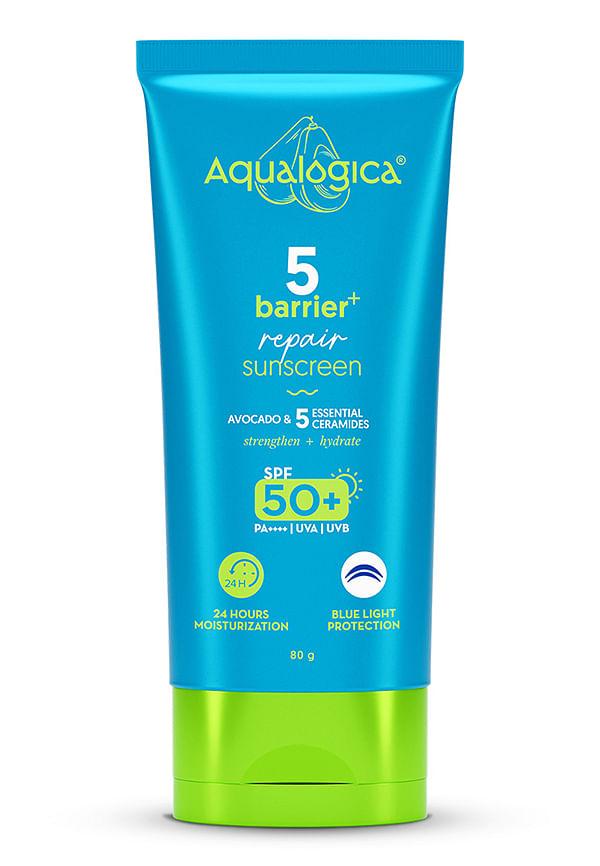
Barrier+ Repair Sunscreen
Good Product Experience
4“it was good I like the product”
Good Product Experience
4“it was good I like the product”
Good Product Experience
4“it was good I like the product”
Turmeric has been used in Indian skincare for centuries, and there's actual science behind its benefits. It contains curcumin, which has anti-inflammatory properties and can help calm sun-damaged skin. Mix it with yoghurt or honey for a gentle, brightening face mask. Aloe vera is another traditional remedy that's backed by research. It's brilliant for soothing sun-damaged skin and can help reduce inflammation and redness. Keep a bottle of pure aloe vera gel in your fridge for an instant cooling treatment after sun exposure.
What you eat can actually impact your skin's ability to protect itself from sun damage. Foods rich in antioxidants like berries, leafy greens, and tomatoes can help boost your skin's natural defences. Green tea is particularly beneficial—it contains polyphenols that can help protect against UV damage when consumed regularly.
A proper sun protection routine goes beyond just slapping on sunscreen in the morning. It's about creating a comprehensive approach that protects, treats, and repairs your skin throughout the day. Your morning routine should focus on protection. Start with a gentle cleanser that won't strip your skin's natural oils. Follow with a vitamin C serum for antioxidant protection, then your sunscreen. If you wear makeup, make sure your foundation has additional SPF for extra protection.
Your evening routine is when the real repair work happens. Double cleanse to remove sunscreen and any makeup, then apply treatments for hyperpigmentation or uneven skin tone. This is when you can use stronger ingredients like retinoids or AHA/BHA exfoliants. Moisturising is crucial, especially if you're using active ingredients. Look for moisturisers with ceramides or hyaluronic acid to help repair your skin barrier overnight.
Once or twice a week, treat your skin to a deeper treatment. This could be a brightening mask, gentle exfoliation, or a hydrating treatment. The key is consistency—regular weekly treatments will give you better results than sporadic intensive treatments. With platforms like Smytten, you can actually try different products before committing to full sizes. This is particularly helpful when you're building a sun protection routine, as you can test how different sunscreens and treatments work with your specific skin type. Getting up to 8 minis for just ₹249 means you can experiment with various brands and formulations to find your perfect match without the financial commitment.
Sometimes, despite your best efforts with at-home care, you might need professional help to address stubborn sun damage or severe hyperpigmentation. Knowing when to seek professional treatment can save you time, money, and frustration. If you've been consistent with your routine for 3-4 months and aren't seeing the improvements you want, it might be time to consult a dermatologist. They can assess your skin and recommend treatments like chemical peels, laser therapy, or prescription-strength ingredients.
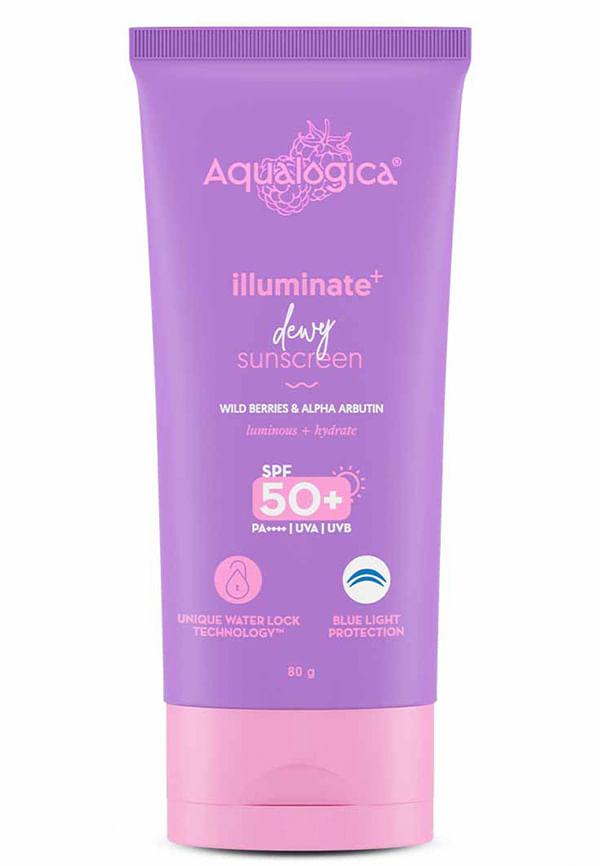
Illuminate+ dewy Sunscreen
Good Product, Love Brand
5“good product .love that brand.”
Good Product, Love Brand
5“good product .love that brand.”
Good Product
4“just ordered it and I am using it currently and it is good”
Chemical peels can be particularly effective for Indian skin when done by experienced professionals. They help remove damaged skin layers and promote cell turnover, leading to brighter, more even skin tone. Laser treatments have come a long way and are now much safer for darker skin tones. However, it's crucial to find a dermatologist experienced in treating Indian skin to avoid complications like post-inflammatory hyperpigmentation.
Absolutely. Whilst melanin provides some natural protection, it's not enough to shield against India's intense UV rays. Daily sunscreen use is essential for preventing hyperpigmentation, premature ageing, and maintaining healthy skin.
SPF 30 is the minimum for daily use, but SPF 50 is recommended for extended outdoor activities or if you live in particularly sunny areas. The key is consistent application and reapplication every 2-3 hours.
You might notice immediate benefits like less irritation and redness, but significant improvements in hyperpigmentation and skin tone typically take 6-12 weeks of consistent use.
Whilst natural ingredients like turmeric and aloe vera can support skin health, they cannot replace the protection offered by proper sunscreen. Use them as complementary treatments, not replacements.
This usually happens due to insufficient application, not reapplying frequently enough, or using a sunscreen that's not broad-spectrum. Make sure you're using enough product and reapplying every 2-3 hours.
Protecting Indian skin from sun damage isn't just about preventing immediate issues like tanning—it's about maintaining healthy, radiant skin for years to come. The combination of proper sunscreen use, targeted treatments for hyperpigmentation, and consistent skincare habits will give you the best results. Remember, finding the right products for your skin type might take some trial and error. That's where Smytten's trial platform becomes incredibly valuable. With over 1,500 trusted brands including skincare favourites like Cetaphil and Dot & Key, you can discover what works best for your skin without the commitment of full-size purchases. The platform's 100% cashback on trial minis makes it even easier to experiment with different sunscreens and treatments until you find your perfect routine. After all, why settle for 'maybe' when you can try it all and find what truly works for your skin?
