How to Protect Dry Skin During Winter Months


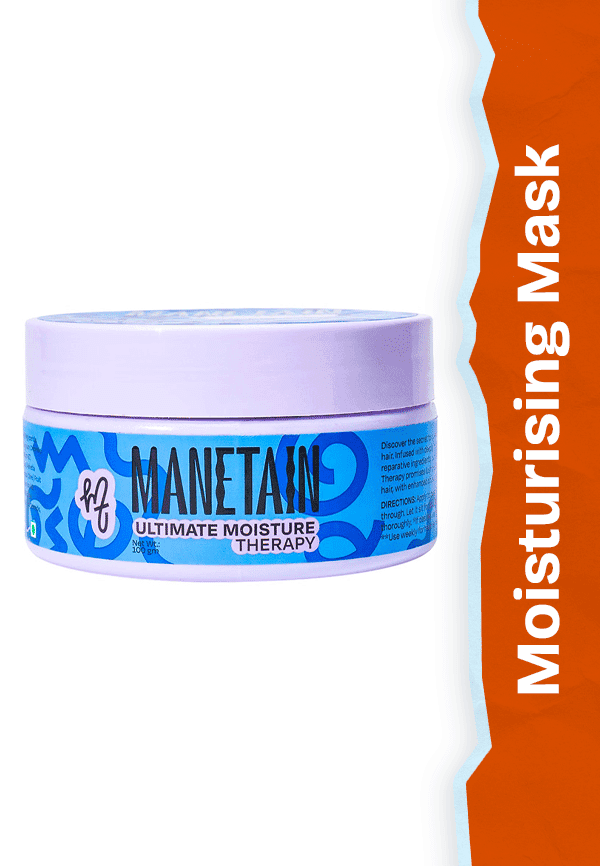
Ultimate Moisture Therapy For Deep Hydration
Winter's here, and your skin is probably sending you some serious SOS signals. That tight, flaky feeling? The way your usual moisturiser suddenly feels like water on parched earth? Real talk—winter weather is basically your skin's worst enemy. But here's the thing: you don't have to suffer through months of uncomfortable, irritated skin just because the temperature dropped. With the right winter skincare routine, you can keep your skin happy, hydrated, and glowing even when it's freezing outside. Let's dive into everything you need to know about protecting your skin during the coldest months of the year.
Before we jump into solutions, let's talk about why winter is such a nightmare for your skin. Understanding the enemy is half the battle, right?
The main culprit behind winter skin problems is humidity—or rather, the complete lack of it. When temperatures drop, the air holds way less moisture. We're talking humidity levels that can plummet to as low as 10-20%, compared to the ideal 40-60% your skin craves. This dry air literally sucks moisture right out of your skin, leaving it parched and vulnerable.
But outdoor air isn't the only villain here. Indoor heating systems are just as guilty of creating a moisture-free zone. That cosy warmth from your heater? It's basically turning your home into a desert for your skin. Add in hot showers (because who doesn't love a steaming hot shower when it's cold?), and you've got a perfect storm for dry skin chaos.
Temperature swings don't help either. Going from a heated indoor space to the bitter cold outside and back again puts serious stress on your skin barrier. Think of it like repeatedly stretching and contracting a rubber band—eventually, something's going to give.
Wind exposure is another major factor that often gets overlooked. Cold wind doesn't just feel harsh—it actually strips away your skin's natural protective oils, leaving it raw and irritated. This is why your cheeks might feel like sandpaper after a windy winter day.
All these factors combined can trigger or worsen conditions like eczema, cause painful cracking, and make even the most resilient skin feel sensitive and reactive.
Now that we know what we're up against, let's build a bulletproof winter skincare routine that actually works. This isn't about completely overhauling everything—it's about smart tweaks that make a massive difference.
The key to effective skincare for cold weather is layering hydration and creating a protective barrier that locks moisture in while keeping harsh elements out. Think of it as building a fortress for your face.
First things first—ditch the hot water. We know it feels amazing when you're freezing, but hot water strips your skin's natural oils faster than you can say "winter wonderland." Lukewarm water is your friend here.
Switch to a gentle, cream-based cleanser that won't leave your skin feeling tight. Look for formulas with ceramides or glycerin that actually add moisture while they clean.
This step is non-negotiable in winter. A good hydrating skincare toner preps your skin to absorb all the goodness that's coming next. Look for toners with hyaluronic acid or glycerin—these ingredients are like magnets for moisture.
Apply your toner while your skin is still slightly damp from cleansing. This helps lock in that extra bit of water.
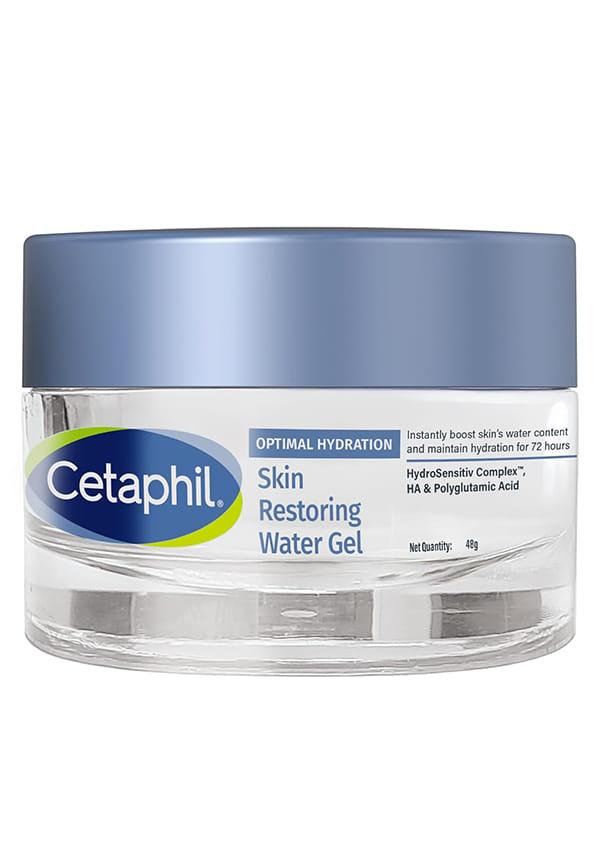
Optimal Hydration Restoring Water Gel
Results not impressive
 5
5“thik hai itna achhhhhh result nhi aya”
Winter is the perfect time to introduce repair-focused serums into your routine. Niacinamide is brilliant for strengthening your skin barrier, while hyaluronic acid provides deep hydration.
If you're dealing with sensitive skin, stick to one serum at a time and introduce new products gradually.
This is where the magic happens. Your summer moisturiser probably isn't going to cut it anymore. Winter calls for richer, more occlusive formulas that create a protective seal on your skin.
Look for moisturizers for winter that contain ceramides, shea butter, or squalane. These ingredients don't just hydrate—they repair and protect your skin barrier.
Yes, even in winter! UV rays reflect off snow and can be even more intense than summer sun. Choose a moisturising SPF formula that won't leave your skin feeling dry or tight.
For winter skin that's already compromised, look for mineral sunscreens with zinc oxide or titanium dioxide—they're gentler than chemical formulas.
Night time is when your skin does its heavy lifting in terms of repair and regeneration. A rich night cream or sleeping mask can work wonders while you sleep.
Consider adding a facial oil as the final step—it creates an extra protective layer that prevents moisture loss overnight.
Not all skincare ingredients are created equal when it comes to winter protection. Some are absolute superstars for dry skin, while others might actually make things worse.
Hyaluronic acid is probably the most talked-about ingredient for good reason—it can hold up to 1,000 times its weight in water. But here's the catch: in very dry environments, it can actually pull moisture from your skin if there's no humidity in the air. The solution? Always layer it under a good moisturiser.
Ceramides are your skin barrier's best friends. These lipids naturally occur in your skin and help maintain its protective function. When winter weather compromises your barrier, ceramide-rich products help rebuild and strengthen it.
Glycerin is a gentle humectant that draws moisture from the environment to your skin. Unlike some other humectants, it's less likely to backfire in dry conditions.
Natural oils like jojoba, argan, and squalane are excellent for creating a protective seal without clogging pores. They're particularly good for the final step in your routine.
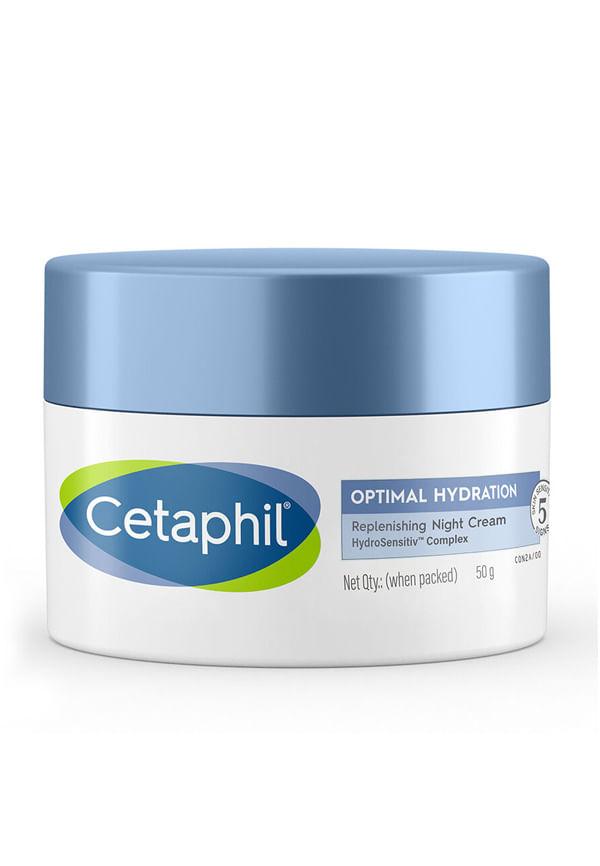
Optimal Hydration Replenishing Night Cream
Good for Oily Skin
4“so skin friendly perfect for oily skin”
Absolutely Perfect Product
5“absolutely perfect. I love this product.”
Makes skin soft and glowing
4“makes skin soft and glowing it's light weight”
Ingredients to approach with caution in winter include alcohol-based toners, strong acids without proper buffering, and heavily fragranced products that might irritate already sensitive winter skin.
If you're dealing with sensitive skin or eczema, winter can feel like a special kind of torture. The good news is that with the right approach, you can keep flare-ups at bay and maintain comfortable skin even in harsh conditions.
For eczema-prone skin, the key is maintaining your skin barrier at all costs. This means gentle, fragrance-free products and lots of moisture. Look for products specifically formulated for eczema or atopic dermatitis—they're usually tested to be extra gentle.
Patch test any new products before winter hits. The last thing you want is to discover a sensitivity when your skin is already stressed from cold weather.
If you're experiencing severe dryness, cracking, or persistent irritation, don't hesitate to see a dermatologist. Sometimes prescription treatments are necessary to get things under control.
Your skincare routine is just one piece of the puzzle. Some simple lifestyle tweaks can make a huge difference in how your skin handles winter.
Invest in a good humidifier for your bedroom. Aim for 40-50% humidity—your skin (and your sinuses) will thank you. Clean it regularly to prevent mould and bacteria buildup.
Pay attention to what you're wearing. Wool and synthetic fabrics can irritate sensitive winter skin. Cotton and silk are gentler options, especially for base layers.
Don't forget about hydration from the inside. When it's cold, we often drink less water, but your skin still needs that internal moisture. Herbal teas count towards your fluid intake and can be more appealing than cold water on a freezing day.
Your diet matters too. Foods rich in omega-3 fatty acids, like salmon and walnuts, support skin barrier function. Antioxidant-rich fruits and vegetables help combat the oxidative stress that harsh weather can cause.
This is where platforms like Smytten become invaluable for discovering what works for your unique skin needs. With curated trial packs from over 1,500 trusted brands including Cetaphil and Dot & Key, you can test different winter formulations without committing to full-size products. Getting up to 8 minis for just ₹249 means you can experiment with various winter skincare tips and find your perfect routine without breaking the bank.
Even with the best intentions, it's easy to make mistakes that can sabotage your winter skin goals. Let's talk about the most common pitfalls and how to avoid them.
Over-exfoliating is probably the biggest mistake people make. When your skin is flaky and rough, the instinct is to scrub it away. But aggressive exfoliation when your skin barrier is already compromised will only make things worse. Stick to gentle chemical exfoliants once or twice a week, max.
Using the same products year-round is another common error. Your skin's needs change dramatically with the seasons, and what works in humid summer weather might leave you high and dry in winter.
Skipping sunscreen on cloudy or snowy days is a mistake that can lead to unexpected sun damage. UV rays don't take a winter holiday, and snow reflection can actually intensify exposure.
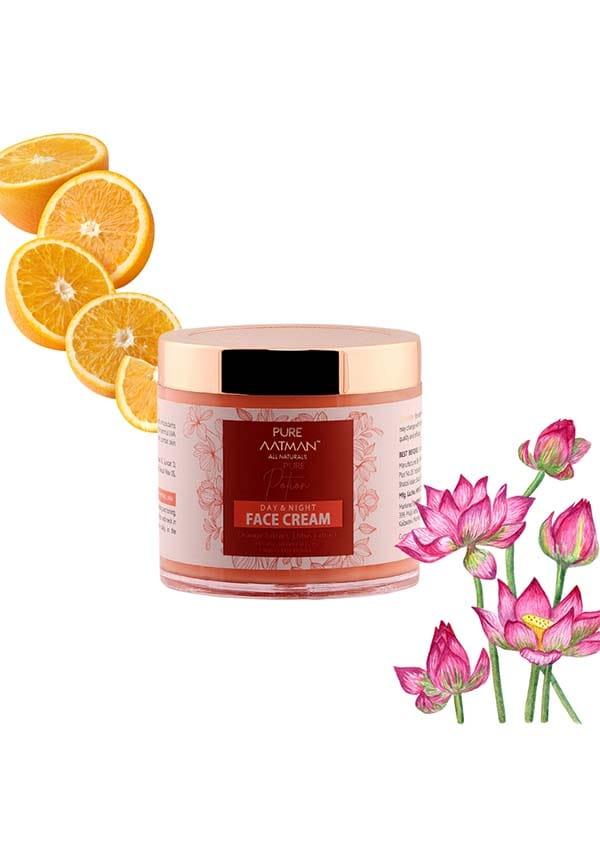
Best Moisturizer For Dry Skin Day & Night Cream
Taking long, hot showers might feel amazing, but they're basically a fast track to desert-dry skin. Keep showers short and lukewarm, and always moisturise immediately after while your skin is still damp.
Focusing only on your face while neglecting your body is another oversight. Your hands, arms, and legs need winter protection too. Don't forget areas like elbows and knees that tend to get extra dry.
Start transitioning your routine as soon as you notice the first signs of dryness or when outdoor temperatures consistently drop below 10°C. Your skin usually needs about 2-3 weeks to adjust to new products, so don't wait until you're already dealing with severe dryness.
Absolutely, but with some modifications. Even oily skin can become dehydrated in winter. Focus on lightweight, hydrating layers rather than heavy creams. Look for gel-based moisturisers with hyaluronic acid that provide hydration without greasiness.
Your body skin is generally thicker and less sensitive than facial skin, so you can use richer, more occlusive products. Body lotions with urea or lactic acid can help with rough, flaky skin. Apply body moisturiser while your skin is still damp from showering for maximum absorption.
Most people notice immediate relief from tightness and discomfort within a few days. Significant improvements in texture and appearance usually take 2-4 weeks of consistent use. If you're not seeing any improvement after a month, it might be time to reassess your products or consult a dermatologist.
Not necessarily, but you might need to adjust how you use them. Reduce frequency, ensure you're using a gentle formulation, and always buffer with a moisturiser. Some people find it easier to take a break from retinoids during the harshest winter months and reintroduce them gradually in spring.
Protecting your skin during winter doesn't have to be complicated, but it does require some strategic thinking and the right products. The key is understanding that your skin's needs change dramatically when the temperature drops, and your routine needs to evolve accordingly.
Remember, the best winter skincare routine is one that you'll actually stick to. Start with the basics—gentle cleansing, hydrating layers, and rich moisturisation—then build from there based on your skin's specific needs.
Don't be afraid to experiment with different formulations and ingredients. What works for your friend might not work for you, and that's completely normal. This is where Smytten's trial approach becomes particularly valuable. With over 25 million users and 100 million trial minis delivered, the platform helps you discover what actually works for your skin without the commitment of full-size purchases. The 100% cashback on trial minis makes it risk-free to explore different brands and formulations until you find your perfect winter routine.
Most importantly, listen to your skin. If something feels uncomfortable or causes irritation, don't push through it. Winter skincare should make your skin feel better, not worse. With patience, the right products, and consistent care, you can maintain healthy, comfortable skin all winter long. After all, why settle for dry, uncomfortable skin when you can try different solutions and find what truly works for you?
