How to Prevent UV Rays from Accelerating Skin Aging

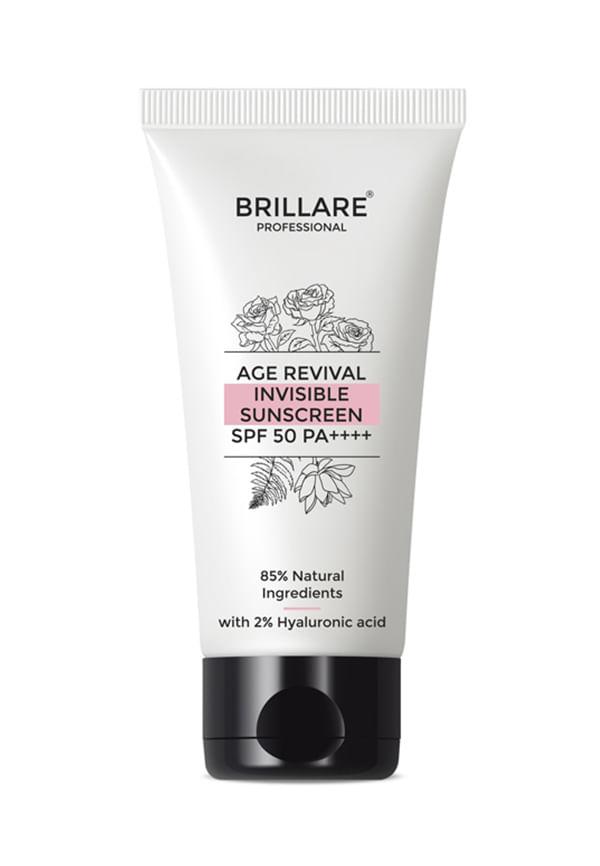
Age Revival INVISIBLE Sunscreen
Let's be real—we all love that sun-kissed glow, but here's the plot twist your skin doesn't want you to ignore. Those UV rays that give you that perfect selfie lighting? They're also the main culprit behind 90% of skin aging. Yep, you read that right. While we're busy hunting for the latest anti-aging serums, the real villain has been hiding in plain sight—literally overhead. The good news? Once you understand how UV rays and aging work together, you can totally flip the script and keep your skin looking fresh for years to come.
Here's where things get interesting. When we talk about photoaging, we're looking at two main troublemakers: UVA and UVB rays. Think of UVA as the sneaky one—it penetrates deep into your skin and breaks down collagen like it's nobody's business. UVB is more of the surface-level drama queen, causing those immediate burns and contributing to sun damage you can actually see.
Research consistently shows that UV exposure accounts for about 80-90% of visible aging signs. That means the wrinkles, age spots, and loss of firmness you might blame on getting older? Most of it is actually preventable damage from the sun. Wild, right?
When UV rays hit your skin, they create free radicals that attack your DNA and break down the proteins that keep your skin bouncy and smooth. This process happens every single day, even when it's cloudy. The damage builds up over time, which is why you might not notice it immediately—but trust me, your skin is keeping score.
The scary part? Collagen loss from UV exposure starts as early as your twenties. By the time you hit your thirties, you might start noticing the first signs of photoaging if you haven't been protecting your skin. The good news is that it's never too late to start preventing further damage.
Let's break down exactly what those UV rays are doing to your skin. Spoiler alert: it's not pretty, but knowing is half the battle when it comes to skin protection.
UV rays basically turn your skin's support system into mush. They break down collagen and elastin fibres, which are what keep your skin firm and bouncy. Once these are damaged, your skin starts to sag and lose that youthful plumpness.
Those fine lines around your eyes and mouth? UV exposure speeds up their formation by weakening the skin's structure. Wrinkles from sun damage tend to be deeper and more pronounced than those from natural aging alone.
UV rays trigger your skin to produce excess melanin as a defence mechanism. Over time, this leads to those dark spots and uneven skin tone that make you look older than you actually are. Age spots are basically your skin's way of saying "I've had enough sun for one lifetime."
Beyond aging, UV exposure significantly increases your risk of skin cancer, including melanoma. This isn't just about vanity—it's about your health and wellbeing.
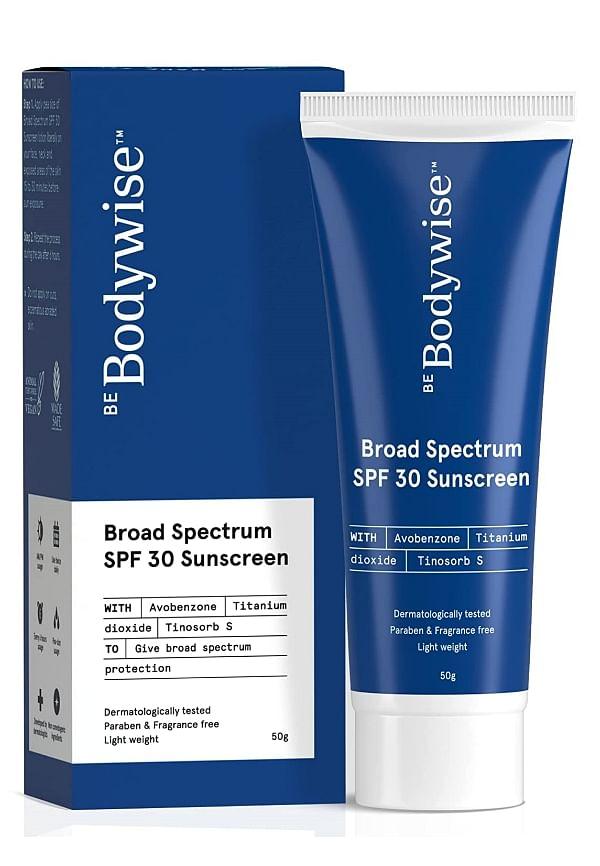
Broad Spectrum Spf 30 Sunscreen
Sun-damaged skin often becomes rough, leathery, and uneven. You might notice enlarged pores, broken capillaries, and a general loss of that smooth, soft texture you had when you were younger.
Sometimes sun damage is obvious—think dark spots or deep wrinkles. But other times, it's more subtle. Learning to recognise the early warning signs can help you take action before things get worse.
Look out for uneven skin tone, fine lines that seem to appear overnight, and areas where your skin feels rougher than usual. These are often the first hints that UV damage is accumulating.
Your face, neck, chest, and hands typically show the most photoaging because they get the most sun exposure. If you notice these areas aging faster than covered parts of your body, UV damage is likely the culprit.
Right, let's talk about the game-changers. Protecting your skin from UV damage isn't rocket science, but it does require consistency. Think of it as your daily insurance policy against premature aging.
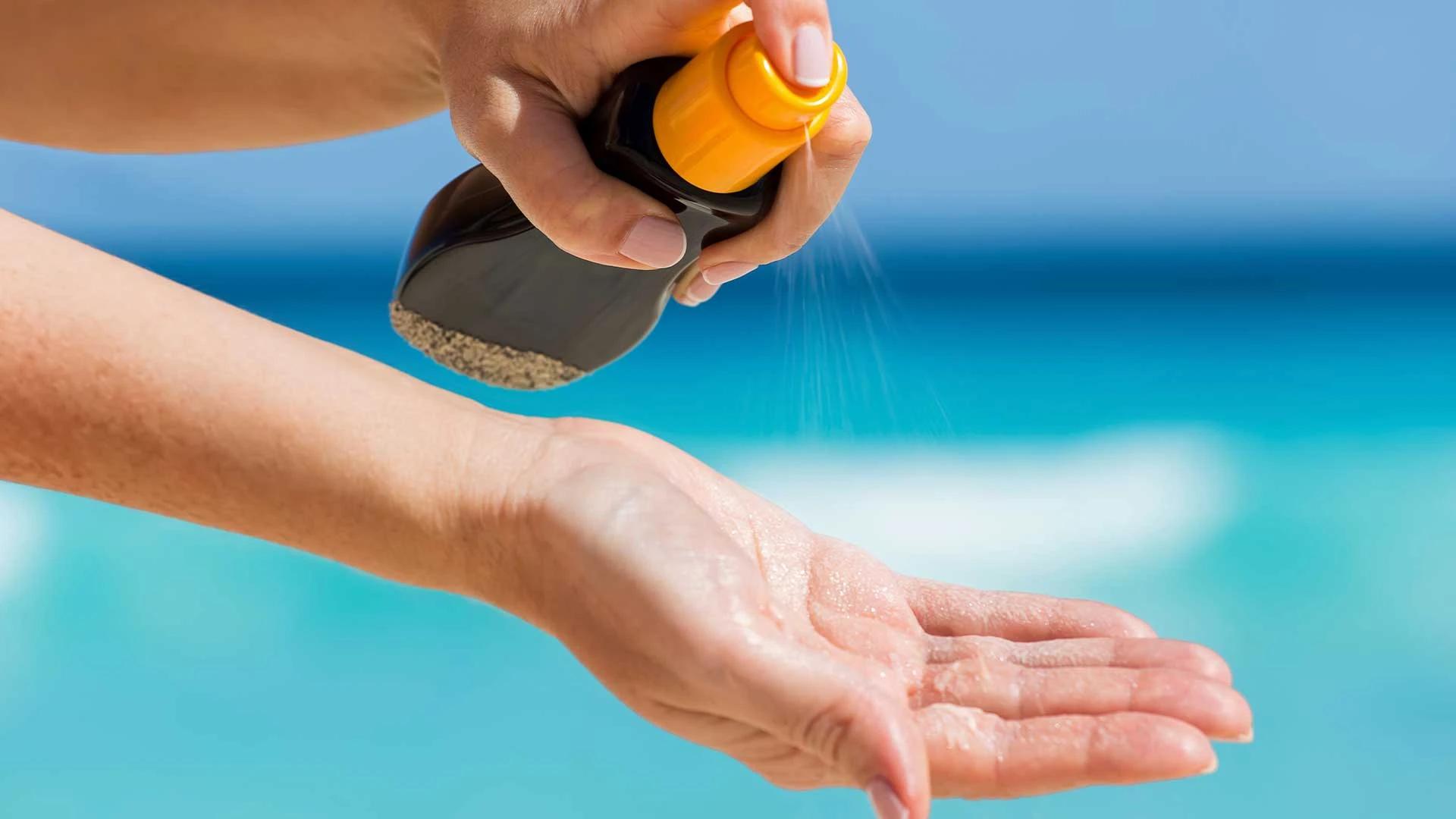
Broad-spectrum sunscreen with at least SPF 30 should be your best friend. Apply it every morning, even if you're staying indoors—those UV rays can sneak through windows. Reapply every two hours if you're outside, and don't forget often-missed spots like your ears, neck, and the back of your hands.
Wide-brimmed hats, UV-protective sunglasses, and long-sleeved shirts can be lifesavers. Look for clothing with UPF (Ultraviolet Protection Factor) ratings for extra protection.
UV rays are strongest between 10 AM and 4 PM. If you can, plan outdoor activities for early morning or late afternoon. When you must be out during peak hours, seek shade whenever possible.
UV rays don't take holidays. Snow, sand, and water can reflect rays and increase your exposure. Even on cloudy days, up to 80% of UV rays can penetrate clouds, so make skin protection a daily habit regardless of the weather.
Beyond sunscreen, certain skincare ingredients can help repair existing damage and prevent future aging. Think of these as your skin's repair crew, working overtime to keep you looking fresh.
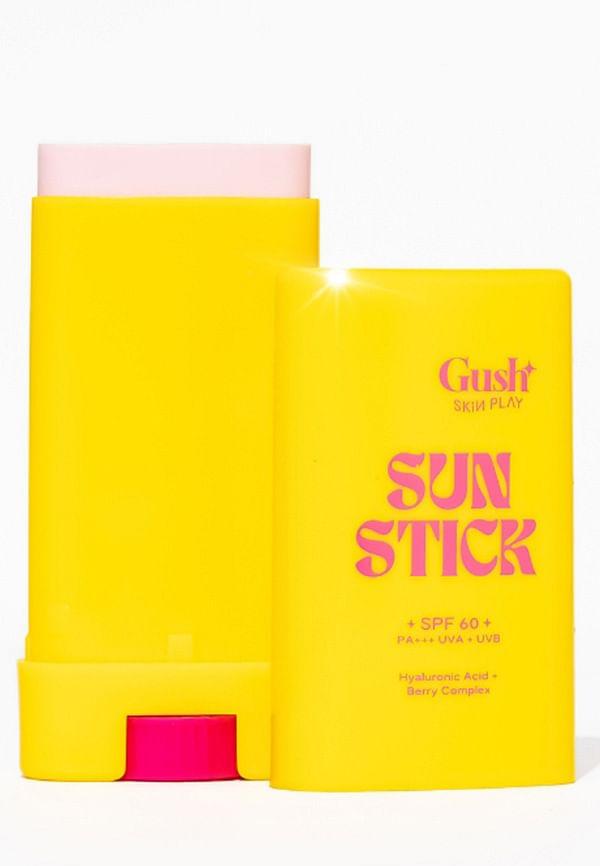
Sunstick Serum
Loved it, cute & no white cast
 4
4“I loved it.it looks cute & no white cast”
Effective Product
5“very nice. the product is very effective”
Vitamin C, vitamin E, and niacinamide help neutralise free radicals caused by UV exposure. They're like little shields that protect your skin cells from further damage while brightening your complexion.
Retinoids stimulate collagen production and speed up cell turnover, helping to reverse some of the damage from UV exposure. Start slowly and always use them at night, as they can make your skin more sensitive to the sun.
Peptides help rebuild damaged skin proteins, while hyaluronic acid keeps your skin plump and hydrated. Together, they help counteract the drying and thinning effects of sun damage.
When you're ready to try new skincare products, platforms like Smytten make it easy to discover what works for your skin. With trial packs from trusted brands like Cetaphil and Dot & Key, you can test products before committing to full sizes—because finding the right skincare routine shouldn't involve guesswork.
Your daily habits play a huge role in how well your skin handles UV rays and aging. Small changes can make a massive difference in keeping your skin healthy and resilient.
Foods rich in antioxidants—think berries, leafy greens, and fatty fish—help your skin fight off UV damage from the inside out. Staying hydrated also helps maintain your skin's natural barrier function.
Poor sleep and chronic stress can make your skin more vulnerable to UV damage. Aim for 7-9 hours of quality sleep and find healthy ways to manage stress—your skin will thank you.
Plan your outdoor activities strategically. Morning walks, evening jogs, and shaded picnics can help you enjoy the outdoors without excessive UV exposure. When you do spend time in the sun, make it count by being properly protected.
Sometimes, despite our best efforts, we need professional help to address existing sun damage. The good news is that dermatologists have some pretty amazing tools to help reverse photoaging and prevent further damage.
These treatments can help reduce age spots, improve skin texture, and stimulate collagen production. They're particularly effective for addressing surface-level damage and uneven pigmentation.
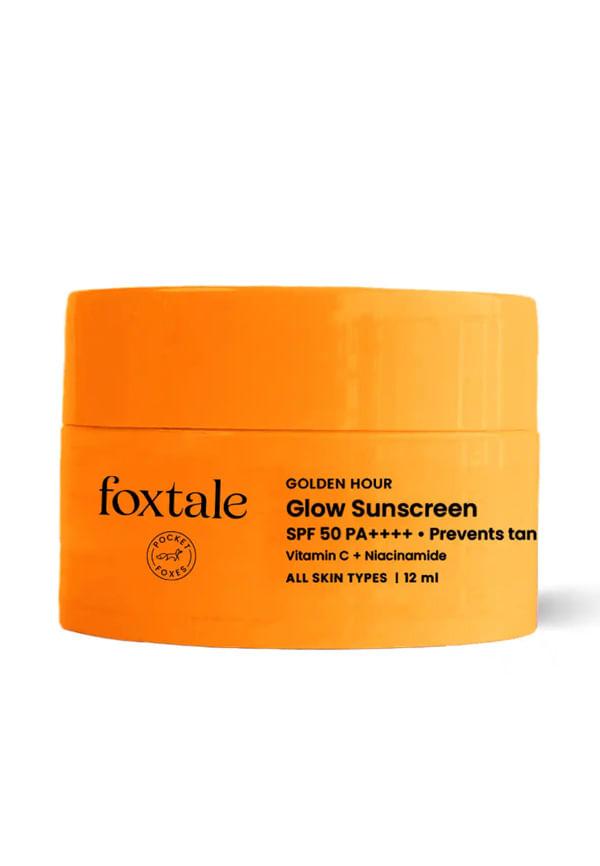
Golden Hour Glow Sunscreen
Lovely Product
5“I fall in love with it awwwhh such a nice product”
Good for Oily Skin
5“very good product 👍. non sticky and oily skin suitable product...”
Lovely Product
5“I fall in love with it awwwhh such a nice product”
Dermatologists can prescribe stronger retinoids and other treatments that aren't available over the counter. These can be game-changers for more advanced sun damage.
Regular skin checks with a dermatologist can catch problems early and help you develop a personalised protection strategy. Think of it as preventive maintenance for your skin.
Absolutely. UV radiation causes DNA changes in the skin that lead to premature aging. Research shows UV exposure accounts for up to 90% of visible skin aging signs, making sun protection the most effective anti-aging strategy you can adopt.
Studies confirm that approximately 80-90% of facial aging is caused by cumulative UV exposure, not natural chronological aging. This means most of what we consider "aging" is actually preventable damage from the sun.
Yes, chronic UV exposure creates photoaging that accelerates beyond normal chronological aging. This results in earlier development of wrinkles, age spots, and skin texture changes compared to sun-protected skin.
UV light significantly accelerates skin aging by breaking down collagen, causing DNA damage, and triggering inflammatory responses that lead to wrinkles, age spots, and decreased skin elasticity.
UVA rays penetrate deeper into the skin and are primarily responsible for photoaging and wrinkles. UVB rays affect the surface and cause sunburns. Both contribute to skin cancer risk and premature aging.
While you can't completely undo sun damage, consistent use of sunscreen, retinoids, and antioxidants can significantly improve the appearance of age spots, fine lines, and skin texture. Professional treatments can also help reverse some damage.
The relationship between UV rays and aging is clear: the sun is responsible for most of the aging we see in our skin. But here's the empowering part—this means you have way more control over how your skin ages than you might think. By making sun protection a daily habit and choosing the right skincare products, you can significantly slow down the aging process.
Remember, it's never too early or too late to start protecting your skin. Whether you're in your twenties and want to prevent future damage, or you're dealing with existing sun damage and want to stop it from getting worse, the strategies we've covered can help. The key is consistency—make these habits part of your daily routine, and your future self will definitely thank you.
Finding the right products for your skin protection routine doesn't have to be overwhelming. With Smytten's trial packs from over 1,500 trusted brands, you can discover what works best for your skin without the commitment of full-size purchases. After all, why settle for maybe when you can try it all and find your perfect match?
