How to Prevent Sun Damage: Your Ultimate Guide


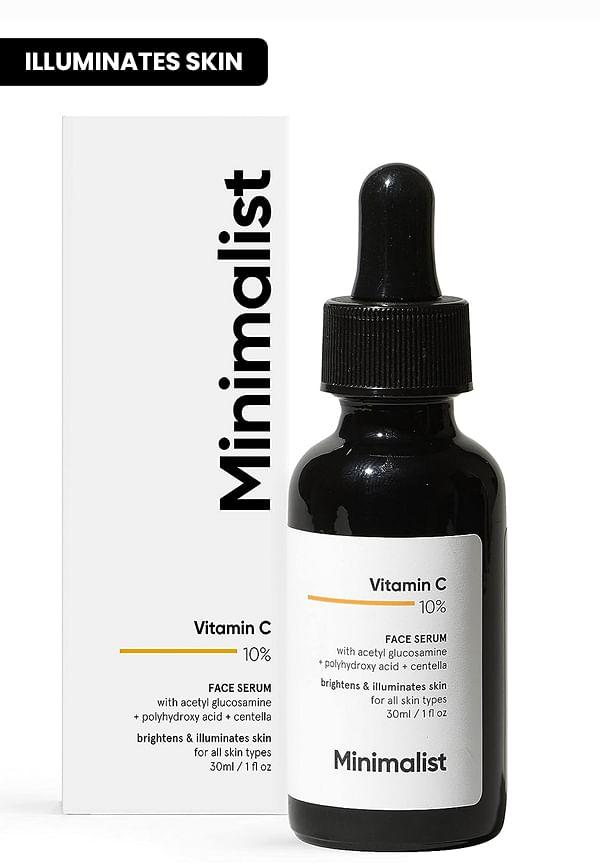
10% Vitamin C Face Serum For Skin Brightening & Reduce Sun Damage
Let's be real—your skin remembers every sunny day, beach holiday, and forgotten sunscreen application. While that golden glow might look fab in the moment, sun damage prevention is seriously worth obsessing over. We're talking about protecting your skin from premature ageing, dark spots, and more serious concerns down the line. The good news? With the right sun protection routine and some smart choices, you can keep your skin looking fresh and healthy for years to come. Think of this as your complete sun damage prevention guide—everything you need to know about shielding your skin without missing out on life's sunny moments.
Your skin is basically dealing with two types of UV rays every single day. UVA rays are the sneaky ones—they penetrate deep into your skin and cause long-term damage like wrinkles and age spots. UVB rays are the ones that give you that immediate sunburn. Both types contribute to skin cancer prevention concerns, so protecting against both is non-negotiable.
Sunburn is just the tip of the iceberg. While your skin might heal from that red, painful burn in a week or two, the real damage happens at a cellular level. UV rays break down collagen, create free radicals, and can even damage DNA in your skin cells.
Dark spots, fine lines, uneven texture, and that leathery feel? These are all your skin's way of showing accumulated sun damage. The earlier you start with proper UV protection, the better your chances of avoiding these issues.
Building a solid defence against sun damage isn't just about slapping on any old sunscreen. You need a proper strategy that covers all the bases. Let's break down what actually works, backed by dermatologists and research.
Here's where most people get it wrong—they think any sunscreen will do. The reality is, you need SPF 30 or higher for proper protection. This blocks about 97% of UVB rays, which is what dermatologists recommend as the minimum. Going higher to SPF 50 gives you slightly more protection, but the difference isn't massive.
Broad-spectrum protection is absolutely essential. This means your sunscreen protects against both UVA and UVB rays. Look for ingredients like zinc oxide, titanium dioxide, avobenzone, or newer chemical filters that offer comprehensive coverage.
Most people use about a quarter of the sunscreen they actually need. For your face alone, you need about a quarter teaspoon. For your whole body, think two tablespoons—that's roughly an ounce. Apply it 15-30 minutes before heading out, and reapply every two hours without fail.
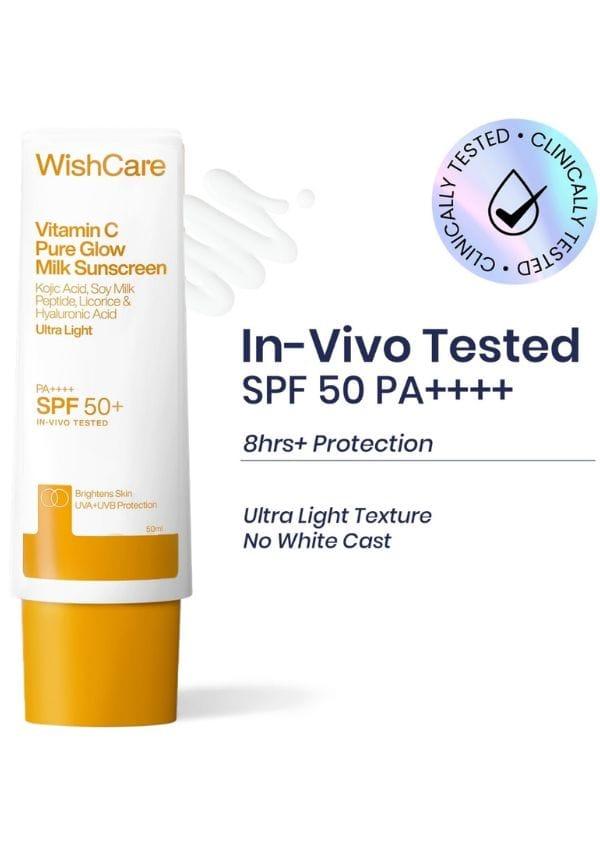
Vitamin C Pure Glow Face Sunscreen SPF 50 PA++++
Sunscreen is brilliant, but it's not your only line of defence. Wide-brimmed hats, UV-blocking sunglasses, and clothing with UPF ratings all add extra layers of protection. Seeking shade during peak hours (10am to 4pm) can dramatically reduce your UV exposure.
While sunscreen remains your primary defence, there are some natural ways to boost your skin's resilience from the inside out. These aren't replacements for proper sun protection, but they can be valuable additions to your routine.
Foods high in lycopene (tomatoes, watermelon), vitamin C (citrus fruits, berries), and vitamin E (nuts, seeds) can help your skin fight off free radical damage. Green tea is particularly brilliant—it contains polyphenols that may help protect against UV damage when consumed regularly.
If you're naturally pale, gradually building up your tolerance can help prevent burns. Start with short exposures and slowly increase time in the sun. This helps your skin produce melanin more effectively, though it's still crucial to use sunscreen throughout this process.
Even with the best intentions, sunburn happens. When it does, quick action can minimise damage and speed up healing. The key is treating it like the inflammatory response it actually is.
Cool (not ice-cold) compresses, aloe vera gel, and staying hydrated are your first line of defence. Ibuprofen can help reduce inflammation from the inside. Avoid petroleum-based products, which can trap heat, and definitely don't peel or pick at damaged skin.
Skip the ice, butter, or any home remedies that sound too good to be true. These can actually make things worse. Also avoid products with alcohol or strong fragrances, which can irritate already sensitive skin.
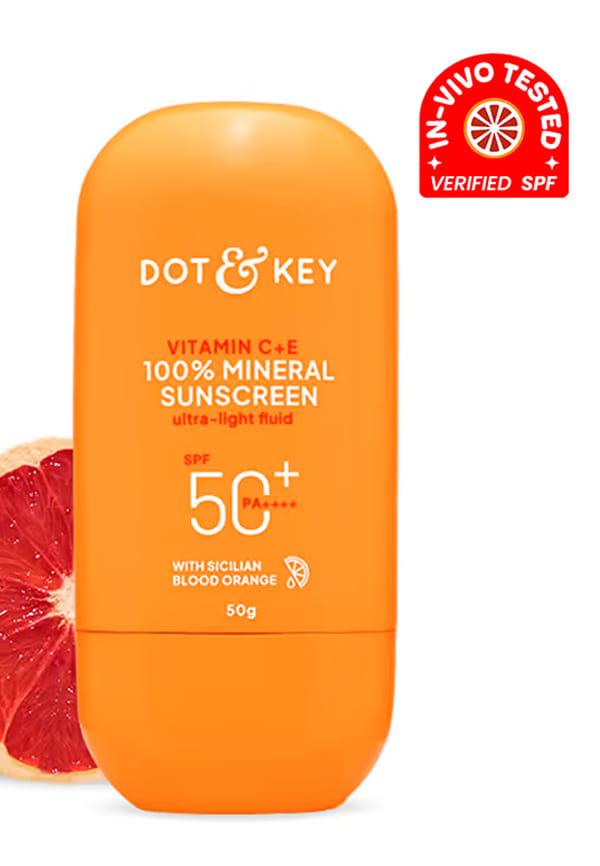
Vitamin C + E 100% Mineral Sunscreen SPF 50+ PA++++
If you're dealing with existing sun damage, don't panic. There are effective ways to address dark spots, fine lines, and uneven texture. The approach depends on the type and severity of damage you're working with.
Retinoids are brilliant for stimulating cell turnover and reducing fine lines. Vitamin C serums can help with dark spots and provide antioxidant protection. Gentle exfoliation with AHAs or BHAs can improve texture over time. The key is consistency and patience—skin damage repair takes months, not weeks.
Chemical peels, laser treatments, and microneedling can address more significant damage. These should always be done by qualified professionals, and you'll need to be extra diligent about sun protection during the healing process.
The best sun damage prevention guide is one you can actually stick to. Building sustainable habits is way more effective than perfect protection that you only manage occasionally.
Make sunscreen the last step in your morning skincare routine. If you're using other active ingredients like retinoids or acids, apply sunscreen over them. Keep a separate sunscreen for your body if you prefer different formulations for face and body.
Set reminders to reapply sunscreen, especially if you're outdoors. Keep travel-size sunscreens in your bag, car, and desk drawer. If you're wearing makeup, powder sunscreens or setting sprays with SPF can make reapplication easier.
Your evening routine is when your skin repairs itself. Antioxidant serums, gentle cleansing to remove sunscreen buildup, and moisturising help support this natural recovery process. This is also when you can use more potent ingredients that might increase sun sensitivity.
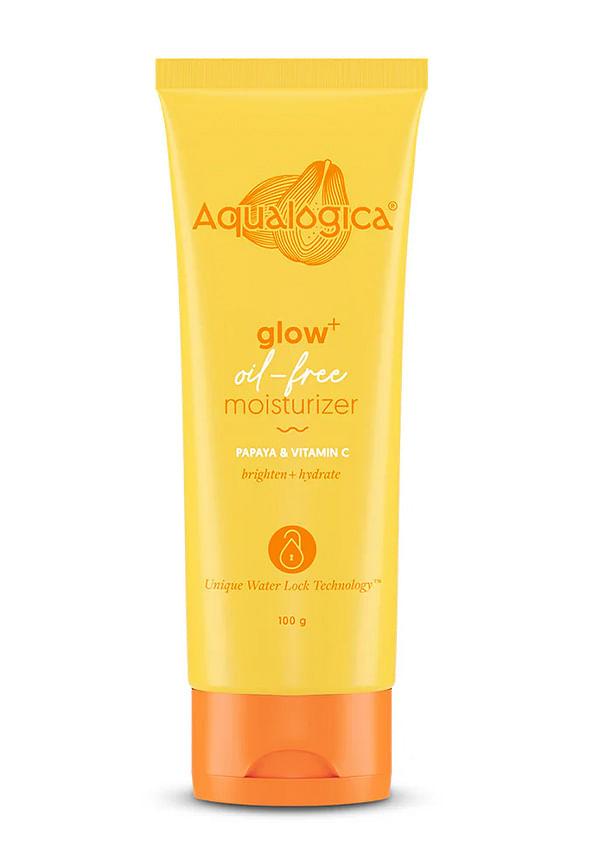
Glow+ Oil free Moisturiser, with Papaya and Vitamin C
Finding the right products for your sun protection routine doesn't have to involve guesswork or expensive mistakes. Smytten offers curated trial packs from trusted brands like Cetaphil and Dot & Key, letting you test different sunscreens and after sun care products before committing to full sizes. With over 1,500 brands available and the option to get up to 8 minis for just ₹249, you can discover what works best for your skin type and lifestyle.
Every two hours is the gold standard, or immediately after swimming, sweating heavily, or towelling off. If you're indoors all day, one morning application might be sufficient, but reapply if you're near windows or heading outside.
Yes, UVA rays can penetrate glass, though UVB rays are mostly blocked. If you sit near windows regularly, especially during long commutes or at a desk, consider applying sunscreen or using window films that block UV rays.
Absolutely. Up to 80% of UV rays can penetrate clouds, and you can still get burned on overcast days. Snow, sand, and water also reflect UV rays, increasing your exposure even in shade.
No sunscreen is truly waterproof—that claim is actually banned by regulatory agencies. Water-resistant sunscreens maintain their SPF for either 40 or 80 minutes in water, but you should still reapply after swimming or sweating.
No, everyone needs sun protection regardless of skin tone. While higher melanin levels provide some natural protection (roughly equivalent to SPF 4), it's not enough to prevent sun damage or skin cancer.
For your face and neck, use about a quarter teaspoon. For your entire body, you need roughly one ounce (two tablespoons). Most people use far less than this, which significantly reduces protection.
Your skin is with you for life, so treating it well now pays dividends later. The best sun damage prevention guide is one that fits seamlessly into your daily routine. Whether you're just starting to take sun protection seriously or looking to upgrade your current routine, remember that consistency beats perfection every time.
Small changes—like applying sunscreen every morning, seeking shade during peak hours, and using after sun care products when needed—add up to significant protection over time. And when you're ready to explore new products or find your perfect sunscreen match, platforms like Smytten make it easy to try before you buy. With trial packs from over 1,500 trusted brands and 100% cashback on minis, you can build the perfect sun protection routine without the guesswork. After all, why settle for maybe when you can try it all and find what truly works for your skin?
