How to Prevent Sun Damage: Expert Skin Protection

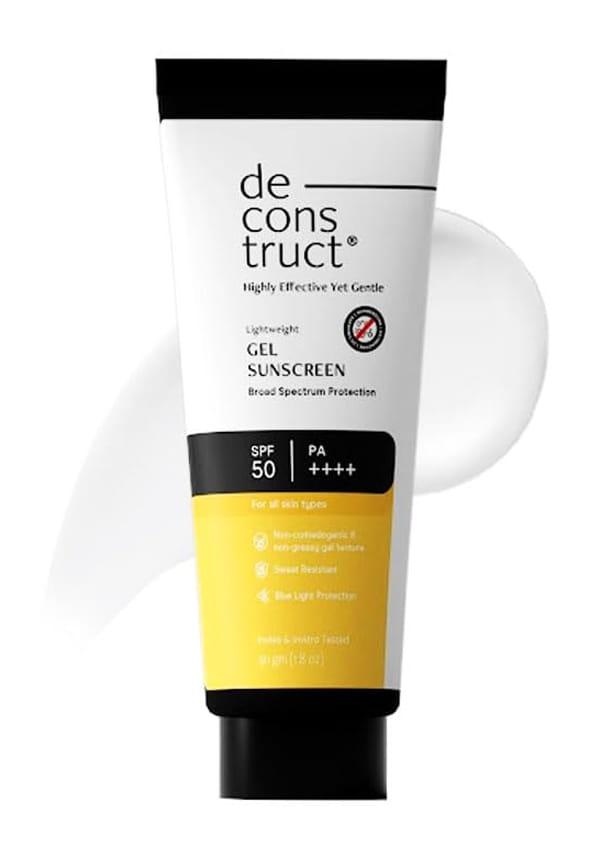
Lightweight Gel Sunscreen- SPF 50+ and PA+++
Quick Absorption, No White Cast
 5
5“it's absorb quickly and doesn't leave white cast”
So Good
5“👍🏻👍🏻👍🏻👍🏻👍🏻👍🏻So Goodd👍🏻👍🏻👍🏻👍🏻”
So Good
5“👍🏻👍🏻👍🏻👍🏻👍🏻👍🏻So Goodd👍🏻👍🏻👍🏻👍🏻”
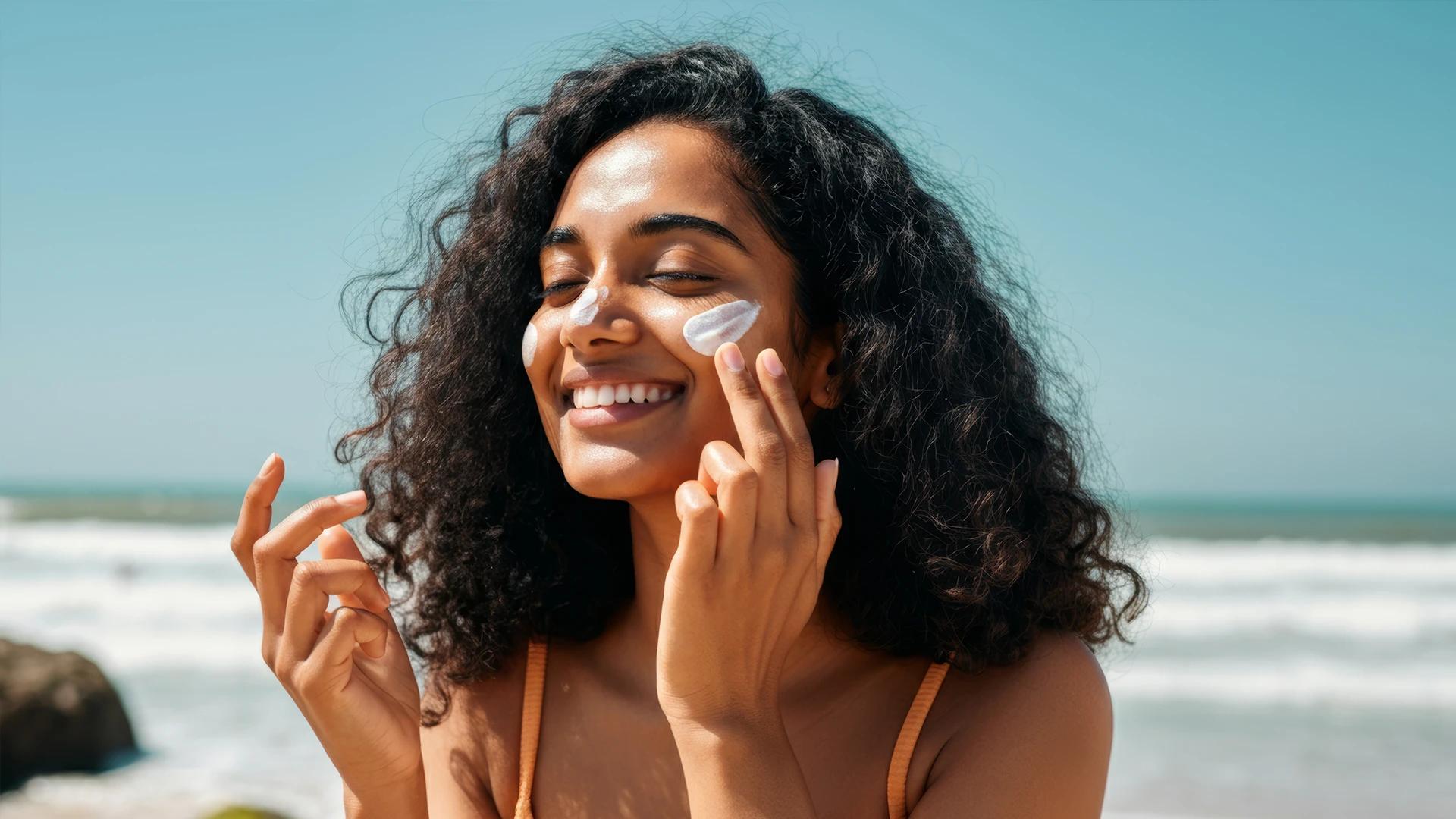
Let's be real—sun damage is one of those things we all know about but somehow still manage to underestimate. You might think a bit of colour never hurt anyone, but your skin is keeping score of every unprotected moment. The good news? Learning how to prevent sun damage isn't rocket science, and with the right approach, you can keep your skin healthy whilst still enjoying the outdoors. Whether you're dealing with daily commutes or planning beach holidays, proper sun protection is your skin's best friend.
Before diving into protection strategies, it's worth understanding what you're actually protecting against. Sun damage isn't just about getting a bit pink—it's a complex process that affects your skin on multiple levels.
UV radiation comes in two main types that reach your skin. UVA rays penetrate deeper and are responsible for premature ageing, wrinkles, and age spots. They're present all day, even through clouds and windows. UVB rays are the ones that cause sunburn and play a major role in skin cancer prevention concerns. Both types contribute to long-term damage, so protection against both is essential.
The effects aren't always immediate. Whilst sunburn shows up within hours, the real damage—like collagen breakdown and DNA changes—happens gradually. Your skin has a memory, and it's storing up all those unprotected moments. People with fair skin, light eyes, or a family history of skin cancer are at higher risk, but honestly, everyone needs protection regardless of skin tone.
One massive misconception? That you only need protection on sunny days. UV rays penetrate clouds, reflect off water and sand, and can even bounce off snow. Your skin is getting exposed more often than you think.
Daily sunscreen isn't just a summer thing—it's your year-round skincare essential. Getting this right makes all the difference in your long-term skin health.
SPF 30 is your minimum—anything lower just isn't cutting it for proper protection. SPF 30 blocks about 97% of UVB rays, whilst SPF 50 blocks around 98%. The difference isn't huge, but if you're spending lots of time outdoors, that extra bit matters.
Broad-spectrum is non-negotiable. This means protection against both UVA and UVB rays. Regular sunscreen might only protect against UVB, leaving you vulnerable to premature ageing from UVA exposure.
Chemical sunscreens absorb UV rays and convert them to heat, whilst mineral sunscreens (with zinc oxide or titanium dioxide) create a physical barrier. Chemical formulas tend to be lighter and easier to blend, but mineral options are gentler for sensitive skin. Both work brilliantly when applied properly.
Here's where most people go wrong—they don't use nearly enough. You need about a quarter teaspoon for your face and neck. That's more than you think, and it should feel like you're applying a proper layer, not just a light moisturiser.
Apply sunscreen 15-30 minutes before heading out, and reapply every two hours. If you're swimming, sweating, or towelling off, reapply immediately. Even water-resistant formulas need refreshing.
Don't forget often-missed spots: ears, back of neck, tops of feet, and that bit between your eyebrows. These areas burn easily and are frequently overlooked.
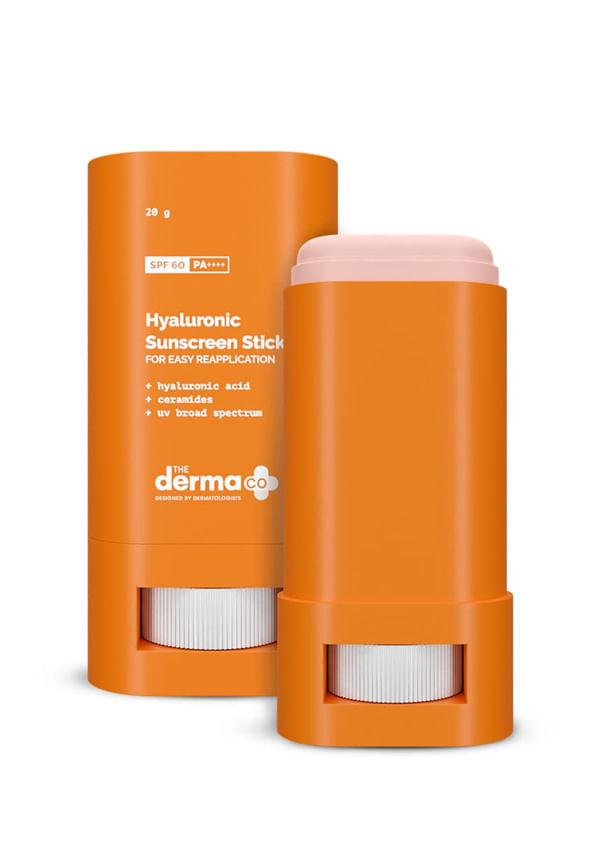
Hyaluronic Sunscreen Stick with SPF 60 & PA++++
Excellent Lightweight Sunscreen
5“Best sunscreen till date! It feels so light and leaves no white cast”
Easy & Convenient Reapplication
5“Very easy to reapply, when outdoors! Super convenient!”
White Cast Free, Suits Oily Skin
4“White cast freee easy to apply and suits oily skin also”
Sunscreen is brilliant, but it's not your only line of defence. Think of sun protection as a multi-layered approach where every element works together.
UV rays are strongest between 10 AM and 4 PM, so plan accordingly. If your shadow is shorter than you are, the UV intensity is at its peak. Try to schedule outdoor activities for early morning or late afternoon when possible.
When shade isn't available, create your own. Beach umbrellas, pop-up tents, or even a wide scarf can provide crucial protection. Remember that sand, water, and concrete reflect UV rays, so you're getting exposure even in the shade.
UPF-rated clothing is a game-changer. UPF 50+ blocks 98% of UV rays, which is incredibly effective. Dark colours and tightly woven fabrics generally offer better protection than light, loose weaves.
A wide-brimmed hat (at least 10cm all around) protects your face, ears, and neck—areas that get significant exposure. Baseball caps are better than nothing, but they leave your ears and neck vulnerable.
UV-blocking sunglasses aren't just about looking cool. They protect the delicate skin around your eyes and reduce your risk of cataracts. Look for glasses that block 99-100% of UV rays.
Your diet can support your skin's natural defences. Foods rich in antioxidants—like tomatoes, leafy greens, and berries—help combat free radical damage from UV exposure. Lycopene from tomatoes and beta-carotene from carrots are particularly beneficial.
Topical antioxidants in your SPF skincare routine work too. Vitamin C serums applied under sunscreen can boost protection, whilst vitamin E helps repair damage. These aren't replacements for sunscreen, but they're excellent additions.
Whilst natural protection methods have their place, it's important to have realistic expectations about what they can and can't do.
Clothing remains your most effective natural protection. A simple long-sleeved shirt can block more UV rays than any natural oil or food-based approach. Linen and cotton are breathable options for hot weather, whilst still providing coverage.
Some natural oils like coconut oil, shea butter, and red raspberry seed oil have minimal SPF properties (usually SPF 4-10), but they're nowhere near adequate for proper protection. They're lovely for moisturising, but don't rely on them as your primary defence.
Staying hydrated helps your skin maintain its natural barrier function, and eating a diet rich in omega-3 fatty acids supports skin health. These lifestyle factors contribute to overall skin resilience but aren't substitutes for proper sun protection.
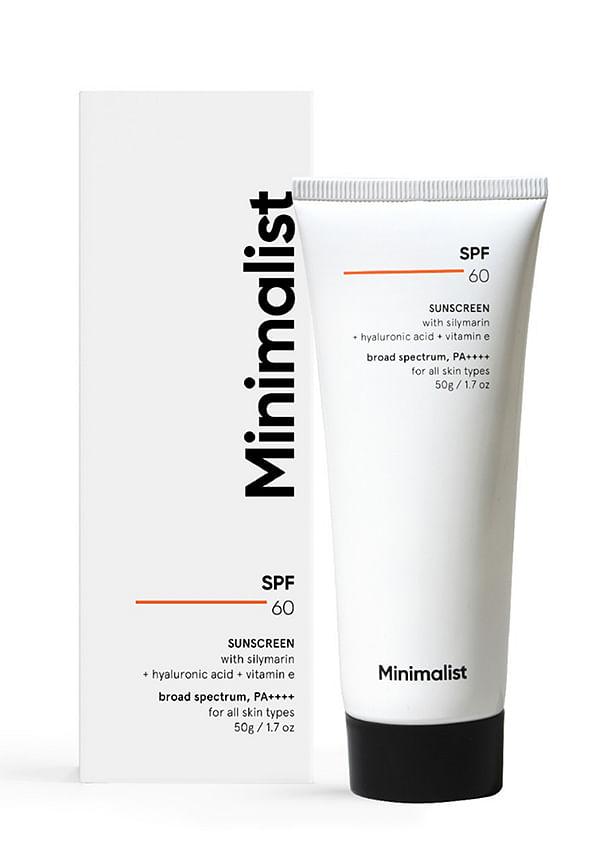
SPF 60 PA ++++ Sunscreen With Antioxidant Silymarin,Senstive Skin & Acne
Good Product, No White Cast
4“using it over 2 year. good product leaves no white cast”
Non-greasy, Fast Absorbing
5“Non greasy and fast absorbing cream”
Non-greasy, Fast Absorbing
5“Non greasy and fast absorbing cream”
Effective skin cancer prevention goes beyond daily sunscreen application. Regular self-examinations are crucial—check your skin monthly for new moles or changes in existing ones.
The ABCDE rule helps identify concerning changes: Asymmetry, Border irregularity, Colour variation, Diameter larger than 6mm, and Evolution (changes over time). If you notice any of these, see a dermatologist promptly.
Professional skin screenings are recommended annually, especially if you have risk factors like fair skin, family history, or a history of sunburns. Early detection makes treatment much more successful.
Remember that sun damage is cumulative. Even if you've had significant exposure in the past, starting proper protection now still makes a meaningful difference for your future skin health.
Despite your best efforts, sometimes sun exposure happens. Knowing how to respond can minimise damage and support your skin's recovery.
For mild sunburn treatment, cool compresses and aloe vera gel provide immediate relief. Hydrocortisone cream can reduce inflammation, whilst ibuprofen helps with pain and swelling from the inside.
Drink plenty of water—sunburn draws fluid to the skin's surface, which can lead to dehydration. Avoid products with petroleum, benzocaine, or lidocaine, as these can trap heat or cause allergic reactions.
Sun damage repair is possible with the right ingredients and realistic expectations. Retinoids, vitamin C, and niacinamide can help improve skin texture and reduce hyperpigmentation over time.
Professional treatments like chemical peels, laser therapy, and microneedling can address more significant damage, but prevention remains far more effective than trying to reverse damage later.
Consistency is key—both in protection and in any repair treatments. Results take months, not weeks, so patience is essential.
Building sun protection into your daily routine makes it automatic rather than something you have to remember. Your morning routine should include a daily sunscreen as the final step, applied after moisturiser but before makeup.
For midday touch-ups, powder sunscreens or SPF setting sprays work well over makeup. If you're not wearing makeup, reapplying liquid sunscreen is straightforward.
Evening after sun care focuses on repair and hydration. Gentle cleansing removes sunscreen and environmental pollutants, followed by hydrating serums and moisturisers. This is when you'd use any treatment products for existing sun damage.
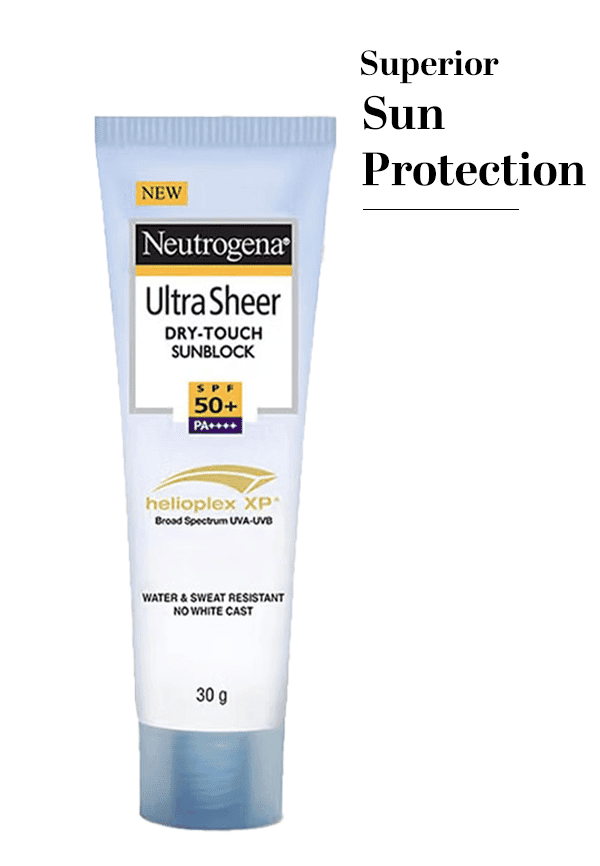
Ultra Sheer Dry Touch Sunscreen SPF 50+
Smooth Application & Quick Absorption
5“smooth liquidy application and quick absorption”
Smooth Application & Quick Absorption
5“smooth liquidy application and quick absorption”
Smooth Application & Quick Absorption
5“smooth liquidy application and quick absorption”
Seasonal adjustments matter too. Winter sun reflecting off snow can be surprisingly intense, whilst summer requires more frequent reapplication and stronger protection.
Finding the right products for your routine doesn't have to involve expensive guesswork. Platforms like Smytten let you try mini versions of different sunscreens and after sun care products from trusted brands before committing to full sizes. With over 1,500 brands available, you can discover what works best for your skin type and lifestyle. The platform's trial approach means you can test various SPF formulas and find your perfect match without the usual trial-and-error expense.
The most effective approach combines multiple strategies: seek shade during peak hours (10 AM-4 PM), apply broad-spectrum SPF 30+ sunscreen daily, wear protective clothing including wide-brimmed hats, and use UV-blocking sunglasses. Consistency with these sun safety tips provides comprehensive protection.
The five essential tips are: Slip on protective clothing, Slop on broad-spectrum sunscreen, Slap on a wide-brimmed hat, Seek shade during peak UV hours, and Slide on UV-blocking sunglasses. These form the foundation of effective sun protection.
Vitamin C can help improve the appearance of sun damage over time by promoting collagen production and reducing hyperpigmentation. However, it's more effective at preventing further damage when used consistently rather than completely reversing existing damage.
Wide-brimmed hats, UV-blocking sunglasses, and seeking shade are your best alternatives. However, these methods alone aren't as effective as sunscreen for comprehensive facial protection, especially during extended outdoor exposure.
Natural protection methods include wearing protective clothing, seeking shade, and eating antioxidant-rich foods. Whilst these help, they're not sufficient replacements for proper sunscreen when it comes to preventing UV damage effectively.
Learning how to prevent sun damage is one of the best investments you can make in your long-term skin health. The key is consistency—making sun protection a daily habit rather than something you only think about on beach days.
Remember that effective protection involves multiple strategies working together. Your daily sunscreen is crucial, but combining it with protective clothing, strategic timing, and proper after sun care gives you the best results. Whether you're just starting to take sun protection seriously or looking to upgrade your current routine, the most important step is starting now.
Your skin will thank you for every day you choose protection over exposure. With the right products and habits, you can enjoy the outdoors whilst keeping your skin healthy for years to come.
