How to Prevent Recurring Pimples in Men: A Skincare Guide

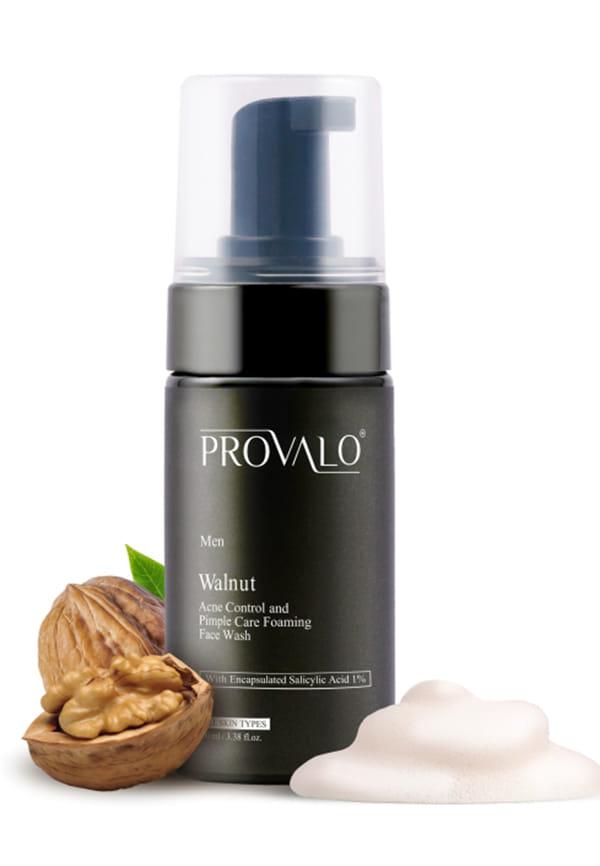
Walnut Acne Control and Pimple Care Foaming Face Wash (Men)
You've tried everything. The face wash that promised clear skin, the spot treatment that worked for your mate, even that expensive moisturiser your sister recommended. Yet here you are, staring at another breakout in the mirror, wondering why your skin seems determined to sabotage every important meeting or date. If recurring pimples feel like an endless cycle, you're not alone. Male acne affects millions of men well into their twenties, thirties, and beyond, but understanding why it happens—and what actually works to prevent it—can finally break that frustrating pattern.
Men's skin operates differently from women's, and this isn't just marketing speak—it's biology. Male skin is typically 25% thicker, produces more oil, and has larger pores, creating the perfect storm for recurring acne. The culprit behind most male breakouts? Testosterone.
This hormone doesn't just influence muscle mass and mood; it directly impacts your skin's oil production. Higher testosterone levels stimulate the sebaceous glands to produce excess sebum, which can clog pores when mixed with dead skin cells and bacteria. This is why many men notice their acne patterns differ from women's—often appearing on the lower face, jawline, and neck where beard growth occurs.
Male acne in your twenties often stems from hormonal fluctuations as your body settles into adult hormone levels. University stress, irregular sleep patterns, and dietary changes don't help either. By your thirties, adult male acne typically shifts focus—stress-related breakouts become more common, often appearing around the jawline and chin area.
Let's clear up some myths. First, acne isn't about being "dirty"—over-washing actually makes it worse. Second, it's not just a teenage problem. Many men experience their first significant breakouts in their twenties or thirties. Finally, having oily skin doesn't mean you should skip moisturiser; dehydrated skin often overcompensates by producing even more oil.
Understanding recurring acne causes starts with knowing how pimples actually form. Your pores contain hair follicles and oil glands. When excess oil mixes with dead skin cells, it creates a plug. Add bacteria (particularly Propionibacterium acnes), and you've got inflammation—aka, a pimple.
For men, this process is accelerated by several factors. Testosterone not only increases oil production but also thickens the skin's outer layer, making it harder for dead cells to shed naturally. This creates more opportunities for clogged pores. Additionally, men's facial hair can trap oil and bacteria against the skin, particularly around the beard area.
Genetics play a significant role in pimple prevention for men. If your father or brothers struggled with acne, you're more likely to experience it too. However, genetics load the gun—lifestyle and skincare habits pull the trigger. Even with a genetic predisposition, proper care can significantly reduce breakouts.
Modern life presents unique challenges for men's skin. Air conditioning can dehydrate skin, leading to increased oil production. Gym sessions, while great for health, can trigger breakouts if sweat isn't properly cleansed. Even your mobile phone, pressed against your face during calls, can transfer bacteria and oil.
A proper skincare routine for men doesn't need to be complicated, but it does need to be consistent. Think of it as maintenance for your face—just like you wouldn't skip brushing your teeth, your skin deserves daily attention.

Start with a gentle cleanser designed for your skin type. If you're dealing with active breakouts, look for ingredients like salicylic acid or benzoyl peroxide. The Garnier Men Anti-Pimple Face Wash offers targeted treatment for acne-prone skin while being gentle enough for daily use, helping to unclog pores and reduce bacteria without over-drying your skin. Follow with a lightweight, non-comedogenic moisturiser—yes, even if you have oily skin. Finish with SPF 30 or higher; sun damage can worsen acne scarring and cause post-inflammatory hyperpigmentation.
Your evening routine is when the real acne prevention work happens. Double cleanse if you've worn sunscreen or been in a particularly polluted environment. Apply any treatment products like retinoids or targeted acne treatments to clean, dry skin. End with a slightly richer moisturiser than your morning one—your skin repairs itself overnight and needs proper hydration.
When choosing facial care products for men, look for "non-comedogenic" on labels—this means they won't clog pores. Avoid products with heavy fragrances or alcohol, which can irritate and dry out skin. Start with one new product at a time to identify what works for your skin.
Real pimple prevention goes beyond just washing your face. It's about creating an environment where breakouts can't thrive. Here are evidence-based strategies that actually work for men's skin.
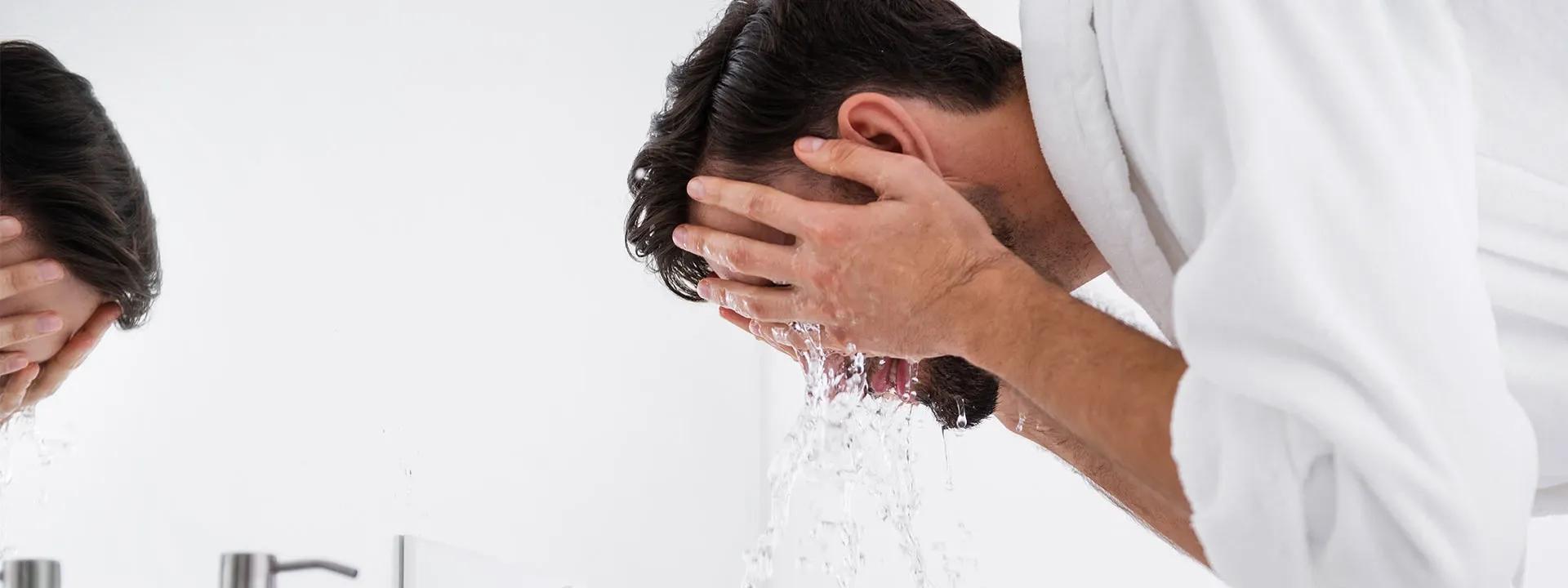
How you wash your face matters as much as what you use. Use lukewarm water—hot water strips natural oils, causing your skin to overcompensate. Gently massage cleanser for 30 seconds, focusing on areas prone to breakouts. Rinse thoroughly and pat dry with a clean towel. Never scrub or use rough washcloths; this irritation can worsen acne.
Salicylic acid is excellent for preventing clogged pores—it penetrates oil and exfoliates inside the pore. Benzoyl peroxide kills acne-causing bacteria but can be drying, so start with lower concentrations. Niacinamide reduces inflammation and regulates oil production without irritation. Retinoids are the gold standard for acne prevention, speeding up cell turnover to prevent clogged pores.
Your daily habits significantly impact your skin's health. Stay hydrated—aim for 8 glasses of water daily. Get 7-9 hours of quality sleep; your skin repairs itself during rest. Manage stress through exercise, meditation, or hobbies; chronic stress increases cortisol, which can worsen acne.
When prevention isn't enough, targeted male acne treatment can help break the cycle of recurring breakouts. The key is finding the right approach for your specific skin type and acne severity.
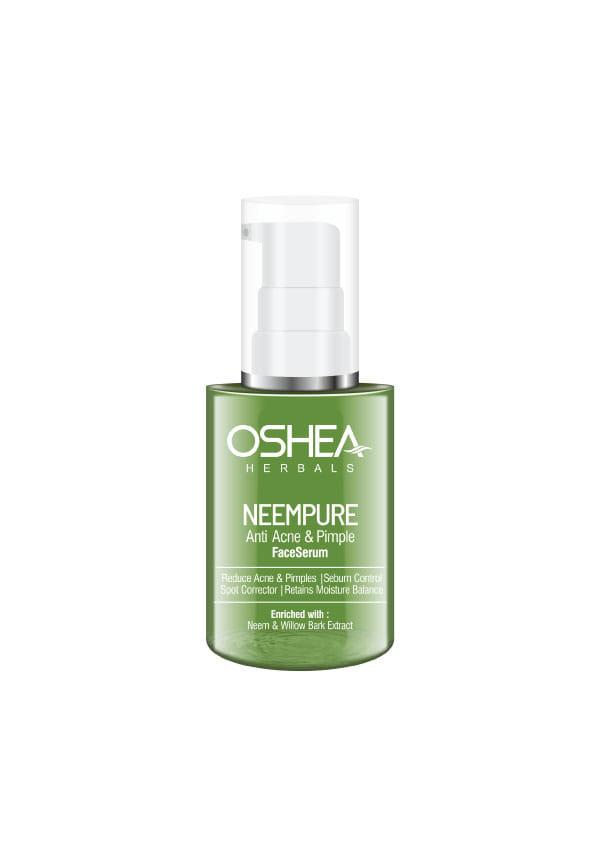
Neempure Anti Acne & Pimple Serum
Start with proven ingredients available without prescription. Benzoyl peroxide (2.5-10%) kills bacteria and reduces inflammation. Salicylic acid (0.5-2%) unclogs pores and prevents new breakouts. Adapalene, a retinoid now available over-the-counter, helps prevent clogged pores and reduces inflammation.
If you've tried consistent over-the-counter treatments for 12 weeks without improvement, it's time to see a dermatologist. Signs you need professional help include deep, painful cysts, scarring, or acne that significantly impacts your confidence. Professional treatments might include prescription retinoids, antibiotics, or hormonal therapies.
While there's no way to "cure acne naturally in 3 days," some natural ingredients can support your routine. Tea tree oil has antimicrobial properties but should be diluted to avoid irritation. Zinc supplements may help reduce inflammation in some people. Green tea contains antioxidants that can soothe irritated skin when used topically.
Your skin doesn't exist in isolation—it reflects your overall health and daily habits. Understanding how lifestyle choices affect your skin can be the difference between clear skin and constant breakouts.
While diet doesn't cause acne directly, certain foods can trigger inflammation in susceptible individuals. High-glycemic foods like white bread and sugary snacks can spike insulin, potentially worsening acne. Dairy products may trigger breakouts in some men due to hormones naturally present in milk. Focus on anti-inflammatory foods like fatty fish, leafy greens, and berries.
Regular exercise is fantastic for overall health and stress management, but post-workout care is crucial for preventing breakouts. Shower immediately after exercising to remove sweat and bacteria. If you can't shower right away, use cleansing wipes on your face and chest. Wear moisture-wicking fabrics and wash workout clothes after each use.
For men with facial hair, proper shaving technique can prevent irritation and ingrown hairs that worsen acne. Use a sharp, clean razor and shave in the direction of hair growth. Consider electric razors if traditional shaving irritates your skin. Always moisturise after shaving to prevent dryness and irritation.
Even well-intentioned skincare efforts can backfire if you're making these common mistakes. Recognising and avoiding these pitfalls can dramatically improve your results.
The biggest mistake men make is thinking more equals better. Washing your face more than twice daily strips natural oils, causing your skin to produce even more oil. Similarly, using multiple harsh treatments simultaneously can irritate skin and worsen breakouts. Start slow and build up gradually.
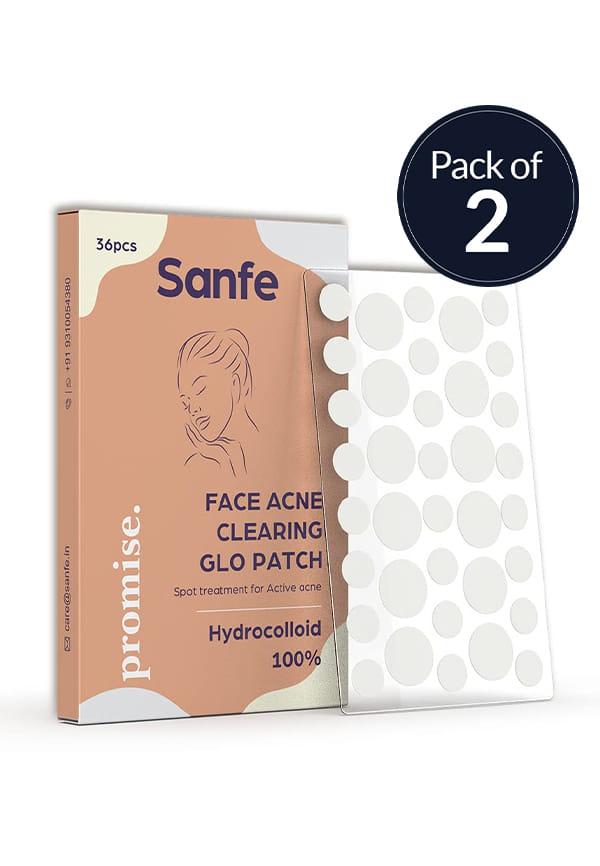
Promise Face Acne Pimple Patch | Pimple Healing & Spot Clearing Patch
Your hands carry bacteria, and touching your face transfers this to your pores. Picking at pimples pushes bacteria deeper, often making them worse and increasing scarring risk. If you must extract a pimple, use clean tools and proper technique, or better yet, see a professional.
Skincare isn't a quick fix—it requires consistency. Using products sporadically won't give you results. Stick to your routine for at least 12 weeks before deciding if it's working. Your skin needs time to adjust and show improvement.
Establish a consistent skincare routine with gentle cleansing twice daily, use non-comedogenic products, maintain a healthy diet, manage stress, and avoid touching your face. Consistency is key—most men see improvements within 6-12 weeks of proper care.
High testosterone can increase oil production, which may contribute to acne, but pimples don't necessarily indicate high testosterone levels. Multiple factors including genetics, skincare habits, lifestyle, and environmental factors contribute to acne formation.
Yes, adult male acne is common and can be caused by stress, hormonal fluctuations, skincare products, diet, or genetics. It's completely treatable with proper care and sometimes professional intervention. Many men experience their worst acne in their twenties and thirties.
Most men see initial improvements in 4-6 weeks with consistent treatment, though significant results may take 3-4 months as skin cells turnover completely. Be patient and consistent—rushing the process often leads to irritation and setbacks.
Many acne-fighting ingredients work the same for all skin types, regardless of gender. However, men's skin is typically thicker and oilier, so you might need stronger concentrations or different formulations. Focus on the active ingredients rather than gendered marketing.
Preventing recurring pimples isn't about finding one miracle product—it's about understanding your skin and creating sustainable habits that support long-term clarity. Men's skin has unique needs, from managing higher oil production to dealing with shaving-related irritation, but with the right approach, clear skin is absolutely achievable.
Remember that skincare is a journey, not a destination. What works for your mate might not work for you, and that's completely normal. Start with gentle, proven ingredients, be consistent with your routine, and give your skin time to respond. Most importantly, don't let temporary setbacks discourage you—even dermatologists had to find their perfect routine through trial and error.
If you're curious about trying new products but hesitant to commit to full sizes, platforms like Smytten let you explore minis from trusted brands before making larger investments. With over 28 million users discovering products through trial sizes, it's a smart way to find what actually works for your unique skin needs. After all, your skin deserves products that truly suit it, not just whatever happens to be on offer.
