How to Prevent Fungal Acne in Humidity: A Skincare Guide

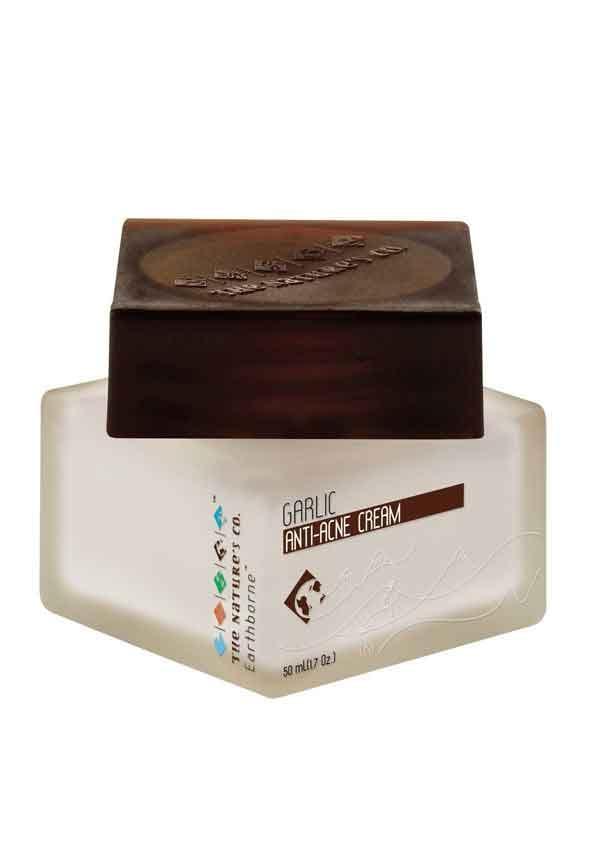
Garlic Anti-Acne Cream
That sticky, humid feeling when you step outside and immediately feel your skin becoming a breeding ground for breakouts? You're not imagining it. If you've noticed small, itchy bumps appearing on your forehead, chest, or back during monsoon season or summer holidays, you might be dealing with fungal acne rather than regular breakouts. Unlike bacterial acne, this condition thrives in warm, moist environments, making humid weather its absolute favourite playground. Understanding how to prevent fungal acne in humidity isn't just about switching products—it's about recognising what your skin actually needs when the air feels thick enough to swim through.
Real talk: most of us have been treating fungal acne like regular acne for years, wondering why our usual spot treatments aren't working. The difference lies in what's actually causing those bumps to appear on your skin.
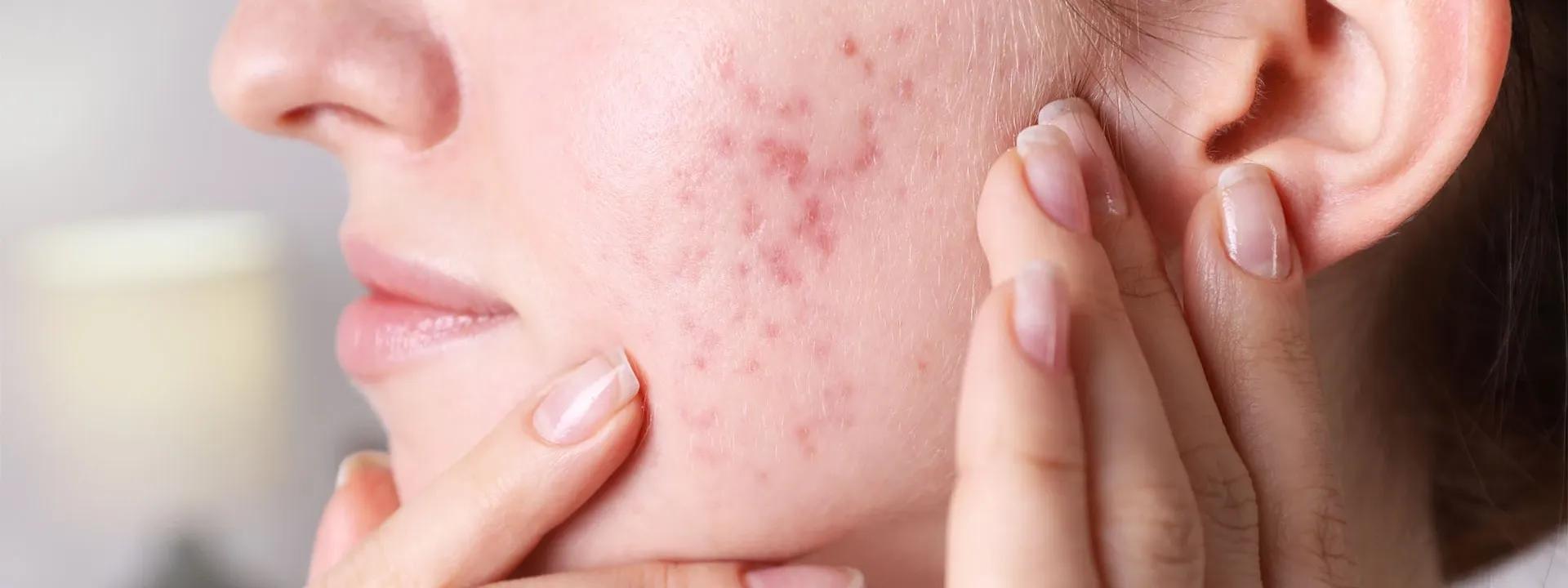
Malassezia folliculitis, commonly called fungal acne, occurs when yeast naturally present on your skin begins to overgrow within hair follicles. Unlike bacterial acne caused by Propionibacterium acnes, this condition stems from an imbalance of malassezia yeast. The bumps typically appear as small, uniform, itchy pustules that cluster together, often on your forehead, chest, shoulders, and back. They're usually the same size and don't have the varied appearance of traditional blackheads and whiteheads.
Humid conditions create the perfect storm for malassezia yeast proliferation. When moisture levels rise, your skin retains more water on its surface, whilst simultaneously producing more sebum to cope with environmental stress. This combination of excess oil and trapped moisture creates an ideal feeding ground for yeast. Additionally, clogged pores from humidity prevent proper air circulation, allowing yeast to multiply rapidly in these warm, moist pockets.
Understanding why your skin rebels during humid weather helps you tackle the problem at its source rather than just treating symptoms as they appear.
When humidity levels exceed 60%, your skin's natural moisture barrier becomes compromised. Sweat production increases as your body attempts to cool itself, but in humid conditions, sweat doesn't evaporate efficiently. Instead, it sits on your skin's surface, mixing with natural oils and creating a breeding ground for yeast overgrowth. The correlation between temperature and moisture means that even indoor environments with poor ventilation can trigger fungal acne formation.
Several factors amplify your risk of developing fungal acne during humid weather. Occlusive skincare products containing heavy oils or thick creams trap moisture against your skin. Synthetic fabrics and tight-fitting clothes prevent air circulation, whilst layering multiple skincare products can create an impermeable barrier. Even seemingly innocent habits like wearing the same gym clothes twice or sleeping in a poorly ventilated room can contribute to yeast overgrowth.
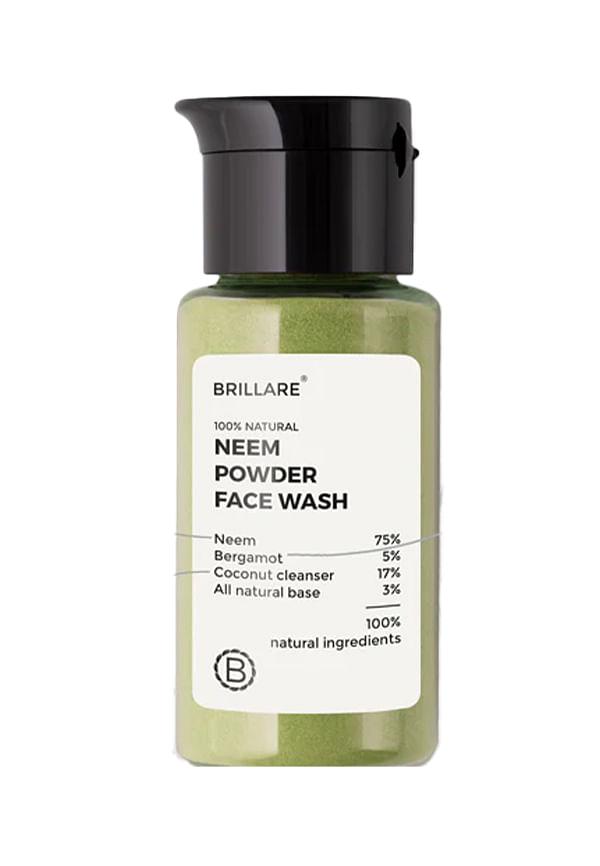
Neem Powder Face Wash For Acne-Prone Skin
Your fungal acne skincare routine needs to be fundamentally different from traditional acne treatments. The goal is creating an environment where yeast cannot thrive whilst maintaining your skin's natural protective barrier.
Start with a gentle, antifungal cleanser containing ingredients like ketoconazole or selenium sulfide. These ingredients help control yeast populations without stripping your skin. Follow with a lightweight, water-based moisturiser that won't feed malassezia yeast. Finish with a fungal acne-safe sunscreen—look for mineral formulations with zinc oxide, which has natural antifungal properties. Avoid chemical sunscreens with fatty acids that can exacerbate the condition.
Double cleansing becomes crucial in humid weather. Use an oil-free cleansing balm followed by your antifungal cleanser to remove sweat, pollution, and product buildup. Apply targeted treatments containing tea tree oil or zinc pyrithione to affected areas. These ingredients have proven antifungal properties that help restore balance to your skin's microbiome. Finish with a breathable, gel-based moisturiser that provides hydration without creating occlusion.
Incorporate gentle exfoliation using salicylic acid once or twice weekly to prevent dead skin cell buildup that can trap moisture and feed yeast. Clay masks containing bentonite or kaolin help absorb excess oil without over-drying your skin. Rotate your antifungal treatments to prevent resistance—alternate between different active ingredients throughout the week.
Not all skincare ingredients are created equal when it comes to fungal acne treatment. Some actively fight yeast overgrowth, whilst others inadvertently feed the problem.
Ketoconazole remains the gold standard for treating malassezia folliculitis, available in both over-the-counter and prescription strengths. Selenium sulfide, commonly found in dandruff shampoos, can be used on affected body areas 2-3 times weekly. Zinc pyrithione offers gentler antifungal action suitable for sensitive skin. Tea tree oil provides natural antifungal benefits, but must be diluted to 5-10% concentration to avoid irritation. These ingredients work by disrupting the yeast cell wall and preventing reproduction.
Malassezia yeast feeds on specific fatty acids and esters commonly found in skincare products. Avoid ingredients like oleic acid, linoleic acid, palmitic acid, and their derivatives. Heavy oils such as coconut oil, olive oil, and argan oil can exacerbate fungal acne. Additionally, avoid products containing galactomyces, fermented ingredients, and certain preservatives that can promote yeast growth.
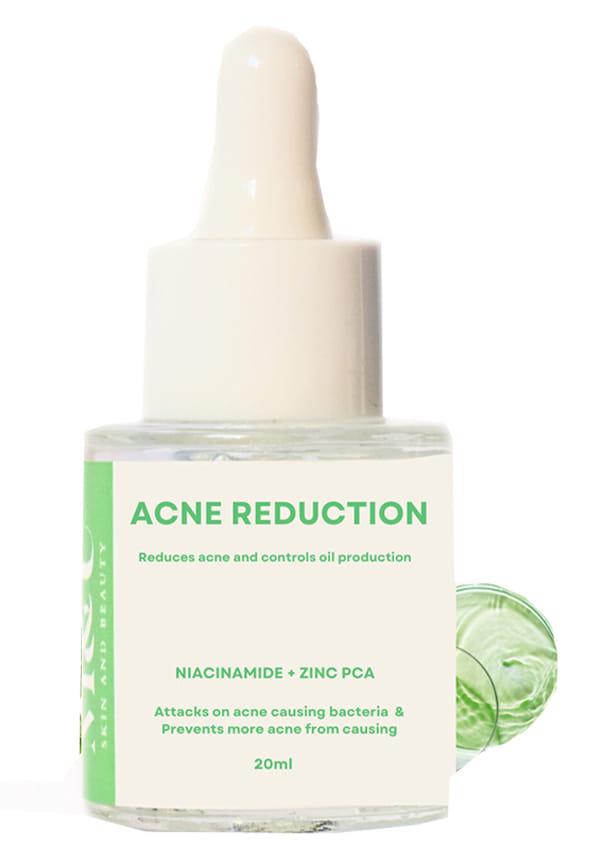
Acne Reduction Serum for Oily and Acne Prone Skin
Look for water-based formulations rather than oil-based products during humid weather. Gel textures, lightweight serums, and mineral-based makeup allow your skin to breathe whilst providing necessary hydration and coverage. Products with hyaluronic acid and glycerin offer moisture without feeding yeast, whilst niacinamide helps regulate oil production and has mild antifungal properties.
Your daily habits play a crucial role in preventing breakouts in humidity. Small adjustments to your routine can significantly impact your skin's ability to resist fungal overgrowth.
Choose natural, breathable fabrics like cotton, linen, and bamboo that allow air circulation and moisture wicking. Avoid synthetic materials like polyester and nylon that trap sweat against your skin. Loose-fitting garments prevent friction and allow better airflow, particularly important for areas prone to fungal acne like your back and chest. Change clothes immediately after sweating, and wash workout gear after each use with antifungal laundry additives.
Maintain indoor humidity levels between 40-50% using dehumidifiers or air conditioning. Ensure proper ventilation in bathrooms and bedrooms, particularly during monsoon season. Use fans to promote air circulation, and consider sleeping with a window slightly open when weather permits. These environmental controls help prevent the stagnant, moist conditions that promote yeast overgrowth.
Sweat acne prevention requires immediate action after perspiring. Shower within 30 minutes of intense sweating using lukewarm water and your antifungal cleanser. Pat skin dry with clean towels—never reuse towels that have touched sweaty skin. Keep facial wipes containing antifungal ingredients for quick cleansing when immediate showering isn't possible.
Sometimes, despite your best efforts, fungal acne requires professional intervention. Knowing when to escalate treatment can save you months of frustration and prevent scarring.
Over-the-counter antifungal shampoos containing ketoconazole or selenium sulfide can be effective for mild cases. Apply these to affected areas, leave for 5-10 minutes, then rinse thoroughly. For persistent cases, prescription-strength topical antifungals or oral medications like fluconazole may be necessary. Your dermatologist might also recommend combination treatments addressing both fungal and bacterial components if both are present.
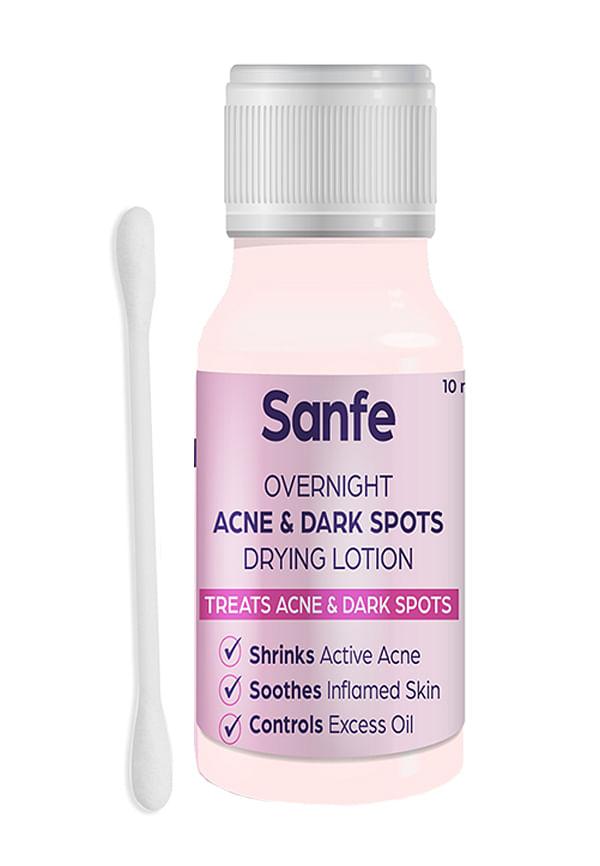
Overnight Acne & Dark Spots Drying Lotion
Good for Oily Skin & Pimples
 5
5“bahut achcha pimples ke liye main use karti hun obesity Mera skin oily hai”
Good for Oily Skin & Pimples
5“bahut achcha pimples ke liye main use karti hun obesity Mera skin oily hai”
Good for Oily Skin & Pimples
5“bahut achcha pimples ke liye main use karti hun obesity Mera skin oily hai”
Seek professional help if your symptoms persist after 6-8 weeks of consistent treatment, if you develop widespread breakouts, or if you experience significant itching or discomfort. A dermatologist can perform proper testing to differentiate between fungal acne, seborrheic dermatitis, and bacterial acne, ensuring you receive appropriate treatment. They can also rule out other conditions like folliculitis or contact dermatitis that might mimic fungal acne.
Yes, fungal acne typically worsens in humid conditions because excess moisture and increased sweat production create an ideal environment for malassezia yeast overgrowth. The combination of humidity and natural oil production provides optimal conditions for fungal proliferation, making prevention strategies crucial during humid weather.
Prevent humid weather acne by using lightweight, non-comedogenic products, maintaining proper hygiene, wearing breathable fabrics, and implementing a consistent antifungal skincare routine with appropriate cleansing and treatment products. Focus on ingredients that don't feed yeast and allow your skin to breathe.
Humidity creates favourable conditions for fungal infections by providing warm, moist environments where fungi thrive. This leads to common conditions like athlete's foot, ringworm, yeast infections, and malassezia folliculitis. Proper prevention focuses on controlling moisture and maintaining healthy skin barriers.
Natural antifungal options include diluted tea tree oil, zinc-based products, selenium sulfide shampoos, and maintaining proper skin pH balance through gentle cleansing. However, avoid heavy natural oils that can feed yeast, and always patch test new ingredients.
Regular acne treatments often don't work for fungal acne and may worsen the condition. Benzoyl peroxide and salicylic acid can help with secondary bacterial infections, but antifungal ingredients are essential for treating the root cause. Always address the fungal component first.
Understanding how to prevent fungal acne in humidity requires a complete shift in approach from traditional acne treatment. The key lies in creating an environment where yeast cannot thrive whilst maintaining your skin's natural protective functions. This means choosing the right ingredients, adjusting your routine for humid conditions, and making lifestyle changes that support healthy skin.
Remember that consistency is crucial—fungal acne often takes 6-8 weeks to show improvement, and prevention requires ongoing attention to your skincare routine and environmental factors. Pay attention to your skin's signals, especially during seasonal transitions when humidity levels fluctuate.
If you're curious about trying new antifungal skincare products but hesitant to invest in full sizes, platforms like Smytten offer an excellent way to test products before committing. With access to trial sizes from trusted brands, you can experiment with different formulations to find what works best for your skin without the financial risk. This approach is particularly valuable when dealing with fungal acne, as finding the right combination of products often requires some trial and discovery.
