How to Prevent Fine Lines: Expert Skincare Guide


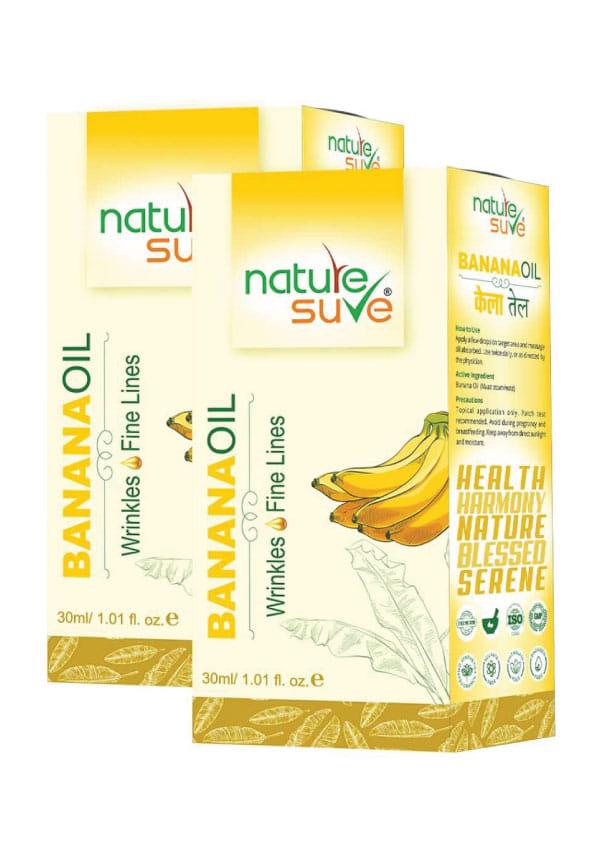
Banana Oil For Wrinkles And Fine Lines
Let's be real—nobody wants to wake up one day and notice those first fine lines creeping in. The good news? Preventing fine lines is totally doable when you know what you're doing. Think of it as an investment in your future self, and honestly, your skin will thank you for starting early. Whether you're in your twenties and want to stay ahead of the game or you're noticing the first signs of facial lines, this guide has everything you need to keep your skin looking fresh and youthful. We're talking proven strategies, expert tips, and realistic approaches that actually work—no miracle promises, just solid science-backed advice.
Before diving into prevention, it helps to understand what we're actually dealing with. Fine lines are those subtle creases that show up first around your eyes, mouth, and forehead—they're basically your skin's way of telling you it's been through some stuff.
The main culprits behind skin aging and fine line formation are pretty straightforward. Sun damage tops the list—those UV rays break down collagen and elastin, the proteins that keep your skin bouncy and smooth. Then there's the natural aging process where your skin produces less collagen over time, leading to decreased skin elasticity. Repetitive facial expressions also play a role; every time you squint, smile, or frown, you're creating temporary creases that eventually become permanent.
Here's something worth knowing: there are two types of facial lines. Dynamic lines appear when you make expressions—think crow's feet when you smile. Static lines are visible even when your face is relaxed, and these are the ones that stick around permanently.
Most people start noticing fine lines in their late twenties or early thirties, but this varies based on genetics, lifestyle, and sun exposure. The earlier you start preventing fine lines, the better your chances of maintaining youthful skin longer.
Real talk—the most effective wrinkle prevention strategies aren't fancy or expensive. They're simple daily habits that make a massive difference over time. Think of these as your non-negotiable basics for healthy skin.
Sun protection is absolutely crucial. We're talking broad-spectrum SPF 30 or higher, every single day, rain or shine. UV damage is responsible for about 80% of visible skin aging, so this one habit alone can save your skin years of damage.
Proper hydration keeps your skin plump and resilient. Aim for at least 8 glasses of water daily, and don't forget topical hydration with a good moisturiser.
Your sleep position matters more than you think. Sleeping on your back prevents pillow creases that can become permanent over time. Quality sleep also allows your skin to repair itself naturally.
Whilst you shouldn't stop smiling, being mindful of repetitive expressions like squinting can help. Invest in good sunglasses and keep your prescription up to date to avoid unnecessary squinting.
Smoking accelerates skin aging dramatically, so avoiding tobacco is crucial for wrinkle prevention. Managing stress through meditation, exercise, or whatever works for you also helps, as chronic stress breaks down collagen.

Advanced LED Light Therapy Face Mask DIY Reduces Wrinkles, Anti Aging
Now we're getting to the fun part—creating a skincare routine that actually works for preventing fine lines. The key is consistency and using the right ingredients at the right time.
Your morning routine should focus on protection and hydration. Start with a gentle cleanser, follow with vitamin C serum for antioxidant protection, then moisturiser, and finish with SPF. This combination shields your skin from daily environmental damage whilst keeping it nourished.
Nighttime is when the magic happens. After cleansing, this is when you'd use active ingredients like retinol or peptides. These work whilst you sleep to boost collagen production and accelerate cell turnover.
Retinol is the gold standard for preventing fine lines. It stimulates collagen production and speeds up cell renewal. Start slowly—maybe twice a week—and build up tolerance.
Hyaluronic acid is brilliant for hydration. It can hold up to 1000 times its weight in water, keeping your skin plump and smooth.
Peptides signal your skin to produce more collagen, helping maintain skin elasticity over time.
Always apply products from thinnest to thickest consistency. Serums first, then moisturiser, then SPF in the morning. This ensures each product can penetrate properly.
Collagen is basically the scaffolding that keeps your skin firm and smooth. After age 25, we lose about 1% of our collagen each year, so boosting production becomes increasingly important for maintaining youthful skin.
Topical ingredients like vitamin C, retinoids, and peptides can stimulate collagen synthesis. Vitamin C is particularly effective because it's essential for collagen formation and provides antioxidant protection against free radical damage.
Regular facial massage improves blood circulation, which delivers nutrients to skin cells and may support collagen production. Use gentle upward strokes and consider tools like jade rollers or gua sha stones.
Microneedling creates tiny controlled injuries that trigger your skin's healing response, boosting collagen production. LED light therapy can also stimulate cellular activity and collagen synthesis.

Pure Almond Oil Rich in Vitamin E with Anti Aging Serum, Retinol Serum for Reducing Wrinkles & Fines Lines
Regular exercise improves circulation and may support collagen production. Getting adequate protein in your diet provides the building blocks for collagen synthesis. Some people find collagen supplements helpful, though the evidence is still emerging.
What you eat and how you live has a massive impact on your skin's aging process. Think of nutrition as skincare from the inside out—it's just as important as what you put on your face.
Foods rich in antioxidants help fight free radicals that damage skin cells. Berries, leafy greens, nuts, and fatty fish are all excellent choices. Omega-3 fatty acids found in salmon, walnuts, and flaxseeds help maintain skin barrier function and reduce inflammation.
Vitamin C supports collagen production and protects against UV damage. Citrus fruits, bell peppers, and strawberries are great sources.
Vitamin E works synergistically with vitamin C to protect skin cells. Find it in nuts, seeds, and vegetable oils.
Vitamin A (from foods like sweet potatoes and carrots) supports cell turnover and skin repair.
Aim for at least 2 litres of water daily, more if you're active or in hot weather. Herbal teas and water-rich foods like cucumber and watermelon also contribute to hydration.
Regular exercise improves circulation, delivering nutrients to skin cells and helping remove waste products. Quality sleep is when your skin repairs itself, so aim for 7-9 hours nightly.
Sometimes prevention needs a little professional boost. There are several treatments that can help prevent fine lines from forming or worsening, and knowing when to consider them can be really helpful.
Chemical peels remove damaged surface layers, revealing fresh skin underneath and stimulating collagen production. Light peels can be done regularly as part of a preventive routine.
Fractional lasers create controlled micro-injuries that trigger collagen production. These treatments can help maintain skin elasticity and prevent fine lines from deepening.
Botox can prevent dynamic lines from becoming permanent by relaxing the muscles that cause them. Many people start these treatments in their twenties or thirties as prevention.
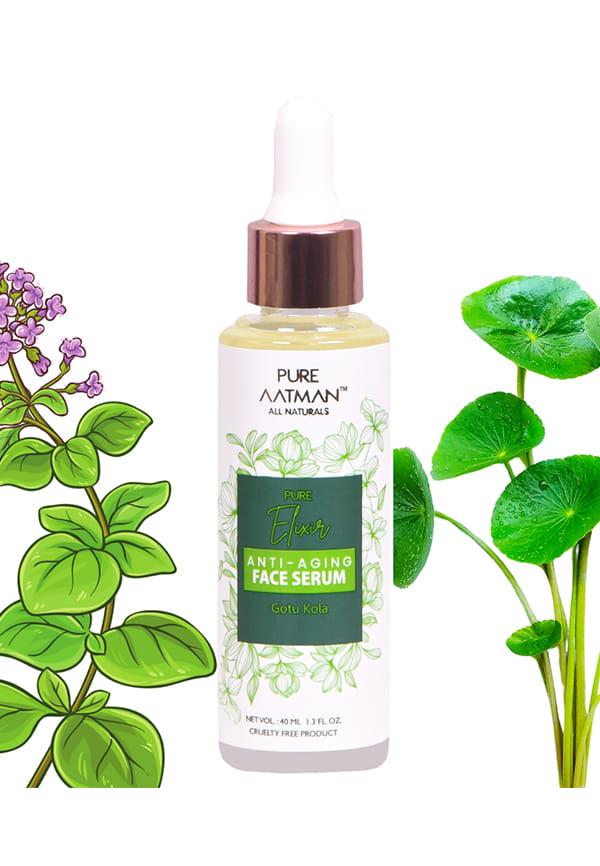
Gotu Kola Anti-Aging face serum for glowing skin |Wrinkles & Fine Lines
If you're noticing the first signs of fine lines despite good skincare habits, or if you want to be extra proactive about prevention, professional treatments can be worth considering. The key is finding a qualified practitioner who understands preventive care.
When exploring different anti-aging skincare products and fine line treatments, Smytten offers an excellent way to discover what works for your skin. With curated trial packs from trusted brands like Cetaphil and Dot & Key, you can test various collagen boosting serums and wrinkle prevention products before committing to full sizes. This approach lets you build an effective skincare routine without the guesswork or expensive mistakes.
Focus on sun protection, proper hydration, a consistent skincare routine with proven ingredients like retinol and vitamin C, and healthy lifestyle habits including good nutrition and adequate sleep.
Whilst you can't stop aging completely, consistent prevention strategies can significantly delay and minimise fine line formation. The key is starting early and maintaining good habits.
Start with daily SPF, establish a basic skincare routine with gentle actives like vitamin C, stay hydrated, and avoid smoking. Prevention is much easier than treatment.
Sun protection is the most effective prevention method, followed by retinoids for collagen stimulation and proper hydration. Consistency matters more than expensive products.
Prevention is a long-term game. You might notice improved skin texture within 4-6 weeks, but the real benefits of preventing fine lines become apparent over months and years.
Not necessarily. Effective ingredients like retinol, vitamin C, and hyaluronic acid are available at various price points. Focus on proven ingredients rather than fancy packaging.
Preventing fine lines is absolutely achievable with the right approach and consistency. The most effective strategies combine daily sun protection, a well-designed skincare routine with proven anti-aging ingredients, and healthy lifestyle choices that support skin elasticity and collagen production.
Remember, preventing fine lines is much easier than treating them once they've formed. Start with the basics—SPF, hydration, and gentle actives—then build from there based on your skin's needs. Whether you're exploring new products through trial sizes or investing in professional treatments, the key is finding what works for your unique skin and sticking with it. Your future self will definitely thank you for the effort you put in today.
