How to Prevent Dark Underarms Naturally

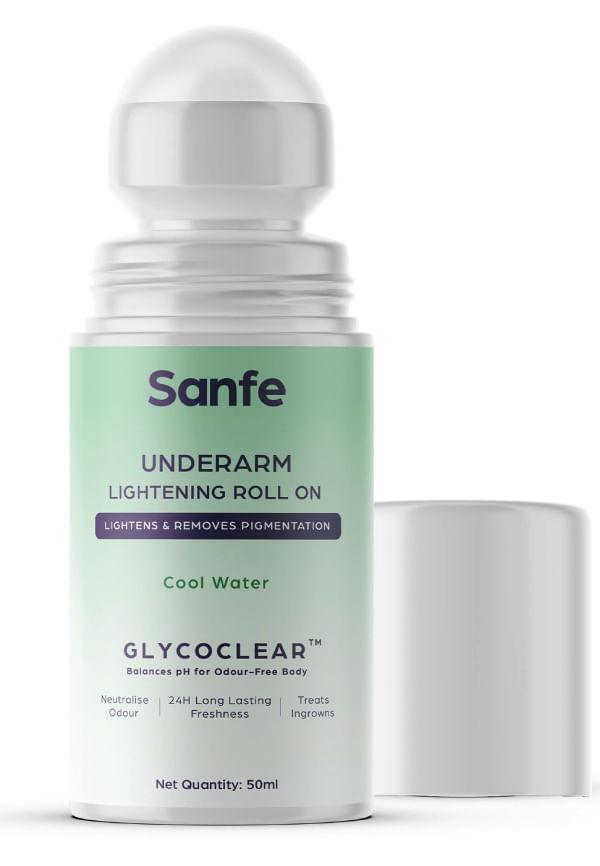
Underarm Lightening Roll On
Good Smell
 5
5“I love the product.its smell good”
Good Smell
5“I love the product.its smell good”
Good Smell
5“I love the product.its smell good”
Dark underarms can feel like that one skincare concern that just won't budge, no matter what you try. Whether it's from years of shaving, switching between different deodorants, or just genetics being a bit unfair, those darker patches can make you think twice about sleeveless tops. But here's the thing—preventing dark underarms naturally isn't about expensive treatments or harsh chemicals. It's about understanding what your skin actually needs and giving it some proper TLC. Let's dive into the real reasons behind underarm darkening and explore some genuinely effective ways to keep your armpits looking and feeling their best.
Before jumping into solutions, it's worth knowing what's actually happening under there. Dark underarms aren't usually a sign of poor hygiene—they're typically the result of a few common culprits that most of us deal with daily.
Friction tops the list as one of the biggest troublemakers. Think about it—your underarms deal with constant rubbing from tight clothing, bag straps, and just regular arm movement throughout the day. This friction can cause the skin to thicken and darken over time, kind of like how your elbows might get darker from leaning on desks. Improper shaving techniques and frequent hair removal also play a huge role. Dry shaving, using dull razors, or shaving too often can irritate the delicate underarm skin. The constant trauma from aggressive hair removal methods can trigger your skin's defence mechanism, leading to increased pigmentation. Deodorant and antiperspirant buildup is another sneaky cause. Many products contain ingredients that can accumulate on your skin over time, especially if you're not cleansing thoroughly. This buildup can clog pores and create a breeding ground for bacteria, leading to darkening and sometimes even body odor issues.
Natural prevention methods focus on addressing the root causes rather than just masking symptoms. They're gentler on your skin, less likely to cause irritation, and often more cost-effective in the long run. Plus, when you're working with your skin's natural processes rather than against them, you're more likely to see lasting results that actually stick around.
Your choice of underarm products can make or break your prevention game. Not all deodorants and antiperspirants are created equal, and some might actually be contributing to the problem you're trying to solve.
Aluminium compounds, commonly found in antiperspirants, can build up on your skin over time. While they're effective at blocking sweat, this buildup can contribute to darkening and sometimes cause skin irritation. If you notice white or yellow stains on your clothes, that's often aluminium doing its thing. Harsh fragrances and alcohol can be particularly irritating to the sensitive underarm area. These ingredients can cause inflammation, which might trigger your skin to produce more pigment as a protective response. Parabens and sulfates are also worth avoiding, as they can disrupt your skin's natural barrier function.
Baking soda-based formulations can be brilliant for odour control, though they might be too strong for sensitive skin. If you find baking soda irritating, look for formulas with arrowroot powder or cornstarch instead. Essential oil combinations like tea tree, lavender, or eucalyptus offer natural antibacterial properties. Zinc oxide options provide gentle protection without harsh chemicals, whilst crystal deodorant stones work by creating an invisible barrier that prevents bacteria growth.
Switching from antiperspirant to natural deodorant isn't always smooth sailing. Your body might need a few weeks to adjust, and you might experience increased sweating initially. Start by using natural deodorant on weekends or days when you're staying home, gradually increasing usage as your skin adapts.
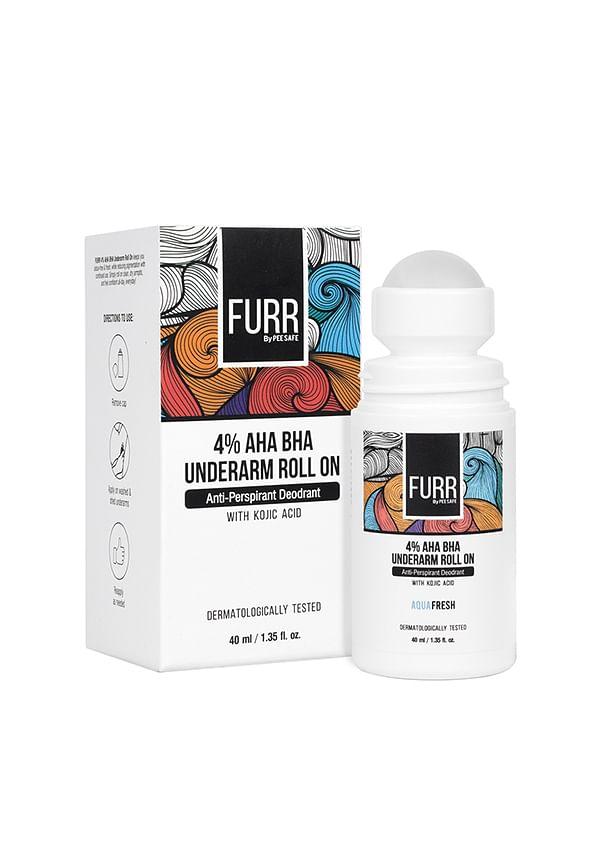
4% AHA BHA Underarm Roll On With Kojic Acid - Aqua
Good product with Kojic Acid
5“good product must buy it has its kojic acid formula”
Very nice product
5“very nice product and good to use”
Good for daily use
4“good product for daily use must try”
How you remove hair from your underarms can significantly impact whether you develop darkening or not. The key is being gentle whilst still getting effective results.
Pre-shave preparation is absolutely crucial. Always shower or wash your underarms with warm water first to soften the hair and open up the pores. Use a gentle exfoliating scrub to remove dead skin cells and lift any ingrown hairs. Choose a sharp, clean razor and always use shaving cream or gel—never shave dry. Shave in the direction of hair growth first, then gently against it if needed for a closer shave. Rinse your razor frequently during the process to prevent clogging. Post-shave care is just as important as the shave itself. Rinse with cool water to close the pores, pat dry gently, and apply a soothing, alcohol-free moisturiser. Wait at least 10-15 minutes before applying deodorant to avoid irritation.
Waxing can be gentler on your skin in the long run since you're not dragging a blade across sensitive areas regularly. However, it can be more painful initially and might cause temporary redness or irritation. Laser hair removal offers a more permanent solution and can actually help reduce darkening over time by eliminating the need for frequent hair removal. Epilators fall somewhere between shaving and waxing in terms of skin impact.
If you do experience irritation after hair removal, apply a cool compress or aloe vera gel to soothe the skin. Avoid tight clothing for a few hours after hair removal, and definitely skip the deodorant until any redness subsides. If you frequently get underarm rash, consider spacing out your hair removal sessions or switching methods entirely.
Your underarms deserve the same skincare attention as the rest of your body. A simple but consistent routine can work wonders for preventing darkening and keeping the area healthy.
Gentle cleansing should happen daily, especially if you use deodorant or antiperspirant. Use a mild, fragrance-free body wash and really work up a lather to remove product buildup. Don't scrub aggressively—let the cleanser do the work. Exfoliation 2-3 times per week can help prevent dead skin cell buildup that contributes to darkening. Use a gentle body scrub or make your own with sugar and honey. Always exfoliate before hair removal for the best results.
Lemon juice contains natural acids that can help brighten skin over time, though it can be irritating for some people. If you try this, always dilute it with water and never apply before sun exposure. Turmeric and honey combinations have been used for centuries to brighten skin naturally. Mix a pinch of turmeric with honey to create a paste, apply for 10-15 minutes, then rinse thoroughly. Be warned—turmeric can temporarily stain your skin yellow. Aloe vera and cucumber treatments are incredibly soothing and can help with both darkening and irritation. Fresh aloe vera gel applied daily can help calm inflammation and promote healing.
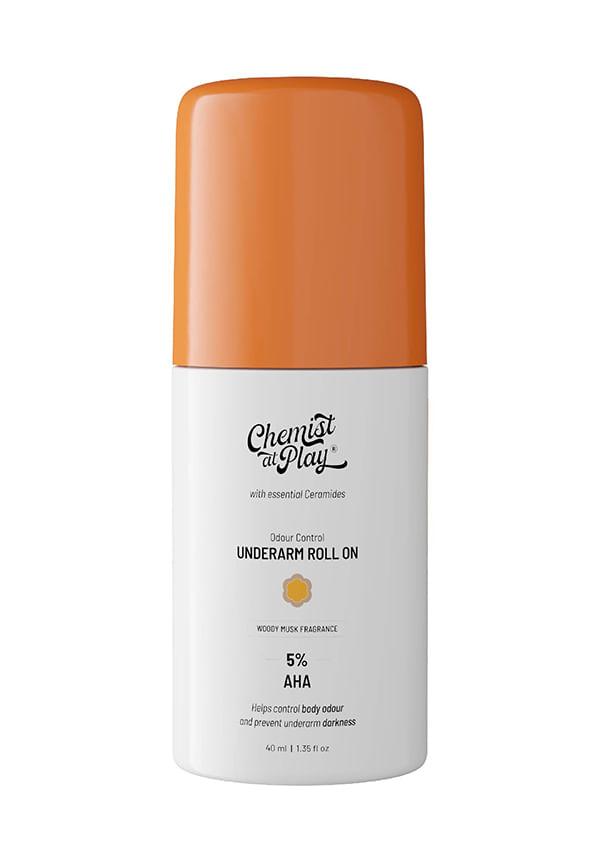
UnderArm Roll-On with 5% Lactic Acid & 1% Mandelic Acid | Woody Musk
Nice Product, Love It
5“nice product I love it thanks smitten”
Nice Product, Love It
5“nice product I love it thanks smitten”
Nice Product, Love It
5“nice product I love it thanks smitten”
Choose lightweight, non-comedogenic moisturisers that won't clog pores or interfere with your deodorant. Look for ingredients like hyaluronic acid or glycerin that hydrate without feeling heavy. If you spend time in sleeveless tops outdoors, don't forget sun protection for your underarms. UV exposure can worsen existing darkening and cause new pigmentation issues.
Sometimes the solution isn't just about what you put on your skin—it's about the bigger picture of how you treat your body.
Fabric selection makes a huge difference. Natural, breathable fabrics like cotton allow air circulation and reduce friction. Synthetic materials can trap moisture and create the perfect environment for bacteria growth, potentially leading to body odor and skin irritation. Proper fit is crucial—clothes that are too tight create constant friction against your underarms. This doesn't mean you need to wear baggy clothes, just ensure there's enough room for comfortable movement without rubbing.
What you eat can affect how you smell and how your skin behaves. Foods high in sulfur (like garlic and onions) can contribute to stronger body odor, whilst foods rich in antioxidants can support overall skin health. Staying properly hydrated helps your body regulate temperature more effectively, potentially reducing excessive sweating. Aim for at least 8 glasses of water daily, more if you're active or live in a hot climate.
Stress can trigger hormonal changes that affect everything from sweating patterns to skin pigmentation. Regular exercise, adequate sleep, and stress management techniques can all contribute to healthier underarm skin. Hormonal fluctuations during pregnancy, menstruation, or menopause can also affect underarm darkening. If you notice sudden changes, it's worth discussing with a healthcare provider.
Whilst most underarm darkening is harmless and responds well to natural prevention methods, there are times when professional help is needed.
Sudden, dramatic changes in pigmentation could indicate an underlying health condition like diabetes or insulin resistance. If the darkening appears quickly or is accompanied by other symptoms, don't hesitate to seek medical advice. Persistent rash, itching, or signs of infection (like pus, unusual odor, or fever) need professional evaluation. Sometimes what looks like simple darkening might actually be a fungal infection or other condition that requires specific treatment.
Dermatologists can offer treatments like chemical peels, laser therapy, or prescription lightening creams for stubborn cases. However, these work best when combined with good prevention habits—there's no point in getting professional treatment if you're going to continue the habits that caused the problem in the first place. When you're exploring different skincare products and treatments, platforms like Smytten can be incredibly helpful. As India's largest product discovery platform, Smytten lets you try mini versions of over 1,500 trusted skincare brands before committing to full-size purchases. This is particularly useful when you're testing new deodorants or skincare products for sensitive underarm areas—you can discover what works for your skin without the risk of buying full-size products that might not suit you.
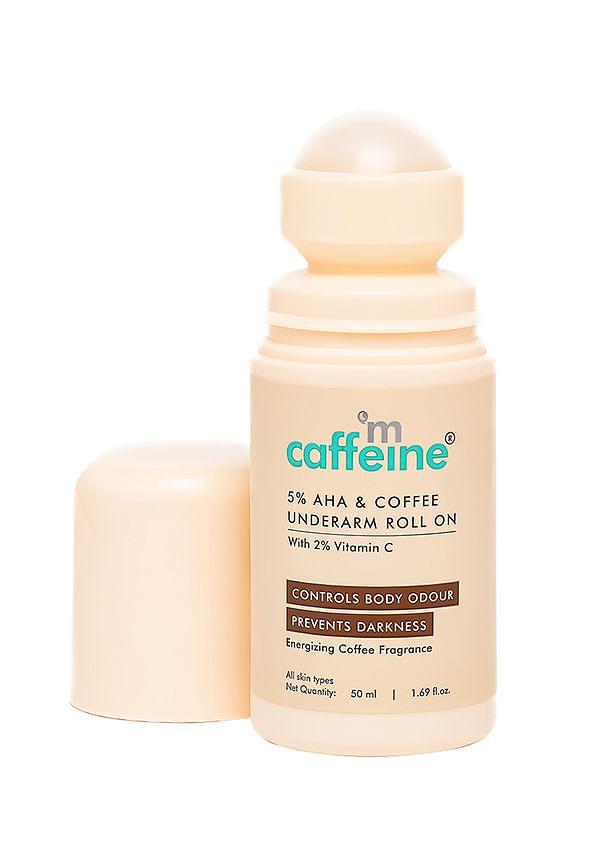
5% Aha Underarm Roll On|Lactic Acid & Fresh Coffee Deodarant
Smell is So Nice
5“Smelllll s9oooooooooooooooooooo nice”
Smell is So Nice
5“Smelllll s9oooooooooooooooooooo nice”
Smell is So Nice
5“Smelllll s9oooooooooooooooooooo nice”
Most people start noticing improvements within 4-6 weeks of consistent natural prevention methods. However, existing darkening might take 2-3 months to significantly lighten, depending on how long it's been developing.
Whilst you can't control factors like genetics or hormones, you can definitely minimise your risk through proper skincare, gentle hair removal, and smart product choices. Prevention is always easier than treatment.
Natural doesn't always mean risk-free. Ingredients like lemon juice can cause photosensitivity, and some people are allergic to common natural ingredients. Always patch test new treatments on a small area first.
Prevention focuses on maintaining healthy skin and avoiding triggers, whilst treatment aims to lighten existing pigmentation. Prevention methods are generally gentler and more sustainable long-term.
Try switching to a different formula for 2-3 weeks and see if you notice any improvement. If the darkening stops progressing or starts to fade, your deodorant was likely contributing to the issue.
Absolutely! Underarm skin behaves similarly regardless of gender, though men might need to adjust techniques if they have coarser hair or different sweating patterns.
Preventing dark underarms naturally is totally doable with the right approach and a bit of patience. It's about understanding what your skin needs and being consistent with gentle, effective methods. Remember, your underarms are dealing with a lot—constant friction, hair removal, product application, and temperature changes. Being kind to this hardworking area of your body will pay off in the long run. The key is finding what works for your specific skin type and lifestyle. What works brilliantly for your friend might not be your cup of tea, and that's perfectly normal. With Smytten's trial-sized products, you can experiment with different deodorants, cleansers, and treatments without committing to full-size purchases. After all, why settle for 'maybe' when you can try it all and find what truly works for your skin?
