Skincare
•07 min read

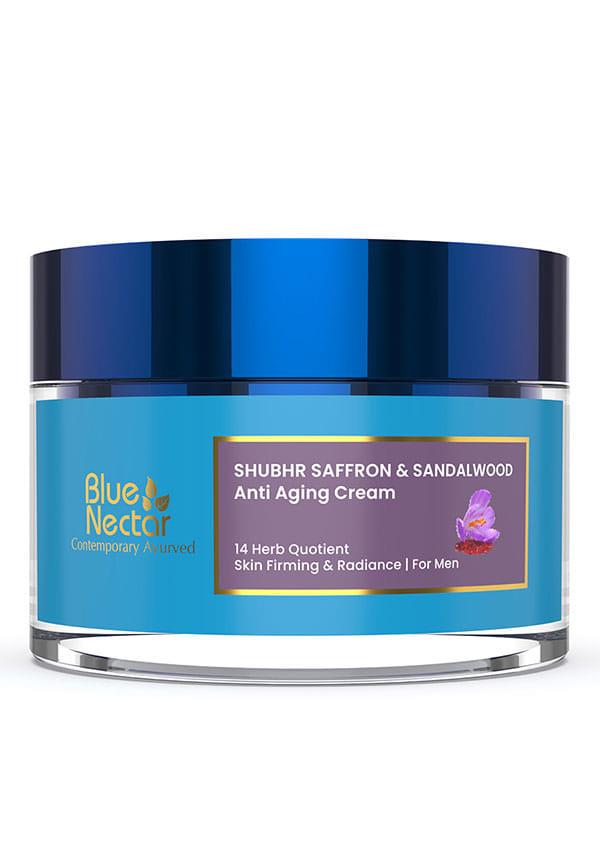
Anti Aging Day and Night Brightening Face Cream for Wrinkles with Pure Saffron Sandalwood. No Parabens, Mineral Oil Men, 14 Herbs
Let's be real—nobody wants to wake up one day and realise their skin has aged faster than they expected. The good news? You don't have to wait for fine lines to appear before taking action. Starting anti-aging tips for young skin in your twenties is like investing in a savings account for your face. Every gentle cleanser, every drop of sunscreen, and every night of proper sleep is working behind the scenes to keep your skin looking fresh for decades. Think of it as future-proofing your glow—because prevention is always easier (and cheaper) than correction.
Your skin starts its aging process much earlier than you might think. Around age 25, collagen production begins to slow down by about 1% each year. That might sound tiny, but it adds up faster than you'd expect. Early aging prevention isn't about being paranoid—it's about being smart.
The science is pretty clear: prevention beats correction every single time. When you start anti-aging skincare early, you're essentially slowing down the aging timeline rather than trying to reverse damage that's already happened. It's like maintaining a car versus waiting for it to break down completely.
At the cellular level, your skin is constantly renewing itself. In your twenties, this process happens roughly every 28 days. But as you age, cell turnover slows down, leading to dullness, uneven texture, and those first fine lines. By supporting your skin's natural processes early on, you're giving it the tools it needs to stay resilient.
Building a solid skincare routine doesn't have to be complicated or expensive. The key is consistency and choosing products that actually work for your skin type. Skincare for young adults should focus on protection, hydration, and gentle renewal.
Your morning routine should be all about protection. Start with a gentle cleanser that won't strip your skin's natural barrier. Follow up with a vitamin C serum for antioxidant protection, then moisturiser, and always finish with broad-spectrum SPF.
Evening routines are where the magic happens. This is when your skin repairs itself, so you want to support that process. Cleanse thoroughly to remove the day's buildup, apply any active ingredients like retinoids, and seal everything in with a nourishing moisturiser.
Retinoids are the gold standard for wrinkle prevention, but start slowly. Begin with a low-concentration retinol once or twice a week and gradually increase frequency as your skin adjusts. Your future self will thank you for this patience.
Vitamin C is your daytime hero. It fights free radical damage from pollution and UV exposure whilst brightening your complexion. Look for stable forms like magnesium ascorbyl phosphate if you have sensitive skin.
Hyaluronic acid is like a drink of water for your skin. It can hold up to 1,000 times its weight in water, making it perfect for maintaining that plump, youthful appearance. Use it on damp skin for maximum effectiveness.
If you take away just one thing from this guide, let it be this: sun protection skincare is non-negotiable. UV damage is responsible for up to 80% of visible aging signs, including fine lines, dark spots, and loss of elasticity.
UVA rays penetrate deep into the skin and break down collagen and elastin—the proteins that keep your skin firm and bouncy. UVB rays cause surface damage and sunburn. Both contribute to premature aging, which is why you need broad-spectrum protection.
The tricky thing about sun damage is that it's cumulative. Every unprotected moment adds up, even if you don't see the effects immediately. That quick walk to the shops or sitting by a window can contribute to photoaging over time.
Choose an SPF of at least 30, but honestly, SPF 50 is your best bet for daily wear. Apply about a quarter teaspoon to your face and neck—most people use way less than they should, which dramatically reduces protection.
Reapplication is crucial, especially if you're outdoors. Every two hours is the rule, but if you're sweating or swimming, reapply more frequently. Keep a powder SPF or setting spray handy for touch-ups over makeup.
Don't forget accessories like wide-brimmed hats and UV-protective sunglasses. Your delicate eye area will appreciate the extra coverage, and you'll avoid squinting, which can lead to expression lines.
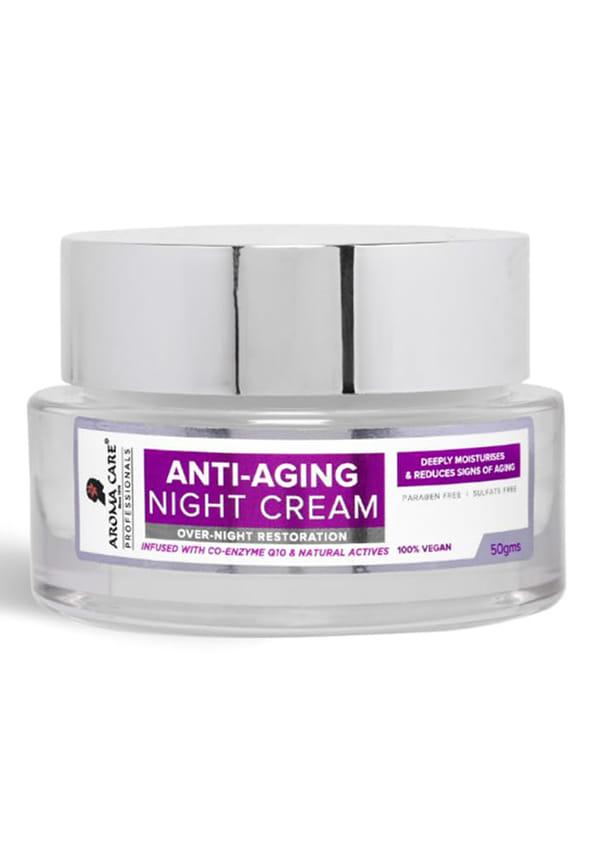
Pro Anti-Aging Night Cream
Great skin isn't just about what you put on it—it's about how you treat your body overall. Healthy skin habits extend far beyond your bathroom cabinet and into your daily choices.
Collagen boosting foods can support your skin from the inside out. Think vitamin C-rich berries, leafy greens packed with antioxidants, and omega-3 fatty acids from fish or flax seeds. These nutrients help your body produce collagen naturally.
Antioxidant-rich foods fight the free radicals that accelerate aging. Blueberries, dark chocolate, green tea, and colourful vegetables should be regular players in your diet. They're like internal sunscreen, protecting your cells from damage.
Hydration is absolutely crucial for maintaining skin elasticity. Aim for at least eight glasses of water daily, and consider foods with high water content like cucumber, watermelon, and oranges.
Poor sleep doesn't just make you look tired—it actually accelerates aging. During deep sleep, your body produces growth hormone, which helps repair and regenerate skin cells. Aim for 7-9 hours of quality sleep each night.
Chronic stress releases cortisol, which breaks down collagen and can trigger inflammation. Find healthy ways to manage stress, whether that's through exercise, meditation, or simply taking time for activities you enjoy.
Your sleep environment matters too. Silk or satin pillowcases reduce friction on your skin and hair, whilst sleeping on your back can prevent sleep lines from becoming permanent wrinkles.
Once you've mastered the basics, there are additional techniques that can help reduce fine lines before they become deeply etched into your skin.
Gentle facial massage improves circulation and can help maintain muscle tone. Use upward and outward motions when applying skincare products, and consider investing in a jade roller or gua sha tool for lymphatic drainage.
Facial exercises might sound silly, but they can help maintain muscle tone in your face and neck. Simple movements like raising your eyebrows, making exaggerated vowel sounds, and gentle neck stretches can all contribute to maintaining firmness.
Regular dermatologist visits can catch potential issues early and provide professional guidance tailored to your specific skin needs. Even if you don't have obvious concerns, an annual skin check is valuable for prevention.
Professional treatments like gentle chemical peels or microneedling can boost your at-home routine, but they're not essential for everyone. Focus on mastering your daily routine first before considering professional interventions.
Over-exfoliation is one of the biggest mistakes young people make with anti-aging skincare. Your skin barrier is precious—damage it with too much scrubbing or too many acids, and you'll actually accelerate aging rather than prevent it.
Inconsistency is another routine killer. It's better to use a simple routine consistently than to have an elaborate one you only follow sporadically. Your skin thrives on predictability.
Don't forget your neck and hands—they age just as quickly as your face but often get neglected. Extend your skincare routine to these areas, especially sunscreen and moisturiser.
Product mixing can sometimes cause irritation or reduce effectiveness. When trying new products, introduce them one at a time so you can identify what works and what doesn't.
Your skin is unique, and your routine should reflect that. Youthful skin tips aren't one-size-fits-all, so understanding your skin type is crucial for success.
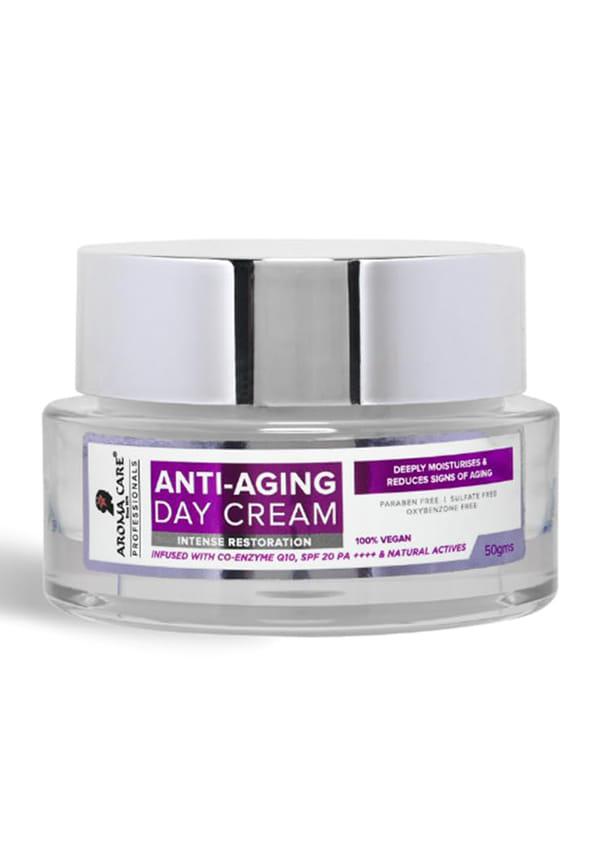
Pro Anti-Aging Day Cream
Oily skin benefits from lightweight, non-comedogenic products. Look for gel-based moisturisers and oil-free sunscreens. You can still use anti-aging ingredients—just choose formulations that won't clog your pores.
Dry skin needs extra hydration and barrier repair. Layer hydrating serums under richer moisturisers, and be extra gentle with exfoliation. Your skin barrier is likely already compromised, so focus on strengthening it.
Sensitive skin requires a minimalist approach. Stick to fragrance-free, hypoallergenic products, and introduce new ingredients very slowly. Sometimes less really is more.
You don't need to break the bank for effective anti-aging tips for young skin. Sunscreen and a good moisturiser are your non-negotiables—invest in these if you're choosing where to splurge.
Many drugstore brands offer excellent retinoids, vitamin C serums, and cleansers. The key is looking for products with proven ingredients rather than fancy packaging or marketing claims.
This is where platforms like Smytten become incredibly valuable. With over 1,500 trusted brands including Cetaphil, Dot & Key, and Bella Vita, you can try mini versions of products before committing to full sizes. Getting up to 8 minis for just ₹249 means you can experiment with different anti-aging ingredients without the financial risk of buying full-size products that might not work for your skin.
Most dermatologists recommend starting basic prevention in your early twenties. Focus on sunscreen, moisturiser, and gentle actives like vitamin C. You can introduce retinoids in your mid-twenties if your skin tolerates them well.
Whilst you can't completely reverse aging, early intervention can significantly slow the process and improve existing damage. Consistent use of proven ingredients like retinoids and vitamin C can help minimise fine lines and improve skin texture.
Daily broad-spectrum SPF 30+ sunscreen is absolutely the most effective anti-aging step. It prevents up to 80% of visible aging signs and costs a fraction of what you'd spend trying to reverse sun damage later.
Most people notice improvements in skin texture and hydration within 4-6 weeks of consistent use. Fine line reduction typically takes 3-6 months, whilst more significant changes may take 6-12 months of dedicated routine following.
Not necessarily. Many effective anti-aging ingredients are available in affordable formulations. Focus on proven ingredients like retinoids, vitamin C, and hyaluronic acid rather than price point or fancy marketing claims.
Starting your anti-aging journey early isn't about being vain—it's about being smart with your skin investment. The anti-aging tips for young skin we've covered here are all about working with your skin's natural processes rather than against them.
Remember, consistency beats perfection every time. A simple routine that you actually follow will always trump an elaborate one that sits unused on your shelf. Start with the basics—cleanser, moisturiser, and sunscreen—then gradually add proven ingredients like vitamin C and retinoids as your skin adjusts.
The beauty of starting early is that you have time to experiment and find what works for your unique skin. Smytten's trial platform makes this exploration both affordable and risk-free, with 100% cashback on trial minis that you can redeem for future purchases. With over 25 million users discovering their perfect products through trials, you're in good company when you choose to try before you buy.
Your future self will thank you for every day you choose prevention over procrastination. After all, why settle for 'maybe this will work' when you can try it all and find exactly what your skin loves?
