How to Prevent Acne From Sweat: Your Workout Skincare Guide


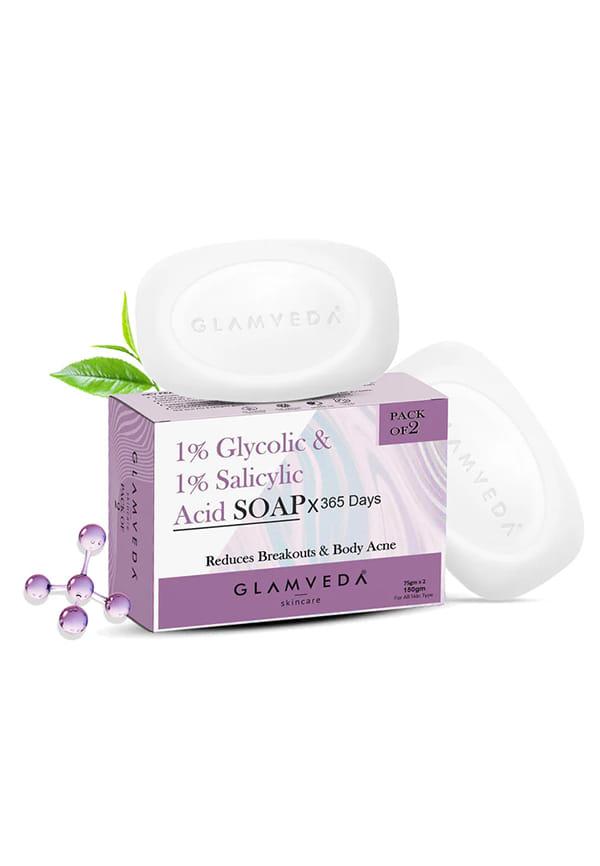
1% Glycolic Acid & 1% ww Salicylic Acid Body Acne Soap
Great Value!
 5
5“good must buy suitable budget friendly”
That post-gym glow is real—until you notice those pesky bumps forming along your hairline and jawline. If you've ever wondered why your skin seems to rebel after a good sweat session, you're not alone. Exercise-induced breakouts affect nearly 60% of regular gym-goers, turning what should be a healthy habit into a skincare nightmare. The good news? Understanding how to prevent acne from sweat doesn't mean choosing between clear skin and your fitness goals. With the right approach, you can maintain both your workout routine and that coveted clear complexion. Whether you're dealing with stubborn forehead bumps after cardio or chest breakouts from your favourite HIIT class, this guide will walk you through science-backed strategies to keep your skin happy before, during, and after exercise. From pre-workout prep to post-sweat recovery, we'll cover everything you need to know about managing sweat-induced breakouts. Plus, with platforms like Smytten offering trial-sized skincare products, you can experiment with different solutions without committing to full-size purchases—perfect for finding what works for your active lifestyle.
Sweat mixed with bacteria and sebum creates the perfect storm for acne formation, especially in areas where workout gear creates friction
Pre-workout skin prep with gentle cleansing and lightweight, non-comedogenic products sets the foundation for clear skin
Immediate post-workout cleansing within 30 minutes is crucial to prevent bacteria buildup and subsequent breakouts
Proper sweat management during exercise—patting instead of wiping and using clean towels—minimises skin irritation
Consistent skincare routine combined with smart workout habits can prevent most sweat-induced acne without sacrificing fitness goals
Real talk—sweat itself isn't the villain in your skincare story. The trouble starts when sweat mingles with the natural oils (sebum) on your skin and creates a breeding ground for acne-causing bacteria like Propionibacterium acnes. This cocktail of sweat, oil, and bacteria gets trapped in your pores, leading to those frustrating post-workout breakouts.
During exercise, your body temperature rises and sweat glands work overtime to cool you down. This process increases sebum production, particularly in areas rich with oil glands like your face, chest, and back. When sweat evaporates, it leaves behind salt and other minerals that can irritate your skin and clog pores. The friction from workout clothes and equipment compounds this issue, creating micro-tears in the skin that allow bacteria to penetrate deeper.
Sweat-induced breakouts have their favourite spots. Your forehead and hairline are prime targets because sweat from your scalp carries hair products and natural oils down onto your face. The jawline and neck area suffer from trapped sweat under chin straps or high-necked workout gear. Your back and chest—areas covered by sports bras and tight-fitting tops—create the perfect storm of friction, heat, and moisture retention.
Not all post-workout skin issues are acne. Heat rash appears as small, red bumps that feel prickly and typically resolve within hours of cooling down. Sweat pimples, on the other hand, are deeper, more inflamed, and take days to weeks to heal. Understanding this difference helps you choose the right treatment approach and prevents unnecessary harsh treatments on sensitive, heat-irritated skin.
Prevention starts before you even lace up your trainers. A proper pre-workout skincare routine creates a protective barrier that helps your skin handle the sweat session ahead. Think of it as priming your skin for the challenge—just like you'd warm up your muscles.
Start with a gentle cleanser to remove any overnight buildup of oils and dead skin cells. This creates a clean slate that prevents additional debris from mixing with sweat. Follow with a lightweight, non-comedogenic moisturiser—yes, even if you have oily skin. Dehydrated skin actually produces more oil to compensate, making breakouts worse. If you're exercising outdoors, apply a sweat-resistant SPF 30 or higher to protect against UV damage.
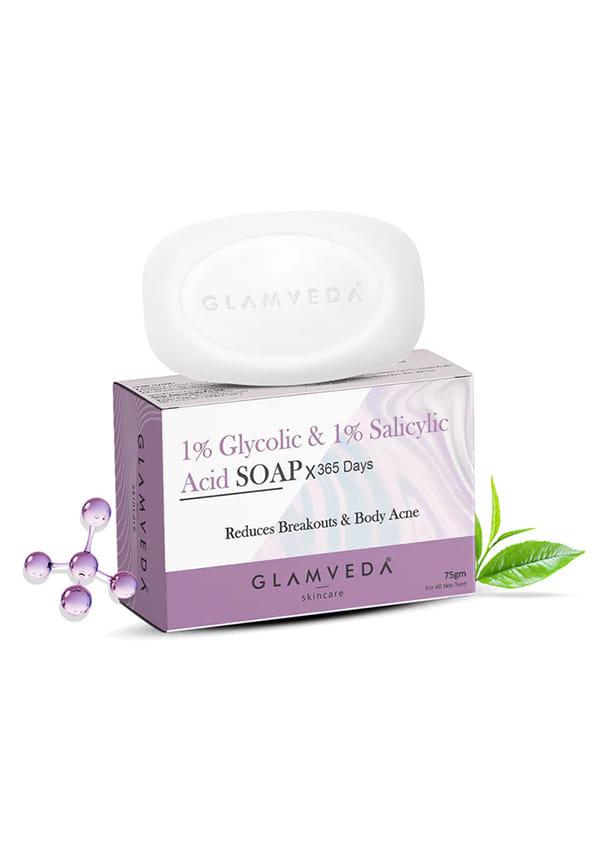
1% ww Glycolic Acid & 1% ww Salicylic Acid Body Acne Soap
Effective Acne Treatment
4“can be used for back Acne good product”
Positive Product Review
5“great product love it recommended”
Your clothing choices can make or break your skin's post-workout condition. Opt for moisture-wicking fabrics like polyester blends or merino wool that pull sweat away from your skin. Avoid cotton, which holds moisture against your body. Ensure your workout clothes fit properly—too tight creates friction, whilst too loose allows fabric to rub against your skin during movement.
Secure your hair away from your face and neck to prevent hair products and natural oils from transferring to your skin during exercise. If you must wear makeup, choose non-comedogenic, sweat-resistant formulas and keep it minimal. Better yet, embrace the makeup-free workout—your skin will thank you for the breathing room.
How you handle sweat during your workout can significantly impact your skin's post-exercise condition. The key is managing moisture without disrupting your skin's natural protective barrier or introducing new bacteria to the mix.
When sweat starts dripping, resist the urge to wipe it away with your hands or shirt. Instead, gently pat your skin with a clean towel, working from the centre of your face outward. This technique removes excess moisture without pushing sweat and bacteria deeper into your pores. Bring multiple clean towels for longer workout sessions, as reusing a sweaty towel just redistributes bacteria across your skin.
Proper hydration affects your skin's ability to handle sweat. When you're dehydrated, your sweat becomes more concentrated with salts and minerals that can irritate your skin. Drink water before, during, and after exercise to maintain optimal hydration levels. This helps your body produce cleaner sweat that's less likely to cause skin irritation.
The 30 minutes immediately following your workout are crucial for preventing sweat-induced breakouts. This is when bacteria are most active and likely to penetrate your pores, making quick action essential for maintaining clear skin.
Bacteria thrive in the warm, moist environment created by post-workout sweat. Within 30 minutes of finishing exercise, these microorganisms can multiply rapidly and penetrate deeper into your pores. This is why immediate cleansing is so important—it removes the bacteria before they can establish themselves and cause inflammation.
Use lukewarm water and a gentle, non-comedogenic cleanser to wash away sweat, bacteria, and excess oil. Avoid hot water, which can strip your skin's natural protective barrier and trigger increased oil production. Massage the cleanser gently with your fingertips—never scrub or use harsh exfoliating tools immediately post-workout when your skin is already sensitised.
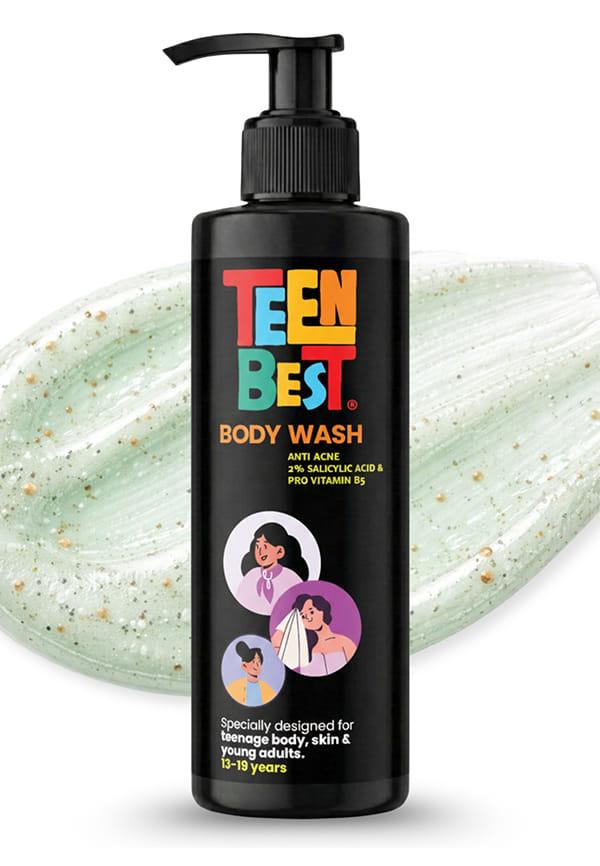
Teens Anti Acne Body Wash for Back Acne & Body Pimples
After cleansing, apply a lightweight moisturiser to restore your skin's hydration balance. If you have existing breakouts, this is the time to apply targeted treatments containing salicylic acid or benzoyl peroxide. However, start slowly with active ingredients if you're new to post-workout skincare—your skin may be more sensitive immediately after exercise.
Despite your best prevention efforts, sweat-induced breakouts can still occur. The key is identifying them correctly and treating them appropriately without over-drying or irritating your already-stressed skin.
Sweat pimples typically appear in areas where sweat accumulates—along the hairline, jawline, chest, and back. They often emerge within 24-48 hours after intense exercise and may feel tender or inflamed. Unlike hormonal acne, which tends to be deeper and more cystic, sweat-induced breakouts are usually closer to the surface and respond well to gentle treatment.
Salicylic acid is your best friend for treating sweat-induced breakouts. This beta-hydroxy acid penetrates oil-filled pores and helps dissolve the buildup that causes acne. Start with a 0.5% to 1% concentration and use it once daily, preferably in the evening. Benzoyl peroxide can also be effective, but use it sparingly as it can be drying and may bleach workout clothes.
If your sweat-induced breakouts persist despite consistent prevention and treatment, or if they're leaving dark marks or scars, it's time to consult a dermatologist. They can prescribe stronger treatments like topical retinoids or antibiotics and help you develop a more targeted approach to managing exercise-related skin issues.
Once you've mastered the basics, these advanced strategies can help you maintain consistently clear skin regardless of your workout intensity or environment. These tips address the nuanced challenges that dedicated fitness enthusiasts often face.
Summer workouts require extra attention to sweat management due to increased humidity and temperature. Consider exercising during cooler parts of the day and ensure your workout space has adequate ventilation. Winter presents different challenges—heated indoor spaces can trigger excess oil production, whilst cold outdoor air can dry your skin and trigger compensatory oil production.
High-intensity cardio sessions produce more sweat and require more frequent towel changes and potentially mid-workout face cleansing with gentle wipes. Strength training may involve less sweating but more equipment contact—always wipe down equipment before use and avoid touching your face during sets. Swimming requires special consideration for chlorine exposure, which can be both drying and irritating to acne-prone skin.
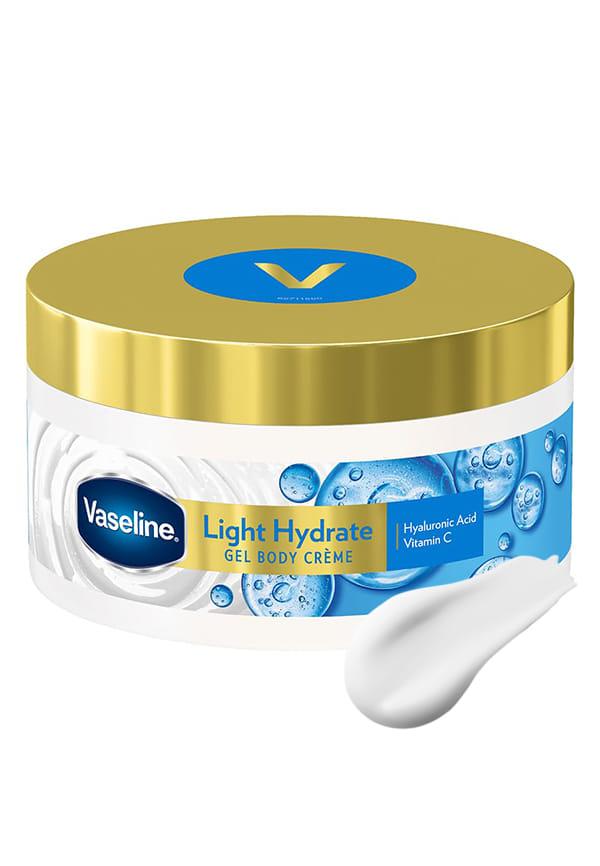
Light Hydrate Gel Body Creme, Hyaluronic Acid & Vitamin C
Gentle and Light
4“So gentle to body and face nothing heavy”
Gentle and Light
4“So gentle to body and face nothing heavy”
Loved it, good to use
4“loved it too good to use could be tried”
Building sweat tolerance gradually helps your skin adapt to increased activity levels without rebelling. Start with shorter, less intense workouts and gradually increase duration and intensity. Consistency in your skincare routine is more important than perfection—it's better to follow a simple routine religiously than to have an elaborate one you skip frequently.
Most sweat-induced pimples will resolve within a week with proper cleansing and basic care. However, leaving them untreated can lead to deeper inflammation and potential scarring, especially if you continue exercising without addressing the underlying causes.
Yes, facial sweat mixed with hair products, makeup residue, and natural oils creates an ideal environment for acne formation. The forehead and jawline are particularly susceptible because sweat tends to accumulate in these areas during exercise.
With proper treatment, most sweat-induced breakouts clear within 3-7 days. Deeper, more inflamed lesions may take up to two weeks. Consistent prevention strategies typically show results within 2-4 weeks of implementation.
Sweat rash appears as small, red, itchy bumps that resolve quickly once you cool down and dry off. Sweat pimples are deeper, more inflamed lesions that contain pus and take longer to heal. Sweat rash is caused by blocked sweat ducts, whilst sweat pimples result from bacterial infection in hair follicles.
Absolutely! Smytten's trial packs are perfect for testing different cleansers, moisturisers, and acne treatments to see what works best for your post-workout skin. You can try multiple products without committing to full sizes, making it easier to build an effective routine.
Ideally, yes. If you can't shower within 30 minutes, at least cleanse your face and any other breakout-prone areas with gentle wipes or a quick rinse. Change out of sweaty clothes as soon as possible to prevent bacteria from multiplying against your skin.
Preventing acne from sweat requires a three-pronged approach: proper preparation, smart sweat management during exercise, and immediate post-workout care. The most crucial factor is timing—the sooner you cleanse after exercising, the better your chances of preventing breakouts. Remember that consistency trumps perfection in skincare routines. It's better to follow a simple routine religiously than to have an elaborate one you skip frequently. Your skin needs time to adapt to new routines, so give any changes at least 4-6 weeks before deciding if they're working. Most importantly, don't let fear of breakouts keep you from exercising. With the right strategies, you can maintain both your fitness goals and clear skin.
Finding the right products for your post-workout skincare routine doesn't have to be a guessing game. Smytten is India's largest product discovery and trial platform, connecting consumers with top lifestyle, beauty, wellness, and grooming brands. At its core, Smytten offers curated trial packs—mini-sized products from over 2,400 trusted brands such as Cetaphil, Dot & Key, WishCare, and Bella Vita. This lets you explore and experience products before committing to full-size purchases. Each mini is linked with Trial Points, and users can get up to 10 Trial Points for just ₹279. Plus, Smytten offers 100% cashback on the purchase of these minis, redeemable in the shop section for future orders, making product discovery both affordable and rewarding. Whether you're looking for gentle cleansers, lightweight moisturisers, or targeted acne treatments, you can try before you buy and find what truly works for your active lifestyle. After all, why settle for 'maybe' when you can #TryItAll!
