Skincare
•08 min read

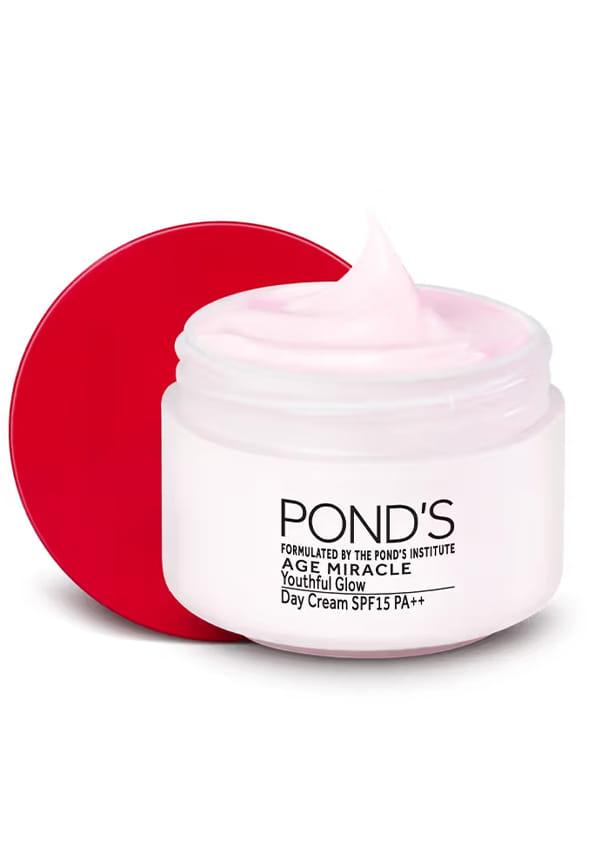
Youthful Miracle Hexyl Retinol Complex, Renew & Repair Day Cream SPF 15 PA++
Let's be real—retinol is basically the holy grail of skincare ingredients. But here's the thing that might surprise you: most people are unknowingly sabotaging their retinol's potency before it even touches their skin. The science behind retinol stability and formulation challenges is fascinating, and understanding it could be the difference between seeing actual results and wondering why your expensive serum isn't working. From the moment retinol is formulated to the day you apply it, this powerhouse ingredient faces a constant battle against degradation. Whether you're team retinol serum or retinol cream, knowing how to preserve its potency will transform your skincare game.
The world of retinol stability and formulation challenges is more complex than you might think. Retinol is notoriously finicky—it's like that friend who needs everything to be just right to function properly. The moment this vitamin A derivative is exposed to light, air, or the wrong pH level, it starts breaking down faster than your resolve on a Monday morning.
Retinol's chemical structure makes it incredibly effective but also incredibly vulnerable. The molecule contains multiple double bonds that are sensitive to oxidation, which means retinol degradation can happen surprisingly quickly. Studies show that retinol can lose up to 80% of its potency within just a few hours when exposed to UV light. Even artificial lighting can cause significant breakdown over time. Temperature plays a massive role too. Heat accelerates the degradation process, which is why storing your retinol products in a hot bathroom cabinet is basically throwing money down the drain. The ideal storage temperature is between 15-25°C, and even slight variations can impact stability.
Creating stable retinol formulation is like solving a complex puzzle. Retinol works best in an acidic environment with a pH between 5.5-6.0, but many skincare ingredients prefer different pH levels. This creates a formulation nightmare where brands must balance efficacy with stability. Water is retinol's enemy number one. In water-based systems, retinol degrades rapidly through hydrolysis. This is why many effective retinol products use anhydrous (water-free) formulations or sophisticated delivery systems to protect the active ingredient.
Understanding retinol benefits helps explain why preserving potency is so crucial. When retinol is stable and properly formulated, it's genuinely transformative for your skin. But when it's degraded, you're essentially applying an expensive moisturiser with minimal active benefits.
Stable retinol works by accelerating cell turnover, which means your skin sheds dead cells faster and reveals fresh, healthy skin underneath. This process stimulates collagen production, reducing fine lines and improving skin texture. The retinol benefits include evening out skin tone, reducing hyperpigmentation, and minimising pore appearance. Research shows that consistent use of stable retinol can increase collagen production by up to 80% after 12 weeks. However, this only happens when the retinol maintains its potency throughout the product's lifecycle.
When retinol degrades, you're not just losing efficacy—you might actually experience more irritation. Degraded retinol can form irritating by-products that cause redness and sensitivity without delivering the promised benefits. This is why some people think retinol doesn't work for them, when actually they've been using unstable formulations.
Choosing between a retinol serum and retinol cream isn't just about texture preference—it's about understanding how different formulations handle stability challenges. Each type has unique advantages and considerations that affect retinol potency.
A retinol serum typically contains higher water content, which can accelerate degradation if not properly formulated. However, serums often use advanced delivery systems like encapsulation to protect the retinol. The lightweight texture allows for better penetration, but this also means the retinol is more exposed to environmental factors once applied. Many effective retinol serums use oil-based formulations or sophisticated emulsion systems to minimise water contact. Look for serums in dark, airless packaging—this is usually a good sign that the brand understands stability challenges.
A retinol cream often provides better stability through its emulsified base. The cream matrix can act as a protective barrier, slowing down degradation. Creams also typically include more moisturising ingredients, which can help buffer potential irritation from retinol. The thicker texture of creams means slower absorption, which can actually be beneficial for sensitive skin. This gradual release helps minimise retinol side effects while maintaining efficacy over time.
Your choice between serum and cream should consider your skin type, climate, and storage conditions. If you live in a humid environment or have oily skin, a well-formulated serum might work better. For dry skin or harsh climates, a cream formulation could provide better results and stability.
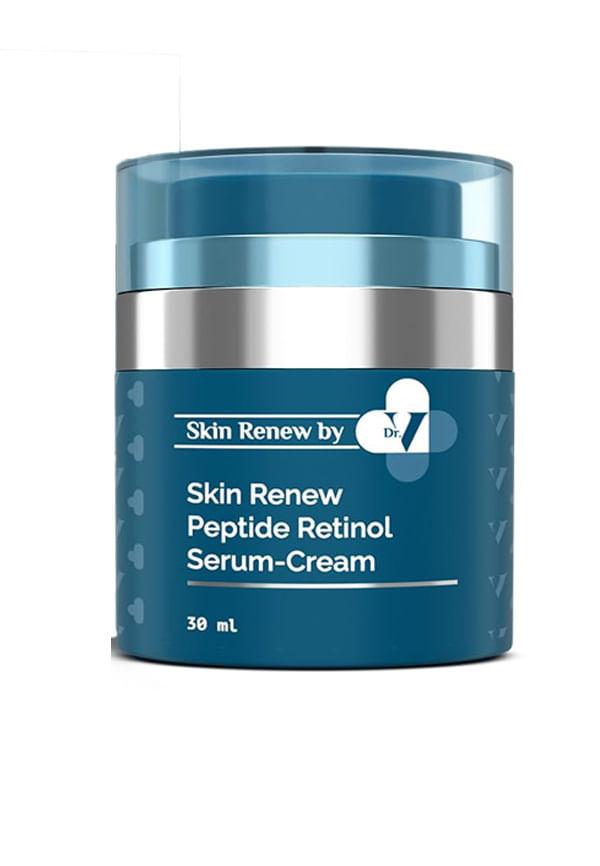
Skin Renew Peptide Retinol Serum - Cream with Peptide & Retinol
Effective for Dark Spots & Tanning
 5
5“I just loved this it removed my dark spots and tanning ”
Poor Packaging Quality
4“as per the price .. packaging is not good .. it's so flimsy .. interior plastic is used .. can't tell about its performance yet”
Good Retinol Serum for Beginners
5“good retinol serum for the beginners”
Modern skincare science has developed ingenious solutions to overcome retinol stability and formulation challenges. These technologies are game-changers for maintaining potency and reducing irritation.
Retinol encapsulation is like giving retinol its own protective bubble. Liposomal delivery systems wrap retinol molecules in lipid layers, protecting them from degradation while enhancing skin penetration. This technology can extend retinol stability by months compared to traditional formulations. Microencapsulation takes this further by creating tiny capsules that release retinol gradually. This time-release mechanism not only preserves potency but also reduces irritation by delivering smaller amounts of retinol over extended periods.
Retinol esters like retinyl palmitate and retinyl acetate are more stable forms of vitamin A. While they're less potent than pure retinol, they convert to active retinol once absorbed by the skin. This conversion process provides a gentler introduction to retinoid benefits while maintaining better stability during storage. These esters are particularly useful for beginners or those with sensitive skin, as they provide retinol benefits with reduced risk of irritation.
Packaging plays a crucial role in maintaining retinoid stability. Airless pump systems prevent air exposure, while UV-protective containers block harmful light. Some brands even use single-use capsules to ensure maximum potency for each application. These packaging innovations can extend product shelf life significantly and ensure you're getting the full benefits of your retinol investment.
Understanding retinol side effects helps you distinguish between normal adjustment periods and formulation problems. Proper formulation can minimise these effects while maximising benefits.
The most common retinol side effects include redness, peeling, and increased sensitivity. However, some of these effects can be exacerbated by unstable formulations. When retinol degrades, it can form aldehydes and other irritating compounds that cause unnecessary inflammation. Photosensitivity is another consideration. Retinol makes your skin more sensitive to UV damage, which is why it's typically recommended for evening use. Stable formulations often include complementary ingredients to help manage this sensitivity.
Well-formulated retinol products include buffer ingredients like niacinamide or ceramides to reduce irritation. pH optimisation ensures the retinol remains stable while being gentle on the skin. Some formulations use gradual-release mechanisms to introduce retinol slowly, allowing your skin to build tolerance.
Sometimes, despite best efforts with formulation and storage, retinol might not be suitable for everyone. Understanding retinol alternatives ensures you can still achieve similar benefits without the stability challenges.
Bakuchiol has gained attention as a plant-based alternative that provides similar benefits to retinol without the stability issues. This natural compound is much more stable in formulations and doesn't cause photosensitivity. While research is still emerging, studies suggest bakuchiol can stimulate collagen production and improve skin texture.
Peptides offer another approach to anti-aging without retinol's formulation challenges. These protein fragments can stimulate collagen production and are generally more stable in various formulations. Vitamin C, when properly stabilised, can also provide antioxidant benefits and collagen support.
Retinol alternatives are particularly valuable during pregnancy and breastfeeding when retinoids are not recommended. They're also useful for those with extremely sensitive skin or in climates where retinol storage becomes challenging. This is where platforms like Smytten become invaluable. With over 1,500 trusted brands offering trial-sized products, you can explore different retinol formulations and alternatives without committing to full-size purchases. Whether you're testing a new retinol serum from Dot & Key or exploring gentler alternatives, Smytten's trial packs let you discover what works for your skin at just ₹249 for up to 8 minis.
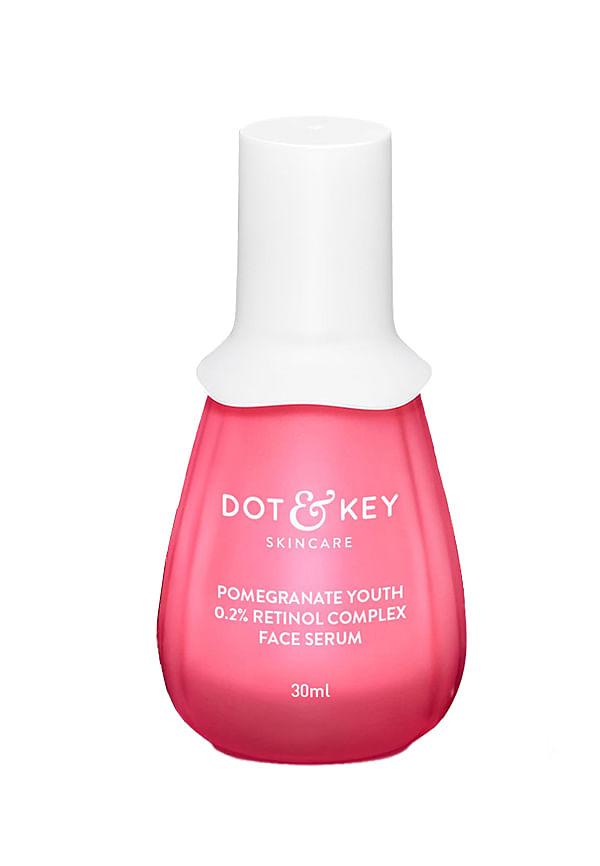
Pomegranate Youth 0.2% Retinol Complex Face Serum
Non-Greasy Retinol, No Harsh Effect
5“non greasy and perfect balance of retinol.... not giving harsh effect”
Good Product, Best Price
4“Good product . I get it best price ”
Good Serum, Highly Recommend
4“nice one ye bhi bht acha serum h mjhe acha lga i will recommend this serum”
Preserving retinol potency goes beyond choosing the right product—it's about how you store, handle, and apply it. These expert strategies can significantly extend your retinol's effectiveness.
Store your retinol products in a cool, dark place away from bathroom humidity. A bedroom drawer or dedicated skincare fridge works perfectly. Never leave retinol products in your car or near windows where temperature fluctuations and light exposure can accelerate degradation. Check expiration dates religiously. Unlike some skincare ingredients that degrade slowly, retinol can lose significant potency well before its printed expiry date if stored improperly.
Apply retinol to completely dry skin to prevent hydrolysis. Wait at least 20 minutes after cleansing before application. Start with a pea-sized amount and gradually increase frequency as your skin builds tolerance. Avoid mixing retinol with vitamin C, benzoyl peroxide, or AHA/BHA acids in the same routine, as these combinations can destabilise the retinol and increase irritation.
Look for retinol products in opaque, airless packaging. Check for stabilising ingredients like vitamin E or squalane in the formulation. Avoid products with high water content unless they use advanced encapsulation technology. Consider starting with retinol esters or encapsulated formulations if you're new to retinoids. These provide gentler introduction while maintaining better stability.
Retinol stability varies significantly by formulation. In anhydrous (water-free) formulations with proper packaging, retinol can maintain potency for 12-24 months. Water-based formulations without stabilisation technology may lose significant potency within 3-6 months. Encapsulated retinol typically maintains stability longer than traditional formulations.
Mixing retinol with certain ingredients can destabilise it. Avoid combining with vitamin C, AHA/BHA acids, or benzoyl peroxide in the same application. However, ingredients like niacinamide, hyaluronic acid, and ceramides can actually help stabilise retinol while providing additional benefits.
Look for changes in colour (yellowing or browning), texture changes, unusual odours, or reduced effectiveness over time. If you're not seeing results after 8-12 weeks of consistent use, your retinol may have degraded.
Temperature fluctuations accelerate retinol degradation. Each 10°C increase in temperature can double the degradation rate. Consistent cool storage (15-25°C) is crucial for maintaining potency.
Not necessarily. Price doesn't always correlate with stability. Look for products with proper packaging, stabilising ingredients, and encapsulation technology rather than focusing solely on price point.
Yes, proper storage can significantly extend retinol potency. Cool, dark storage away from humidity can help maintain effectiveness well beyond typical degradation timelines.
Mastering retinol stability and formulation challenges is your secret weapon for getting real results from this powerhouse ingredient. From understanding why your retinol serum needs that fancy dark packaging to knowing when retinol alternatives might be your better bet, these insights transform you from a casual user to a retinol expert. The key takeaway? Retinol's effectiveness depends as much on proper formulation and storage as it does on the ingredient itself. Whether you're exploring encapsulated formulations, comparing retinol esters, or managing potential side effects, knowledge is power when it comes to preserving potency. With Smytten's extensive collection of skincare brands and trial-sized options, you can experiment with different retinol formulations without the commitment. From trusted brands like Cetaphil to innovative newcomers, the platform's 100% cashback system makes it risk-free to find your perfect retinol match. After all, why settle for maybe when you can try it all and discover what truly works for your skin?
