How to Prep Skin Before Makeup for Flawless Foundation

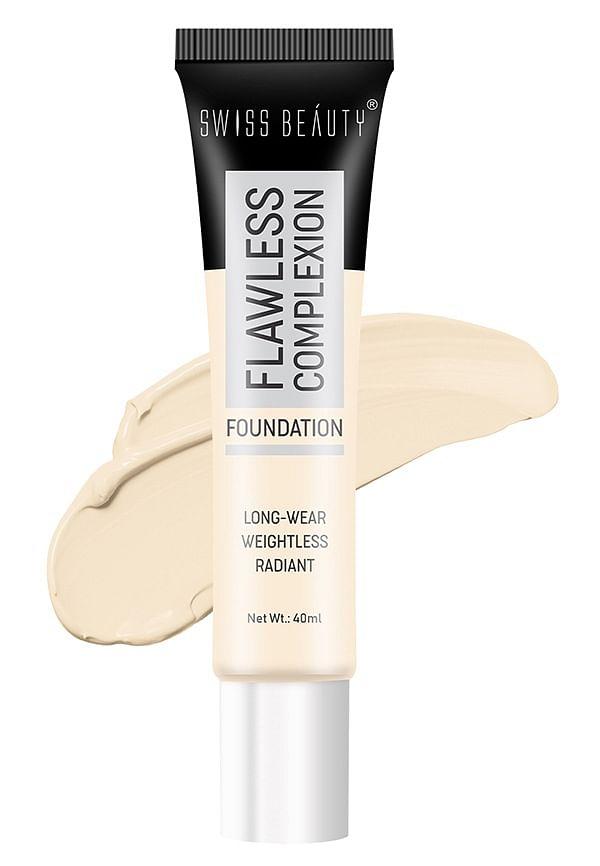
Flawless Complexion Foundation
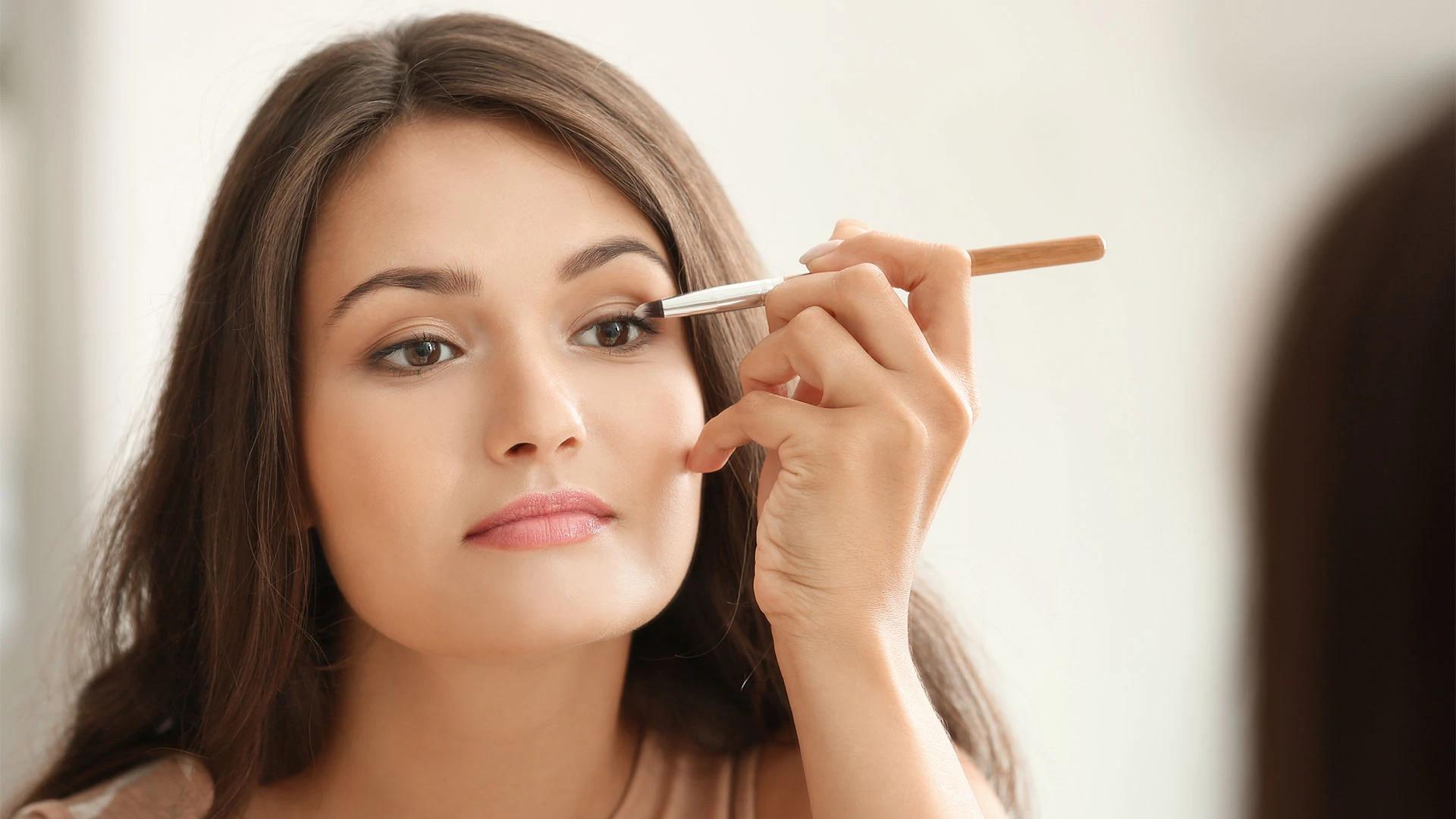
You've finally found the perfect foundation shade, but somehow it still looks patchy, settles into fine lines, or disappears by lunchtime. Sound familiar? The secret to flawless makeup isn't just about the products you apply—it's about how you prep your skin before makeup. Think of your face as a canvas; even the most expensive paint won't look good on a rough, unprepared surface. The right skincare routine for makeup can transform your entire look, making your foundation glide on smoothly and last throughout the day.
Your skin is constantly changing throughout the day—producing oils, losing moisture, and accumulating environmental debris. When you apply makeup directly onto unprepared skin, you're essentially asking your foundation to adhere to an uneven, often dehydrated surface. This is why even expensive foundations can look cakey or patchy without proper preparation.
The science behind makeup adhesion is quite straightforward: clean, hydrated skin provides the ideal base for makeup to grip onto. When your skin is properly cleansed and moisturised, it creates a smooth surface that allows foundation to blend seamlessly. Conversely, dry patches will absorb foundation unevenly, whilst oily areas may cause it to slide off or separate.
Common makeup mistakes often stem from skipping crucial prep steps. Applying foundation over yesterday's skincare residue, skipping moisturiser on oily skin, or not allowing products to absorb properly can all lead to disappointing results. The difference between prepped and unprepped skin is dramatic—properly prepared skin looks naturally radiant even before makeup application, whilst unprepared skin often emphasises texture issues and creates an uneven base.
Understanding how to prep skin before makeup starts with establishing a consistent routine that addresses your skin's specific needs. Each step builds upon the previous one, creating the perfect canvas for makeup application.
Morning cleansing is non-negotiable, even if you cleansed thoroughly the night before. Whilst you sleep, your skin produces natural oils and sheds dead skin cells. A gentle morning cleanse removes these overnight accumulations without stripping your skin's protective barrier.
For dry or sensitive skin, opt for cream or milk cleansers that won't over-dry. Those with oily or combination skin benefit from gel or foam cleansers that effectively remove excess sebum. Micellar water works brilliantly for all skin types as a gentle yet thorough cleansing option—simply soak a cotton pad and gently sweep across your face.
Exfoliation isn't a daily step, but it's crucial for achieving smooth skin for makeup application. Dead skin cells can create a bumpy texture that makes foundation look uneven. However, timing is everything—never exfoliate on the same day as an important event, as your skin might be slightly sensitised.
Chemical exfoliants like AHAs or BHAs are gentler than physical scrubs and work well 2-3 times per week. If you prefer physical exfoliation, use a very gentle scrub with fine particles, massaging in circular motions for no more than 30 seconds. Always follow with a soothing moisturiser to prevent irritation.
A good alcohol-free toner helps restore your skin's natural pH balance after cleansing and prepares it to better absorb subsequent products. Look for toners with hyaluronic acid for hydration or niacinamide for oil control.
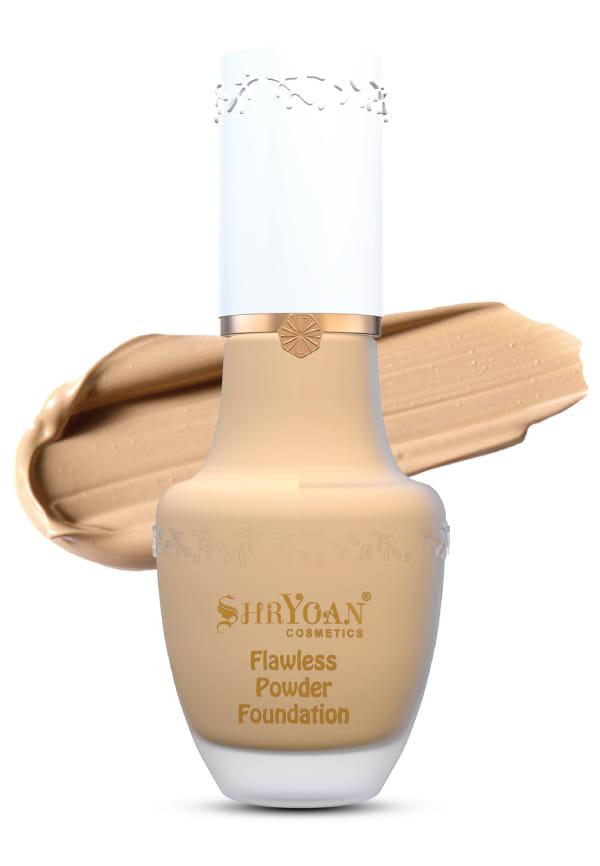
Flawless Powder Foundation
Apply toner by gently patting it into your skin with clean hands rather than using a cotton pad, which can waste product and potentially irritate sensitive skin. This patting method also promotes better absorption and gives you a moment to assess your skin's condition before proceeding.
The key to long-lasting makeup lies in proper hydration. When you moisturise before makeup, you're creating a smooth, plump surface that helps foundation blend seamlessly and prevents it from clinging to dry patches or sliding off oily areas.
If you have dry skin, your prep routine should focus on intensive hydration. Start with a hyaluronic acid serum on damp skin to lock in moisture, then follow with a rich, nourishing cream. Look for ingredients like ceramides, glycerin, and squalane that provide long-lasting hydration without feeling heavy.
For extremely dry skin, consider layering a facial oil under your moisturiser. Apply 2-3 drops of a lightweight oil like jojoba or rosehip, press it gently into your skin, then follow with your regular moisturiser. This technique creates a moisture barrier that keeps your skin hydrated throughout the day.
Contrary to popular belief, oily skin still needs moisturiser—skipping this step often leads to increased oil production as your skin tries to compensate for dehydration. The trick is choosing the right formula and application technique.
Opt for water-based gel moisturisers or lightweight lotions that absorb quickly without leaving a greasy residue. Ingredients like niacinamide and salicylic acid can help control oil production whilst providing necessary hydration. Apply moisturiser to your entire face, but use a lighter hand in your T-zone if it tends to get particularly oily.
The delicate under-eye area requires special attention when prepping for makeup. A lightweight eye cream prevents concealer from settling into fine lines and creates a smooth base for application.
Use your ring finger to gently pat eye cream from the inner corner to the outer corner, avoiding pulling or tugging the skin. Choose formulas with caffeine to reduce puffiness or peptides for smoothing fine lines. Allow the eye cream to fully absorb before applying concealer—this usually takes about 2-3 minutes.
The final steps in your skin prep routine are crucial for both protecting your skin and ensuring your makeup performs at its best. These products create the ultimate barrier between your skincare and makeup.
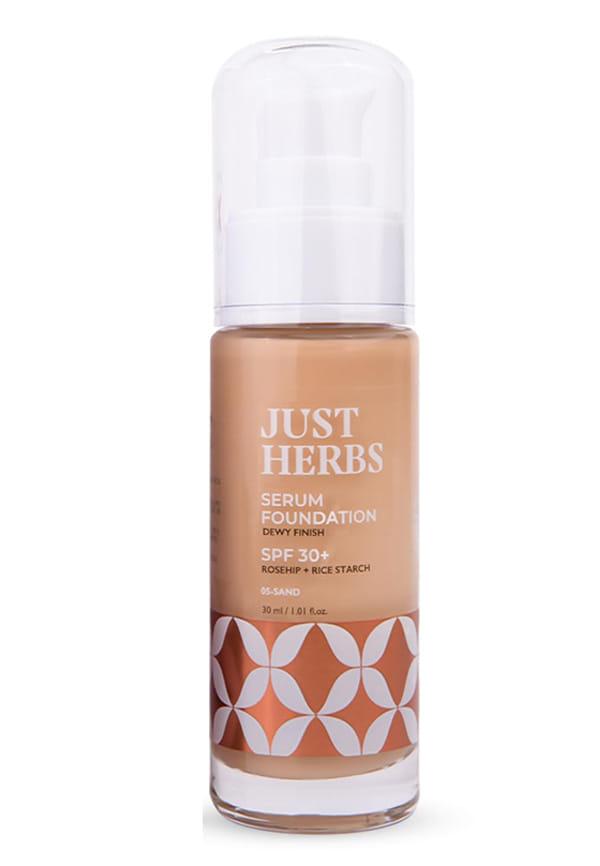
Serum Foundation For Face Makeup With Spf30+
Sunscreen is non-negotiable for daytime makeup looks, but choosing the right formula is essential for seamless makeup application. Look for broad-spectrum SPF 30 or higher that's specifically formulated to work under makeup.
Mineral sunscreens with zinc oxide or titanium dioxide often work better under makeup than chemical sunscreens, as they're less likely to pill or interfere with foundation. Apply sunscreen evenly across your face and neck, then wait at least 5 minutes before applying primer or foundation to allow it to set properly.
Understanding makeup primer benefits is key to achieving professional-looking results. Primers create a barrier between your skincare and makeup, helping foundation adhere better and last longer whilst also addressing specific skin concerns.
For oily skin or large pores, mattifying primers with silicones help control shine and create a smooth surface. Those with dry or dull skin benefit from hydrating or illuminating primers that add a subtle glow. Colour-correcting primers can address specific concerns—green for redness, purple for dullness, or peach for dark circles.
Apply primer with clean fingers or a damp beauty sponge, focusing on areas where your makeup tends to fade first—usually the T-zone, around the nose, and under the eyes. Use a thin, even layer and allow it to set for 2-3 minutes before applying foundation.
The secret to how to make makeup last longer lies not just in the products you use, but in the timing and technique of application. Each layer needs time to properly set before adding the next, creating a stable foundation for long-wearing makeup.
Follow the 30-60 second rule between each product application. This allows each layer to absorb properly and prevents products from mixing together, which can cause pilling or uneven application. Use this time to prep other areas—whilst your moisturiser absorbs, you can apply lip balm or brush your teeth.
Targeted application is crucial for optimal results. Apply heavier products like rich moisturisers only where needed, whilst using lighter formulas in areas prone to oiliness. For example, you might use a richer cream on your cheeks and a gel moisturiser in your T-zone.
Don't forget about lip prep—gently exfoliate with a soft toothbrush if needed, then apply a thin layer of lip balm. This creates a smooth base for lipstick application and prevents feathering or uneven colour.
Even with the best intentions, skin prep can sometimes go wrong. Understanding common mistakes helps you avoid them and achieve consistently good results.
Over-layering products is one of the most common errors. Using too many serums, heavy moisturiser, and thick primer can create a slippery base that causes makeup to slide around. If you've applied too much product, gently blot with a tissue or clean beauty sponge before proceeding with makeup.
Product incompatibility can cause pilling or separation. Water-based and oil-based products don't always play well together, so pay attention to your product formulations. If you notice pilling, try switching the order of application or eliminating one product to see if that solves the issue.
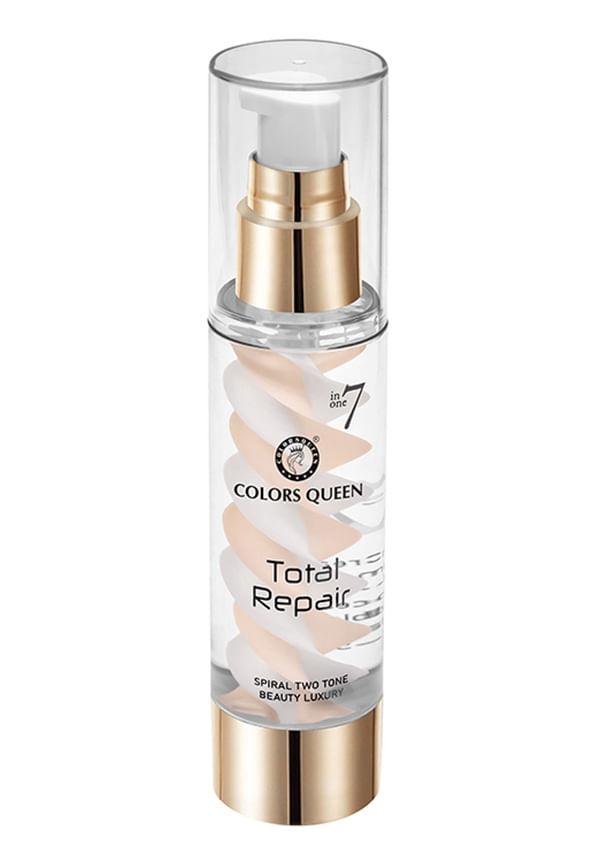
7 in 1 Total Repair Foundation Combination of CC Cream, Primer
Seasonal adjustments are necessary as your skin's needs change throughout the year. Summer might require lighter, mattifying products, whilst winter calls for richer, more hydrating formulas. Don't be afraid to modify your routine based on how your skin feels and behaves.
Follow this essential routine: cleanse with a gentle cleanser, apply alcohol-free toner, moisturise based on your skin type, apply SPF for daytime wear, and finish with a targeted primer. Wait 30-60 seconds between each step for optimal absorption and the best makeup application results.
The best routine includes cleansing, toning, targeted serums if needed, moisturising, SPF protection, and primer. Adjust product choices based on your skin type—oily skin benefits from gel moisturisers and mattifying primers, whilst dry skin needs richer creams and hydrating primers.
Allow 30-60 seconds between each skincare step, and wait 2-3 minutes after applying primer before starting your makeup. This timing ensures each product absorbs properly and creates the best base for foundation application.
Whilst good moisturiser is essential, primer serves a different purpose by creating a barrier between skincare and makeup. Primer helps makeup adhere better, last longer, and can address specific concerns like large pores or excess oil that moisturiser alone cannot tackle.
Use different products for different areas of your face. Apply gel moisturiser to your T-zone and cream moisturiser to drier areas like your cheeks. You can also use mattifying primer in oily zones and hydrating primer on dry areas for customised prep.
Mastering how to prep skin before makeup is truly a game-changer for achieving that flawless, long-lasting look you've been after. The key lies in understanding your skin's unique needs and building a routine that addresses them systematically. Remember, great makeup starts with great skin prep—it's the foundation of your foundation, if you will.
The beauty of a solid skin prep routine is that it benefits your skin beyond just makeup application. Regular cleansing, moisturising, and sun protection contribute to healthier skin over time, creating a positive cycle where your makeup looks better because your skin genuinely is better.
At Smytten, we understand that finding the right products for your skin prep routine can feel overwhelming with so many options available. That's why our curated selection features trusted brands that have proven their worth in creating the perfect canvas for makeup. With over 28 million users discovering their perfect products through our platform, we've seen firsthand how the right prep routine can transform not just your makeup, but your confidence too.
