How to Optimize Your Skincare Routine for Hyperpigmentation in Humid Climates


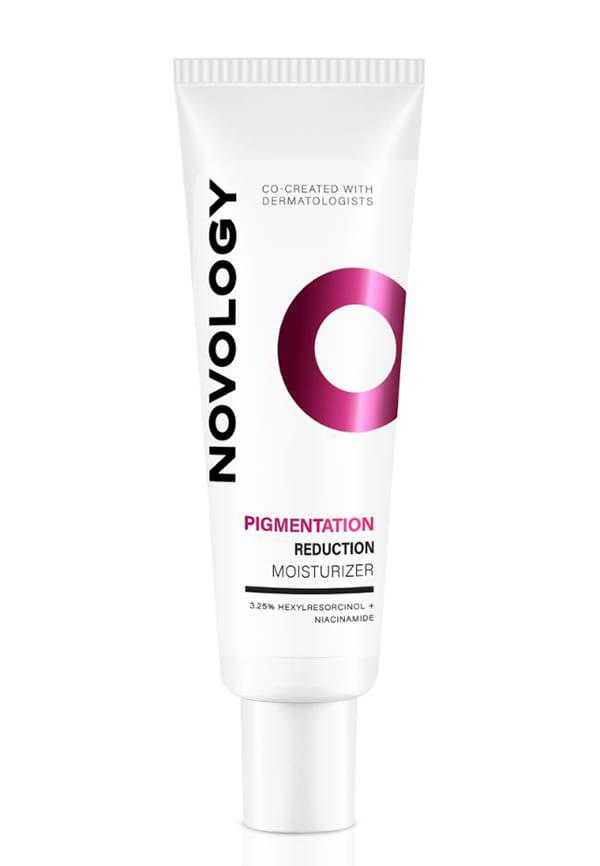
Pigmentation Moisturiser, Face Cream for Hyperpigmentation & Dark Spots
Living in a humid climate whilst dealing with hyperpigmentation can feel like fighting a battle on two fronts. The sticky weather makes your skin produce more oil, sweat mixes with sunscreen creating a lovely mess, and somehow those dark spots seem to get more stubborn by the day. But here's the thing—with the right approach to hyperpigmentation in humid climates skincare routine optimization, you can actually turn the tables. Let's dive into how to make your skincare work smarter, not harder, when the air feels thick enough to swim through.
Humid weather isn't just uncomfortable—it's actively working against your hyperpigmentation treatment goals. When the air is loaded with moisture, your skin behaves differently, and those pesky dark spots can become even more persistent. The combination of heat, humidity, and UV exposure creates the perfect storm for melanin overproduction.
Your skin's melanin production goes into overdrive when exposed to heat and humidity. Think of it as your skin's panic response—the warmer and more humid it gets, the more protective pigment it tries to produce.
Here's what's happening beneath the surface:
Increased melanin synthesis triggered by heat stress
UV rays penetrate through clouds and moisture more easily than you'd think
Sweat and oil buildup creates inflammation, leading to post-inflammatory hyperpigmentation
Compromised skin barrier from constant moisture exposure makes pigmentation worse
Different types of dark spots behave differently in humid conditions. Melasma treatment becomes trickier because hormonal fluctuations combined with heat can trigger flare-ups. Sunspots removal requires extra diligence since UV exposure is often underestimated on cloudy, humid days.
You might notice:
Melasma patches becoming darker during humid months
Post-inflammatory marks from heat rash or breakouts
Age spots appearing faster than in drier climates
Uneven skin tone from inconsistent sun protection
Understanding how humidity affects your skin helps you make smarter product choices. When the air is saturated with moisture, your skin's natural processes change, and your usual skincare routine for hyperpigmentation might need some tweaks.
High humidity creates a tricky balance. Whilst your skin retains moisture more easily, it also struggles to absorb products properly. The constant dampness can actually weaken your skin barrier over time, making it more susceptible to irritation and pigmentation issues.
In humid conditions, your skin's cell turnover slows down, meaning those pigmented cells stick around longer. Heat also increases blood flow, which can make existing dark spots appear more prominent. This is why your tropical climate skincare routine needs to work harder to encourage healthy cell renewal.
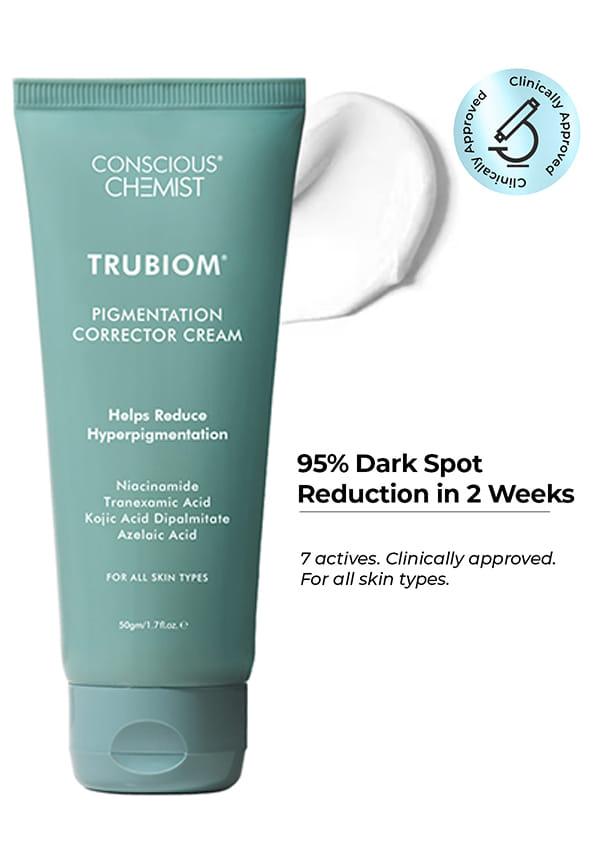
Pigmentation Corrector Moisturiser For Dark Spots
Your morning and evening routines need to be strategic about layering lightweight products that won't feel heavy or cause breakouts. The key is finding that sweet spot between effective dark spots correction and comfortable wear in sticky weather.
Start your day with a routine that protects whilst treating. Your morning skin brightening routine should focus on antioxidant protection and broad-spectrum sun defence.
Step-by-step morning protocol:
Gentle gel cleanser to remove overnight sweat without stripping
Niacinamide toner to control oil and prep skin
Vitamin C serum in a lightweight, stable formula
Hyaluronic acid for hydration without heaviness
Broad-spectrum SPF 50+ that won't pill or feel greasy
Your evening routine is where the real magic happens for uneven skin tone solutions. This is when you can use stronger actives without worrying about sun sensitivity.
Detailed evening steps:
Oil cleanser to dissolve sunscreen and sebum buildup
Water-based cleanser for a thorough clean
Gentle exfoliation 2-3 times weekly with AHA or BHA
Retinol or retinoid for cell turnover (start slow in humid weather)
Lightweight night moisturiser with brightening ingredients
Product selection becomes crucial when you're dealing with both hyperpigmentation and sticky weather. You need formulations that are effective but won't contribute to breakouts or feel uncomfortable on your skin.
Look for gel-based formulations, water-light serums, and non-comedogenic treatments. These work best in humid conditions because they absorb quickly and don't create that suffocating feeling on your skin.
Essential product types:
Gel moisturisers with kojic acid or arbutin
Serum concentrates that layer well without pilling
Mineral sunscreens that don't leave white residue
Lightweight treatments that won't clog pores
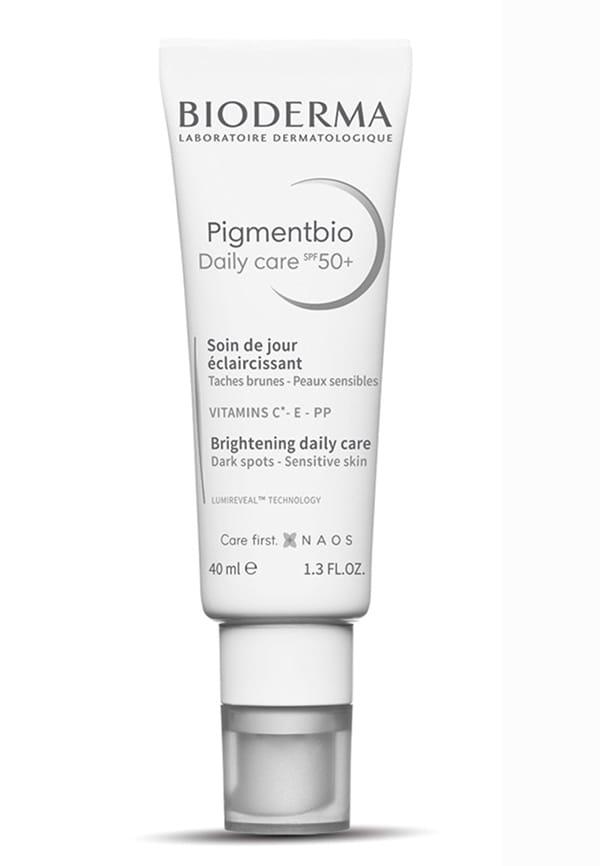
Pigmentbio Daily Care SPF 50+ Brightening Cream for Dark Spots & Senstive Skin
Some ingredients work better in humid climates than others. Focus on stable, gentle actives that won't irritate heat-stressed skin.
Humidity-friendly brightening actives:
Niacinamide controls oil whilst reducing pigmentation
Azelaic acid fights inflammation and brightens gently
Alpha arbutin provides stable brightening without irritation
Licorice root extract soothes whilst lightening
Tranexamic acid targets stubborn melasma effectively
Even with the best intentions, it's easy to make mistakes that can worsen hyperpigmentation in humid weather. Avoiding these common pitfalls will help your routine work more effectively.
Over-layering is the biggest mistake people make in humid climates. Your skin can only absorb so much, and excess product just sits on the surface, potentially causing breakouts.
What to avoid:
Thick, heavy creams that trap sweat and bacteria
Skipping sunscreen on overcast, humid days
Using too many actives at once in hot weather
Applying retinol before sun exposure
Your skin becomes more sensitive in humid conditions, so you might need to adjust how often you use certain treatments. What works in cooler, drier weather might be too much when it's hot and sticky.
Melasma can be particularly stubborn in humid climates because heat and hormonal fluctuations often trigger flare-ups. Advanced treatment strategies need to account for these environmental factors.
If you're considering professional treatments, timing matters in humid climates. Your skin needs extra protection and care during the healing process when it's constantly exposed to heat and moisture.
Your skincare routine is just one piece of the puzzle. Diet, hydration, and stress management all play crucial roles in managing hyperpigmentation, especially in challenging climates.
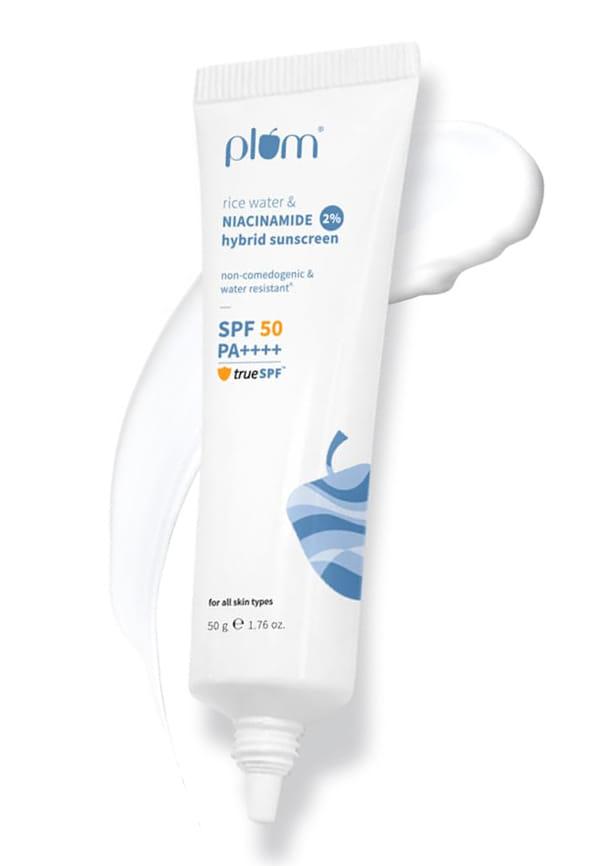
2% Niacinamide & Rice Water SPF 50 PA++++ Hybrid Sunscreen
Supporting your skin from within:
Antioxidant-rich foods to fight free radical damage
Adequate hydration to support skin barrier function
Stress management to prevent hormonal triggers
Quality sleep for optimal skin repair
Here's where things get exciting—you don't have to commit to full-size products without knowing if they'll work for your skin in humid conditions. Smytten, India's largest product discovery and trial platform, connects you with over 1,500 trusted brands including skincare favourites like Cetaphil and Dot & Key. You can try curated trial packs of products specifically suited for hyperpigmentation treatment before investing in full sizes.
With trial minis available for just ₹249 (you can get up to 8 minis), plus 100% cashback redeemable for future purchases, you can experiment with different formulations to find what works best for your skin in humid weather. Whether you're looking for the perfect vitamin C serum or a lightweight moisturiser with brightening ingredients, you can test products from trusted brands without the financial commitment.
Results typically take 8-12 weeks in humid climates, slightly longer than in drier conditions. The heat and humidity can slow cell turnover, so patience is key. Consistent daily sunscreen use and gentle active ingredients will gradually improve dark spots and uneven skin tone.
Yes, but start slowly and always use it at night. Begin with once or twice weekly application and gradually increase frequency. Your skin may be more sensitive in humid conditions, so monitor for irritation and always follow with a good moisturiser.
Look for broad-spectrum SPF 50+ in gel or fluid formulations. Mineral sunscreens with zinc oxide work well, but choose tinted versions to avoid white residue. Water-resistant formulas are essential since you'll likely sweat more in humid conditions.
Less is more in humid climates. Stick to 2-3 times weekly with gentle chemical exfoliants like lactic acid or mandelic acid. Over-exfoliating in hot, humid weather can lead to irritation and worsen hyperpigmentation.
Wait 2-3 minutes between each product application to allow proper absorption. Use thinner, gel-based formulations and avoid over-layering. Pat products gently into skin rather than rubbing vigorously.
Optimising your skincare routine for hyperpigmentation in humid climates requires a thoughtful approach that balances effectiveness with comfort. Focus on lightweight, gel-based formulations that won't feel heavy or cause breakouts in sticky weather. Remember that consistency trumps intensity—gentle, regular treatment will give better results than aggressive approaches that might irritate heat-stressed skin.
The key is finding products that work for your specific skin needs and climate conditions. With platforms like Smytten offering trial-sized versions of products from trusted brands, you can experiment with different formulations without the commitment. After all, why settle for 'maybe' when you can try different products and find what actually works for your skin? Your hyperpigmentation journey doesn't have to be a guessing game—smart product selection and consistent application will help you achieve the even, radiant skin you're after, no matter how humid it gets.
