How to Minimize Large Pores: Expert Skincare Tips

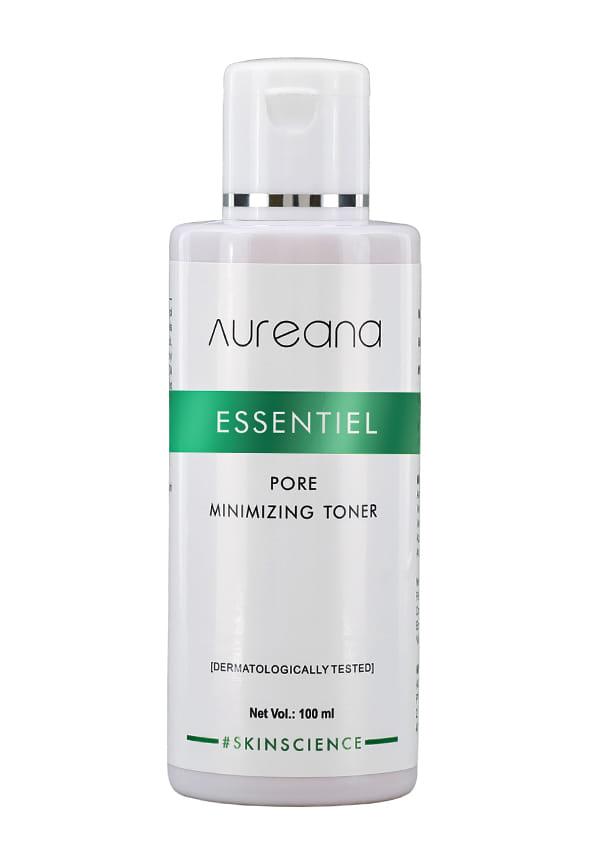
Essentiel - Pore Minimizing Toner
Good for oily skin & pore minimization
 5
5“I usually use this product from last one year it works good on oily skin and defense the pore and minimize it the things we should is use 2 time a day”
Effective, simplifies routine
5“Takes time, but it makes your skin soft and smooth. This is my third bottle—no need for extra skincare, keep it simple!”
Large pores can feel like that one friend who always shows up uninvited to every selfie. You know the ones – those little craters that seem to expand every time you look in the mirror, making your skin texture feel more like an orange peel than the smooth canvas you're after. But here's the thing: whilst you can't actually shrink your pores (they're not muscles, after all), you absolutely can make them appear smaller and improve your overall skin texture. Let's dive into the science-backed ways to tackle this common skincare concern and get your skin looking its absolute best.
Before we jump into solutions, let's get real about what we're dealing with. Pores are tiny openings in your skin that house hair follicles and sebaceous glands. When people talk about enlarged pores causes, they're usually referring to pores that appear more visible due to various factors – not pores that have actually grown in size.
Sorry to break it to you, but genetics are the biggest player in the pore game. If your parents have larger-looking pores, chances are you've inherited that trait too. Your genetic makeup determines how much oil your sebaceous glands produce and how your skin ages. People with naturally oily skin tend to have more prominent pores because excess oil can stretch the pore opening, making it appear larger.
As we age, our skin loses collagen and elasticity. This means the tissue around your pores becomes less firm, causing them to appear more prominent. Sun damage accelerates this process, breaking down collagen faster and making pores look even more noticeable. It's like your skin's natural scaffolding starts to sag, taking your pores along for the ride.
Daily life doesn't do your pores any favours either. Makeup, pollution, and dead skin cells can clog pores, stretching them out and making them more visible. Hormonal changes, particularly during puberty, menstruation, or pregnancy, can ramp up oil production and make pores appear larger. Even using the wrong skincare products can contribute to the problem.
Now for the good news – whilst you can't actually shrink pores, there are proven ways to make them appear smaller and improve your skin texture. The key is understanding how to shrink pores in appearance through targeted treatments and consistent skincare.
Retinol and its prescription cousin tretinoin are absolute game-changers for pore appearance. These vitamin A derivatives work by increasing cell turnover and boosting collagen production. This helps firm up the skin around pores, making them appear smaller. Studies show that regular retinol use can significantly improve skin texture and reduce the appearance of enlarged pores within 12 weeks. Niacinamide, also known as vitamin B3, is another superstar ingredient. It regulates oil production and has anti-inflammatory properties that can help minimise pore appearance. Research indicates that 5% niacinamide can reduce sebum production by up to 30% after just 8 weeks of use. Salicylic acid deserves a special mention for pore cleansing. This beta-hydroxy acid (BHA) is oil-soluble, meaning it can penetrate into pores and dissolve the gunk that's making them appear larger. It's particularly effective for those dealing with blackheads and oily skin.
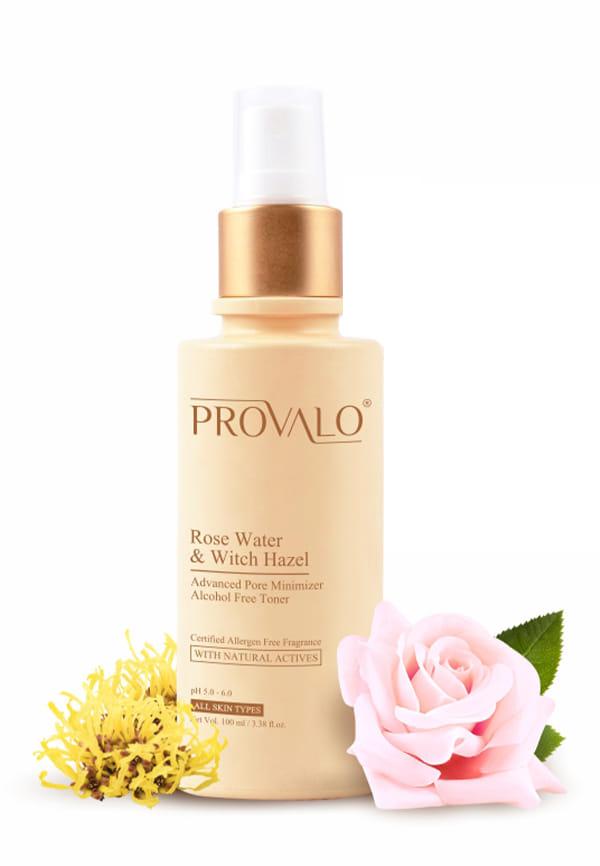
Rose Water & Witch Hazel Advanced Pore Minimizer Toner (Unisex)
Professional treatments like chemical peels, microneedling, and laser therapy can provide more dramatic results for large pores treatment. However, consistent at-home care with the right ingredients can be surprisingly effective. The key is setting realistic expectations – you're aiming for improvement, not perfection.
Building an effective routine for pore control doesn't require a pharmacy's worth of products. It's about choosing the right formulations and using them consistently. Think of it as training your skin to behave better over time.
Start your day with a gentle cleanser that won't strip your skin. Look for gel-based formulas or the best face wash for pores that contains salicylic acid. Over-cleansing can actually make pores appear larger by triggering excess oil production. Follow up with a pore minimizer serum containing niacinamide or hyaluronic acid. These ingredients help control oil and plump the skin, creating a smoother appearance. Always finish with a lightweight, non-comedogenic moisturiser and broad-spectrum SPF. Sun protection is crucial for preventing further collagen breakdown.
Your evening routine is where the real magic happens. Start with double cleansing if you wear makeup or sunscreen. An oil cleanser followed by your regular cleanser ensures thorough pore cleansing without over-drying. This is when you'll introduce your retinol or retinoid product. Start slowly – perhaps twice a week – and gradually increase frequency as your skin adjusts. Apply it to clean, dry skin and follow with a moisturiser to prevent irritation.
Once or twice a week, treat your skin to a clay mask. These work by absorbing excess oil and temporarily tightening the appearance of pores. Look for masks containing kaolin or bentonite clay for the best results. Gentle exfoliation with AHAs (like glycolic or lactic acid) can also help improve skin texture and make pores appear smaller. Just remember – more isn't always better. Over-exfoliating can irritate your skin and actually make pores look worse.
Choosing the right products for large pores treatment can feel overwhelming, but focusing on a few key ingredients and formulation types will set you up for success.
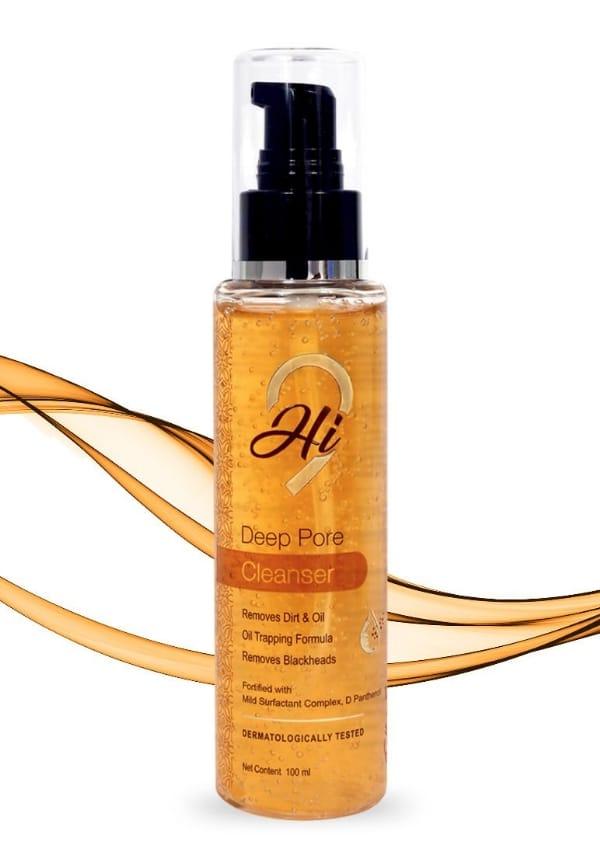
Deep Pore Cleanser
Excellent Cleanser
5“this cleanser is such a good product”
Effective Skin Treatment
5“great effect on skin. real good.”
Positive Cleanser Review
4“the cleanser is really good . I like it”
The best face wash for pores should cleanse without stripping. Gel cleansers work well for oily skin, whilst cream cleansers suit drier skin types. Look for formulas containing salicylic acid for pore cleansing benefits, but avoid anything too harsh that might trigger rebound oil production. Oil cleansing might sound counterintuitive for enlarged pores, but it's actually excellent for dissolving sebaceous filaments (those grey-ish plugs that make pores look dark). The key is choosing lightweight oils like jojoba or squalane.
A good pore refining serum should contain active ingredients at effective concentrations. Look for niacinamide at 5-10%, retinol at 0.25-1%, or salicylic acid at 0.5-2%. Hyaluronic acid serums can also help by plumping the skin and creating a smoother appearance. When layering products, apply them from thinnest to thickest consistency. Water-based serums go first, followed by oil-based treatments, then moisturiser.
If you're dealing with oily skin alongside enlarged pores, you'll need targeted oily skin solutions that address both concerns without over-drying your skin.
The temptation with oily skin is to strip it completely, but this often backfires. Your skin responds to over-cleansing by producing even more oil. Instead, focus on gentle, consistent care that regulates oil production rather than eliminating it entirely. Mattifying products can help control shine throughout the day, but choose formulas that don't contain drying alcohols. Blotting papers are your friend for touch-ups without disturbing your skincare or makeup.
Those dark spots in your pores aren't always blackheads – they're often sebaceous filaments, which are completely normal. For actual blackhead removal, chemical exfoliation with salicylic acid is far safer than physical extraction. Pore strips might provide instant gratification, but they can damage your skin and make pores appear larger in the long run. If you're tempted to squeeze, resist the urge. This can damage the pore structure and lead to scarring or infection.
Sometimes, at-home care isn't enough, and that's perfectly okay. Professional facial treatments for pores can provide more dramatic results for stubborn cases.
Microneedling stimulates collagen production, which can help firm the skin around pores. Chemical peels remove dead skin cells and can improve overall skin texture. For more severe cases, laser treatments like fractional CO2 can provide significant improvement in pore appearance. These treatments typically require multiple sessions and some downtime, but the results can be impressive for those who haven't seen improvement with topical treatments alone.
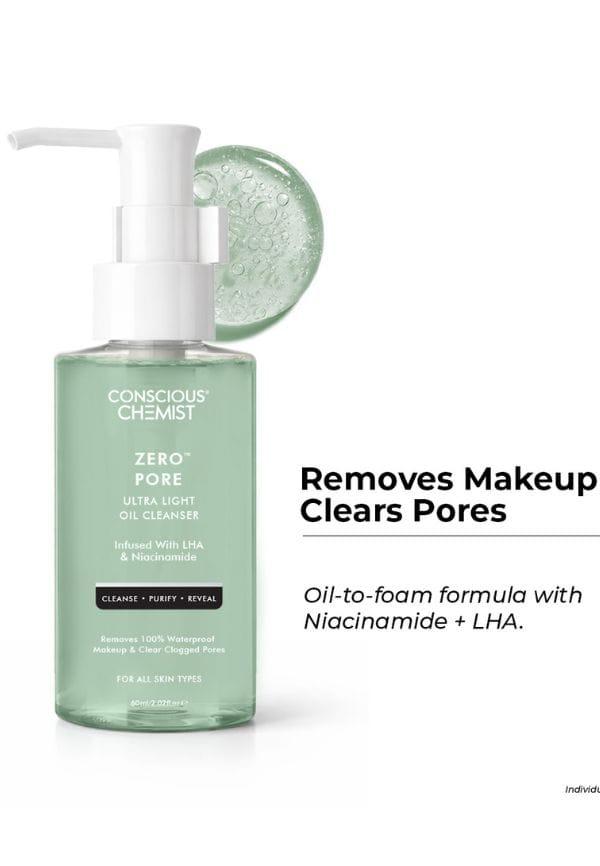
Zero Pore Ultra Light Oil Cleanser
Good for Skin
5“was not sure why i ordered this but it's good for my skin”
Good for Skin
5“was not sure why i ordered this but it's good for my skin”
Good for Oily Skin
4“good for oily skin , remove dirt from the face gently.”
Look for a board-certified dermatologist or licensed aesthetician with experience in treating enlarged pores. They can assess your skin type and recommend the most appropriate treatment plan for your specific concerns.
Pore size is largely determined by genetics, so you can't permanently shrink them. However, you can significantly improve their appearance through consistent skincare and professional treatments. The key is managing expectations – you're aiming for improvement, not elimination.
For immediate results, use a primer with pore-filling properties before makeup. For longer-term improvement, consistent use of retinol, niacinamide, and salicylic acid will show results within 6-12 weeks.
Yes, but they work by improving skin texture and controlling oil production rather than actually shrinking pores. Ingredients like niacinamide and retinol have scientific backing for improving pore appearance.
Professional extraction is always safer, but if you must do it at home, use proper tools, clean skin, and gentle pressure. Chemical exfoliation is generally safer and more effective than manual extraction.
Most people see initial improvements within 4-6 weeks of consistent treatment, with more significant results appearing after 12 weeks. Professional treatments may show faster results but often require multiple sessions.
Improving the appearance of large pores is absolutely achievable with the right approach and realistic expectations. The key is consistency, patience, and choosing products with proven ingredients like retinol, niacinamide, and salicylic acid. Remember, perfect skin doesn't exist – even in heavily filtered social media posts – so focus on healthy, well-cared-for skin rather than perfection. When you're ready to explore new skincare products for your pore-minimising routine, platforms like Smytten make it easier to discover what works for your skin without the commitment of full-size purchases. With trial packs from trusted brands, you can test different formulations and find your perfect match before investing in full-size products. After all, why settle for 'maybe' when you can try it all and find what truly works for your skin?
