How to Maximize Vitamin C Absorption for Radiant Skin


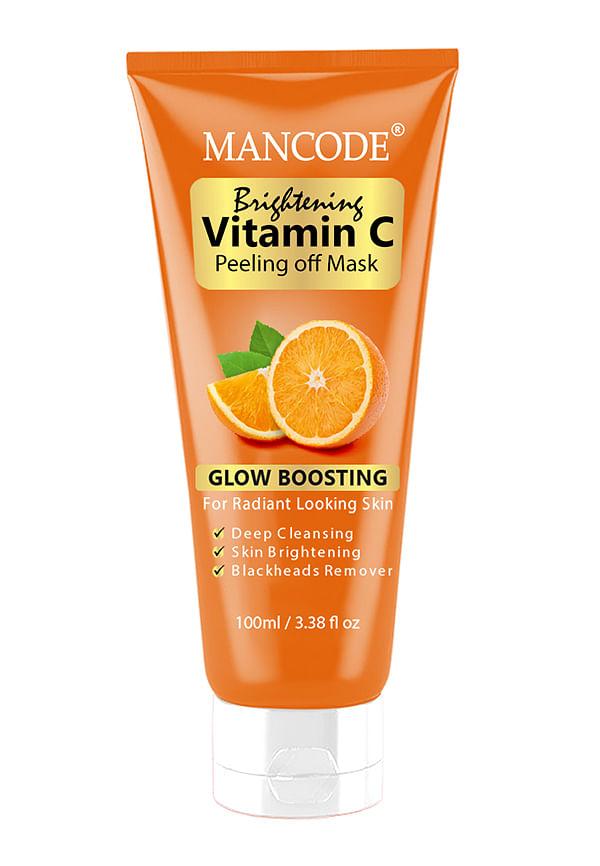
Brightening Vitamin C Peel Off Mask Glow Boosting for Radiant Skin
Let's be real—vitamin C is everywhere in skincare right now, and for good reason. But here's the thing: just slapping on any vitamin C serum won't magically give you that glow-up you're after. The secret sauce lies in understanding vitamin c absorption factors in skin and how to work with them, not against them. Think of your skin as a selective bouncer at an exclusive club—it doesn't let just anything through. Getting vitamin C past that barrier and into the deeper layers where it can actually work its magic requires a bit of strategy. Ready to become your own skincare scientist?
Your skin isn't just going to roll out the red carpet for vitamin C—it needs the right conditions to let this powerhouse ingredient do its thing. The way vitamin c skin penetration works is actually pretty fascinating when you break it down.
Vitamin C is water-soluble, which means it loves hanging out in watery environments. Your skin's outer layer (the stratum corneum) is like a brick wall made of dead skin cells and lipids—not exactly vitamin C's natural habitat. But here's where size matters: vitamin C molecules are small enough to squeeze through the gaps between those "bricks" when conditions are right. Once it gets past that first hurdle, it can travel through the epidermis and reach the dermis, where all the collagen-boosting action happens.
Several things can make or break your vitamin C game. pH levels are huge—ascorbic acid absorption works best in an acidic environment (around pH 3.5 or lower). Your skin's natural pH is slightly acidic anyway, but using alkaline products beforehand can mess with this balance.
Concentration matters too, but it's not a "more is better" situation. Studies show that vitamin c bioavailability skin peaks at around 20% concentration—going higher doesn't necessarily mean better results. Your skin's current condition also plays a role. Damaged or compromised skin barriers might let more vitamin C through, but they're also more prone to irritation.
You might wonder why we're not just popping vitamin C tablets and calling it a day. Whilst oral vitamin C supports overall health, topical vitamin c is where the real skin magic happens.
When you apply vitamin C directly to your skin, you're delivering it straight to where it's needed most. Oral vitamin C gets diluted throughout your entire body, with only a tiny fraction actually reaching your skin cells. Vitamin c serum benefits include direct delivery to target areas, higher local concentrations, and less degradation compared to the oral route.
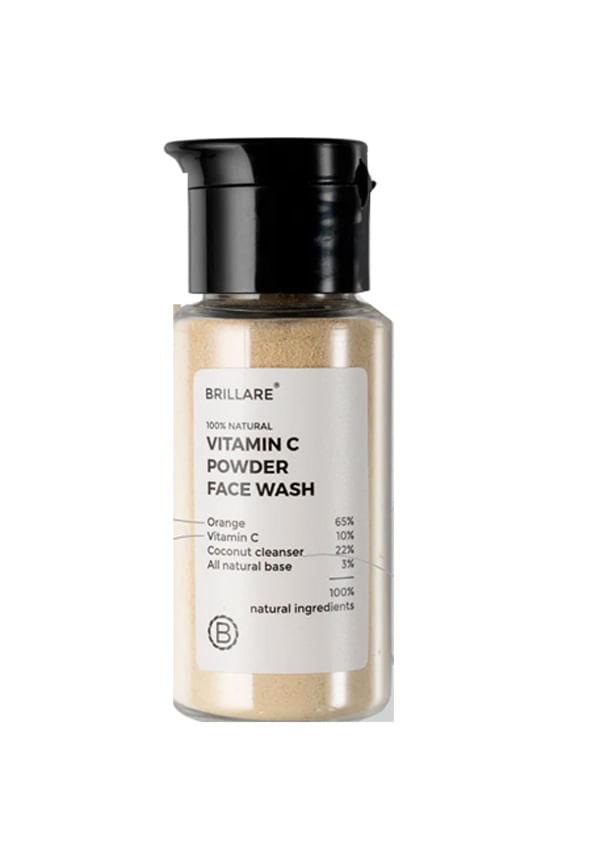
Vitamin C Powder Face Wash For Bright, Glowing Skin
Here's where things get really interesting. Vitamin c and collagen have this amazing partnership—vitamin C acts as a co-factor for enzymes that help build and stabilise collagen fibres. Without adequate vitamin C, your collagen production basically grinds to a halt. This is why consistent topical application can help maintain skin firmness and reduce the appearance of fine lines over time.
Not all vitamin C is created equal. Different forms have different superpowers, and understanding vitamin c derivatives can help you pick your perfect match.
This is the OG vitamin C—the form that's been studied most extensively. L-ascorbic acid packs the biggest punch in terms of potency, but it's also the most temperamental. It oxidises quickly when exposed to light, air, or heat, turning that lovely clear serum into a brown, less effective mess. If you're going for L-ascorbic acid, look for dark bottles and store them properly.
Enter the more stable cousins. Vitamin c ester forms like magnesium ascorbyl phosphate and sodium ascorbyl phosphate are much more chill about storage conditions. They're gentler on sensitive skin and don't require the super-acidic pH that L-ascorbic acid demands. The trade-off? They're generally less potent, but they make up for it with consistency and tolerability.
Newer players like ethyl ascorbic acid and 3-O-ethyl ascorbic acid are trying to give you the best of both worlds—stability and potency. These derivatives can penetrate skin more easily whilst remaining stable in formulations. They're worth considering if you want reliable results without the fuss of babying your serum.
Having the right product is only half the battle. How you use it can make or break your results, and there are definitely some insider tricks worth knowing.
Start with clean skin—obvious, but worth mentioning. If you're using L-ascorbic acid, wait about 10-15 minutes after cleansing to let your skin's pH settle back to its natural acidic state. Apply your vitamin C serum to slightly damp skin for better penetration, then follow with your usual moisturiser and SPF (always SPF in the morning!).
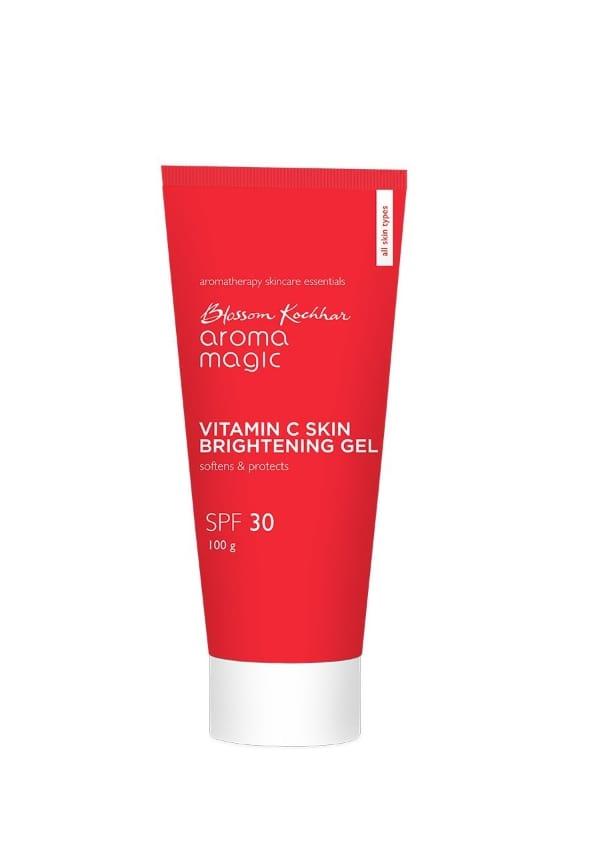
Vitamin C Skin Brightening Gel
Vitamin C plays well with certain ingredients. Vitamin E and ferulic acid are like vitamin C's best mates—they help stabilise it and boost its effectiveness. Hyaluronic acid can help with penetration by keeping skin hydrated and plump. These combinations aren't just marketing gimmicks; there's actual science backing up these partnerships.
Even with the best vitamin c serum, you can still mess things up. Let's talk about the most common slip-ups that might be sabotaging your glow-up goals.
Using alkaline cleansers or toners right before your vitamin C can neutralise the acidic environment it needs to work properly. If you're using products with a high pH, give your skin time to rebalance, or consider switching to gentler, pH-balanced options.
Niacinamide and vitamin C used to be considered enemies, though newer research suggests they can play nicely together in stable formulations. Retinol and vitamin C can both be irritating, so many people prefer using vitamin C in the morning and retinol at night. AHAs and BHAs can potentially interfere with vitamin C's pH requirements, so timing and layering matter.
Once you've got the basics down, there are some next-level strategies that can help you squeeze every bit of benefit from your vitamin C routine.
Gentle exfoliation can help remove dead skin cells that might be blocking absorption. Think chemical exfoliants rather than harsh scrubs—you want to clear the path, not damage the barrier. Some people also explore professional treatments like microneedling to enhance penetration, though this should always be done by qualified professionals.
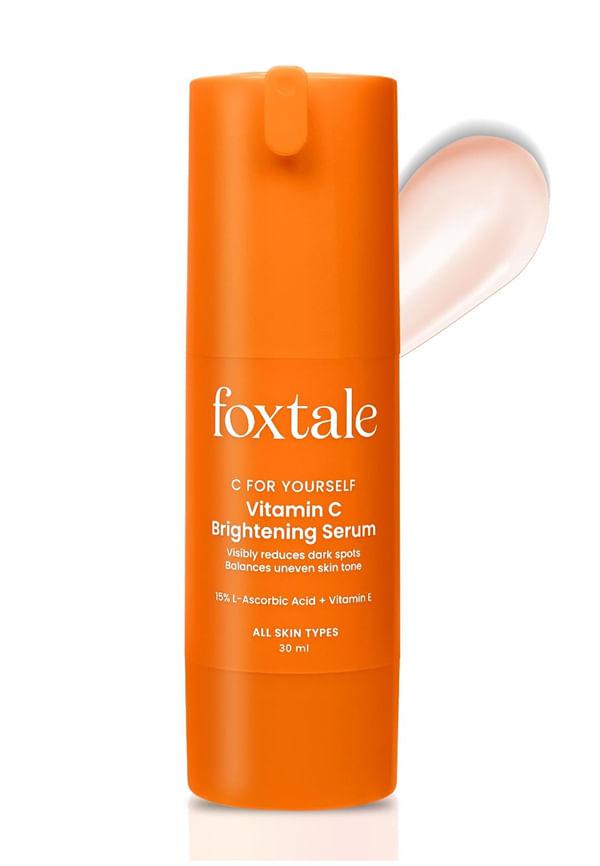
15% Vitamin C Face Serum for Glowing Skin, Pure L-Ascorbic Acid and Vitamin E
Very Nice and Superb Product
 5
5“very nice and superb product the foxtale products are amazing”
Excellent Product
5“Very good product best of all time”
Excellent Product
5“Very good product best of all time”
Keep your vitamin C products in a cool, dark place—your fridge isn't a bad idea for L-ascorbic acid serums. Watch for colour changes, which usually indicate oxidation. A slight yellow tinge might be okay, but if it's turning brown or orange, it's time to bin it and start fresh.
This is where platforms like Smytten become incredibly valuable for skincare enthusiasts. With over 1,500 trusted brands including skincare favourites like Cetaphil and Dot & Key, you can explore different vitamin C formulations through curated trial packs before committing to full-size purchases. Getting up to 8 minis for just ₹249 means you can test various vitamin c derivatives and find what works best for your skin without the financial risk of buying full-size products that might not suit you.
Most people start noticing brighter, more even skin tone within 2-4 weeks of consistent use. For anti-aging benefits like improved texture and fine lines, you're looking at 8-12 weeks of regular application.
Yes, most people can use vitamin C daily once their skin has adjusted. Start with every other day for the first week or two, especially if you're using L-ascorbic acid, then gradually increase to daily use.
Morning is generally preferred because vitamin C provides antioxidant protection against environmental damage throughout the day. Just remember to always follow with SPF.
Some tingling is normal, especially with L-ascorbic acid, due to its acidic pH. However, if you experience burning, redness, or persistent irritation, you might need a gentler derivative or lower concentration.
It depends on the specific ingredients. Vitamin C generally plays well with hyaluronic acid, vitamin E, and ferulic acid. Be cautious with retinol, AHAs, and BHAs—these are often better used at different times of day.
Getting the most from your vitamin C routine isn't rocket science, but it does require understanding how vitamin c absorption factors in skin work together. The key is finding the right derivative for your skin type, applying it correctly, and being patient with the process. Remember, skincare is deeply personal—what works brilliantly for your mate might not be your cup of tea.
The beauty of exploring vitamin C options through trial sizes is that you can experiment without the commitment. Whether you're drawn to the potency of L-ascorbic acid or prefer the gentleness of stable derivatives, there's likely a formulation that'll become your next skincare obsession. After all, why settle for maybe when you can find what actually works for your unique skin?
