How to Maximize Retinol Stability in Your Skincare Routine

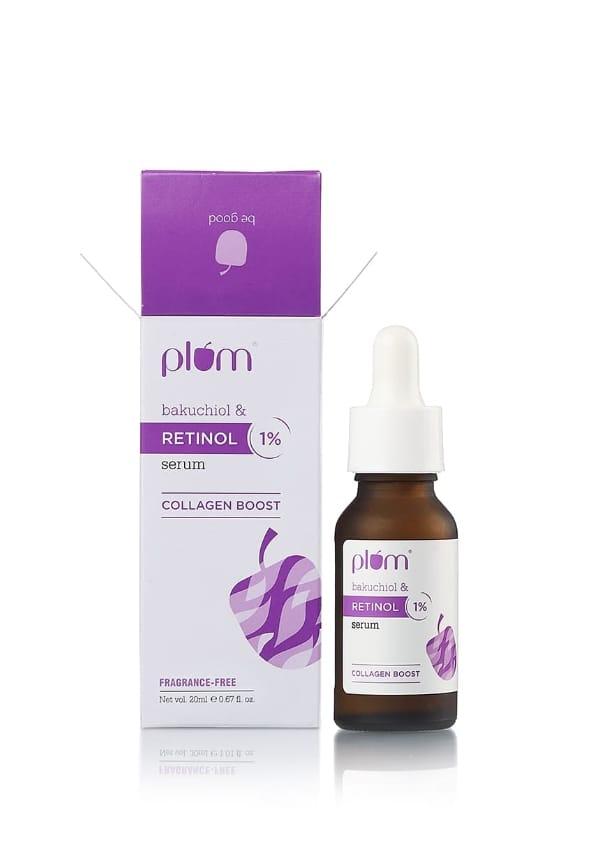
1% Retinol Face Serum with Bakuchiol
Let's be real—retinol is probably the most talked-about ingredient in skincare right now, and for good reason. It's basically the gold standard for anti-ageing, but here's the thing that might surprise you: most retinol products lose their potency before you even finish the bottle. The culprit? Retinol stability and formulation challenges that many brands struggle to overcome. If you've ever wondered why your expensive retinol serum stopped working after a few months, or why some products seem more effective than others, you're about to get all the answers. Understanding how to maximise retinol stability isn't just science—it's the key to getting real results from your skincare routine.
Retinol is notoriously finicky, and that's putting it mildly. Unlike other skincare ingredients that can handle a bit of rough treatment, retinol demands respect. The moment it's exposed to light, air, or even slight temperature changes, it starts breaking down faster than your resolve to stick to a morning skincare routine.
Retinol's instability comes down to its molecular structure. It's essentially a form of vitamin A that's incredibly reactive to environmental factors. Think of it as the high-maintenance friend of the skincare world—brilliant when treated right, but prone to dramatic breakdowns when things go wrong. Light sensitivity tops the list of retinol degradation triggers. UV rays and even artificial lighting can cause photodegradation, breaking down the active molecules. This is why you'll notice most quality retinol products come in dark, opaque packaging. Oxygen exposure creates another major hurdle. Retinol oxidation happens when the ingredient comes into contact with air, leading to a cascade of chemical reactions that render it less effective. Temperature fluctuations compound this issue—heat speeds up degradation, while extreme cold can affect the product's texture and delivery.
When retinol breaks down, it doesn't just become less effective—it can actually transform into compounds that might irritate your skin. The degradation process involves complex chemical pathways where retinol molecules lose their structure and potency. Studies show that improperly stored retinol products can lose up to 80% of their retinol efficacy within months. That's why understanding proper storage and choosing well-formulated products becomes crucial for maintaining the anti-ageing benefits you're after.
Not all retinol products are created equal, and the difference often comes down to how well brands address stability challenges. Several environmental and formulation factors can make or break your retinol's effectiveness.
UV light exposure remains the biggest enemy of retinol stability. Even brief exposure to sunlight can trigger rapid degradation, which is why proper packaging becomes non-negotiable. Air oxidation processes start the moment you open a product, creating a ticking clock on its effectiveness. Temperature variations can be particularly tricky in Indian climates. The ideal storage range for retinol products sits between 15-25°C, but many of us deal with much higher temperatures. Humidity and moisture effects add another layer of complexity, especially during monsoon seasons when bathroom storage becomes problematic.
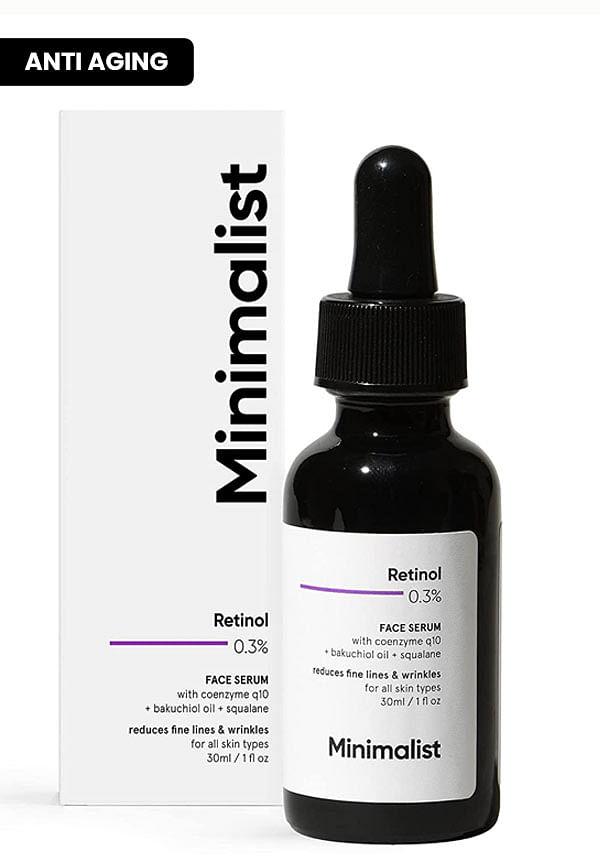
0.3% Retinol Face Serum With Anti-Aging Property With Q10
The base formulation plays a huge role in stabilising retinol. Water-based formulations face different challenges compared to oil-based ones. Water can accelerate degradation, while oils might provide better protection but can affect absorption. PH requirements become critical—retinol works best in slightly acidic to neutral environments. When the pH shifts too far in either direction, the ingredient becomes unstable. This is where retinol formulation expertise really shows, as brands need to balance effectiveness with stability.
The skincare industry has developed some pretty clever solutions to tackle retinol's stability issues. Modern retinol delivery systems go far beyond just mixing the ingredient into a cream and hoping for the best.
Retinol encapsulation represents a game-changing approach to stability. Liposomal delivery systems wrap retinol molecules in protective lipid layers, shielding them from environmental damage while improving skin penetration. It's like giving each retinol molecule its own protective bubble. Microencapsulation takes this concept further by creating tiny capsules that release retinol gradually. This time-release mechanism not only protects the ingredient but also reduces irritation by providing a steady, controlled dose to your skin. Polymer-based protection methods use synthetic materials to create stable retinol complexes. These systems can significantly extend shelf life while maintaining potency, though they require sophisticated formulation expertise.
Antioxidant combinations work as bodyguards for retinol, neutralising free radicals that could trigger degradation. Ingredients like vitamin E and vitamin C (when properly formulated) can extend retinol stability significantly. Chelating agents protect against metal-catalysed degradation, while buffer systems maintain optimal pH levels. These might sound technical, but they're the difference between a retinol product that works for months versus one that loses potency in weeks.
The eternal debate: retinol serum or retinol cream? Both have their merits, but understanding their stability profiles can help you make the right choice for your needs.
Retinol serums often pack higher concentrations, making them appealing for experienced users. The lightweight texture means faster absorption, but this comes with stability trade-offs. Liquid formulations can be more susceptible to degradation, especially once opened. The key with serums lies in proper storage and quick usage. Many quality retinol serums include stabilising ingredients and come in airless pumps to minimise oxidation. If you choose a serum, commit to using it consistently and storing it properly.
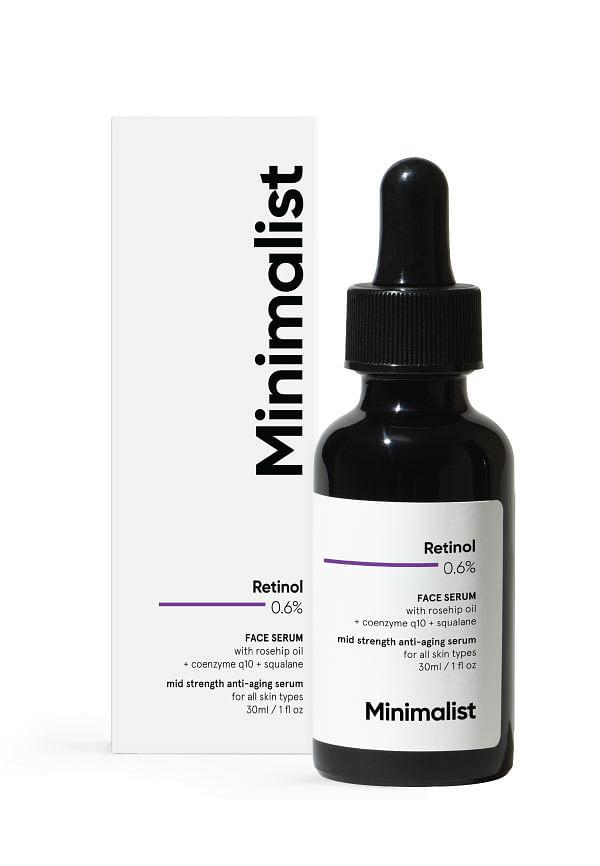
Retinol 0.6% Mid-Strength Anti Aging Face Serum
Retinol creams often offer enhanced stability thanks to their emulsion systems. The thicker texture provides natural protection against air exposure, while moisturising properties make them gentler for sensitive skin. Many creams also have longer shelf lives due to their formulation structure. The occlusive properties of creams can actually help protect retinol from environmental damage while it's on your skin. This makes them particularly suitable for those new to retinol or dealing with drier skin types.
Once you've chosen your retinol product, how you store and use it becomes crucial for maintaining its effectiveness. These aren't just suggestions—they're essential practices for getting the most from your investment.
Temperature control starts with finding the coolest, most stable spot in your home. Bathroom cabinets might seem convenient, but temperature fluctuations from hot showers can accelerate degradation. A bedroom drawer or dedicated skincare fridge works better. Light protection means keeping products in their original packaging and away from windows. Even indirect light can cause issues over time. Air-tight containers become essential once you've opened a product—every exposure to air starts the degradation clock. Refrigeration can help extend shelf life, but it's not always necessary. Some formulations actually become less effective when too cold, so check product instructions before chilling your retinol.
Optimal use schedules maximise retinol efficacy while minimising waste. Evening application protects the ingredient from light exposure while allowing it to work overnight. Starting with 2-3 times per week helps your skin adjust while ensuring you use the product before it degrades. Product layering requires strategy. Apply retinol to clean, dry skin, then wait before adding other products. This prevents interactions that could destabilise the ingredient or reduce its effectiveness.
Knowing when your retinol has lost its potency can save you from continuing with an ineffective routine. There are clear signs to watch for, and understanding them helps you make informed decisions about product replacement.
Colour changes often signal degradation. Fresh retinol products typically appear clear to slightly yellow. If your product has turned brown or orange, it's likely oxidised and less effective. Texture alterations, like separation or unusual thickness, also indicate problems. Reduced effectiveness becomes apparent when you stop seeing the improvements you initially experienced. If your skin isn't responding as well despite consistent use, degradation might be the culprit.
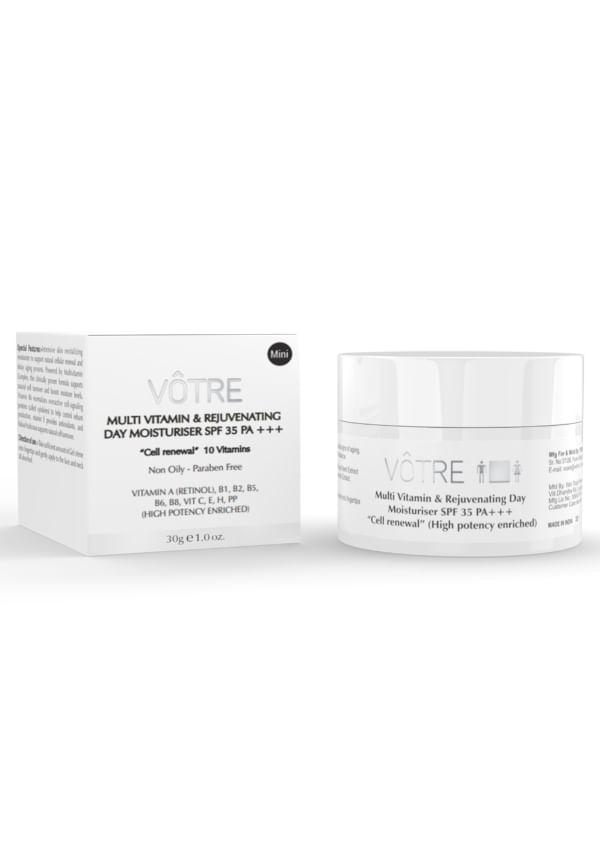
Multi Vitamin & Rejuvenating Day Gel Spf 35 Pa++
Balancing concentration with stability requires understanding your skin's needs. Higher concentrations aren't always better if the product degrades quickly. Sometimes a lower concentration in a stable formulation delivers better long-term results. Gradual introduction protocols help you use products efficiently while allowing your skin to adapt. This approach also ensures you're getting maximum benefit before degradation becomes an issue. This is where platforms like Smytten become invaluable for retinol exploration. With access to trial packs from trusted brands, you can test different retinol formulations without committing to full-size products that might degrade before you finish them. Getting up to 8 minis for just ₹249 means you can compare stability and effectiveness across multiple brands, helping you find your perfect match before investing in larger sizes.
Unopened retinol products typically maintain stability for 12-24 months when stored properly. Once opened, most products remain effective for 6-12 months, though this varies significantly based on formulation and storage conditions. Products with advanced retinol encapsulation technologies often last longer.
While you can't completely prevent retinol oxidation, proper storage and handling can significantly slow the process. Using products with stabilising ingredients, storing them correctly, and minimising air exposure helps maintain potency for longer periods.
Encapsulated retinol systems generally offer superior stability compared to traditional formulations. Liposomal and microencapsulated versions tend to maintain potency longer, though they may come at a higher price point.
Refrigeration can help extend shelf life, but it's not always necessary. Check your product instructions—some formulations become less effective when too cold, while others benefit from cool storage.
Look for colour changes (yellowing or browning), texture alterations, unusual odours, or reduced effectiveness. If you notice any of these signs, it's time to replace your product.
Maximising retinol stability and formulation challenges isn't just about following storage instructions—it's about understanding the science behind this powerful ingredient and making informed choices. From choosing the right delivery system to proper storage and application techniques, every step matters in preserving retinol efficacy. The key lies in finding products with proven stability technologies and using them correctly. Whether you prefer a retinol serum for its potency or a retinol cream for its gentleness, understanding these principles helps you get maximum value from your skincare investment. With Smytten's extensive range of trial packs from over 1,500 trusted brands, you can explore different retinol formulations without the risk of purchasing full-size products that might not work for your skin or storage conditions. This approach lets you test stability, effectiveness, and compatibility before committing to larger purchases, making your retinol journey both affordable and successful.
