How to Maximize Benefits of Sunscreen SPF 50 for Daily Sun Protection


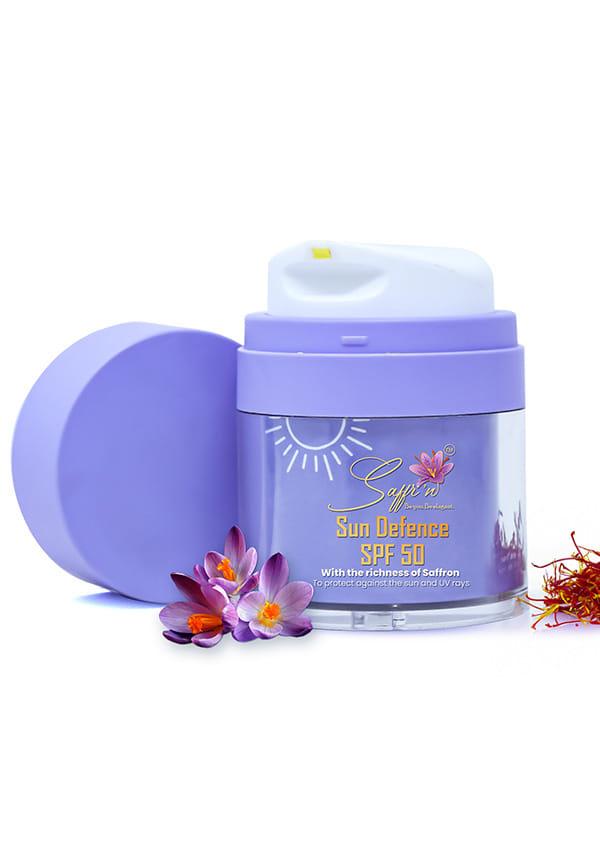
Sun Defence SPF 50
You know that moment when you step outside for just five minutes and feel the sun's intensity on your face? Even on cloudy days, those UV rays are working overtime. If you've been wondering whether upgrading to SPF 50 is worth it for daily wear, you're asking the right question. The benefits of sunscreen SPF 50 go far beyond preventing sunburn – we're talking about serious protection for your skin's future.
Let's get real about what SPF 50 actually means for your skin. While the jump from SPF 30 to SPF 50 might seem small on paper, that extra protection makes a genuine difference for your daily sun protection routine.
Here's where the science gets interesting. SPF 30 blocks about 97% of UVB rays, whilst SPF 50 blocks approximately 98%. That 1% difference might sound tiny, but for sensitive skin types or those dealing with hyperpigmentation, it's genuinely significant. Think of it this way – if you're spending hours outdoors or have skin that's prone to dark spots, that extra layer of protection becomes your skin's best friend.
When you see "broad spectrum sunscreen" on the label, you're getting protection from both UVA and UVB rays. UVB rays cause sunburn and contribute to skin cancer, whilst UVA rays penetrate deeper, causing premature ageing and those stubborn dark spots. Quality SPF 50 formulas tackle both, giving your skin comprehensive coverage throughout the day.
The magic happens with carefully chosen sunscreen ingredients. Chemical sunscreens use ingredients like avobenzone and octinoxate that absorb UV rays, whilst physical sunscreens rely on zinc oxide and titanium dioxide to reflect them away. Many modern SPF 50 formulas combine both approaches for maximum effectiveness without the heavy, chalky feel of older formulations.
The real sunscreen benefits become clear when you think long-term. Your skin today is an investment in how you'll look and feel years from now.
UV exposure breaks down collagen and elastin – the proteins that keep your skin plump and smooth. Daily SPF 50 use acts like a shield, preserving these essential building blocks. Many people notice their skin looks more even and feels firmer after consistent use, especially around the delicate eye area where fine lines love to appear first.
If you're dealing with post-acne marks or melasma, sun damage prevention becomes crucial. Even brief sun exposure can darken existing spots and create new ones. SPF 50 provides that extra buffer, helping your skin heal whilst preventing new pigmentation from forming. It's particularly important if you're using active ingredients like retinol or AHAs in your routine.
The statistics speak for themselves – regular sunscreen use can reduce your risk of developing melanoma by up to 50%. SPF 50 offers robust protection that's especially valuable if you have fair skin, a family history of skin cancer, or spend significant time outdoors for work or leisure.
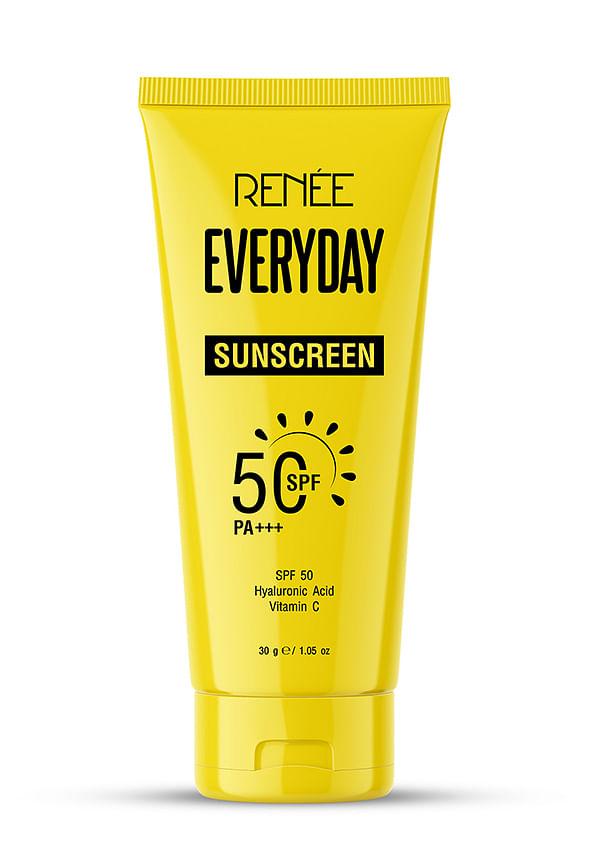
Everyday SPF 50 Sunscreen
After chemical peels, laser treatments, or even aggressive exfoliation, your skin becomes more vulnerable to UV damage. SPF 50 provides the gentle yet effective protection needed during the healing process, preventing complications and ensuring your treatments deliver the best possible results.
Making daily sunscreen use a non-negotiable part of your routine transforms your skin's health over time. The consistency matters more than you might think.
Your face gets UV exposure even when you're not actively seeking sun. Walking to your car, sitting near windows, or running quick errands all add up. Daily SPF 50 application creates a protective barrier that works silently in the background, preventing cumulative damage that shows up as premature ageing, uneven skin tone, and texture changes.
Facial skin is thinner and more delicate than body skin, making it particularly vulnerable to UV damage. Sunscreen for face formulations are typically lighter and more cosmetically elegant, designed to work well under makeup whilst providing serious protection. Look for non-comedogenic options if you're prone to breakouts.
UV damage accumulates over time – what dermatologists call "photo-ageing." By making SPF 50 part of your morning routine, you're essentially hitting pause on this process. Your skin gets the chance to repair itself overnight whilst staying protected during the day.
Not all types of sunscreen work the same way, and finding your ideal match depends on your skin type, lifestyle, and personal preferences.
Chemical sunscreens tend to be lighter and more invisible on skin, making them popular for daily wear. Physical sunscreens offer immediate protection and are often better tolerated by sensitive skin types. Many modern formulas combine both approaches, giving you the best of both worlds without compromise.
Sunscreen for sensitive skin typically relies on mineral ingredients like zinc oxide, which are less likely to cause irritation. Look for fragrance-free, hypoallergenic formulas that have been dermatologist-tested. These gentler options still deliver full SPF 50 benefits without triggering reactions or breakouts.
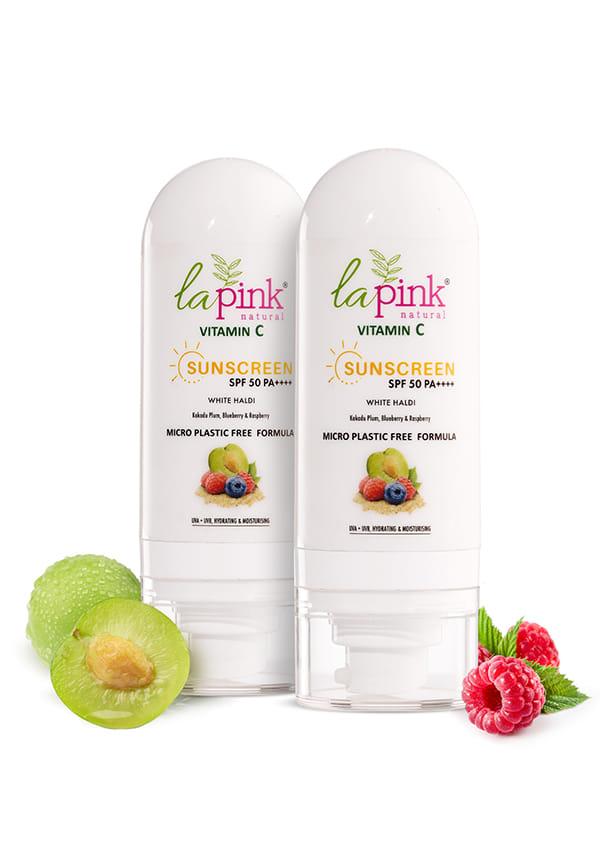
Vitamin C Sunscreen SPF 50
Oily skin benefits from gel-based or mattifying SPF 50 formulas that control shine throughout the day. Dry skin types should look for hydrating sunscreens with added moisturising ingredients. Tinted formulas offer light coverage whilst providing protection, perfect for those who prefer a streamlined morning routine.
Getting the full benefits of sunscreen SPF 50 depends heavily on proper application. Most people use far less than the recommended amount, significantly reducing their protection.
For your face and neck, you need about a quarter-sized amount – roughly 1.25 grams. This might seem like a lot at first, but it's what's needed for the SPF rating to be accurate. Apply in dots across your face, then blend evenly, making sure not to miss areas like your hairline, ears, and the bridge of your nose.
Apply your SPF 50 about 15-30 minutes before heading outside to allow it to properly bind to your skin. Reapplication every two to three hours is crucial, especially if you're sweating or touching your face frequently. Keep a powder sunscreen or setting spray handy for easy touch-ups over makeup.
Sunscreen should be the final step in your morning skincare routine, applied after moisturiser but before makeup. If you're using active ingredients like vitamin C or niacinamide, allow each layer to absorb before applying your SPF 50. This ensures maximum efficacy from all your products.
Let's clear up some confusion around SPF 50 benefits and daily use. There's quite a bit of misinformation floating around that might be holding you back from optimal protection.
This is simply not true. Dermatologists consistently recommend SPF 30 or higher for daily use, and SPF 50 is perfectly safe for everyday application. The idea that higher SPF is "too harsh" likely comes from older formulations that were indeed heavy and irritating. Modern SPF 50 sunscreens are formulated to be gentle enough for daily wear.
Whilst sunscreen does reduce vitamin D synthesis to some degree, you can still produce adequate vitamin D with proper sun protection. Brief, incidental exposure throughout the day, plus dietary sources and supplements when needed, typically provide sufficient vitamin D without compromising your skin's health.
UV rays penetrate clouds, so you need protection even on overcast days. Up to 80% of UV rays can pass through clouds, making daily SPF 50 application important regardless of weather. Indoor protection matters too – UVA rays pass through windows, contributing to ageing and pigmentation even when you're inside.

Vitamin C Sunscreen Spf-50
Absolutely. SPF 50 is excellent for daily use and provides superior protection compared to lower SPF ratings. Modern formulations are designed to be gentle enough for everyday application whilst offering robust UV protection.
Yes, daily SPF 50 use is safe and recommended by dermatologists. Choose a formula suited to your skin type to minimise any potential irritation. The benefits far outweigh any minor concerns about daily application.
SPF 50 blocks approximately 98% of UVB rays compared to SPF 30's 97%. This extra 1% protection is particularly valuable for sensitive skin, those with a history of skin cancer, or anyone spending extended time outdoors.
While SPF 50 doesn't directly create glow, it prevents UV damage that causes dullness, uneven tone, and premature ageing. Over time, consistent use helps maintain your skin's natural radiance and prevents the damage that makes skin look tired and aged.
The best sunscreen for face depends on your skin type. Look for non-comedogenic formulas if you're acne-prone, hydrating options for dry skin, or mattifying formulas for oily skin. Broad-spectrum protection is essential regardless of your choice.
SPF 50 provides excellent protection against UVB rays and, when broad-spectrum, UVA rays too. However, no sunscreen blocks 100% of UV radiation, which is why reapplication and additional protective measures like seeking shade remain important.
The benefits of sunscreen SPF 50 extend far beyond preventing sunburn. From protecting against premature ageing to reducing your risk of skin cancer, daily SPF 50 use is one of the most effective anti-ageing and protective measures you can take. The key is finding a formula that works with your skin type and lifestyle, then making application as routine as brushing your teeth.
Remember, consistency trumps perfection. Even if you occasionally forget to reapply or miss a day here and there, regular SPF 50 use will still provide significant protection over time. Your skin will thank you for the investment, showing up as a more even tone, fewer dark spots, and that healthy glow that comes from well-protected skin.
If you're curious about trying different SPF 50 formulations to find your perfect match, Smytten's curated selection includes trusted brands with various textures and formulations. With over 28 million users discovering their ideal products through trial sizes, you can explore options before committing to full-size purchases – because finding the right sunscreen shouldn't be a guessing game.
