How to Manage Skin During Body Changes: A Practical Guide


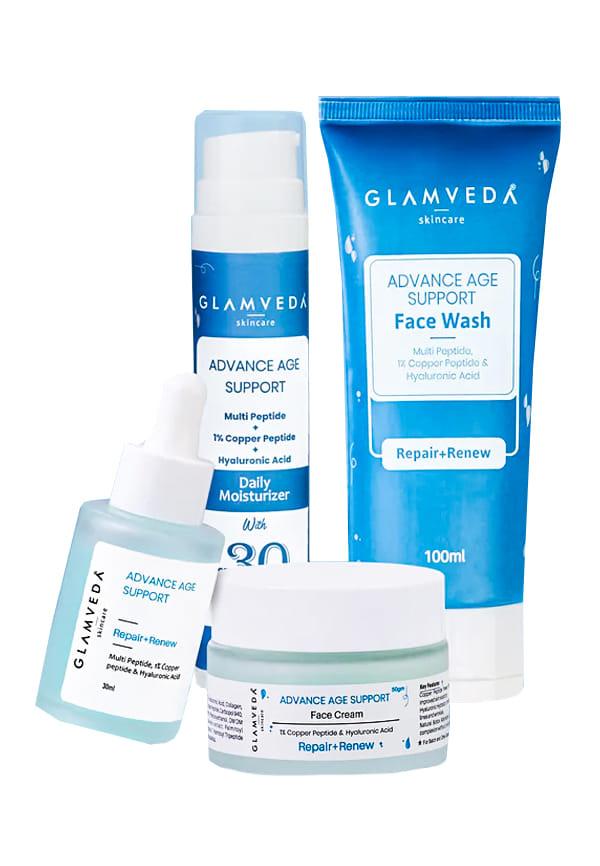
1% Copper peptide with Multi Peptide & Hyaluronic Acid Skincare Combo For Advanced Age Support
Your skin is constantly evolving, responding to everything from hormonal shifts and pregnancy to weight changes and the natural ageing process. Whether you're navigating teenage breakouts, pregnancy glow (and the not-so-glowy bits), postpartum skin changes, or simply noticing your skin behaving differently as you age, managing skin during body changes can feel overwhelming. The good news? Understanding why these changes happen and having the right skincare approach can make all the difference. From hormonal acne flare-ups during your cycle to stretch marks during pregnancy, or dealing with loose skin after weight loss, each transition brings its own set of challenges—and solutions. With platforms like Smytten offering trial-sized versions of trusted skincare brands, you can experiment with different products to find what works for your changing skin without the commitment of full-size purchases. Let's explore practical, science-backed strategies to help your skin thrive through every transformation.
Body changes trigger skin responses through hormonal fluctuations, physical stretching, and altered blood flow—understanding these mechanisms helps you choose the right skincare approach
Different life stages require tailored skincare: pregnancy needs gentle, safe ingredients; hormonal skin changes benefit from niacinamide and salicylic acid; weight changes require hydration and elasticity support
Key ingredients for transitional skin include ceramides for barrier repair, hyaluronic acid for hydration, peptides for firmness, and gentle actives like niacinamide for hormonal concerns
Consistency matters more than perfection—simple routines with proven ingredients often work better than complex regimens during times of change
Professional guidance becomes crucial for severe concerns like melasma, significant stretch marks, or persistent hormonal acne that doesn't respond to over-the-counter treatments
Your skin is your body's largest organ, and it's remarkably responsive to internal changes. When your body undergoes transformations—whether through puberty, pregnancy, weight fluctuations, or ageing—your skin adapts in real time. These adaptations aren't just cosmetic; they're biological responses to shifting hormones, changing blood flow, and physical stretching or contraction.
Hormonal fluctuations are often the primary driver behind skin changes during body transitions. Research suggests that oestrogen, progesterone, testosterone, and cortisol all influence sebum production, cell turnover, and collagen synthesis. During pregnancy, increased oestrogen can create that coveted "pregnancy glow" by boosting blood flow and oil production. However, the same hormonal surge can trigger melasma (dark patches) or worsen existing acne. Similarly, hormonal skin changes during puberty, menstrual cycles, or menopause can leave you dealing with unexpected breakouts or changes in skin texture.
Skin elasticity depends on collagen and elastin fibres in the dermis. During rapid body changes like growth spurts, pregnancy, or significant weight gain, these fibres can stretch beyond their capacity to bounce back, resulting in stretch marks. Age also plays a role—younger skin has more collagen production, making it more resilient during changes.
Managing skin during body changes isn't about achieving perfection; it's about supporting your skin's natural adaptation process. Some changes, like stretch marks or hormonal pigmentation, may improve with consistent care but might not disappear entirely. Understanding this helps you focus on what's achievable: maintaining skin health, preventing further damage, and supporting your skin's barrier function.
Pregnancy brings some of the most dramatic body changes you'll experience, and your skin responds accordingly. The surge in hormones, increased blood volume, and physical stretching create a perfect storm of skin transformations. Understanding which ingredients are safe and effective during this time is crucial for both you and your baby's wellbeing.
During pregnancy, stick to gentle, proven ingredients. Niacinamide is your friend for managing hormonal breakouts and pigmentation—it's safe throughout pregnancy and helps regulate oil production whilst supporting the skin barrier. Hyaluronic acid provides essential hydration as your skin stretches, whilst ceramides help maintain barrier integrity. For cleansing, look for gentle formulations like Minimalist 2% Salicylic Acid Face Wash for occasional use if you're dealing with pregnancy acne, but always consult your healthcare provider first.
Vitamin C, glycerin, and zinc oxide sunscreens are pregnancy-safe options for brightening and protection. Avoid retinoids, high-strength salicylic acid, and hydroquinone during pregnancy and breastfeeding.
Prevention is more effective than treatment when it comes to stretch marks. Keep skin well-hydrated with rich moisturisers containing ceramides and hyaluronic acid. The Cetaphil Moisturising Cream For Face & Body offers deep hydration suitable for both face and body, making it practical for expectant mothers. Gentle massage during application can improve circulation and may help with elasticity.
After delivery, your hormone levels plummet, often leading to dryness, sensitivity, and sometimes postpartum acne. Focus on barrier repair with gentle, fragrance-free products. Gradually reintroduce active ingredients like vitamin C for pigmentation and gentle exfoliants for texture concerns, but avoid anything harsh whilst breastfeeding.
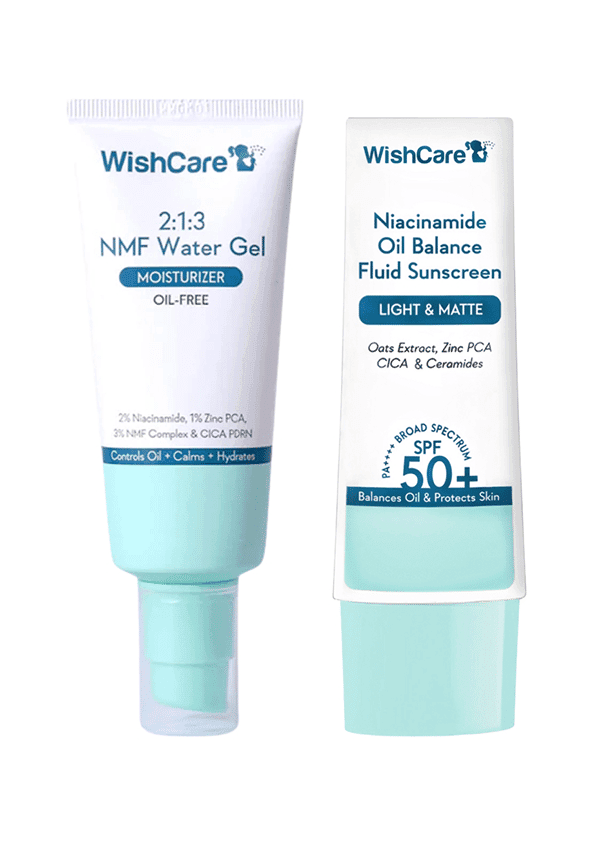
WishCare Oil Control Skincare Combo | Niacinamide Oil Balance Fluid Sunscreen SPF 50 & NMF Water Gel Moisturizer
Good product, highly recommended
 5
5“Good product🤌🏻 highly recommended”
Good product, highly recommended
5“Good product🤌🏻 highly recommended”
Good product, highly recommended
5“Good product🤌🏻 highly recommended”
Hormonal skin changes aren't limited to pregnancy—they're a constant throughout life, from puberty through menopause. Each hormonal shift brings its own skin challenges, but understanding the patterns helps you adapt your routine accordingly.
During puberty, increased androgen production triggers excess sebum, leading to clogged pores and acne. The Arata Menthol Ice Burst Face Wash with 1% Salicylic Acid provides gentle daily cleansing with BHA benefits, perfect for teenagers learning to manage oily, acne-prone skin. The cooling menthol offers a refreshing experience whilst the salicylic acid helps prevent breakouts.
Your skin changes throughout your monthly cycle. During the luteal phase (post-ovulation), progesterone increases oil production, often leading to pre-period breakouts. This is when spot treatments with niacinamide or gentle salicylic acid can be most effective. How to fix hormonal imbalance for skin? Consult a healthcare professional for personalised advice.
Declining oestrogen during menopause leads to decreased collagen production, reduced oil production, and thinner skin. Focus on rich, nourishing formulations with peptides and ceramides. The Foxtale Pomegranate + Multi-Peptide Anti Ageing Moisturizer Spf 30 combines anti-ageing peptides with daily sun protection, addressing multiple menopausal skin concerns in one product.
Chronic stress elevates cortisol, which can worsen acne and slow healing. Incorporating stress-management techniques alongside your skincare routine—like meditation, regular exercise, or adequate sleep—can significantly improve hormonal skin issues.
Whether you're losing weight for health reasons or building muscle through fitness, body transformations present unique skincare challenges. The key is supporting your skin's elasticity whilst maintaining hydration and barrier function throughout the process.
During weight loss, skin that has been stretched may struggle to contract at the same rate as fat loss, potentially leading to loose or sagging skin. How do I manage skin during weight loss? Gradual weight loss (1-2 pounds per week) gives skin more time to adapt. Support this process with ingredients that promote collagen synthesis and maintain hydration.
Peptides, vitamin C, and retinoids (when appropriate) can help stimulate collagen production. The Dot & Key Skin Renew Barrier Repair Peptide Moisturizer with Peptide & Vitamin C combines peptides with vitamin C for comprehensive skin support during body changes. Regular massage during application can also improve circulation and potentially aid skin contraction.
During body transformation, ensure adequate protein intake for collagen synthesis, healthy fats for barrier function, and antioxidants for protection against oxidative stress. Hydration becomes even more crucial—aim for at least 8 glasses of water daily, more if you're exercising intensively.
Regular exercise improves circulation, which benefits skin health, but post-workout skin care is crucial. Cleanse gently after sweating to prevent clogged pores, and always moisturise to replace any hydration lost through perspiration. For bodybuilders dealing with increased muscle mass, ensure your skincare routine addresses any hormonal changes that might accompany intense training.
Ageing is perhaps the most gradual body change we experience, but its effects on skin are cumulative and significant. As we age, cell turnover slows, collagen production decreases, and skin becomes thinner and more fragile. The good news is that consistent, science-backed skincare can significantly slow and even reverse some signs of ageing.
Sun protection remains the most crucial anti-ageing strategy. Daily SPF use prevents further damage and allows your skin to repair existing damage. The WishCare Head-to-Toe Sun Protection SPF 50+ PA+++ offers broad-spectrum protection suitable for sensitive skin, making daily application comfortable and non-negotiating.
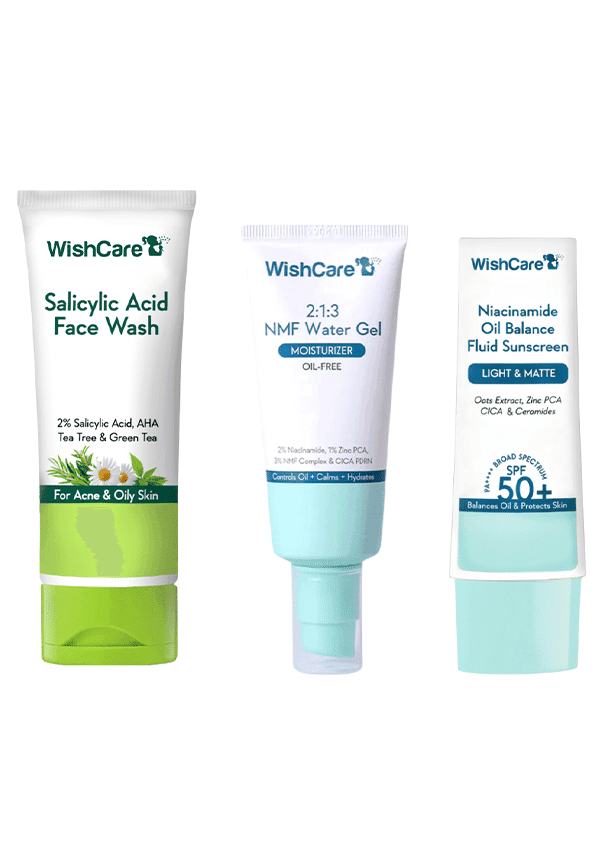
WishCare Oil Control Skincare Routine | Salicylic Acid Facewash, NMF Water Gel Moisturizer & SPF Niacinamide Oil Balance Fluid Sunscreen
Nice Products, Must Try
5“nice products love it must try”
Good Products, Best Sunscreen
5“all the products are very good to me and sunscreen was the best”
Best for Oily Skin
4“oily skin k liye best combo pack”
Retinoids are the gold standard for anti-ageing, stimulating cell turnover and collagen production. Start slowly with over-the-counter retinol products, gradually building tolerance. The Dot & Key Night Reset Retinol + Ceramide Cream pairs retinol with ceramides to minimise irritation whilst delivering anti-ageing benefits.
Ageing skin loses its ability to retain moisture, making hydration crucial. Look for products with multiple types of hyaluronic acid, ceramides, and humectants. The Foxtale 5x Hydrating Ceramide Moisturizer contains three specific ceramide types (AP, NP, EOP) plus micro hyaluronic acid for comprehensive barrier support.
While consistent at-home care forms the foundation of anti-ageing, professional treatments like chemical peels, microneedling, or laser therapy can address more significant concerns. These should complement, not replace, a solid daily routine.
Adapting your skincare routine to match your body's current needs doesn't require a complete overhaul—often, small adjustments make the biggest difference. The key is understanding which ingredients and techniques work best for your specific situation whilst maintaining consistency.
For hormonal changes, focus on gentle cleansing, barrier support, and targeted treatments. A typical routine might include a gentle cleanser like the Neutrogena Oil Free Acne Wash, followed by a niacinamide-containing moisturiser such as the WishCare Oil Control Skincare Combo, and always finishing with SPF during the day.
Keep mornings simple: gentle cleanser, antioxidant serum or moisturiser with vitamin C, and broad-spectrum SPF. During times of change, your skin may be more sensitive, so avoid introducing new actives in the morning routine.
Evenings are ideal for treatment products. Depending on your skin's current needs, this might include gentle exfoliation, targeted treatments for acne or pigmentation, and rich moisturisers for barrier repair. The Plum Goji Berry & 5% Glycolic Acid Exfoliating Toner offers gentle chemical exfoliation suitable for most skin types experiencing changes.
Consider weekly treatments like hydrating masks, gentle enzyme exfoliation, or targeted treatments for specific concerns. These can provide extra support during times of significant body changes without overwhelming daily routines.
Product | Best For | Key Ingredients | Skin Concern | Price Range |
|---|---|---|---|---|
Minimalist Ceramides & Hyaluronic Barrier Repair | Sensitive, mature skin | 5 Ceramides, Hyaluronic Acid, Probiotics | Barrier repair, hydration | Mid-range |
Dot & Key Cica + Niacinamide Oil-Free | Oily, acne-prone skin | Cica, Niacinamide, Ceramides | Hormonal acne, oil control | Mid-range |
Foxtale Pomegranate + Multi-Peptide SPF 30 | Mature, all skin types | Peptides, Pomegranate, SPF 30 | Anti-ageing, sun protection | Premium |
Cetaphil Moisturising Cream Face & Body | Dry, sensitive skin | Niacinamide, Ceramides, Sweet Almond Oil | Deep hydration, barrier repair | Mid-range |
The Derma Co 5% Nia-Ceramide Mattifying | Oily, combination skin | 5% Niacinamide, 2% Ceramide | Oil control, acne marks | Budget-friendly |
Skincare products work best when supported by proper nutrition and lifestyle habits. During times of body change, your skin's nutritional needs may increase, making dietary considerations even more important for maintaining healthy skin.
Protein is crucial for collagen synthesis—aim for 0.8-1.2 grams per kilogram of body weight daily. Include vitamin C-rich foods like citrus fruits, berries, and leafy greens to support collagen production. Omega-3 fatty acids from fish, walnuts, and flaxseeds help maintain skin barrier function and reduce inflammation.
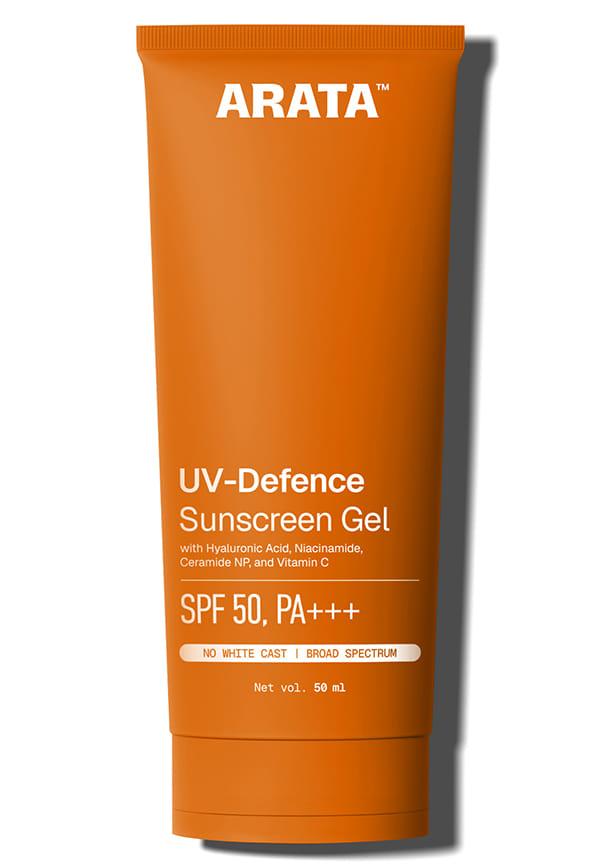
Sunscreen Gel with Niacinamide & Ceramide
During body changes, especially weight loss or pregnancy, hydration needs increase. Aim for at least 35ml per kilogram of body weight daily, adjusting for exercise, climate, and individual needs. Proper hydration supports skin elasticity and helps maintain the skin barrier.
Quality sleep is when your skin repairs itself most efficiently. During times of change, prioritise 7-9 hours of quality sleep. Poor sleep can worsen hormonal imbalances and slow skin healing, making existing skin concerns more challenging to manage.
Chronic stress elevates cortisol, which can worsen acne, slow healing, and accelerate ageing. Incorporate stress-reduction techniques like meditation, yoga, or regular exercise. Even 10 minutes of daily mindfulness can positively impact both your overall wellbeing and skin health.
Sun protection is the most crucial step during any body change. SPF prevents further damage and allows your skin to focus on healing and adaptation. Choose a broad-spectrum SPF 30 or higher and apply daily, regardless of weather or season.
Most skincare improvements become visible within 4-6 weeks of consistent routine, though deeper changes may take 3-6 months. During significant body changes like pregnancy or weight loss, be patient—your skin needs time to adapt alongside your body.
While some gentle, basic products can work throughout various changes, you may need to adjust concentrations or add specific treatments. For example, pregnancy requires avoiding certain ingredients, whilst menopause might need richer formulations. Platforms like Smytten allow you to trial different products safely during transitions.
Focus on collagen-supporting foods like vitamin C-rich fruits, omega-3 fatty acids from fish and nuts, protein sources for amino acids, antioxidant-rich vegetables, and zinc-containing foods like pumpkin seeds and legumes for optimal skin repair and adaptation.
Consult a dermatologist for severe concerns like persistent hormonal acne, significant melasma, or skin changes that worry you. They can provide prescription treatments and professional guidance tailored to your specific situation and body changes.
Managing skin during body changes requires understanding that your skin is responding naturally to internal transformations. The most effective approach combines gentle, consistent skincare with patience and realistic expectations. Focus on supporting your skin's barrier function with ceramides and hyaluronic acid, protecting against further damage with daily SPF, and addressing specific concerns with targeted ingredients like niacinamide for hormonal issues or peptides for ageing concerns.
Remember that different life stages require different approaches—what works during puberty may not suit pregnancy or menopause. Consistency matters more than perfection, and simple routines often prove more sustainable during times of change. Don't hesitate to seek professional guidance for severe concerns, and always prioritise gentle, proven ingredients over trendy but potentially irritating formulations.
Navigating skin changes during body transformations doesn't have to be overwhelming when you have the right approach and products. Smytten is India's largest product discovery and trial platform, connecting consumers with top lifestyle, beauty, wellness, and grooming brands. At its core, Smytten offers curated trial packs - mini-sized products from over 1,500 trusted brands such as Cetaphil, Dot & Key, WishCare, and many others featured in this guide. This try before you buy approach lets you explore and experience products before committing to full-size purchases, which is particularly valuable when your skin is changing and you're unsure what will work best. Each mini is linked with Trial Points, and you can get up to 10 Trial Points for just ₹279, with 100% cashback on trials redeemable for future orders. With over 25 million users and 100% authentic, directly sourced products available across 90% pincode coverage, Smytten helps you make smarter, more confident choices during every skin transition. After all, why settle for 'maybe' when you can #TryItAll and find exactly what your changing skin needs?
